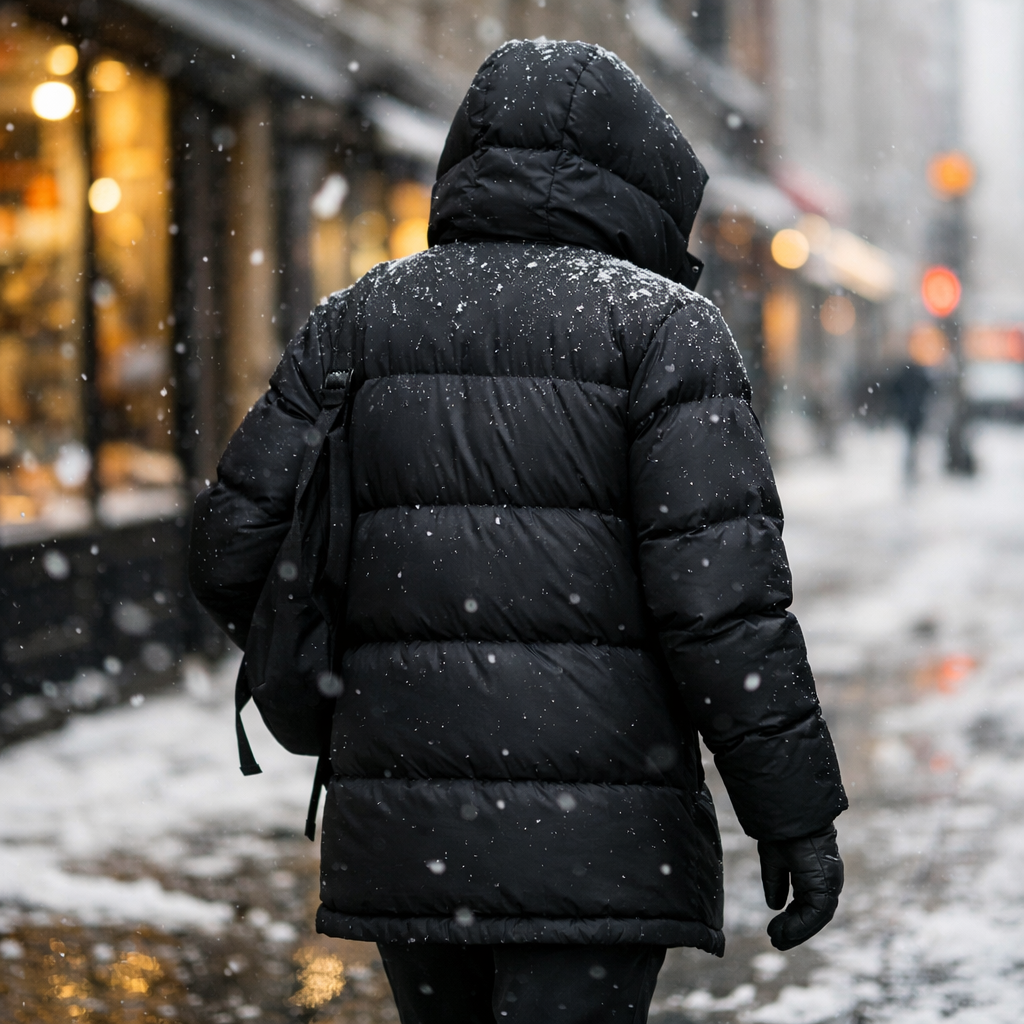
Windproof, Waterproof Black Puffers That Keep City Snow Days Comfortable
Windproof, Waterproof Black Puffers That Keep City Snow Days Comfortable
City snow days are all about contrast: sideways sleet on the walk, overheated subways in between. The right windproof, waterproof black puffer jacket balances weather armor with commuter usability and quiet style. For wet winters, target a waterproof rating of 10,000 mm or higher, a low‑CFM windproof shell, and insulation that keeps warming when damp—either hydrophobic down (800FP+) or a quality synthetic. Add a mid‑thigh cut, two‑way zipper, and pit zips for heat dumps. This Hiking Manual guide distills what matters most for warmest black puffer performance in urban snow, so you stay dry, comfortable, and streamlined from curb to meeting.
Why black puffers work for city snow
Black puffers moved from mountain gear to city uniform because they offer warmth with a low‑key, everywhere silhouette. Fashion reporting charts how they evolved into modern “quiet utility,” bridging outdoors DNA and daily wear New York Times on puffers’ city rise. Recent iterations add practical touches—bigger pockets, removable hoods, and smarter storage—without shouting for attention T Magazine on utility details.
Still, not all puffers protect equally in wet, gusty conditions. Many fashion‑first puffers are insulation‑only layers designed to be worn under a waterproof shell, not instead of one puffer buying guide. The takeaway: for stormy city days, choose black puffers that pair understated looks with proven windproof and waterproof performance. That’s the filter Hiking Manual applies for wet‑city reliability.
Windproof and waterproof explained
Waterproofness is measured by hydrostatic head (mm). Higher mm ratings indicate stronger resistance to liquid penetration; 0–5,000 mm handles light snow, 5,000–10,000 mm suits moderate precipitation, while 10,000 mm+ is better for sustained wet snow in cities windproof vs waterproof explained.
Windproofing refers to how well a fabric blocks air flow, often expressed as CFM (cubic feet per minute). Lower CFM means less air passes through, which cuts convective heat loss on exposed sidewalks.
What to look for in urban snow:
- Aim for 10,000 mm+ waterproof ratings if your winters are wet; this aligns with consumer test targets for reliable storm protection consumer testing guidance.
- Prefer 2‑layer or 3‑layer waterproof‑breathable membranes (such as GORE‑TEX or comparable membranes). Fully waterproof and windproof membranes are the most dependable choice for slushy commutes and lake‑effect gusts.
Hiking Manual favors fully seam‑sealed membranes in this category for consistent protection across long, slushy commutes.
Quick reference table:
| Term | What it means | Good for | Target spec |
|---|---|---|---|
| Waterproof rating (mm) | Pressure a fabric resists before leaking | Wet snow, sleet | 10,000 mm+ for city storms |
| Windproofing (CFM) | Air passing through fabric per minute | Windchill protection | ≤ 5 CFM (lower is better) |
| Membrane (2L/3L) | Laminated waterproof‑breathable layer | All‑day snow with wind | 2L or 3L with seam sealing |
| Seam sealing | Taped or welded seams block leaks | Prolonged exposure | Fully seam‑sealed |
| DWR finish | Beads moisture on face fabric | Light snow, spray | PFC‑free DWR; refresh as needed |
| Breathability | Moisture vapor transfer | Heat dumps in transit | Balanced with vents/pit zips |
Insulation that stays warm when damp
The core tradeoff is simple: down delivers the best warmth‑to‑weight and lofty comfort, but it loses heat when wet. Synthetic fills retain more warmth when damp and dry faster—ideal for slushy commutes and platform waits. Hydrophobic down treatments help down resist moisture, narrowing the gap in real‑world use puffer buying guide. For slushy commutes, Hiking Manual generally leans toward synthetic fills or hydrophobic down paired with a waterproof shell.
High fill power down, such as 850–900 FP, maximizes insulation efficiency; alpine‑leaning models at 900 FP (e.g., Rab’s ultralight series) are examples often highlighted for warmth‑to‑weight and treated downs The Inertia winter jacket tests. On the synthetic side, proven options like PrimaLoft paired with a waterproof shell are steady performers in wet city snow Outside’s urban winter picks.
Fill power defined: it measures how much space one ounce of down occupies. Higher numbers (around 800–900) trap more air per ounce, creating more warmth without bulk Wired puffer jacket guide.
Urban design details that matter
Prioritize features that seal weather out, retain heat, and make commuting easier:
- Coverage and mobility: Mid‑thigh or longer cut to shield pant hems; use two‑way zips to keep your stride and clear subway steps.
- Weather sealing: Snorkel or cinch hoods, high draft collars, storm flaps, and internal cuffs or thumbholes to stop gusts and spindrift.
- Heat management: Pit zips and breathable face fabrics help you dump heat on trains and in overheated lobbies.
Commuter‑friendly touches amplify comfort:
- Fleece‑lined hand pockets for quick warmups, generous cargo pockets for gloves and a hat, and interior backpack‑style carry straps for hands‑free use when you overheat Strategist on ‘sleeping bag’ coats.
- Matte black shells and low‑contrast quilting slide from weekday to evening. Lightweight, windproof shells pack smaller yet block drafts effectively.
Length, fit, and mobility for commuting
Length recommendations:
- Mid‑thigh to knee‑length coats block slush splash and shield layers. Longer parkas can feel restrictive; look for two‑way zippers and articulated patterning to preserve stride and stair comfort.
Fit guidance:
- Choose a regular to slightly oversized cut to layer a fleece or blazer under a low‑CFM shell. That combo extends comfort across roughly 10–25°F with wind, common on exposed city blocks.
- Quick fit checklist:
- Shoulders: lift arms freely without hem drag.
- Hem: cinches without riding up when you walk.
- Cuffs: seal over gloves without gaps.
Quick buying checklist
- Weatherproofing plan: an integrated waterproof/breathable membrane, or pair an insulated midlayer with a separate hardshell for storms.
- Waterproof rating: 10,000 mm+ for wet cities with sustained snow and sleet.
- Windproofing: low‑CFM shell or windproof membrane to cut sidewalk gusts.
- Insulation: hydrophobic down (800 FP+) for warmth‑to‑weight or synthetic (e.g., PrimaLoft) for damp reliability.
- Venting: pit zips and a two‑way front zip for indoor transitions; comfort features like a draft collar, storm flap, and internal cuffs.
- Commuter features: secure zip pockets, fleece‑lined hand pockets, interior backpack straps.
- Materials: durable nylon/poly shell with PFC‑free DWR; consider recycled fabrics and traceable down.
- Backup plan: packable beanie and liner gloves in a chest pocket for platform waits.
How we evaluate warmth and weather protection
At Hiking Manual, we combine lab‑style spec checks and field loops. First, we verify hydrostatic head ratings, membrane construction (2L/3L), CFM claims where available, DWR type, and seam sealing. Then we walk urban snow routes in wind, time heat‑dump stops using pit zips, and assess glove integration, pocket access, and hood stability on crosswalk gusts.
In slushy, wind‑exposed conditions, fully waterproof and windproof membranes (e.g., GORE‑TEX parkas) show the most consistent protection, mirroring broader consumer test findings for wet‑city reliability consumer testing guidance. We also note that newer insulated jackets increasingly add membranes, improving wet‑snow confidence compared with insulation‑only designs.
Safety notes for icy sidewalks and wet commutes
Windchill multiplies heat loss; a windproof shell curbs convective cooling, while a waterproof membrane prevents soaking that accelerates core temperature drop. Pair your coat with winter‑traction footwear and add reflective accents; matte black reads sharp, so use reflective accessories for visibility on dark commutes. Quick micro‑check: seal cuffs, cinch hood before crossings, zip‑stow your phone, and use interior pack straps when you overheat indoors.
Sustainability and ethical sourcing
Down typically comes from ducks and geese, often as a meat‑industry by‑product, but animal‑welfare assurances vary and can be limited despite “ethical down” claims puffer buying guide. Recycled synthetics—both shell fabrics and insulation—are increasingly common in city puffers, reducing virgin material use Wired puffer jacket guide.
Buyer guidance:
- Look for credible standards like RDS for down traceability and PFC‑free DWR finishes. Consider synthetic insulation if you prioritize non‑animal options or damp‑weather warmth.
- DWR, or durable water repellent, is a thin treatment that helps outer fabric bead moisture; it wears off with use and washing and needs periodic reapplication to maintain performance Columbia on puffer vs parka.
For deeper dives, see Hiking Manual’s guides on water‑repellent outerwear and synthetic insulation:
Care and maintenance for long-term performance
Follow this flow to keep warmth, loft, and weather resistance high through winter:
- Close all zips and Velcro.
- Machine wash cold/warm with a down‑safe detergent.
- Rinse thoroughly to remove soap.
- Tumble dry low with clean tennis balls to restore loft.
- Reapply a spray‑on DWR after several washes so water keeps beading Columbia on puffer vs parka.
Usage tips: hang‑dry fully before storage, spot‑clean salt stains promptly, and refresh seam tape if the shell starts to wet out. Mid‑season, inspect cuffs and hood cordlocks; reproof DWR when beads flatten rather than roll off.
Frequently asked questions
Are black puffers actually waterproof or just water resistant?
Many are only water resistant with DWR for light snow. For storm protection, Hiking Manual recommends a waterproof/breathable membrane with fully sealed seams around 10,000 mm+.
What insulation is best for wet, windy snow days?
Hydrophobic down or quality synthetic fills like PrimaLoft keep warmth when damp and dry faster than untreated down. Hiking Manual pairs them with a windproof shell to cut convective chill.
How long should a city puffer be for warmth and coverage?
Mid‑thigh is the sweet spot for blocking slush without restricting stride. Hiking Manual suggests a two‑way front zip on knee‑length styles for easier walking and stairs.
What waterproof rating and windproof specs should I look for?
Hiking Manual’s baseline is 10,000 mm+ for wet cities plus a low‑CFM or windproof membrane shell to stop drafts.
How do I keep a puffer’s DWR working through winter?
Wash gently and tumble dry to restore loft. Reapply a spray‑on DWR when water stops beading—Hiking Manual’s simple keep‑it‑working routine.