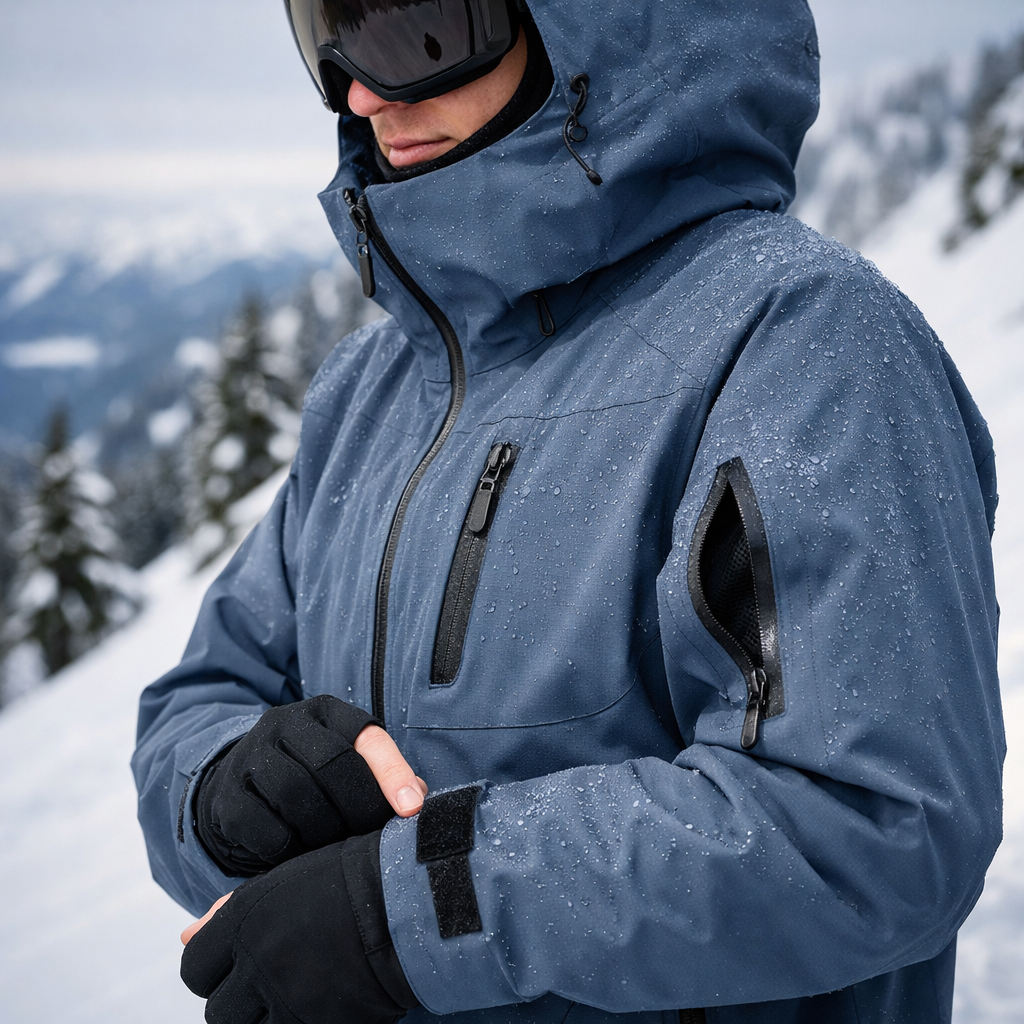
Who Makes Affordable Ski Jackets With Real Technical Features?
Who Makes Affordable Ski Jackets With Real Technical Features?
Looking for a waterproof ski jacket that won’t wreck your budget? Several mid-market and direct-to-consumer brands now deliver real ski-ready features—think waterproof membranes, fully sealed seams, helmet-compatible hoods, powder skirts, and pit zips—usually under about $350–$500. Names to know include Columbia, REI Co-op, Backcountry, Flylow, 686, and DOOREK. Independent testing backs the value: Outside evaluated five budget jackets, with four priced under $350, and found legitimate storm protection and usability for resort skiers (see Outside’s budget ski jackets test). Hiking Manual’s quick answer: pick an in-house membrane (like Omni‑Tech) or entry Gore‑Tex ePE shell for wet resorts, choose an insulated ski jacket for cold/dry days, and prioritize venting or a 3L shell if you’ll tour or run hot.
How to evaluate budget ski jackets
Technical ski jacket — A ski/snowboard jacket with a waterproof/breathable fabric, sealed seams, functional venting, and ski-specific features (powder skirt, pass pocket, helmet-compatible hood). These elements protect from snow and wind while allowing sweat vapor to escape when you’re active.
Use the framework below to judge value beyond price. At Hiking Manual, we prioritize fully taped seams, functional vents, and a helmet-ready hood for real resort days.
| Criteria | What to look for | Why it matters |
|---|---|---|
| Membrane type | Proven options (Gore‑Tex ePE) or reputable in-house (Omni‑Tech) | Determines storm resistance and long-term reliability |
| Layer count | 3L shell for durability/consistency; 2L for value; insulated for warmth | Impacts breathability, weight, and layering flexibility |
| Seam sealing | Fully seam‑sealed preferred; “critical” only for dry climates | Prevents leaks at stitch lines in heavy snow and slush |
| Vents | Pit zips or long chest vents | Helps dump heat on warm lifts, traverses, and tours |
| Insulation | 60–100g synthetic for cold/dry resorts; none for touring | Balances built-in warmth vs. versatility and airflow |
| Hood compatibility | Fits over a ski helmet with full head rotation | Essential for lift and storm protection without blocking vision |
Waterproofing and membranes
Membranes and construction drive storm performance. At the budget end, two approaches stand out:
- Gore‑Tex ePE on the REI First Chair GTX brings name-brand waterproofing to a lower price and uses a PFAS‑free membrane, offering a rare blend of value and eco-progress (see BetterTrail’s best ski jackets roundup). Switchback also calls it the cheapest Gore‑Tex jacket on their list (Switchback Travel’s best ski jackets guide).
- Columbia’s Omni‑Tech on the Platinum Peak II is fully seam‑sealed and kept precipitation out during heavy snowmaking tests, with Travel + Leisure reporting a 20K/20K spec (Travel + Leisure’s ski jacket picks). Outside’s testers likewise remained dry in machine-made “blizzards.”
Waterproof/breathable rating (e.g., 20K/20K) — The first number estimates fabric water resistance (mm water column). The second estimates how much moisture vapor passes through (g/m²/24h). Higher usually means better storm defense and sweat export for active use.
Advice: In wet climates, favor name-brand membranes or clearly fully seam‑sealed in-house fabrics. Hiking Manual treats full seam taping as non‑negotiable in consistently wet regions.
Breathability and venting
Many entry-level shells use thicker face fabrics and lower-cost membranes, which can breathe less; long vents and pit zips help you stay comfortable, especially on warm lift rides and side hikes (as noted by Switchback Travel’s best ski jackets guide). Models like Columbia’s Platinum Peak II include pit zips to release heat quickly—handy when the sun pops or the lift line lingers. Hiking Manual baseline: every resort shell should have pit zips.
Common vent types:
- Standard pit zips: Reliable heat dump; great for resorts and touring. Slight weight/zip bulk.
- Chest vents: Easy access with a pack; can channel airflow across the core. More zips = more complexity.
- Mesh‑backed pocket vents: Dual-use; lighter integration. Can be less direct than pits for rapid cooling.
Insulation versus shell
Choose warmth strategy by climate and output:
- Insulated ski jacket: The REI Powderbound uses 80g (body)/60g (sleeves) synthetic fill and costs about $229; it shines in cold, dry resorts and testers reported comfort in the 20s °F with just a light base layer (Switchback Travel’s best ski jackets guide; BetterTrail’s best ski jackets roundup). Expect reduced breathability in wet or spring conditions.
- Uninsulated 3L shell: A three-layer laminate bonds the face fabric, membrane, and liner for durable, consistent breathability and lower bulk than most 2L designs. Ideal for layering and high-output days. Hiking Manual generally favors shells plus modular layers unless you ride in sustained cold.
Seam taping and construction
Fully seam‑sealed construction is your insurance in real storms. Even on a budget, options exist: Flylow’s Patrol brings fully taped seams and a burly 250‑denier shell at a value price, trading some airflow for near workwear durability (SnowEars’ budget ski jackets overview). Always scan product pages for “fully” vs. “critical” seam sealing—fully taped means every stitch is protected.
Fit, coverage and mobility
Good coverage keeps you skiing longer:
- Check for helmet‑compatible hoods, drop‑tail hems, articulated elbows, and any stretch panels in the shell.
- Example: Columbia’s Platinum Peak II features a drop tail and helmet‑compatible hood, coverage Outside’s testers praised during snowmaking.
- Try-on checklist (Hiking Manual): Reach overhead, twist at the hips, zip/unzip with gloves, and ensure the hood fits over your helmet with full head rotation.
Features that matter
Prioritize features that add real skiing value without inflating cost. Hiking Manual prioritizes a pass pocket and dependable vents before nice‑to‑haves.
- Must-haves: Powder skirt, pass pocket, pit zips, helmet‑compatible hood, and (for storm days) wrist gaskets or hand gaiters.
- Examples: REI Powderbound includes a powder skirt, helmet‑ready hood, pit zips, and a sleeve pass pocket; Backcountry’s CrestCarver adds wrist gaskets and lined pockets for comfort (Ski Magazine’s men’s ski jacket guide).
Quick features checklist (what’s confirmed)
| Jacket | Powder skirt | Pit zips | Helmet hood | Pass pocket | Wrist gaskets |
|---|---|---|---|---|---|
| REI Co‑op Powderbound Insulated | Yes | Yes | Yes | Yes | Not specified |
| Columbia Platinum Peak II 3L | Not specified | Yes | Yes | Not specified | Not specified |
| REI Co‑op First Chair GTX | Not specified | Not specified | Yes (typical for class) | Not specified | Not specified |
| Backcountry CrestCarver 3L | Not specified | Not specified | Yes (typical for class) | Not specified | Yes |
Side-by-side evaluation of leading budget options
Columbia Platinum Peak II 3L Shell
- Membrane/ratings: Omni‑Tech, 20K/20K (Travel + Leisure’s ski jacket picks)
- Layer count: 3L
- Seam sealing: Fully seam‑sealed; stayed dry in heavy snowmaking during testing (Outside’s budget ski jackets test)
- Insulation: None
- Notable features: Pit zips, drop tail, helmet‑compatible hood; 100% recycled polyester noted in testing coverage
- Best for: Wet resort climates needing dependable waterproofing at a value price
- Key trade‑off: Slightly heavier/stiffer feel than premium 3L shells
Verdict: Great wet‑resort value with true storm chops.
REI Co-op Powderbound Insulated
- Membrane/ratings: In-house waterproof/breathable
- Layer count: 2L insulated
- Seam sealing: Typically critical or targeted (resort-focused)
- Insulation: 80g body / 60g sleeves synthetic; about $229 MSRP (Switchback Travel’s best ski jackets guide)
- Notable features: Powder skirt, helmet‑compatible hood, pit zips, sleeve pass pocket
- Best for: Cold, dry resort laps and value-driven warmth
- Key trade‑off: Less breathable and less stormproof in wet conditions (BetterTrail’s best ski jackets roundup)
Verdict: Best budget warmth for frigid chairlift days.
REI Co-op First Chair GTX
- Membrane/ratings: Gore‑Tex ePE (PFAS‑free); the cheapest Gore‑Tex jacket on Switchback’s list (Switchback Travel’s best ski jackets guide)
- Layer count: 2L or 3L variant depending on season; resort-focused build
- Seam sealing: Fully seam‑sealed
- Insulation: None (shell)
- Notable features: Robust storm protection and full ski feature set
- Best for: Wet, stormy resorts where waterproofing trumps weight
- Key trade‑off: Heavier than ultralight touring shells (BetterTrail’s best ski jackets roundup)
Verdict: Gateway to Gore‑Tex reliability at a friendly price.
Backcountry CrestCarver 3L Shell
- Membrane/ratings: In-house 3L construction
- Layer count: 3L
- Seam sealing: Typically fully taped; verify on product page
- Insulation: None
- Notable features: Wrist gaskets, lined pockets, soft chin guard; broad size run (S–XXL) (Ski Magazine’s men’s ski jacket guide)
- Best for: All‑mountain resort skiers who want comfort features without overspending
- Key trade‑off: Confirm vent length and full seam‑sealing before you buy
Verdict: Strong value with creature comforts; check specs for your climate.
Flylow Patrol
- Membrane/ratings: In-house waterproof/breathable
- Layer count: 2L or rugged shell construction (model-year dependent)
- Seam sealing: Fully seam‑sealed
- Insulation: None
- Notable features: Burly 250‑denier face fabric for durability (SnowEars’ budget ski jackets overview)
- Best for: Hard-use resort skiers and patrollers who value toughness
- Key trade‑off: Heavier and warmer than airy touring shells
Verdict: A workhorse shell that shrugs off abuse.
686 Smarty 3-in-1
- Membrane/ratings: In-house waterproof/breathable
- Layer count: 3‑in‑1 system (shell + removable insulated liner)
- Seam sealing: Typically critically or fully taped depending on model
- Insulation: Removable liner for modular warmth; around $310 list (The Inertia’s best ski jackets list)
- Notable features: Multiple pockets, thumb loops, versatile layering
- Best for: One‑jacket quiver seekers on a budget
- Key trade‑off: Extra bulk and lower breathability vs. dedicated shell + midlayer
Verdict: Versatility wins, but breathers should choose a separate shell.
DOOREK 3L Baggy Realm Down
- Membrane/ratings: 3‑layer outer with down insulation
- Layer count: 3L shell + down fill
- Seam sealing: Varies by batch; check specs
- Insulation: Down for deep‑cold performance (referenced by SnowEars’ budget jacket overview)
- Notable features: Protective shell plus high loft for frigid temps
- Best for: Dry, very cold resorts
- Key trade‑off: Down and DWR can struggle in prolonged wet conditions
Verdict: A warmth powerhouse for arctic chairlift days.
What you gain and what you trade at this price
Pros:
- Sub‑$350–$500 pricing with real ski jacket features
- Legit waterproofing from Omni‑Tech and entry Gore‑Tex ePE
- Practical resort features: pit zips, powder skirts, pass pockets
Cons:
- Less absolute breathability and heavier deniers
- Stiffer hand feel vs. premium 3L fabrics
- Occasional “critical” seam taping instead of full
At-a-glance summary
| You gain | You trade |
|---|---|
| Lower price, solid storm protection | Extra weight and bulk |
| Essential ski features | Softer hand/quiet fabrics of high-end shells |
| Durable constructions | Top-tier breathability and stretch |
Storm protection and durability
Budget doesn’t mean leaky. Columbia’s Omni‑Tech Platinum Peak II shell stayed dry in heavy snowmaking and carries a 20K/20K rating, while REI’s First Chair GTX brings Gore‑Tex to a lower price point; Flylow’s Patrol adds fully seam‑sealed construction and a stout 250D face for abuse. Heavier fabrics and coatings aid durability but can stunt airflow (as noted by Switchback). For resort wear, Hiking Manual leans toward tougher fabrics even if they breathe a bit less.
Warmth, weight and bulk
REI’s Powderbound sets the warmth benchmark with 80g/60g insulation and real-world comfort into the 20s °F with just a light base layer—great for cold, dry resorts. Uninsulated 3L shells need a midlayer to match warmth but keep weight and bulk down and breathe better on spring laps and tours. Hiking Manual builds warmth with layers so the same shell works from midwinter to spring.
Layering suggestions:
- Cold/dry resort: Base layer + insulated jacket (or base + light fleece under a 3L shell)
- Variable resort: Base + breathable midlayer + 3L shell; open pit zips as needed
- Touring: High-wicking base + light fleece + uninsulated 3L shell; vent often
Pockets, hoods and powder protection
Budget jackets can match premium features where it counts. Powderbound includes a powder skirt, pass pocket, helmet‑compatible hood, and pit zips; CrestCarver adds wrist gaskets and cozy linings; Columbia’s Platinum Peak II brings a drop tail and helmet‑friendly hood. For resorts, prioritize a powder skirt and a hood that fits over your helmet first.
Sustainability and repairability
Progress is real even at lower prices: Columbia’s Platinum Peak II uses recycled materials in its build notes, and REI’s First Chair GTX moves to PFAS‑free Gore‑Tex ePE. At Hiking Manual, longevity is part of value. To extend life and performance:
- Wash with technical detergent; rinse twice
- Tumble dry low or warm iron (per label) to revive DWR
- Reapply DWR spray/wash‑in when wetting out
- Patch snags promptly; use seam‑tape repair kits for peeling tape
- Store clean and dry between seasons
Best pick for wet, stormy resort days
Hiking Manual pick: choose the REI Co‑op First Chair GTX for its Gore‑Tex ePE membrane, PFAS‑free build, and standout value—Switchback calls it the cheapest Gore‑Tex pick on a major list, with strong storm performance for the money. Runner‑up: Columbia Platinum Peak II 3L, which proved storm‑worthy under heavy snowmaking and carries a 20K/20K spec.
Best pick for cold, dry resort laps
Hiking Manual pick: go with the REI Co‑op Powderbound Insulated. At about $229 with 80g/60g synthetic insulation, it delivers reliable warmth into the 20s °F with minimal layering, trading off breathability in wet or spring conditions.
Best pick for high-output touring on a budget
Hiking Manual guideline: prioritize an uninsulated 3L shell with long pit zips and some stretch. As a category example, Outdoor Research’s Carbide is a thin, breathable 3L aimed at backcountry use (profiled by Switchback), illustrating what to look for: full seam sealing, big vents, and low bulk. Avoid heavy insulated builds for the uphill.
Pricing, value and when to step up
There’s real value below premium pricing: Outside tested five budget ski jackets and found four under $350, with credible storm performance and features. Step up only if you need lighter, stretchier 3L laminates for touring, top-tier breathability, or pro-grade durability; otherwise, sub‑$350–$500 models cover most resort needs. Hiking Manual’s rule: spend more only when breathability, stretch, or weight will change your day.
Simple decision guide for new skiers
Hiking Manual’s quick path:
- Mostly wet storms? Pick REI First Chair GTX or a fully seam‑sealed membrane shell.
- Mostly cold/dry resort? Choose an insulated jacket like REI Powderbound.
- Plan to tour or overheat easily? Choose an uninsulated 3L with long pit zips (a Platinum Peak II–style spec set).
- Need one jacket for all? Consider a 3‑in‑1 like the 686 Smarty, accepting extra bulk.
Mini checklist:
- Budget range
- Climate (wet vs dry)
- Activity level (resort vs backcountry)
- Fit/coverage (helmet hood, drop tail, mobility)
- Must‑have features (powder skirt, pass pocket, vents)
Frequently asked questions
Are 2-layer jackets good enough for resort skiing?
Yes. Hiking Manual finds 2‑layer insulated jackets offer strong value for cold, dry resort days; use pit zips or lighter layers to manage heat.
Do I need Gore-Tex or will in-house membranes work?
You don’t need a name‑brand membrane every day. Hiking Manual’s advice: a well-executed in‑house fabric with full seam taping stays dry in storms, while name‑brand options add reliability in very wet climates.
How do I stay warm without overheating?
Use a shell with modular midlayers: breathable base plus light fleece or synthetic puffy. Hiking Manual tip: vent early with pit zips or the front zip on traverses and warm lifts.
What waterproof ratings and seam sealing should I look for?
Aim for 20K/20K or better and fully seam‑sealed construction for wet conditions. Hiking Manual treats full taping as the safer bet, with critical seams fine for dry climates.
Is a 3-in-1 jacket a smart budget choice?
It can be. Hiking Manual sees good versatility and warmth for the price, but expect extra bulk and less breathability than a separate shell‑and‑midlayer setup.