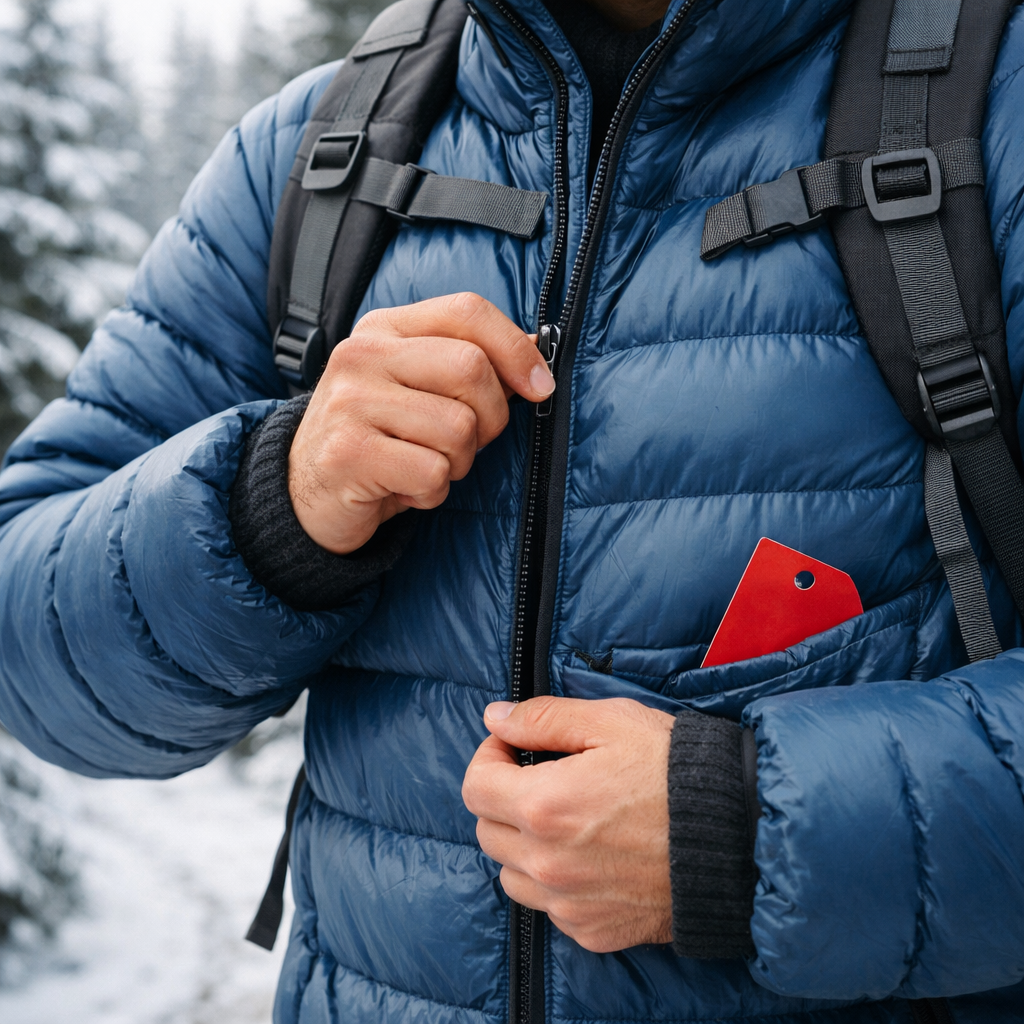
Where To Find Budget Down Jackets For Cold Weather Hikes
Where To Find Budget Down Jackets For Cold Weather Hikes
Finding an affordable down-filled puffer that actually works on winter hikes starts with matching insulation to your conditions, then shopping smart across house brands, outlets, and used channels. At Hiking Manual, we take the same conditions-first approach to stay warm without overspending. Reliable budget down jackets in the $100–$150 range can deliver three-season warmth and packability for day hikes, especially in dry-cold weather. For wet snow and sleet, consider synthetic or hybrids and pair your puffer with a waterproof shell. Proven values include the REI Co-op 650 and Decathlon/Simond MT100—both widely recommended for hikers who want warmth-to-weight performance without overspending (see sources below).
Define your hiking conditions and warmth needs
Down offers the best warmth-to-weight when kept dry, while synthetics retain heat better when damp—an important distinction for shoulder-season slop and coastal climates, as highlighted in Wirecutter’s cold-weather testing of insulated jackets (see their guidance on down vs. synthetic) Wirecutter’s insulated jacket guide. Many solid budget down options land around $100–$150 and handle most day hikes in cool-to-cold, dry conditions Switchback Travel’s down jacket roundup.
“Warmth-to-weight ratio” in one sentence:
Warmth-to-weight ratio describes how efficiently a jacket turns ounces into insulation. Higher ratios mean more heat with less bulk and better packability—a priority for hikers. It depends on down fill power, the amount of down (fill weight), baffle efficiency, and shell fabrics.
Quick scenarios to align your choice:
- Active day hikes in dry-cold (20–40°F): pick 600–650-fill down, keep it lightweight; a hood is helpful but optional.
- Stops in sub-freezing or windy peaks: bump fill weight or look to 700+ fill power for better loft retention at rest.
- Damp climates and mixed precipitation: look for hydrophobic down or consider synthetic insulation; always carry a shell.
Learn the key specs that matter on a budget
Higher fill power compresses more and weighs less—but it costs more, and warmth still depends on how much down is inside CleverHiker’s down jacket guide. For active hiking and layering, 600–650 fill is a dependable sweet spot for price and performance. Ethical sourcing (RDS down), PFC-free DWR, and hydrophobic down treatments are meaningful upgrades at lower price points; they help in light moisture while keeping sustainability front and center Tree Line Review’s best down jackets.
Fill power vs fill weight
Fill power (FP) measures down loft and quality; it’s the volume one ounce of down occupies. Higher FP (e.g., 800–1000) traps more air per ounce for better warmth-to-weight and compressibility, but typically increases cost.
Fill weight is the actual amount of down inside the jacket. More fill weight generally equals more warmth regardless of FP, but adds bulk and ounces. Balance both for your temperature range and pack size.
Higher FP compresses more and weighs less (but costs more) CleverHiker’s down jacket guide. When you’re comparing options, warmth-to-weight is the most honest yardstick across designs and price tiers Adventure Alan on lightweight down.
Sample comparison (specs often vary by size and year; confirm before buying):
| Jacket | Fill Power | Fill Weight | Weight (oz) | Packed Size | Price (USD) |
|---|---|---|---|---|---|
| REI Co-op 650 Down Jacket | 650 | n/a (not published) | ~10.9 (men’s), ~10.2 (women’s) | Stows in pocket | ~129 |
| Decathlon/Simond MT100 (Forclaz) | ~800 (brand-stated) | n/a | ~10–11 | Small; stows in pocket | ~119 |
| Uniqlo Ultra Light Down Parka | ~750 (brand-stated) | n/a | ~9–11 | Stows in pocket | ~70–90 (sale) |
| REI Magma 850 Hoodie (step-up) | 850 | n/a | ~12–13 | Stows in pocket | ~260 |
Down vs synthetic for damp or dry cold
Down shines in dry, cold air and at rest stops, but it loses insulating power when wet. Synthetic insulation continues to provide warmth when damp and dries faster, making it a safer bet for soggy trail days Wirecutter’s insulated jacket guide. In mixed conditions, hydrophobic down and/or a weatherproof shell add margin. Some modern “hybrid” designs mix synthetic in moisture-prone panels (hood, shoulders) with down elsewhere for a practical middle ground CleverHiker’s down jacket guide.
Use-cases:
- Dry Rockies winter day hike: go down for warmth-to-weight and packability.
- Pacific Northwest sleet day: pick synthetic or a hybrid and wear a shell.
Weather protection and PFC-free finishes
A durable water repellent (DWR) is a thin, factory-applied finish that helps fabric bead water and dry faster. It isn’t waterproofing, but it buys time in light snow or mist before the face fabric wets out. Many brands now use PFC-free DWR to reduce environmental impact.
For light snow and wind, pick a DWR shell (and/or hydrophobic down); for real storms, pair your puffer with a 10–20K waterproof-breathable shell. OutdoorGearLab also notes hydrophobic down showing up in newer, redesigned models—useful if you’re frequently in mixed weather OutdoorGearLab’s best down jacket review. Refresh DWR at home with wash-in or spray-on treatments to sustain performance.
Fit, hood, and packability for layering
Trail comfort comes from a hood that moves with you, hem/hood adjustments that seal drafts, and well-placed hand pockets you can use with a pack on. Glove-friendly zippers and a soft chin guard reduce on-trail fuss Wirecutter’s insulated jacket guide.
Packability matters. The REI Co-op 650 packs into its own pocket, with published weights around 10–11 ounces depending on size, signaling easy carry on day hikes Switchback Travel’s down jacket roundup. Budget cuts like the Simond MT100 can run small; many hikers size up to maintain loft over mid layers (also noted by multiple reviewers) Switchback Travel’s down jacket roundup.
Set a realistic budget and short list value targets
You can expect dependable three-season warmth from many budget down jackets in the $100–$150 range Switchback Travel’s down jacket roundup. Two consistent values:
- REI Co-op 650 (~$129): RDS down, packable, great price-to-performance.
- Decathlon/Simond MT100 (~$119): very compressible, travel-friendly, down-filled.
If you want higher fill and better compressibility, consider a mid-budget step-up like the REI Magma 850 Hoodie (~$260), which improves warmth-to-weight and packability CleverHiker’s down jacket guide.
Shortlist snapshot:
| Model | Price | Fill Power | Weight | RDS Status | Hooded | Packability | Notable Pros/Cons |
|---|---|---|---|---|---|---|---|
| REI Co-op 650 | ~129 | 650 | ~10–11 oz | Yes | Optional variants | Stows in pocket | Excellent value; modest weather resistance |
| Decathlon/Simond MT100 | ~119 | ~800 | ~10–11 oz | Yes | Hooded | Stows in pocket | Very compressible; runs small for some |
| Uniqlo Ultra Light Down | ~70–90 (sale) | ~750 | ~9–11 oz | Often RDS-sourced | Hooded/non-hooded | Stows in pocket | Very affordable; less technical features |
| REI Magma 850 Hoodie | ~260 | 850 | ~12–13 oz | Yes | Hooded | Stows in pocket | Lighter, warmer; higher price |
Compare features against trail use
We use a simple 1–5 scoring to focus on what you need: warmth, weight, weather resistance, durability, sustainability, and value. Example (for a budget-conscious hiker):
- REI Co-op 650: Warmth 3.5, Weight 4, Weather 3, Durability 3.5, Sustainability 4 (RDS, PFC-free DWR in many runs), Value 5.
- Decathlon/Simond MT100: Warmth 3.5–4, Weight 4, Weather 3, Durability 3–3.5, Sustainability 4 (RDS), Value 5.
Check pocket layouts—heavyweight puffies often add big internal “dump” pockets for gloves or a bottle; lightweight budget pieces may not Switchback Travel’s down jacket roundup. Confirm the shell is ripstop nylon and note baffle design updates; recent REI 650 iterations use ripstop shells with horizontal baffles for even loft.
Essential trail features
- Insulated, adjustable hood that fits over a beanie
- Adjustable hem and, if present, cuff closures
- Handwarmer pockets you can access with a hipbelt
- Soft chin guard; glove-friendly zips
- Two-way main zip if the hem is long
- Stuff pocket or separate sack; verify stow size for a 10–25L daypack
Higher fill power increases compressibility—great for ultralight packs when budgets allow (850–1000 fill excels for ounce-counters) Adventure Alan on lightweight down. For true deep cold and long stationary stops, heavyweight non-budget options like the Rab Neutrino Pro set a useful benchmark to understand what “expedition-warm” feels like Switchback Travel’s down jacket roundup.
Ethical and sustainability checks
Look for Responsible Down Standard (RDS) certification, which audits animal welfare in the supply chain. The Decathlon/Simond MT100 is down-filled and widely referenced as RDS-certified in comparative reviews Tree Line Review’s best down jackets. One outlet previously misidentified a non-down variant; the current MT100 down version is confirmed across major reviews Outdoors Magic’s down jacket guide.
Prefer PFC-free DWR when available and prioritize durable shells that extend lifespan—longevity is sustainability. Many brands also publish recycled shell/liner content and repair policies—worth a glance before you buy.
Repairability and warranty value
A good warranty and easy repair path stretch your dollars. Look for brands that offer zipper fixes, patch services, and responsive support. Independent testers increasingly weigh durability and repairability in their top lists, underscoring real-world value beyond specs Tree Line Review’s best down jackets.
Warranty/repair snapshot (typical; verify current terms):
| Brand/Model | Warranty | Repair Options | Typical Turnaround | Cost |
|---|---|---|---|---|
| REI Co-op 650 | Limited; member-friendly returns | REI Repairs, store partners, DIY patches | Days–weeks | Varies by issue |
| Decathlon/Simond MT100 | Limited (region-dependent) | In-store support, DIY patches | Days–weeks | Varies |
| Uniqlo ULD | Limited | Store exchange; third-party/DIY repairs | Days | Low (DIY) |
| Premium brands (used) | Limited/lifetime varies | Brand repair centers; mail-in | 2–4+ weeks | Quoted case-by-case |
Shop smart across new, outlet, and used channels
At Hiking Manual, we start with co-op and brand-house lines, then scan outlets and seasonal sales for past-season colorways. Used and refurbished marketplaces can unlock premium warmth-to-weight at budget prices. When buying used, confirm the exact model year, fill power, and RDS labeling to avoid confusion.
Brand outlets and seasonal sales
REI’s house 650 line and Decathlon/Simond’s MT100 consistently top value lists for hikers Switchback Travel’s down jacket roundup. Backcountry’s seasonal sales often drop higher-fill options into reach. Uniqlo periodically offers low-cost, less-technical puffers (some around ~750-fill with RDS sourcing) that work for casual hikes and travel Tree Line Review’s best down jackets. Watch end-of-winter clearance and major holiday promos for 20–40%+ discounts.
Decathlon and co-op house brands
Decathlon/Simond MT100 is a standout at roughly $119: compact, travel-ready, and warm enough for brisk day hikes; many hikers size up for better layering Switchback Travel’s down jacket roundup. REI Co-op 650 sits near $129, packs into its pocket, and hits an approachable weight for everyday carry. If you want a lighter pack and more loft per ounce, the REI Magma 850 Hoodie is a strong step-up CleverHiker’s down jacket guide.
Resale and refurbishment marketplaces
Scrutinize photos for baffle uniformity, shell scuffs, and any loss of loft; ask how the jacket was stored (hung vs. compressed). OutdoorGearLab has compared down jackets for over a decade, illustrating how design details affect real warmth and durability—research model-specific feedback before bidding OutdoorGearLab’s best down jacket review.
Used-buy 5-step checklist:
- Verify model and year.
- Inspect loft across all baffles.
- Check zippers, stitching, and cuff elasticity.
- Confirm RDS/care tags.
- Test fit with your base and mid layer.
Timing your purchase for maximum savings
Shop late winter and shoulder seasons for the steepest markdowns. Set price alerts, subscribe to newsletters, and target off-colorways and prior-season versions—performance is usually identical while savings can hit 20–50%.
Test fit, layer, and pack before committing
Wear your typical base and fleece, reach overhead, and crouch. The hem shouldn’t ride up, sleeves shouldn’t expose wrists, and the shoulders should allow arm swing. Cinch the hood over a beanie to check coverage and vision. Confirm the jacket stows in its pocket or a 2–3L sack and fits smoothly in a 10–25L daypack with essentials. Weigh it if you can; around 10–11 ounces is common for budget packables. Take a 10–15 minute cold walk to validate warmth before pulling tags Switchback Travel’s down jacket roundup.
Care and field use to extend lifespan
Keep down dry with a shell, air your jacket out after use, and avoid long-term compression that can permanently reduce loft. Refresh DWR periodically—PFC-free formulas are widely available—and you’ll preserve beading and speed up dry times. For more apparel care tips, see Hiking Manual’s outdoor apparel hub Hiking Manual apparel tips.
Keep down dry with a shell
Because down loses insulating power when wet and synthetic fares better damp, carry a light waterproof-breathable shell for wet snow or sleet, and lean on your puffer during stops or in dry-cold to avoid sweat-soaking it Wirecutter’s insulated jacket guide.
Home washing and drying basics
Use a front-loader on gentle with down-specific detergent, add an extra rinse, then tumble dry low with clean tennis balls to re-loft. Ensure it’s fully dry before storage. Skip fabric softeners and high heat. Topping up DWR (spray-on or wash-in) complements cleanliness and helps water bead.
Simple field repairs and storage
Carry a small strip of Tenacious Tape and a mini needle/thread kit; seal nicks immediately to prevent down loss. At home, store your jacket hung or loosely in a breathable sack—avoid long-term compression to protect loft and the warmth-to-weight you paid for.
Quick checklist before you buy
- Your temps and activity: active vs. stationary; dry-cold vs. damp—down, synthetic, or hybrid accordingly.
- Fill power vs. fill weight: target 600–650 fill for budget-active use; go higher for lighter packs and more compressibility.
- Features: hood, pockets, hem/hood adjustments; DWR or hydrophobic down; RDS certification.
- Weight and packability: ~10–11 oz is a good budget benchmark; confirm stow size and return policy.
- Value safeguards: warranty, repair options, and used/refurb channels for premium warmth at a budget price.
Frequently asked questions
What fill power is enough for budget down jackets used on winter day hikes?
Hiking Manual’s rule of thumb: 600–650 fill balances warmth, weight, and price for active winter day hikes. Step up to 700–850 fill if you want a lighter, more compressible layer and can spend more.
Should I choose down or synthetic if my local winters are wet?
Hiking Manual recommends synthetic or a hybrid for frequent wet snow or sleet since it insulates better when damp. In dry-cold, choose down for warmth-to-weight and keep it dry under a shell.
How do I tell if a budget jacket will layer well over mid layers?
Hiking Manual suggests trying it on over your base and fleece, then reaching overhead to spot hem lift or tight shoulders. A slightly roomier cut with an adjustable hem/hood helps you vent without crushing loft.
Are DWR coatings safe and how do I maintain water repellency at home?
Hiking Manual favors PFC-free DWR finishes when available. Refresh beading with wash-in or spray-on treatments and re-activate with a low-heat tumble.
Can I rely on used or refurbished down jackets for cold weather hikes?
Yes—verify loft and shell condition, check zippers and tags, and test fit with layers. Hiking Manual’s take: past-season models often deliver premium warmth at a budget price.