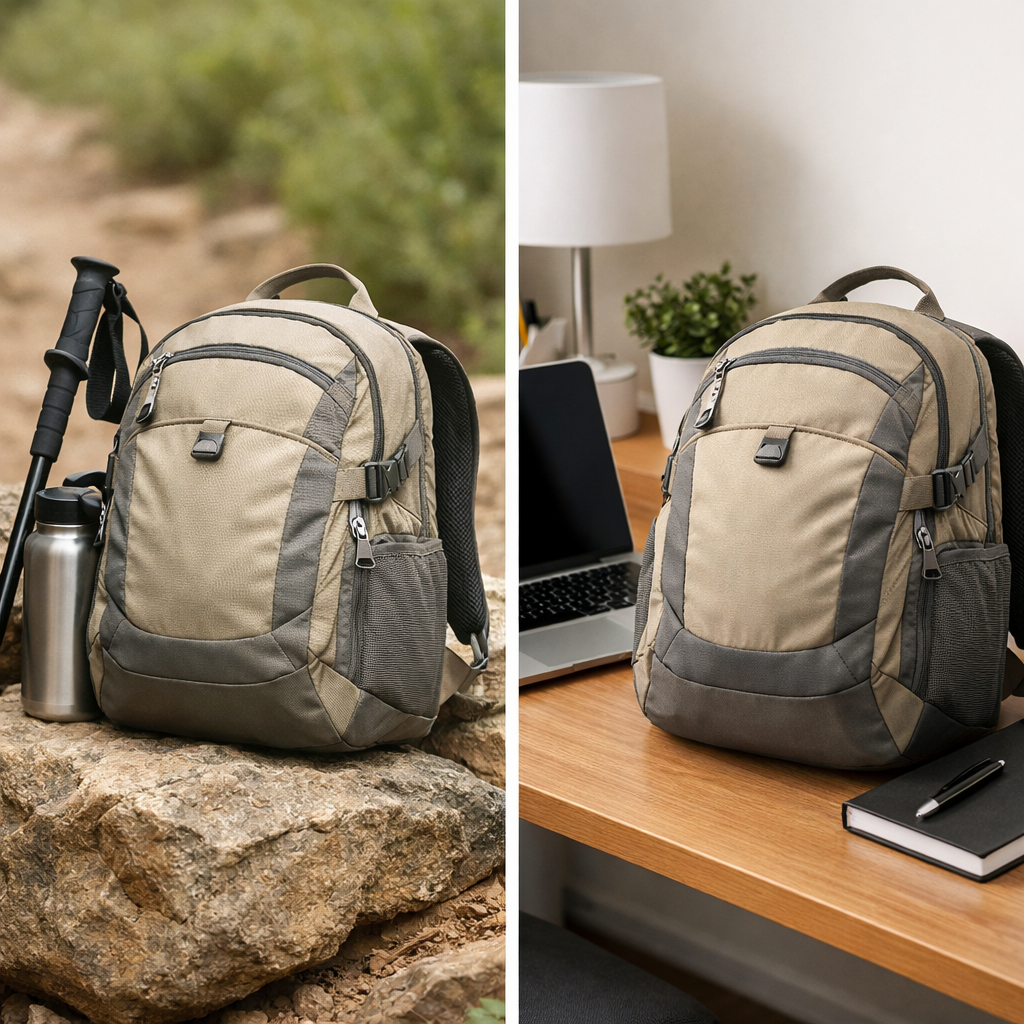
Where to Find Budget Daypacks for Trail and Office
Where to Find Budget Daypacks for Trail and Office
If you want one backpack that carries a laptop to work and a hydration setup to the trail—without spending more than $100—you’re in the right place. The sweet spot for most hybrid users is 18–26 liters: big enough for water, layers, and a 13–15" laptop, yet compact and comfortable. A daypack is a compact backpack (typically 16–30L) built for single‑day outings. It prioritizes low weight and enough space for water, food, layers, and safety essentials with simple suspension. Commuter‑friendly models add organization and a laptop sleeve to serve as a daily carry. Hiking Manual focuses on practical town‑to‑trail setups that balance comfort, organization, and cost.
Below, you’ll find Hiking Manual’s quick picks you can buy today, plus how to choose, fit, and shop smart—grounded in expert advice from sources like REI’s daypack expert advice and hands-on testing from outlets including CleverHiker and OutdoorGearLab.
Quick picks and where to buy
Below are excellent town‑to‑trail values under $100, plus one step‑up option if you want more structure or weather protection.
- REI Co-op Flash 22 — about $60; 14 oz; drawcord top; hydration sleeve; removable sit‑pad back panel; recycled ripstop nylon. A featherweight everyday trail companion that’s simple and comfy for light loads (noted by GearJunkie’s testing). Note: thin nylon trades some abrasion resistance (called out in OutdoorGearLab’s review).
- Osprey Daylite Plus — typically ~$75–$80; versatile for commuting, carry‑on, and short hikes with balanced value and organization (see Travel + Leisure’s daypack picks and CleverHiker’s best daypacks guide).
- Cotopaxi Batac 16L — around ~$70; ~12 oz; minimalist EDC/trail choice with unique colorways and light carry (highlighted in Switchback Travel’s roundup).
- Decathlon Quechua MH100 20L — roughly $40; rare internal plastic frame with aluminum shank provides stability at a rock‑bottom price (praised in CleverHiker’s best daypacks guide).
- Step up: REI Trail 25 — a more structured, laptop‑friendly 25L with included rain cover that suits mixed weather and daily use (discussed by OutdoorGearLab’s review).
Before you purchase, Hiking Manual’s fit steps below help you confirm size, support, and laptop/hydration compatibility.
Where to buy quickly:
- REI and brand sites offer easy fit checks and returns, plus knowledgeable in‑store guidance (reinforced by REI’s daypack expert advice).
- Value retailers like Decathlon routinely stock capable sub‑$50 options such as Quechua MH100.
How to choose a budget daypack for trail and office
Aim for 18–26L, leaning toward 25L if you often carry a laptop, lunch, and layers. This range aligns with well‑vetted buyer guides and expert advice on sizing for day hikes and daily carry (see REI’s daypack expert advice and CleverHiker’s best daypacks guide).
Understand suspension trade‑offs:
- Frameless designs keep weight and cost down, but they’re less comfortable with dense tech loads.
- Look for padded shoulder straps and—ideally—a removable back pad/sit pad for crossover comfort on commutes and hikes (the Flash 22 is a good example in GearJunkie’s testing).
A simple 3‑part decision flow:
- Dominant use: If you’re 60%+ office, favor panel access and a protective laptop sleeve; if you’re 60%+ trail, favor lighter top‑loaders and hydration compatibility.
- Daily load weight: Under 10 lb = frameless is fine; 10–15 lb (laptop + water) = choose a pack with firmer back panel or light frame sheet.
- Must‑haves: Decide whether a dedicated laptop sleeve, hydration reservoir sleeve/port, or both are non‑negotiable.
Capacity sweet spot for daily carry
Most hikers are happiest around 20–24L for day trips, with 18–26L giving commuters extra flexibility for tech and outerwear (supported by REI’s daypack expert advice and CleverHiker’s best daypacks guide).
Quick capacity mapping:
- 16–18L: Minimal EDC plus light trail kit (1–2L water, snacks, wind shell).
- 20–22L: Standard day hike or light commute (2–3L water, lunch, midlayer).
- 24–26L: Full commute with 13–15" laptop, charger, lightweight jacket; shoulder‑season hikes.
Capacity (liters) measures internal volume and rough gear fit. For town‑to‑trail, pick the smallest size that fits your laptop or hydration plus a warm layer to keep weight down and comfort high.
Fit and comfort essentials
A frameless daypack lacks a rigid frame or metal stay; it relies on the fabric and a thin back panel for structure. That keeps weight and price low, but stability and comfort can suffer with laptops or other dense items compared to framed designs.
What to look for:
- Padded, well‑shaped shoulder straps to distribute weight.
- A removable back pad/sit pad to boost structure and double as trail seating (as on the Flash 22, per GearJunkie’s testing), understanding thinner nylon may be less durable (observed by OutdoorGearLab’s review).
- In‑store fit test: Load the pack to 8–12 lb, tighten shoulder and sternum straps, and walk 5–10 minutes. You should feel even contact without pressure points; REI stores make this easy with try‑ons and hassle‑free returns (see REI’s daypack expert advice).
If you consistently carry heavier tech loads and want extra support, consider framed options; Hiking Manual’s overview of packs with frame support explains when stepping up makes sense.
Features that matter for hybrid use
- Access style: Panel/front‑access bags make commuting and office organization easier, while top‑loaders are lighter and simpler for hiking (REI’s daypack expert advice).
- Laptop + hydration: Some hybrids, like Osprey Daylite Plus, support both—always verify your laptop’s fit and check bladder routing and bottle pocket usability with the laptop inside (noted by BetterTrail’s picks and REI’s daypack expert advice).
- Useful pockets and stability: Stretch shove‑it pocket for a shell, side bottle pockets for quick hydration, and a sternum strap or removable hipbelt to steady the load on brisk walks or uneven trails.
Materials, durability, and weather protection
Budget daypacks often use polyester or lighter nylons to cut cost and weight, which can reduce abrasion resistance versus heavier weaves. The REI Flash 22’s thin nylon is a known trade‑off for weight savings (documented by OutdoorGearLab’s review). If your routes are rocky or brushy, look for reinforced high‑wear zones or stretch your budget toward $90–$100 for tougher fabrics.
For weather: an included rain cover (e.g., REI Trail 25) is a plus. Otherwise, add a lightweight rain cover or use a pack liner/dry bag—simple, low‑cost insurance for commutes and damp trail days.
Smart places to shop
Shortlist 2–3 candidates using Hiking Manual’s capacity and feature guidance above, then try and buy via the options below.
- Outdoor specialty retailers: Try on multiple sizes, confirm laptop and hydration fit, and leverage expert staff; REI’s selection and guidance are particularly strong for town‑to‑trail buyers (see REI’s daypack expert advice).
- Brand direct and marketplaces: Watch for seasonal colorways and sales on stalwarts like Osprey Daylite Plus and Cotopaxi Batac (covered by Travel + Leisure’s daypack picks and Switchback Travel’s roundup).
- Value retailers: Decathlon reliably offers low‑cost performers like Quechua MH100 20L (recommended in CleverHiker’s best daypacks guide).
Secondhand and sale strategies
Jump a quality tier without overspending by shopping used or timing seasonal sales—a tactic many credible testers endorse (see Field Mag’s affordable daypacks guide). Set alerts for last‑year models, check local outdoor shops’ clearance racks, and confirm return windows on used marketplaces.
Quick inspection checklist:
- Zippers glide smoothly and lock at stress points.
- Shoulder strap and handle stitching is intact.
- Back panel isn’t creased, cracked, or warped.
- No delamination on coated interiors.
- No mildew or persistent odors.
Safety and preparedness checklist
Pack these essentials in an 18–26L town‑to‑trail setup:
- Water (2–3L total capacity)
- Snacks/food
- Insulation layer
- Rain layer
- Small first‑aid kit
- Headlamp
- Phone + compact power bank
- Analog compass
- Printed map
- Wallet/ID
Organization tips: Stash first‑aid and headlamp high in a panel pocket for quick access. Place heavy items (laptop, water) close to your spine to reduce fatigue. Hydration compatibility and a sternum/hip strap also improve stability on crowded commutes and uneven trails.
Hybrid planning for your commute and trail days
Create two packing presets you can swap:
- Commute: laptop sleeve, charger, notebook, pens, keys.
- Trail: hydration reservoir or bottles, midlayer, compact first‑aid, headlamp, snacks.
Always carry a compass and a small printed map as a fail‑safe to phone navigation—redundancy is central to Hiking Manual’s hybrid planning ethos (echoed by Pack Hacker’s travel daypack guide on smart organization). Before you head out, check weather and transit/trail conditions, confirm battery level, and make sure weight sits close to your back.
Frequently asked questions
What size daypack works for both hiking and commuting?
Aim for 18–26L. Hiking Manual typically recommends 20–24L for day hikes and 25L if you carry a laptop, charger, and a jacket.
Do I need a hipbelt on a 20 to 26 liter pack?
Not strictly. Hiking Manual suggests using a simple hipbelt or sternum strap to steady heavier or uneven loads, and skipping it for ultralight commutes.
How do I balance a laptop sleeve with hydration compatibility?
Pick a pack that offers both and verify dimensions. Hiking Manual advises confirming your laptop fits while your reservoir or bottles still load cleanly with the laptop inside.
Are budget packs durable enough for rough trails?
Yes, but expect trade‑offs. Hiking Manual notes that stepping up near $100 or choosing reinforced panels improves abrasion resistance for rocky routes.
What is the best way to try on and test fit before buying?
Load the pack to 8–12 lb, adjust shoulder and sternum straps, and walk for 5–10 minutes. Hiking Manual’s rule of thumb: no hot spots and a back panel that sits flat without gapping.