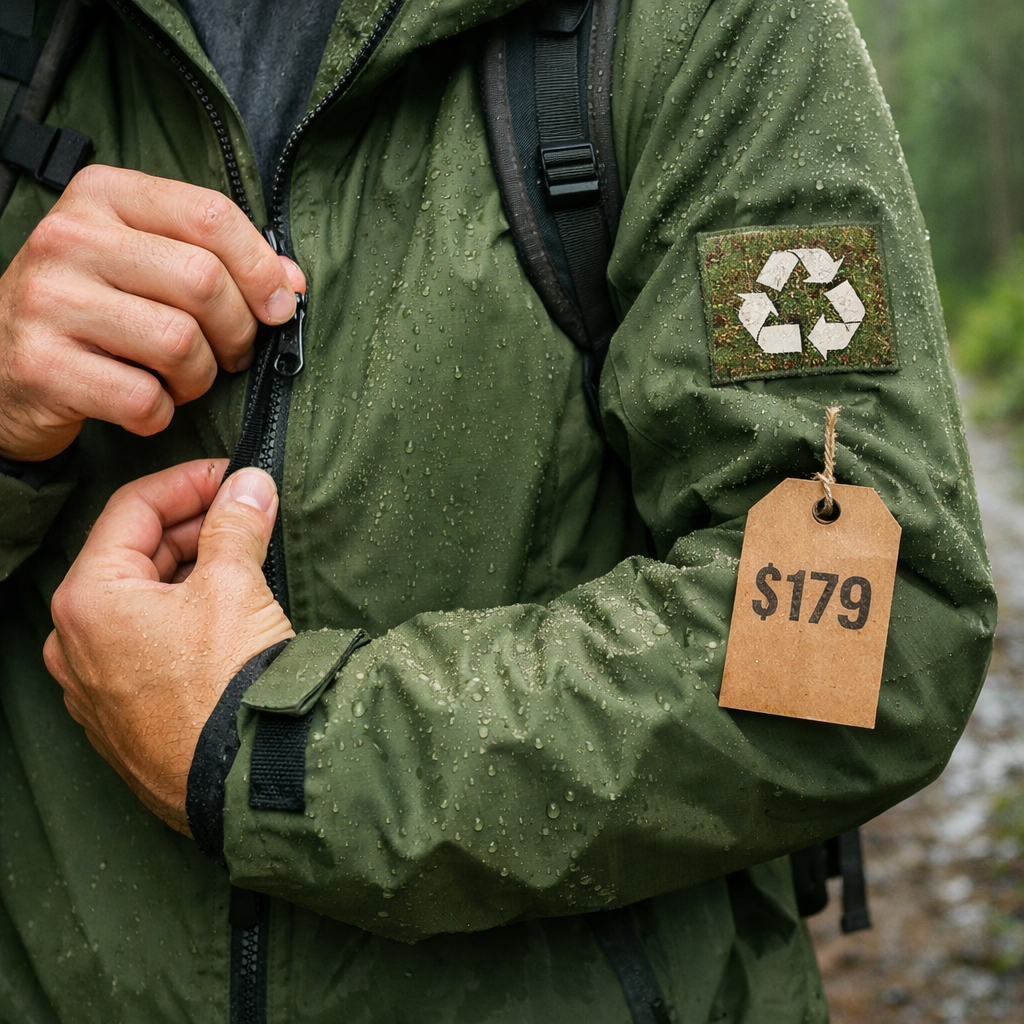
Where to Buy Affordable Sustainable Rain Jackets Under $200
Where to Buy Affordable Sustainable Rain Jackets Under $200
Looking for an eco-friendly rain jacket under $200? You have more good options than ever—from REI Co-op house-brand shells to sale-priced Patagonia and ultrabudget newcomers like Quince. The sweet spot: 2–2.5-layer jackets with PFAS-free DWR, recycled fabrics, sealed seams, and simple venting, plus solid warranties. Shop sales, outlet pages, and certified used markets to stretch your budget into higher-spec, longer-lasting shells. Below, we share exactly where to buy (new and used), how to verify sustainability claims, and what features matter most so you can stay dry on casual hikes, school runs, and rainy commutes—without stress.
Hiking Manual
Hiking Manual’s approach is comfort-first, beginner-forward, and low-stress. We recommend gear that’s easy to wear, easy to pack, and built to last.
For rain jackets, we prioritize a relaxed fit that layers well, scalable protection you won’t overheat in, and long-term value through repairability and reputable warranties. When you’re dialing packability and comfort, consider pairing your jacket with a compact daypack and a simple pacing-and-recovery plan for family-friendly outings.
How to shop sustainably under $200
Think in trade-offs: construction, features, and sustainability. Your goal is durable, breathable protection with verifiable eco standards—without overspending.
A quick buying flow:
- Define your use: city commuting, casual hikes, or high-exertion days.
- Pick construction: 2–2.5-layer for value and light use; 3-layer near the $200 line for frequent storms.
- Verify eco credentials: PFAS/PFC-free DWR, recycled content, Bluesign or OEKO-TEX, and Fair Trade or B Corp notes.
- Hunt deals: outlets, seasonal sales, and certified used sections often beat MSRP.
- Confirm must-have features: pit zips, fully taped seams, adjustable hood/hem/cuffs, and packability. Use Hiking Manual’s buyer’s checklist below to sanity-check picks.
Sustainable choices are increasingly affordable—recycled fabrics and PFAS-free finishes are now common in budget jackets and secondhand picks alike, with many strong options under $200 as highlighted by The Good Trade’s PFAS-free roundup (The Good Trade’s PFAS-free roundup).
What to look for in a rain jacket
Buyer’s checklist:
- Fit and comfort: relaxed but trim enough to layer; no hem lift when reaching.
- Weatherproofing: taped seams, storm flap or water-resistant zippers, and a hood with a firm brim.
- Breathability aids: pit zips or core vents; mesh-lined pockets help.
- Materials: recycled face fabrics, PFAS/PFC-free DWR.
- Build: 2–2.5-layer for affordability and packability; 3-layer for durability and frequent rain.
- Adjustability: hood, cuffs, and hem to seal out drafts.
- Warranty and repair: transparent policies and take-back programs.
Quick comparison by use case:
| Use case | Construction | Key features | Typical price | Sustainability cues |
|---|---|---|---|---|
| City commuting | 2–2.5L shell or PU raincoat | Adjustable hood, hand pockets, longer hem | $70–$150 | PFAS-free DWR or PU, recycled fabric |
| Casual day hikes | 2.5L shell | Pit zips, taped seams, packable | $90–$150 | Recycled face, PFAS-free DWR, OEKO-TEX |
| Wet shoulder seasons | 3L shell (on sale) | Stiffer brim, full adjusters, durable zips | $150–$200 | Recycled nylon, Fair Trade, Bluesign |
| High exertion | Ultralight 2–2.5L or minimalist 3L | Venting, light pack size, trim fit | $120–$200 | PFAS-free DWR, Bluesign fabrics |
Waterproofing and breathability basics
Waterproof rating (mm) is a lab measure of how much water pressure fabric withstands before leaking; for hiking, 10,000–20,000 mm is common. Breathability indicates how well sweat vapor escapes, which determines comfort during activity. For context, Marmot’s PreCip Eco lists around a 10,000 mm rating—adequate for casual hikes if features match your climate, and many newer jackets now use PFAS/PFC-free DWR that may need more periodic maintenance but avoid persistent chemicals (Treeline Review’s lightweight jacket guide).
Construction trade-offs
2–2.5-layer shells bond a waterproof membrane to a face fabric with a printed or partial backer. They’re lighter and cheaper but can feel clammy and may be less durable. 3-layer builds sandwich the membrane between a protective face and liner for better durability and comfort.
Expect most $100–$200 jackets to be 2–2.5-layer, with a few 3-layer deals near $200; Patagonia’s Torrentshell 3L (often in the $179–$199 range) is a standout value with a 100% recycled nylon face and Fair Trade Certified sewing, according to GearJunkie’s 2024 roundup (GearJunkie’s 2024 best rain jackets).
Ventilation and fit for layering
Venting is your budget breathability upgrade. Pit zips and mesh-lined pockets dump heat quickly, and a slightly roomier cut layers over a midlayer without binding. REI Co-op’s Rainier illustrates the formula: pit zips, taped seams, and easy adjusters to boost comfort; just match expectations to conditions because lighter shells can wet out in sustained downpours. Helly Hansen’s Loke 2.0 similarly adds pit zips, an adjustable hood, and vents around the $120 mark—handy for active days. At Hiking Manual, we prioritize pit zips and a dialed fit over extra pockets at this price.
Durability and repairability
Look for robust zippers, fully sealed seams, and face fabrics that resist abrasion. Simple, field-repairable designs extend life. Patagonia’s Torrentshell 3L pairs a recycled nylon face with responsible sewing practices, signaling durability and accountability, and many brands now offer clear repair or warranty support—at Hiking Manual, we see this as value that matters on a budget.
Verify eco credentials
Use this quick verification list to separate substance from spin:
- PFAS/PFC-free DWR labeled clearly
- Recycled content with specifics (e.g., 100% recycled face fabric)
- Bluesign or OEKO-TEX status for safer chemistry
- Fair Trade Certified or B Corp disclosure for labor and governance
- Repair, take-back, or used-resale programs for circularity
Recycled materials and responsible dyes
Recycled content means using post-consumer or pre-consumer inputs—like bottles or industrial scraps—to reduce virgin fossil-fuel use and waste. Jackets with recycled nylon or polyester faces meaningfully cut impact; Patagonia’s Torrentshell 3L, for example, uses a 100% recycled nylon face as cited in major gear roundups.
PFAS and PFC free finishes
PFAS/PFC-free DWR refers to water-repellent finishes that avoid per- and polyfluoroalkyl substances linked to environmental persistence. They may require more frequent reproofing, but they trade a bit more upkeep for safer chemistry. Many new rain shells—budget included—now advertise PFAS-free DWR, and value picks like Quince list PFC-free finishes on select OEKO-TEX styles.
Third party certifications
Bluesign certification verifies that fabrics meet strict, independent standards for environmental and consumer safety across manufacturing. OEKO-TEX Standard 100 indicates textiles have been tested for harmful substances and meet safety limits. For example, Mammut’s Alto Light is both PFAS-free and Bluesign approved, underscoring responsible chemistry and production (Terradrift’s sustainable jacket picks).
Brand repair and take back programs
Seek brands with robust repair and buy-back programs to extend garment life. Patagonia’s longstanding repair ethos and lifetime Ironclad Guarantee add long-term value that budget buyers appreciate (CNN Underscored’s rain jacket picks). Many labels now run take-back or used marketplaces—an easy way to save money and reduce waste.
Best places to buy new under $200
Compare MSRP to sale prices—holiday and end-of-season promos routinely push reputable jackets under $200. Here’s a quick-hit table before we dive into brand notes:
| Brand | Typical price under $200 | Eco highlights | Best for | Notable features |
|---|---|---|---|---|
| REI Co-op | $70–$189 | PFAS-free DWR on many, recycled fabrics | Budget beginners | Pit zips (Rainier), 3L value (XeroCloud) |
| Patagonia | $179–$199 (new); lower on sale | 100% recycled nylon, Fair Trade sewing | Wet shoulder seasons | 3L comfort, solid warranty |
| Marmot | $90–$120 | PFC-free DWR, recycled content | Spring/summer hikes | Light, packable, core vents/pit zips |
| Columbia | $80–$120 | Value-focused, some recycled inputs | Everyday wear | Packable shells, simple adjusters |
| Helly Hansen | $120–$150 | PFC-free finishes on select models | Active commutes | Pit zips (Loke), urban-friendly PU coats |
| Outdoor Research | $170–$180 | Bluesign fabrics on many lines | Minimalist hikers | Ultralight Helium packability |
| Black Diamond | ~$189 | Recycled/stretch fabrics on select | Mixed weather | Travel-ready, light mountain DNA |
| Cotopaxi | $125–$170 | Recycled polyester | Everyday-to-trail | Bold colors, approachable fits |
| Quince | ~$45–$100 | OEKO-TEX, PFC-free DWR on some | Light-use, travel | Ultra-budget, simple shells |
REI Co-op
REI Co-op balances price and function with frequent sales—great for first-time buyers. The XeroCloud 3L often hovers around $189 for storm-ready comfort, while the Rainier around $100 delivers pit zips and full adjustability for casual hikes; Trailmade models sometimes dip near $70 during promos (CleverHiker’s rain jacket roundup).
Patagonia
Patagonia’s sustainability leadership and warranty support make sub-$200 buys, especially on sale, high-value and long-lasting. Torrentshell 3L commonly lists around $179–$199 with a 100% recycled nylon face and Fair Trade Certified sewing—excellent for wet, windy shoulder seasons.
Marmot
Marmot’s PreCip Eco is a classic budget eco-pick with a PFC-free DWR and roughly a 10,000 mm waterproof rating—solid for day hikes and shoulder-season errands. It’s a light, packable shell that shines in spring and summer squalls.
Columbia
Columbia delivers reliable, packable shells under $120 for everyday protection. The Watertight II (men’s) and Arcadia II (women’s) typically sit near $100 and excel for city wear and light trails; Helly Hansen’s Moss Raincoat, another urban staple, uses PFC-free polyurethane and often sits near $130 in the same everyday lane (Wirecutter’s everyday rain jacket guide).
Helly Hansen
Feature-forward budget options with performance touches. The Loke 2.0 runs about $120 with pit zips and hood adjustments for active days; the Moss Raincoat’s PU construction favors urban waterproofing with a classic look.
Outdoor Research
Technical protection near the top of the budget. The Helium sits around $170–$180—ultralight and packable for minimalist hikers and trail travelers. Trade-offs: fewer vents on some versions, so match activity level and climate.
Black Diamond
Stretchy, lightweight shells with mountain DNA. The Fineline Stretch typically runs around $189 and packs down small for travel and variable shoulder-season weather.
Cotopaxi
Colorful, recycled materials at approachable prices. Many Cotopaxi rain jackets use recycled polyester and start around $125, bridging everyday wear and trail use with easygoing fits.
Quince
Ultra-budget eco options ideal for light use or travel. Select rain shells start around $45, with OEKO-TEX and PFC-free DWR on some styles—exceptional value for tight budgets (The Good Trade’s PFAS-free roundup).
Best places to buy used and outlet deals
Secondhand and outlet channels help you land higher-spec jackets for less while shrinking your footprint. Be patient, set alerts, and stay flexible on color.
Step-by-step:
- Check brand outlets and seasonal sales to snag 3L and premium models under $200.
- Set price-drop alerts and browse certified used sections weekly.
- Verify condition: look for intact seam tape, smooth zippers, and bead-up DWR.
- Confirm return policies before committing. Use Hiking Manual’s checklist above to double-check features before you buy.
Brand outlets and seasonal sales
Major brands and outdoor retailers routinely discount reputable models below $200 during clearance, holiday, and end-of-season windows. Compare sizes and past-season colors to maximize savings.
Patagonia Worn Wear
Patagonia’s Worn Wear frequently lists Torrentshell and similar shells under new MSRPs, with quality checks and repairs where needed—an easy circular option with brand-backed support.
REI Re/Supply
REI’s Re/Supply marketplace is beginner-friendly, with clear condition grades and return policies. Look for Rainier, XeroCloud, and similar shells; always cross-check features like pit zips and hood adjusters for your activity level.
Local gear consignment shops
Try on in person to confirm layering room and range of motion. Bring a midlayer and a cap or helmet to test hood fit; inspect seam tape, DWR beading, and zipper function. Budget for a PFAS-free reproofing if water no longer beads.
Match the jacket to your use case
City commuting and travel
- Choose 2–2.5-layer shells or PFC-free polyurethane coats for all-day drizzle. Examples: Columbia Watertight/Arcadia (
$100) and Helly Hansen Moss Raincoat ($130). - For short urban use, wool or waxed cotton can be sustainable alternatives, though heavier and less packable.
Casual day hikes and family outings
- A budget-friendly 2.5-layer with pit zips, sealed seams, and an adjustable hood hits the mark; REI Rainier (~$100) is a solid, packable pick.
- Marmot PreCip Eco, with PFC-free DWR and about 10,000 mm waterproofing, suits variable spring/fall weather.
Wet and windy shoulder seasons
- Step up to a 3-layer shell when possible. Patagonia’s Torrentshell 3L (~$179–$199 on sale) improves comfort in sustained rain and wind.
- Prioritize cuff/hem/hood adjusters and a taller collar to block drafts.
High exertion hikes and trail runs
- Go ultralight with strategic venting. Outdoor Research Helium (
$170–$180) or Black Diamond Fineline ($189) pack tiny for carry-all-day trips. - Keep features minimal to save weight, but don’t skip venting if you run hot.
Fit, comfort, and packability tips for beginners
Three-step try-on:
- Wear a midlayer, raise your arms, and crouch; the hem shouldn’t ride up and sleeves should still cover your wrists.
- Cinch hood, cuffs, and hem; confirm clear peripheral vision and no chin rub.
- Stow the jacket in its pocket or a 2–3 L stuff sack and drop it in your daypack to test packability.
Notes:
- Some budget shells feel muggy in humid rain; pit zips help a lot.
- Lighter 2–2.5-layer shells usually pack smaller than many 3-layer builds.
Care that extends jacket life
Simple cadence:
- Wash when visibly dirty or when wet-out starts; then tumble dry low if allowed to revive DWR.
- Reapply a PFAS-free DWR when beading fades; spot-repair seam tape and zippers early.
Good care reduces microfiber shedding and keeps synthetic, fossil-derived garments in service longer. Minimize over-washing and consider a filter or bag that captures microfibers to cut pollution, an approach sustainability writers consistently recommend (The Guardian’s sustainable raincoat guide).
Low stress buying checklist
- Budget cap: $200; check sale and used options first.
- Use case: city, casual hikes, shoulder seasons, high exertion.
- Construction: 2–2.5L for budget/light use; 3L near $200 for frequent storms.
- Features: pit zips, taped seams, adjustable hood/hem, durable zips, hand pockets.
- Eco: PFAS/PFC-free DWR, recycled content %, Bluesign/OEKO-TEX, Fair Trade/B Corp.
- Fit/comfort: layering room without bulk, hood compatibility, pack size.
- Warranty/repair: confirm brand support; prefer take-back/used programs. Hiking Manual uses this same flow when we evaluate budget shells.
Frequently asked questions
Are PFAS free rain jackets waterproof enough for hiking?
Yes. At Hiking Manual, we find modern PFAS-free jackets use robust membranes; plan for more frequent reproofing and choose smart features for your climate.
What waterproof rating should I aim for on a budget?
Hiking Manual recommends 10,000–20,000 mm for casual hikes; around 10,000 mm covers most day hikes, while higher helps in sustained, wind‑driven rain.
Is a 3 layer jacket worth it under $200?
If you see frequent storms or want better durability and comfort, a sale-priced 3L is worth it. Otherwise, Hiking Manual steers budget buyers to a well-vented 2.5L for fair-weather trips.
How do I size a rain jacket for layering without excess bulk?
Hiking Manual’s rule of thumb: try it on with your midlayer, raise your arms, and cinch the hood and hem—aim for a trim-but-mobile fit with no hem lift and covered wrists.
What is the best way to restore water repellency without harsh chemicals?
Hiking Manual recommends washing per label, then applying a PFAS-free spray-on or wash-in DWR; tumble dry low if allowed to help the finish bond and revive beading.