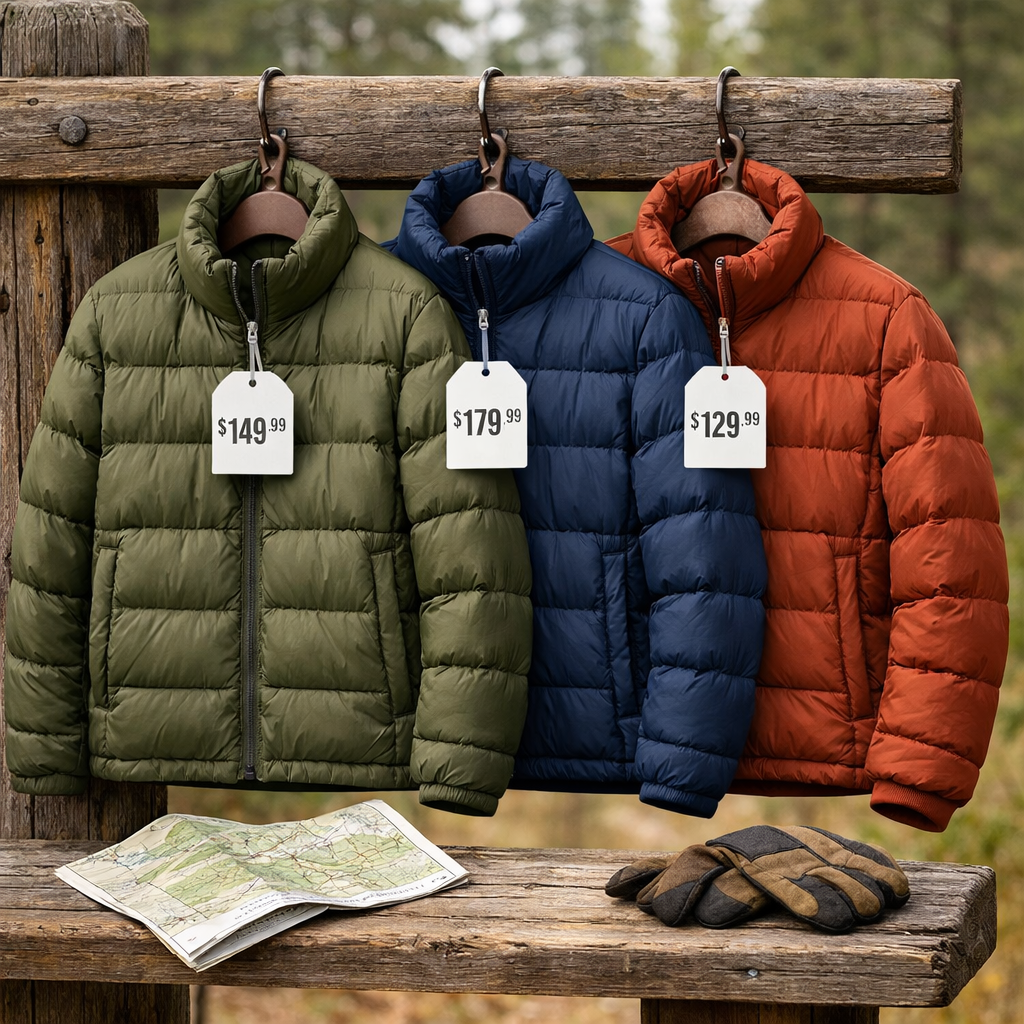
Verified Picks: Durable Puffer Jackets Under $200 From Trusted U.S. Stores
Verified Picks: Durable Puffer Jackets Under $200 From Trusted U.S. Stores
If you’re seeking high-quality puffer jackets under $200, this guide curates reliable options from trusted U.S. stores and shows you how to choose based on climate and activity. At Hiking Manual, we prioritize trail-ready layers with clear specs and dependable retailer support. We define “trusted” as national retailers and online stores that publish transparent specs, host verified reviews, and back purchases with clear return policies—think REI’s member satisfaction guarantee within a year, a policy frequently highlighted in expert buying advice like Wirecutter’s insulated jacket guide (and a strong cue you’re shopping the right channels). Prefer dry, cold hiking or travel? Prioritize down for warmth-to-weight and packability. Expect damp, variable weather? Lean synthetic for resilience when wet. Below, our vetted picks, the spec cues that matter, and where to score value—including outlets and used-gear programs.
Hiking Manual picks and how we tested
We screened budget puffer jackets using measurable criteria: minimum listed insulation spec (for down, a baseline 650-fill), a water-resistant or DWR-treated shell, secure zippers and pockets, and robust stitching/baffling to prevent cold spots. We compared warmth-to-weight, fit over midlayers, packability, and real-world durability signals from verified reviews. We also checked retailer safeguards, including REI’s 100% satisfaction guarantee for members (returns within a year), as widely referenced by experts in Wirecutter’s insulated jacket guide (a marker of a “trusted store”). We weight trail reliability over trend features when picks are close.
Fill power explained (40–50 words): Fill power measures how much loft (and thus warmth-to-weight) down provides; higher numbers (e.g., 650–850) trap more air per ounce and feel warmer for the weight. It’s not the whole story—total fill amount, baffle design, and shell fabric also drive overall warmth.
Quick spec snapshot of our finalists:
- Insulation/Fill: type and key warmth indicator where listed
- Shell/DWR: weather resistance and fabric cues
- Features: practical touches that add comfort and usability
- MSRP: typical list price under $200
- Best use: where the jacket excels
| Jacket | Insulation/Fill | Shell/DWR | Notable features | MSRP | Best use |
|---|---|---|---|---|---|
| REI Co-op 650 Down Jacket | 650-fill-power RDS-certified down | Nylon shell with DWR | Zip hand pockets; packable | $129 | Shoulder-season hikes, daily wear |
| Decathlon Simond MT100 | ~800-fill-power down | Lightweight nylon with DWR | Packs into its own pocket | ~$119 | High warmth-to-weight on a budget |
| Uniqlo Ultra Light Down | Lightweight down | Water-resistant finish | Packable; secure pocketing | $129.90 | Travel and urban layering |
| Columbia Pike Lake II Cropped | Synthetic, recycled polyester | Polyester shell (verify DWR) | Stays warmer when damp | Typically < $200 | Wet/mixed shoulder season |
| Amazon Essentials Midweight Cocoon | Synthetic | Water-resistant polyester | Sherpa-lined pockets | < $65 | Casual wear, light outdoor use |
What to look for in a durable puffer under $200
Specifications that matter:
- Insulation spec: For down, target 650-fill in this price tier; for synthetic, look for named insulations or recycled content and a credible warmth claim.
- Shell protection: A DWR finish or water-resistant shell (Pertex or ripstop nylon where noted) to shed light precipitation.
- Baffling and stitch quality: Even, secure baffles reduce cold spots and down migration.
Construction details to prioritize:
- Clean, reinforced seams; zippers that track smoothly; cuffs and hems that seal drafts.
- Practical comforts often found in budget puffers—like fleece-lined pockets and detachable hoods with hidden zips or Velcro reinforcements—improve everyday usability, as highlighted in an independent puffer review.
Value cues before you buy:
- Retailer guarantees and return windows, verified long-term reviews, and notes on DWR retention and seam durability at this price point.
- Hiking Manual weighs these signals more than brand-name hype when value is the priority.
Keywords to scan: durable puffer, DWR coating, ripstop shell, baffled construction, packable puffer jacket.
Where to buy quality puffers under $200 in the U.S.
Start with retailers that publish full specs and stand behind sales. REI consistently lists sub-$200 options like the REI Co-op 650 Down Jacket at around $129 and backs members with a broad satisfaction guarantee. For strong warmth-to-weight at low prices, Decathlon’s Simond MT100 (~$119, ~800-fill) is a standout value. Uniqlo’s packable down regularly sits at $129.90 and is stocked nationwide. On the lowest-cost end, Amazon Essentials offers sub-$65 water-resistant picks with comfort features. Hiking Manual favors sellers with transparent specs, verified reviews, and clear return policies.
REI Co-op 650 Down Jacket
Why it’s a benchmark: At $129, the REI Co-op 650 Down Jacket delivers 650-fill-power, RDS-certified down with a DWR-treated shell and a member-backed, 100% satisfaction guarantee (returns within a year). It’s a dependable budget down jacket for moderate cold, daily wear, and shoulder-season hikes. Versus pricier ultralight models, you trade a bit of weight and premium shell fabrics, but value and retailer support are excellent.
Decathlon Forclaz and Simond Insulated Jackets
For warmth-to-weight under $200, the Simond MT100 is hard to beat: roughly 800-fill-power down around $119, compressing into its own pocket—a budget setup praised for packability and punchy warmth in Surf Outlook’s 2026 puffer guide. Decathlon’s fit often runs about one size smaller than many U.S. brands; check size charts and reviews. Common trade-offs include fewer interior pockets or hem cinches, but the core performance per dollar is outstanding.
Uniqlo Ultra Light and Hybrid Down Jackets
Uniqlo’s Ultra Light Down line is a reliable, widely available pick for everyday warmth and travel at $129.90. Expect true packability, a basic water-resistant finish, and secure pocketing. In colder climates, layer it over a midweight fleece or under a weatherproof shell to extend its comfort range, making it an easy travel puffer jacket choice noted in Yahoo Shopping’s puffer coverage.
Columbia budget insulated jackets
If you see frequent drizzle or wet snow, Columbia’s synthetic puffers are well-suited, durable options. The Pike Lake II Cropped uses a 100% recycled polyester shell and insulation—synthetic fibers that retain warmth better when damp than untreated down—positioning it well for town-to-trail in mixed conditions. Confirm DWR in the product specs. This value-focused approach is highlighted in Today’s broader puffer roundup.
Amazon Essentials insulated jackets
For the lowest-cost everyday warmth, Amazon Essentials’ Midweight Cocoon Puffer typically comes in under $65, combining a water-resistant shell with Sherpa-lined pockets and strong user ratings on select heavyweight models. Prioritize verified reviews and confirm return policies; if you want a style-forward step-up, brands like Orolay have amassed substantial five-star totals, as cataloged in Today’s Amazon puffer picks.
Used and outlet buys worth checking
Stretch your budget by scanning outlet sections and used gear for last-season gems. Inspect baffle integrity (no cold spots), zipper smoothness, and the condition of the DWR (water should bead, not soak). Favor retailers with return windows or authenticity checks; REI’s member program and policies can mitigate risk when buying used or outlet models. Hiking Manual typically applies the same checklist to used buys as to new.
Down vs synthetic for budget warmth
Down insulation uses clusters from ducks or geese to trap air, delivering exceptional warmth-to-weight and compressibility. Synthetic insulation uses engineered fibers that mimic loft, holding heat better when damp and often costing less at budget price points. As summarized by Wirecutter and Surf Outlook, down excels in dry cold, while synthetic shines in wet, variable weather.
Comparison at a glance:
| Attribute | Down | Synthetic |
|---|---|---|
| Warmth-to-weight | Excellent; best for packability | Good; typically heavier for the same warmth |
| Wet-weather performance | Loses loft when soaked unless treated | Retains warmth better when damp |
| Packability | Compresses very small | Bulkier when packed |
| Typical price under $200 | Strong values at 650-fill | Very competitive; more features at price |
| Best use cases | Dry, cold hikes; travel layering | Wet shoulder season; town-to-trail use |
Fit, sizing, and layering guidance
- Consider sizing up for midlayer clearance in boxy or cropped silhouettes; Decathlon commonly runs about one size smaller than many U.S. brands—check charts and reviews.
- Fit test: Put on a midlayer, zip fully, and raise your arms overhead. If the hem stays put over your lower back and no cold gaps appear at shoulders or waist, you’ve got the right layering system.
Weather protection and shell durability
DWR defined (40–50 words): Durable Water Repellent is a factory-applied finish that makes water bead on fabric, delaying saturation and improving comfort in light precipitation. It is not waterproof. With wear and washing, DWR degrades and must be cleaned and re-treated to restore performance.
Shell cues to prioritize:
- Water-resistant shells like Pertex and tightly woven ripstop nylon for abrasion resistance and wind blocking.
- Many well-reviewed jackets pack into a stow pocket, a portability feature common in Travel + Leisure’s down jacket guide and echoed in Wired’s puffer jacket guide.
- Practical weather details: secure hoods, adjustable hems, and fleece-lined pockets add real warmth and usability in budget picks.
Care and repair to extend jacket life
- Cleaning: Follow the label, wash gently, then dry thoroughly to restore loft. For down, tumble dry on low with clean tennis balls or dryer balls to break up clumps. Reapply DWR after several washes or when water stops beading.
- Quick fixes: Patch small tears with repair tape, replace tired zipper sliders, and re-stitch loose baffles early to prevent down migration and cold spots. Many budget jackets include interior hanging loops that speed drying and storage.
Value snapshot and recommendations
| Pick | Price | Key spec | Notable | Best for |
|---|---|---|---|---|
| REI Co-op 650 Down Jacket | $129 | 650-fill, RDS | Member guarantee | Dry-cold day hikes, daily wear |
| Decathlon Simond MT100 | ~$119 | ~800-fill | Packs into pocket; runs small | Maximum warmth-to-weight on a budget |
| Uniqlo Ultra Light Down | $129.90 | Packable down | Travel-friendly | Travel and urban commutes |
| Columbia Pike Lake II Cropped | < $200 | Synthetic, recycled | Warmer when damp | Wet shoulder season, town-to-trail |
| Amazon Essentials Midweight Cocoon | < $65 | Synthetic | Water-resistant; Sherpa pockets | Beginner kit build, casual warmth |
Quick-buy flow:
- Choose insulation for your climate (down for dry cold; synthetic for wet).
- Confirm specs (fill power or credible synthetic, DWR).
- Check sizing and layering room.
- Verify warranty/returns.
- Buy.
Frequently asked questions
How durable are puffer jackets under $200 for hiking and travel?
Many budget puffers hold up for daily wear and moderate hiking when they have solid baffling, DWR shells, and secure zippers. Check verified reviews and buy from major retailers with clear guarantees; that’s the bar Hiking Manual uses.
Is down or synthetic better if I expect wet conditions?
Choose synthetic for wet, variable weather because it retains warmth when damp and is often more affordable. Use down in cold, dry climates for superior warmth-to-weight and packability—Hiking Manual’s simple rule of thumb.
What fill power or insulation spec should I target at this price?
Aim for 650-fill down or a quality synthetic insulation; that’s Hiking Manual’s baseline. Fill power signals loft and warmth-to-weight, but total fill, baffle design, and shell fabric also affect overall warmth.
How should a puffer fit for layering without cold spots?
It should allow a midlayer without compressing insulation. When zipped, lift your arms—if the hem stays down and you don’t feel gaps at shoulders or waist, the fit is right; it’s the quick check we use at Hiking Manual.
How do I wash and restore loft and DWR on a budget puffer?
Wash gently per the label, dry fully (down: low heat with clean tennis balls), and reapply DWR when water stops beading. Patch small tears early to prevent down loss and maintain warmth—Hiking Manual’s go-to maintenance move.