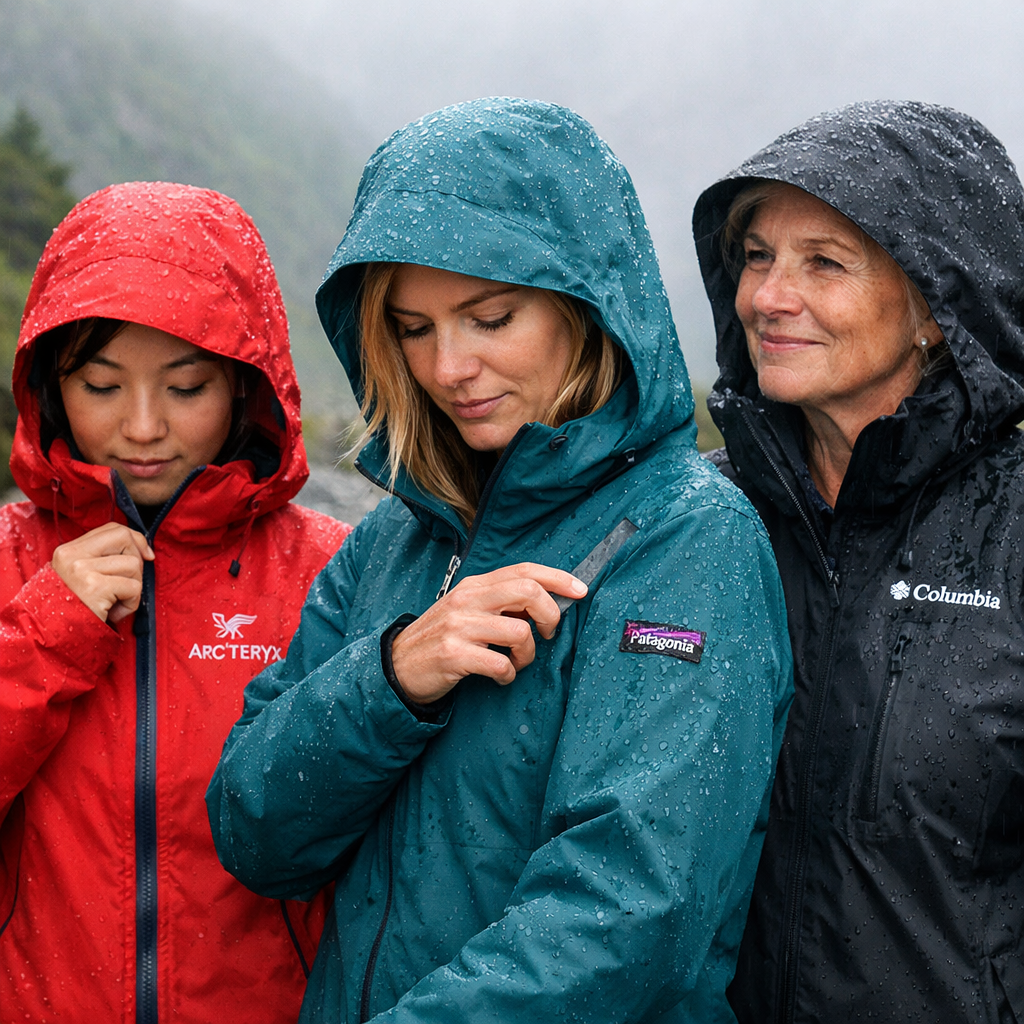
Trusted Outdoor Brands for Weatherproof Women’s Jackets, Editor-Tested Picks
Trusted Outdoor Brands for Weatherproof Women’s Jackets, Editor-Tested Picks
At Hiking Manual, “weatherproof” means a jacket blocks wind, sheds rain and snow, and keeps you comfortable across shifting conditions. “Waterproof” adds fully sealed seams and a tested membrane that prevents water ingress under pressure. For fall, prioritize rain and wind resistance with breathability. For winter, you need a sturdier shell that pairs cleanly over warm midlayers for snow, spindrift, and long, cold hours on trail. “Hydrostatic head (HH) is a lab test that measures water resistance in millimeters; for serious walking or hiking, aim for 20,000mm HH or higher.” See the MSN tester roundup for context on ratings and use in the wild.
Our editor-tested picks span women’s waterproof jackets, winter hiking jackets, and budget women’s rain jackets: Helly Hansen Odin 9 World Infinity is a premium, stormproof 3-layer shell; Montane Phase is a wired-hood Gore‑Tex bruiser for winter; Rab Kangri is protective and breathable with pit zips; Patagonia Granite Crest is a light, stuffable 3-layer H2No; Outdoor Research Aspire 3L is a do-most-things shell with standout value; Black Diamond Fineline Stretch is a packable 2.5-layer bargain; Decathlon Quechua MH500 is a credible 3-layer budget shell; Columbia Saudan Pro is the heavy-duty, most-protective option. For green chemistry, look for PFC-free DWR, and remember editor-tested rain jackets always hinge on real-world hood performance and fit.
Comparison at a glance
| Jacket | Layer/Membrane | Weight | Standout Features | Best For | Price Band |
|---|---|---|---|---|---|
| Helly Hansen Odin 9 World Infinity Shell | 3L LIFA INFINITY PRO | — | Premium storm protection, highly adjustable hood | Winter mountains, multi-hour rain | Premium |
| Montane Phase | 3L Gore‑Tex | 427g / 15oz | Wired peak hood, long hem, very storm‑proof | Winter hiking/scrambling | Premium |
| Rab Kangri Gore‑Tex | 3L Gore‑Tex | 465g | Pit zips, protective face fabric | All‑day rain; hot hikers | Premium |
| Patagonia Granite Crest | 3L H2No | ~366g / 13oz | Breathable, stuffs into pocket | Shoulder seasons, travel | Mid–Premium |
| Outdoor Research Aspire 3L | 3L waterproof/breathable | — | Best Overall acclaim, versatile venting; matching pants | Trail-to-town versatility | Mid |
| Black Diamond Fineline Stretch | 2.5L BD.dry | 9.5oz | Stretchy, very packable | Day hikes, fastpacking | Budget |
| Decathlon Quechua MH500 | 3L proprietary | ~15oz | 25,000mm HH, RET 6, four pockets | Budget, storm‑ready | Budget |
| Columbia Saudan Pro | 3L waterproof/breathable | 15.1oz | Most protective build, durable face | Severe weather, wet snow | Mid |
Hiking Manual
We prioritize practical performance you’ll feel on trail: seam-sealed weather protection, secure, storm-stable hoods, and clean layering over fleece or light puffies without shoulder pull. Our fit-first advice is built from testing shells under real packs and on varied terrain, just like we evaluate backpacks and tents for value and longevity. Expect clear tradeoffs, size notes, and price-to-performance picks for beginner–intermediate hikers and budget-conscious backpackers. Below, we distill the jackets we’d actually hike in—and where to buy them smartly, including timing sales and navigating returns.
Helly Hansen Odin 9 World Infinity Shell
Helly’s Odin 9 World Infinity is a premium, mountain-ready 3-layer LIFA INFINITY PRO shell with standout storm protection and dialed fit. In expert testing, it earned a 4.5 rating with a tested price of £385 (RRP £550), praised for severe-weather composure, a fully adjustable hood, and reliable face fabric that shrugs off wind-driven rain on exposed terrain. The design is ideal for winter mountains and multi-hour rain when you need a shell that layers cleanly over a fleece or lightweight belay puffy. Tradeoffs are clear: it’s expensive, heavier than ultralight options, and prioritizes mountain-ready features over tiny pack size. Source: Live For The Outdoors’ best waterproof jackets (women’s).
Montane Phase
The Montane Phase leans into storm discipline: a 3-layer Gore‑Tex build, stiff wired peak hood that stays shaped in crosswinds, and a longer hem that reduces water ingress when you’re moving under a pack. At 427g (15oz), testers found it “very storm-proof,” awarding an overall 4.5 with a 5.0 for performance. It’s a dependable choice for winter hiking, scrambling, and backpacking where gusts, spindrift, and rime ice push lesser shells around. For fit, size to accommodate a fleece or light puffy, confirm the hem clears your hip belt, and check cuff/hem adjusters to seal out wind and sleet. Source: Live For The Outdoors.
Rab Kangri Gore-Tex
Rab’s Kangri is a protective Gore‑Tex shell with real-world breathability and trail-friendly pit zips, making it a strong pick for all-day rain on rugged trails. Testers noted occasional front-zip snagging and rare seepage to monitor during sustained, wind-driven showers. The stiffer face fabric ups protection but reduces drape and softness, so expect a purposeful feel rather than a casual, flowy fit. Hot-running hikers will appreciate the venting options on climbs, especially under a pack. Source: Live For The Outdoors.
Patagonia Granite Crest
Granite Crest is Patagonia’s breathable, packable 3-layer H2No shell that stuffs into its own pocket and weighs roughly 366g (13oz). It’s an easy-wearing choice for mixed-weather hiking and travel, especially in shoulder seasons when you want comfort and compact carry. Expect to maintain the DWR more frequently than Gore‑Tex competitors; build a routine of washing and renewing the finish to keep beading and breathability high. Pair with a warm midlayer for winter mileage. Source: Live For The Outdoors.
Outdoor Research Aspire 3L
A “do-most-things” jacket that slides from trail to town, the Aspire 3L earned Best Overall honors in Backpacker’s 2026 women’s rain jacket tests, and it has matching rain pants for one-stop outfitting. It balances dependable waterproofing, intuitive venting, and practical value, making it a strong first shell for hikers who want fewer decisions and more miles. Fit notes: confirm the hood adjusts over a beanie and that sleeve length stays put when using trekking poles. Source: Backpacker’s best women’s rain jackets.
Black Diamond Fineline Stretch
The Fineline Stretch is a standout for value seekers: a 2.5-layer BD.dry shell at just 9.5oz with moderate breathability. It was named a Best Value pick for hikers who want real storm chops without the bulk or price of a burly 3-layer. Expect less long-term durability than premium 3L shells, but plenty of protection for day hikes and travel. Use the stretch to your advantage for mobility, and ensure the hem doesn’t creep above your hip belt under load. Source: Backpacker.
Decathlon Quechua MH500
A rare budget 3-layer performer, the Quechua MH500 typically sells near $109 and posts lab-verified 25,000mm waterproofing with RET 6 breathability, four useful pockets, and a roughly 15oz trail weight. It’s excellent value for hikers who need true storm protection without premium pricing—a legit 3-layer budget shell for foul fall days and wet winter treks. Verify full seam taping and dial the hood adjustments; expect a slightly bulkier pack size than ultralight options. Source: GearJunkie’s women’s rain jackets roundup.
Columbia Saudan Pro
When protection trumps weight, the Saudan Pro is a fully featured, heavy-duty shell that testers listed as Most Protective, weighing 15.1oz (women’s small). It shines on exposed ridgelines, during winter storms, and in wet, gloppy snow where durable face fabric and full-coverage patterning keep you dry and moving. Tradeoffs: it’s heavier and bulkier in the pack—best for days you know will be wet wire-to-wire. Source: Backpacker.
How to choose the right weatherproof jacket for your use
Use this quick flow to match gear to your needs; it’s the same framework we apply in Hiking Manual field tests:
- Activity: commute, day hike, backpacking, alpine scrambles.
- Weather: season, temperature, wind, and duration of rain/snow.
- Shell type: 2.5-layer for lightness and cost; 3-layer for durability and consistent protection.
- Fit: room for midlayers, stable hood, hem coverage over a hip belt.
3-layer vs. 2.5-layer (45–50 words): A 3-layer jacket bonds face fabric, waterproof membrane, and a full liner for durability, consistent waterproofing, and comfort under abrasion. A 2.5-layer bonds a membrane to a partial printed or film backer to cut weight and cost, but typically sacrifices durability and long-term comfort in wet friction.
For serious hiking, aim for ≥20,000mm HH to handle extended, wind-driven rain while still balancing breathability through vents and fabric choice.
Match shell type to activity and season
- Shoulder-season day hikes: choose breathable, packable shells with venting—Patagonia Granite Crest or Black Diamond Fineline Stretch.
- Winter mountains/backpacking: pick durable 3-layer builds with wired/stiff hoods—Montane Phase or Helly Hansen Odin 9 World Infinity (as highlighted in expert testing).
- Budget but storm-ready: Decathlon Quechua MH500 offers 25,000mm HH in a 3-layer package.
Note on insulation: A shell plus midlayer is the most versatile setup for moving in cold. Reserve insulated parkas for low-output, static cold.
Fit and layering priorities for women hikers
Consider sizing up if you plan to layer under winter jackets, especially over fleece or light synthetic puffies, a point echoed in The Inertia’s women’s winter jackets guidance. Run this checklist:
- Reach test with trekking poles: sleeves stay sealed, shoulders don’t bind.
- Cuffs and hem: close snugly without cutting circulation.
- Hood: cinches over a beanie, brim doesn’t collapse in wind.
- Hem: clears your pack’s hip belt when walking and scrambling.
Our POV: torso length varies; don’t be afraid to prioritize function and fit over brand hype.
Waterproofing, breathability, and venting features to check
- Waterproof metric: a minimum 20,000mm HH is a solid threshold for exposed hikes.
- Must-have build features:
- Fully taped seams and a reliable main zipper; some testers noted occasional front-zip seepage on the Rab Kangri, so manage zipper flaps and reproof routinely.
- Venting: pit zips are invaluable; for example, Outdoorgearlab notes Patagonia’s Torrentshell 3L includes pit zips, which meaningfully boost comfort on climbs.
- Hood design: wired/brimmed peaks and multi-point adjustments—like the Montane Phase’s wired peak—keep rain off your face and preserve visibility in gusts.
- Breathability (45–50 words): Breathability (g/m²/24h, or RET) reflects how well water vapor escapes. Higher g/m² or lower RET indicates better moisture transfer. Real-world performance hinges on venting (pit zips), face fabric denier, and DWR integrity—when wetting out, fabrics stop moving vapor, making vents essential.
Sustainability and care considerations
- Lower-impact finishes: Patagonia’s Torrentshell 3L uses a PFC-free DWR on its 3-layer H2No fabric, signaling a broader industry shift toward safer chemistries.
- Membrane advances: Arc’teryx’s latest Beta models adopt Gore‑Tex ePE (a PFC-free membrane) in 3-layer builds, cutting persistent fluorochemicals without giving up protection, per Wirecutter’s everyday rain jacket coverage.
- Care matters: Some 3-layer alternatives like H2No tend to need more frequent reproofing than Gore‑Tex; plan regular wash-and-renew cycles to sustain beading and breathability.
If you’re dialing your full cold-weather system, see our take on base layers and how we balance weight and comfort in ultralight backpacks for longer trips.
Where to shop weatherproof women’s jackets for fall and winter
Prioritize verified specs (layer/membrane, HH, seam taping), inclusive sizing, fair return windows, and solid repair/warranty programs. The right retailer makes it easier to compare features, price tiers, and fits—and to exchange sizes after an at-home try-on.
- Retailer types to trust:
- Outdoor specialty shops: knowledgeable staff, robust size runs, and clear waterproof labeling.
- Brand-direct sites: the latest colorways and full spec sheets for models above; some offer lifetime repairs or trade-in.
- Large outdoor e-comm: broad selection, quick shipping, and frequent promos.
- Timing tips:
- Late fall and late winter bring clearance pricing on prior-season colors.
- Watch holiday promos and end-of-year inventory resets.
- If your size is common, buy early in-season; rarer sizes can disappear fast.
- Return/exchange checklist:
- Keep tags; test layering at home.
- Do a quick shower test to confirm seams and zipper flaps.
- Check hood fit over a beanie or climbing helmet.
- Confirm prepaid labels and turnaround time before you order.
Outdoor specialty retailers and brand sites
Look for stores and brand pages that publish HH, fabric/layer details, and note taped seams. Trying in-store helps you dial hood adjustments and confirm hem coverage over a pack. Cross-check with Hiking Manual’s fit notes in the picks above before you buy. Some models, like Outdoor Research’s Aspire, also sell matching rain pants, simplifying a one-stop purchase noted in Backpacker’s awards.
Budget-friendly retailers and seasonal sales
For consistent, sub-$200 value, Decathlon’s Quechua MH500 (~$109) is often in stock and offers lab-verified waterproofing and breathability. Shop late-fall and late-winter sales for closeouts on premium shells; snag previous-season colors for substantial savings. Even on sale, verify seam taping, pit zips, and DWR type.
Fit-first shopping tips for online orders
- Cross-check size charts with garment measurements; if adding a puffy or thick fleece for winter, consider sizing up.
- At-home try-on: reach and squat tests, mock pole use, adjust hood and cuffs; make sure sleeves and hem stay sealed.
- Verify return window, prepaid labels, and exchange timing before you commit.
This mirrors our in-house try-on process so you catch issues before the first storm.
Frequently asked questions
What waterproof rating should I look for in a women’s rain jacket?
Hiking Manual recommends at least 20,000mm hydrostatic head for sustained, wind-driven rain, plus pit zips or core vents to manage heat.
Is a 3-layer jacket worth it for hiking in wet, cold conditions?
Yes—if you’re out in sustained rain and wind; 3-layer builds are more durable and consistently waterproof than 2.5-layer options.
How should a women’s rain shell fit over midlayers and a backpack?
It should allow a fleece or light puffy without shoulder pull, cover the hip belt without riding up, and have a hood that cinches over a beanie.
What features matter most for all-day rain on the trail?
Fully taped seams, a reliable front zipper, a structured adjustable hood, and venting like pit zips for heat management.
How do I maintain and reproof a waterproof jacket?
Wash with a technical detergent, tumble dry low to revive DWR, and reproof when water stops beading—Hiking Manual follows this care routine in testing.