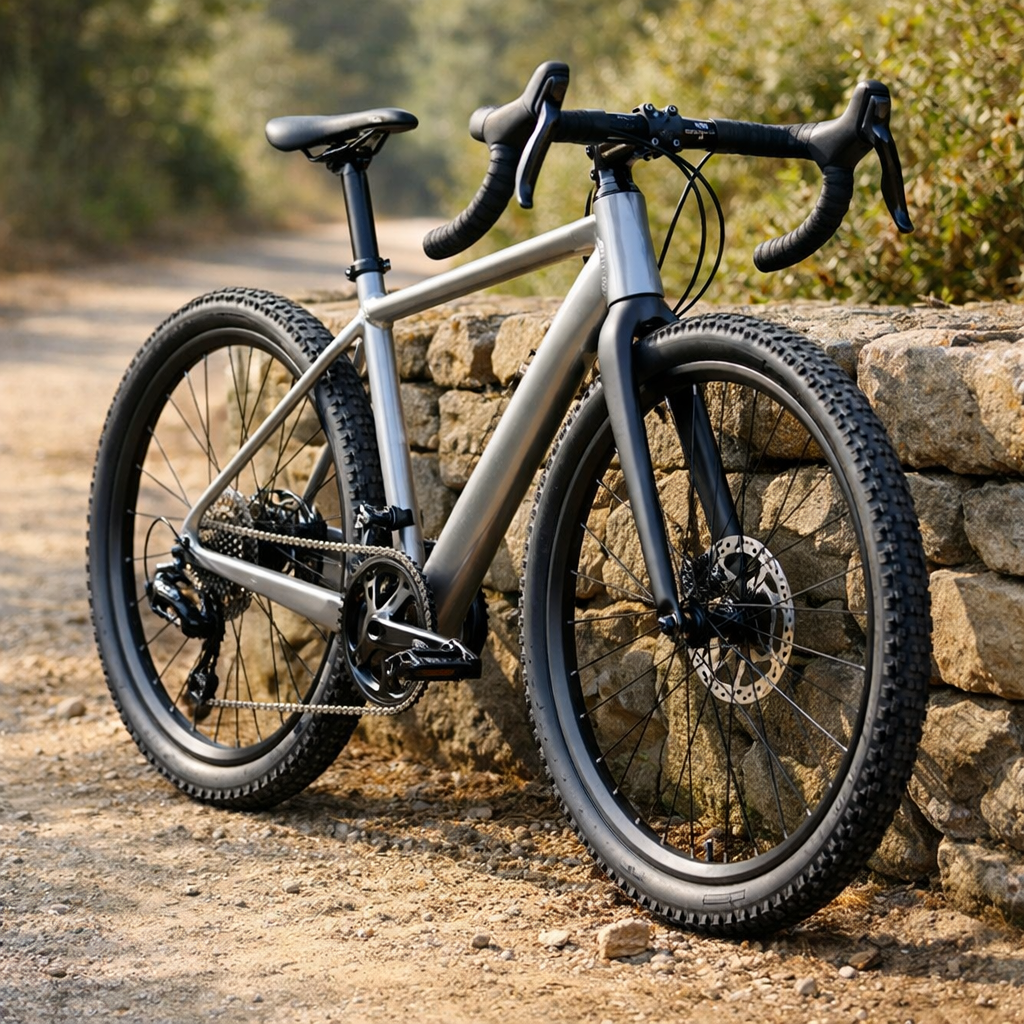
Top Gravel Bikes Under $3,000 in 2026: Value Without Compromise
Top Gravel Bikes Under $3,000 in 2026: Value Without Compromise
Sub‑$3,000 is the current value sweet spot in gravel. Modern frames at this price now pack progressive geometry, 45–50 mm tire clearance, and useful mounting points that used to be reserved for premium builds, making them ideal for commuting, weekend gravel, and light bikepacking, according to BikeRadar’s latest buyer’s guides and roundups. BikeRadar’s 2026 best‑gravel overview and its affordable picks chart this trend. A gravel bike blends drop‑bar efficiency with off‑road capability: disc brakes, big tire clearance, and gravel‑specific geometry create stable handling on mixed surfaces while keeping road pace respectable, as Road.cc’s buyer’s guide explains. For long‑term value under $3k, prioritize tire clearance and mounting points first, drivetrain and brakes second, and treat raw weight as a distant third—this hierarchy pays off in comfort, control, and easy upgrade paths. That’s the lens we use throughout this guide at Hiking Manual.
Hiking Manual
Hiking Manual is built for new to intermediate riders, families, and budget‑minded travelers who want durable, comfortable gear that’s easy to live with and to take on the road. Our gravel picks emphasize resilience over flash, with attention to mounts, generous clearance, and travel‑friendly details that survive baggage handlers and garage walls. Expect crisp, scannable specs, who each bike fits, and what terrain it’s best for—plus clear upgrade paths and packability tips. If you’re trip curious, our transportation hub and route planning resources pair well with your first gravel build. We also favor common standards and parts you can service almost anywhere.
How we chose under $3,000
We evaluated bikes on four variables that matter most at this price:
- Frame material and durability
- Tire clearance and wheel options
- Drivetrain and hydraulic disc brakes performance
- Mounting points and fit features (including top‑tube bags, rack/fender mounts, and dropper post routing)
Velo/Outside’s 2026 all‑around gravel test ran bikes with the same Easton EC90 ALX wheels and 45 mm Schwalbe G‑One R Pro tires to isolate handling, a method that reinforces why we weight geometry and clearance over frame weight for real‑world performance. We focused on widely available sub‑$3,000 MSRP builds. Where tests compared bikes, budgets were capped to keep evaluations fair across categories, per Velo/Outside’s protocol. We also weighted serviceable standards and broad parts availability for riders who travel.
What to prioritize for value
- Tire clearance (aim for 45–50 mm), 2) Mounting points (racks, fenders, top‑tube), 3) Drivetrain and brakes, 4) Frame material, 5) Weight. Many affordable bikes now clear 45–50 mm tires, opening comfort and traction gains on rough routes, as summarized by BikeRadar’s 2026 buyer’s guide.
Tire clearance is the maximum tire width a frame and fork can safely accept with room for mud and debris. Clearance around 45–50 mm lets you run higher‑volume tires for washboard comfort, sandy or muddy grip, and seasonal swaps without changing frames.
Look for modern standards that future‑proof your bike: full mudguard and rack mounts, internal dropper post routing, Universal Derailleur Hanger (UDH) compatibility, and around 50 mm clearance—features highlighted on the Trek Checkpoint ALR Gen 3 in BikeRadar’s affordable picks 2026. One key takeaway from expert testing and buyer guides: swapping to quality tires or a better wheelset will change ride feel more than frame material at this tier, so upgrade rubber before frames, a point echoed by Velo/Outside’s controlled setups and BikeRadar’s value advice.
Fuji Jari
Roundups consistently flag the Fuji Jari as a best‑under‑$3k value thanks to its balanced geometry and confident stock spec for mixed terrain, with Garage Gym Reviews spotlighting it among the strongest budget options.
- Who it fits: First‑time gravel riders, fitness commuters, light bikepackers.
- Why it works: Stable handling, plenty of mounts, and comfortable geometry across the line.
- Quick specs snapshot: Alloy or steel options across trims; 1x or 2x drivetrains depending on build; hydraulic disc brakes on higher trims; clearance typically in the mid‑40 mm range; multiple bottle and top‑tube mounts.
- Pros: Generous mounts; approachable fit; solid value spec.
- Cons: Wheels/tires may be the first upgrade; not the lightest.
- Why we like it for beginners: Predictable steering and wide gearing make the Jari forgiving on new routes and easy to set up for commuting or an overnight.
Trek Checkpoint ALR
BikeRadar pegs the Checkpoint ALR in the ~£1,799 price class and calls out standout features: UDH dropouts, a T47 threaded bottom bracket, clean internal routing, and around 50 mm tire clearance. Alloy keeps costs sensible while packing in modern standards; the ride leans road‑friendly but remains gravel‑capable.
- Best for: Commuters, fitness riders, and mixed road‑to‑gravel loops.
- Upgrade path: Wheels and tires first; later consider a wide‑range cassette or a dropper if routed.
- Quick specs snapshot: 700c wheels; 1x or 2x options; hydraulic disc brakes; rack/fender/top‑tube mounts; internal dropper routing; UDH; T47 BB.
- Why it stands out: Excellent platform for upgrades with the right clearances and standards from day one.
Orro Terra X GRX400
Road.cc calls the Orro Terra X GRX400 the best value for money at £1,299.99, noting its sure‑footed handling for entry‑level gravel riders and the reliability of Shimano’s gravel‑specific GRX400 group.
- Who it fits: Budget buyers who want proven parts and predictable handling.
- Quick specs snapshot: Alloy frame with carbon fork; Shimano GRX400 2x; hydraulic disc brakes; practical mounts; clearance typically mid‑40 mm.
- Why choose it: Trusted GRX ergonomics and braking, serviceable anywhere; great first gravel bike that won’t outgrow you quickly.
Marin Nicasio 2
BikeRadar lists the Marin Nicasio 2 at around £1,599 with a new double‑butted steel frame paired to an all‑carbon fork, mixing classic comfort with modern control.
Double‑butted steel uses thicker wall sections at high‑stress zones and thinner sections elsewhere, shaving weight while maintaining strength. Compared with straight‑gauge tubing, it better damps buzz and yields a springier, more comfortable ride without a big weight penalty.
- Best for: Riders prioritizing comfort, durability, and classic touring vibes over outright speed.
- Quick specs snapshot: Steel frame, carbon fork; 2x drivetrain; hydraulic discs; ample mounts; 700c wheels; clearance in the 40–45 mm range.
- Character: Smooth, steady, and confidence‑inspiring on long days.
Arcadex AL
This affordable alloy platform hovers around the $2k mark and is available with a GRX 1x12 build and generous tire clearance in current affordable‑gravel previews (notably in BikeRadar’s 2026 affordable list). A 1x setup simplifies controls and, with a wide‑range cassette, delivers ample climbing gears; a 2x alternative trades simplicity for closer gear steps on rolling roads.
- Recommended for: Riders who want fewer controls, better mud clearance around a single ring, and easy maintenance for mixed dirt.
- Quick specs snapshot: Alloy frame; GRX 1x12; hydraulic discs; internal routing; adventure mounts; clearance targeting 45–50 mm depending on spec.
Cinelli HoBootleg Geo
A rugged steel/touring crossover built to carry big loads, the HoBootleg Geo leans into expedition‑ready features and huge tire clearances that keep handling calm on rough tracks. It favors stability, mounts, and durability over snap and race‑day speed.
- Pros: Tank‑tough frame; abundant mounts; long‑distance stability.
- Cons: Heavier than sporty gravel race bikes; slower handling when unladen.
- Use it if: Multi‑day bikepacking and rough, remote routes are your priority and reliability trumps gram‑counting. For context on where weight sits in the market, CyclingAbout’s review of the lightest gravel bikes underscores how boutique weight savings come at a premium far above this price band.
Who each bike suits
| Model | Rider profile | Main use | Why choose it | Fit and travel notes |
|---|---|---|---|---|
| Fuji Jari | New riders, budget bikepackers | Mixed gravel, commute + weekend | Balanced geometry, strong mounts, easy upgrades | Stable stack/reach; alloy/steel options travel well |
| Trek Checkpoint ALR | Commuters, fitness, road‑gravel mix | Daily rides, fast gravel | Modern standards (UDH, T47), ~50 mm clearance, simple upgrade path | Neutral fit; alloy frame shrugs off travel knocks |
| Orro Terra X GRX400 | Value‑seekers wanting proven parts | First gravel bike, club rides | GRX reliability, sharp value per Road.cc | Road‑leaning reach; check stem length for shorter riders |
| Marin Nicasio 2 | Comfort‑first, touring‑curious | Long rides, rough chip seal | Double‑butted steel smoothness, mounts, carbon fork control | Taller stack favors endurance fits; steel travels robustly |
| Arcadex AL | Simplicity‑minded dirt riders | Mixed dirt, maintenance‑light | GRX 1x12, big clearance, easy mud shedding | Moderate reach; alloy resists baggage dings |
| Cinelli HoBootleg Geo | Expedition and heavy‑load riders | Multi‑day bikepacking | Huge clearances, expedition mounts, durability | Longer wheelbase stable for tall riders; pack thoughtfully due to weight |
Priority reminder: clearance and mounts first; drivetrain second; weight last.
Best upgrades first
- Tires: Start with quality 40–45 mm tubeless gravel tires matched to your terrain; standardized testing shows rubber transforms feel more than frames at this tier, a point echoed by Velo/Outside and BikeRadar.
- Wheels: Next, a lighter, more compliant wheelset with internal width that supports your preferred 45–50 mm tires.
- Contact points: Dial the saddle and bar tape for comfort; consider flared bars for control.
- Gearing and dropper: Widen cassette range if you spin out or bog down; add a dropper post if your frame has internal routing (common on modern alloy platforms like the Checkpoint ALR).
Travel and storage considerations
- Packing for flights or road trips: Remove pedals and handlebar, pad frame contact points, and use a hard case or a reinforced soft bag. Alloy and steel frames generally withstand the knocks of frequent travel better than ultralight carbon, a value theme echoed in mainstream buyer’s guides.
- Home storage: Use wall mounts, vertical hooks, or compact stands; keep tires at moderate pressure and protect brake rotors from bends.
- Trip‑planning extras: See our transportation tips for moving bikes door‑to‑trail, and our route planning guides for mapping mixed‑surface adventures that match your tire width and skill.
Frequently asked questions
Is aluminum or steel better under $3,000?
Aluminum usually buys you modern standards and lower weight; steel trades grams for comfort and long‑term durability. Hiking Manual leans aluminum for daily abuse and steel for comfort‑first builds.
Should I choose 1x or 2x for mixed terrain?
Choose 1x for simplicity and mud clearance; pick 2x for tighter steps and steady cadence. At this price, Hiking Manual recommends 1x for most riders and 2x for road‑leaning routes.
What tire width works best for beginners?
Start with 40–45 mm tubeless tires for balanced comfort, grip, and speed. Most value frames here clear 45–50 mm if you want to size up later.
Can these bikes handle bikepacking loads safely?
Yes—look for rack/fender mounts, top‑tube bosses, and sturdy wheels. Hiking Manual prioritizes frames with 45–50 mm clearance and proper mounts for stable handling under load.
What upgrades give the biggest performance gains?
Tires first, then wheels. Hiking Manual’s picks make those upgrades straightforward.