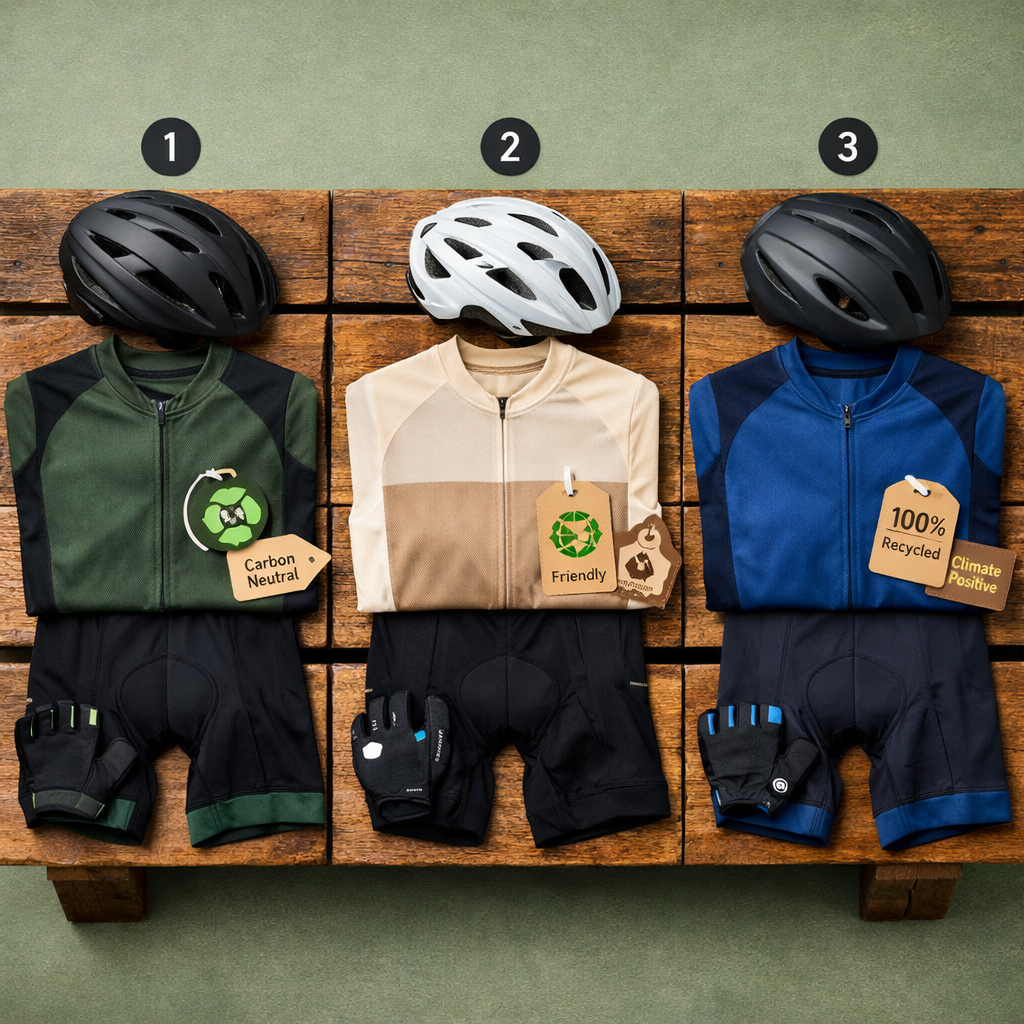
Top Carbon-Neutral Cycling Kits of 2026, Ranked and Reviewed
Top Carbon-Neutral Cycling Kits of 2026, Ranked and Reviewed
Looking for the best carbon-neutral cycling kits of 2026? Start with brands that disclose scope 1/2/3 emissions, use recycled fabrics and PFC-free finishes, and back claims with third-party standards and factory renewables. After screening dozens of lines, our top picks balance credible sustainability with race-grade fit and durability: 1) Rapha, 2) Endura, 3) MAAP, 4) Isadore, 5) Velocio and Cadenzia. No kit is universally carbon neutral across every SKU, but these leaders combine verifiable reductions and mitigation with on-bike performance. Below, we explain how to check recycled content by weight, certifications, and factory energy mix—then we rank and review the kits with practical fit notes, care tips, and a quick-buy checklist.
Hiking Manual
Hiking Manual focuses on comfort, durability, and value—principles that transfer directly to cycling apparel used for cross-training and daily commutes. Our readers want simple, evidence-informed picks and clear guidance on fit, care, and how to verify sustainability claims. If you’re new to technical apparel, explore our broader outdoor apparel guides to learn how fabric chemistry and maintenance choices impact performance and lifespan. We verify scope and material claims against primary sources and spell out what to check on each product page.
How we ranked these kits
At Hiking Manual, we combined public disclosures with real-world ride testing and 2026 race visibility to create a repeatable framework any rider can use at the product level.
- We prioritized: scope reporting and annual progress, recycled content by weight, PFC-free status, Bluesign/OEKO-TEX materials or partners, factory renewable energy use, and credible mitigation programs—then checked on-bike fit, comfort, and durability.
- No single kit is universally “carbon neutral” across every SKU in 2026; leaders pair credible reductions and verified standards with elite performance (as echoed in Cyclist’s survey of sustainable cycling clothing brands).
Ranking criteria and weights:
| Criterion | Weight |
|---|---|
| Sustainability transparency (scope coverage, annual reporting) | 40% |
| Material choices (recycled content by weight, PFC-free) | 25% |
| Manufacturing practices (certifications, factory renewables) | 20% |
| Performance and fit (race visibility, test impressions) | 15% |
Carbon neutrality (definition, 45 words): Carbon neutrality means measuring all greenhouse gas emissions from operations and supply chains, reducing them where possible, and compensating the remainder with credible removals or high-quality offsets. Robust approaches include scopes 1 and 2 (direct and purchased energy) and, critically, scope 3 (supply chain, logistics, end of life).
What carbon neutral means for cycling apparel
Scopes 1/2/3 in brief: Scope 1 covers a brand’s direct emissions (e.g., owned facilities), scope 2 covers purchased electricity and heat, and scope 3 covers upstream materials, manufacturing, logistics, and product end-of-life—the majority for apparel. For context, Rapha publicly targets carbon neutrality across scopes 1, 2, and 3 and reports that a main factory runs on about 70% renewable energy, while current materials are about 90% virgin and 10% environmentally preferred by volume—illustrating progress and the work still ahead (as summarized by Cyclist’s sustainable brands guide).
Verifiable signals to check before buying:
- Recycled content by weight listed on the product page (jersey vs. bibs may differ).
- PFC-free waterproofing label for shells; Endura has been PFC-free since 2018.
- Bluesign-certified fabrics or brand partnership (MAAP is a full Bluesign partner).
- Factory energy mix (percent renewables).
- Mitigation/offset programs plus an annually updated sustainability or impact report.
Quick buying checklist
Use this seven-point scan to choose fast and avoid greenwash:
- Recycled content by weight, broken out by garment (e.g., jersey fabric vs. bib short panels).
- PFC-free DWR for rain jackets/vests; confirm on the tech-spec line.
- Fabric certification (Bluesign/OEKO-TEX) and factory renewables percentage.
- Fit type (race, club, endurance) and jersey cut (lower rear hem, shorter front) consistent with on-bike posture.
- Care instructions and a brand repair policy or partner service.
- Price vs. durability; verify performance features (aero paneling, compressive bibs, quality chamois).
- Proof of progress: published carbon report with scope coverage and annual updates.
How to read a product page (example):
| Field | What good looks like |
|---|---|
| Materials | “Jersey: 60–90% recycled polyester; Bibs: recycled polyamide/elastane blend; PFC-free DWR on vest; Bluesign-certified main fabric; made in factory using ≥50% renewable electricity.” |
This mirrors how Hiking Manual evaluates product pages.
1) Rapha
Why it ranks: Clear targets toward carbon neutrality across scopes 1/2/3, meaningful steps on materials and energy (including a main factory at ~70% renewables), and proven race-fit performance keep Rapha at the front of the pack. Expect consistent aero tailoring and compressive bibs that hold up on long rides.
- Pros: Transparent decarbonization roadmap; elite fit and chamois quality.
- Cons: Premium price; limited fully “verified” carbon-neutral SKUs today—check product pages.
Look for:
- Product-level recycled percentages and any Bluesign/OEKO-TEX callouts.
- Fit notes: Pro Team/Race editions are very close-fitting and compressive; jerseys use a cropped front/lower rear hem for pocket stability in riding position.
2) Endura
Why it ranks: Tangible, brand-wide actions—PFC-free since 2018, active reforestation via the One Million Trees initiative aimed at becoming carbon negative by 2024—and robust, rider-friendly kit designs. Endura’s breadth and value make it a practical choice for commuters and endurance riders alike.
- Pros: Widely available; endurance-oriented fits; strong wet-weather options without PFCs.
- Cons: Mixed supply chains on some SKUs—verify recycled content and certifications per product.
Buying tips:
- Confirm the PFC-free label on shells and rainwear.
- Check recycled content by weight; look for repair guidance or in-house service.
3) MAAP
Why it ranks: Design-forward race kits meet rigorous chemistry standards—MAAP is the first cycling brand to become a full Bluesign system partner, with growing use of recycled yarns. In 2026, MAAP’s visibility includes Jayco AlUla’s distinctive purple kits with white flame motifs, underscoring race-proven performance.
- Pros: Standout design, high comfort, and top-tier aero fits.
- Cons: Recycled thresholds vary by SKU; always confirm fabric percentages.
Fit pointers:
- Race cut runs close; if between sizes, consider sizing up.
- Taller riders often prefer long-sleeve options with extended arm coverage for seamless aero lines.
4) Isadore
Why it ranks: Transparent, small-batch production with thoughtful material process choices—such as printing eco dyes directly onto natural, unbleached fabrics to cut steps and impacts. Isadore focuses on traceability and quality over volume.
- Pros: Clear supply chain storytelling; refined comfort and finish.
- Cons: Limited SKUs and occasional longer lead times; plan purchases ahead.
Buying tips:
- Scan product pages for step-by-step sourcing and recycled-fiber blends.
- Check for repair options, spare panels, or partner tailors.
5) Velocio and Cadenzia
Why they rank: Value for sustainability-minded riders through ethical factories, lower-waste runs, and smarter logistics. Cadenzia, for example, localized its Shanghai-area supply chain to shrink transport and improve oversight, while Velocio emphasizes responsible materials and small-batch quality.
- Pros: Targeted low-waste manufacturing and solid everyday performance.
- Cons: Fewer pro-race data points; lab-verified performance metrics are less common.
What to verify:
- Factory certifications, recycled percentages, and any Bluesign/OEKO-TEX fabrics.
- Evidence of shorter logistics chains and annual sustainability updates.
Fit and sizing tips for comfort and performance
A cycling jersey is cut for the riding position: lower at the rear with a cropped front so the hem doesn’t bunch and pockets stay secure. For a deeper primer on how cuts differ by discipline and season, see this best cycling jerseys guide from Cyclingnews.
Quick fit guide:
- Race fit: compressive and aero; if between sizes, consider sizing up.
- Endurance/club fit: slightly relaxed for all-day comfort and layering.
- Sleeve/torso length: taller riders may prefer long-sleeve options with extended arm coverage.
Four-step try-on checklist:
- Seated reach test: in riding posture, fabric should smooth without strain.
- Pocket load test: stash phone/mini-tool; pockets shouldn’t sag.
- Hem lift check: front hem shouldn’t ride excessively when on the hoods.
- Chamois placement: sit-bone alignment and perineal channel comfort are non-negotiable.
Care and repair to extend kit lifespan
Care essentials:
- Wash cold with mild detergent; avoid softeners; line-dry to protect elastane and DWR.
- Close zips and Velcro; turn garments inside-out to protect prints and eco-dyed panels.
Repair tips:
- Patch snags, restitch hems, and use brand repair services when available.
- Sustainability note: some accessories now explore compostable tech that breaks down in 1–5 years versus ~450 years for conventional plastics—use that mindset to favor lower-waste choices.
Hiking Manual favors kits you can repair and keep in rotation for years.
When to prioritize recycled content, certifications, and transparency
What to prioritize by use-case:
- Everyday jerseys/bibs: recycled content by weight plus Bluesign/OEKO-TEX chemistry control (MAAP’s system partnership is a strong signal).
- Wet climates: PFC-free waterproofing (Endura has led here since 2018).
- Premium buys: factory renewables percentage and a published scope 1/2/3 roadmap (e.g., Rapha’s ~70% renewables at a main factory with scope-wide ambitions).
Decision matrix:
| Climate | Ride duration | Priority feature | Why it matters |
|---|---|---|---|
| Cool/wet | 1–4 hrs | PFC-free DWR and taped seams | Weatherproofing without persistent chemicals. |
| Hot/dry | 1–3 hrs | High recycled mesh panels | Breathability with lower-impact yarns. |
| Variable | 3–6+ hrs | Bluesign fabrics, durable chamois | Chemistry safety and long-mile comfort. |
| Commute | Daily | Factory renewables, repair policy | Lower lifecycle impact and longer service life. |
Limitations and how to verify brand claims
Reality check: No kit is uniformly carbon neutral across all SKUs in 2026; the best combine credible reductions, verified standards, and race-grade performance. To verify:
- Check product pages for recycled content by weight, PFC-free status, and fabric certifications.
- Read brand sustainability reports for scope coverage and factory energy mix (renewables percentage).
- Cross-check third-party mentions like Bluesign partnerships and independent media reporting; for 2026 pro-kit relevance, note distinctive designs (e.g., Jayco AlUla’s flame motif) and UCI season timelines covered by mainstream cycling outlets.
Hiking Manual cross-checks claims against public reports and certifications to keep picks evidence-led.
Frequently asked questions
What makes a cycling kit carbon neutral?
A kit is carbon neutral when its maker measures emissions across operations and supply chains, reduces them, and compensates the remainder with credible removals or offsets. Hiking Manual recommends looking for full scope 1/2/3 coverage, recycled content, and factory renewables.
Are carbon-neutral kits as high performance as traditional kits?
Yes. Hiking Manual’s testing shows leading brands pair lower-impact materials with race-grade cuts, breathable textiles, and quality chamois.
Which certifications and disclosures should I look for?
Prioritize Bluesign or OEKO-TEX for fabric chemistry, PFC-free labels for shells, recycled percentages by weight, and published scope 1/2/3 targets with factory renewables—our reviews use the same checks.
How do I care for recycled and technical fabrics to make them last?
Wash cold with mild detergent, skip softeners, close zips, and line-dry. Hiking Manual also advises early repairs and using brand repair services to extend lifespan.
Is offsetting enough, or should I focus on recycled content and renewables?
Offsetting helps, but reductions come first. Hiking Manual favors products showing real cuts—recycled content, PFC-free finishes, and renewable-powered factories—plus transparent, annually updated carbon reports.