The Queen Stages of the Giro d’Italia, Explained for Fans
The Queen Stages of the Giro d’Italia, Explained for Fans
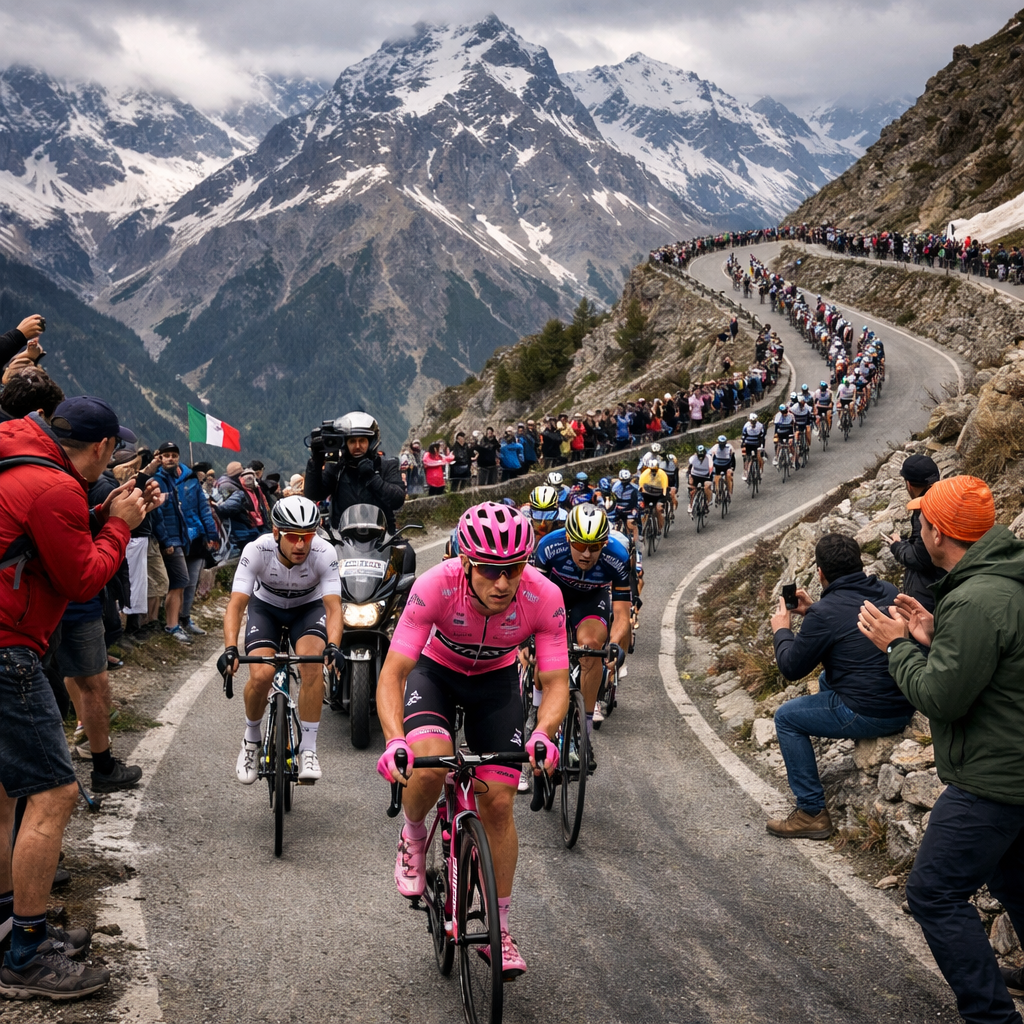
The queen stage is the day fans circle in pink: the Giro’s most punishing, decisive mountain showdown where the general classification (GC) can flip in minutes. If you’re asking “What are the key stages of the Giro d’Italia?”—start here. Modern routes often save this marquee test for the final week, stacking high-category climbs, altitude, and steep ramps into a single, high-drama afternoon. In 2026, for example, Stage 19 strings together the Passo Duran, Passo Giau, and Passo Falzarego for roughly 5,000 m of climbing, a profile built to crack contenders and crown a leader, according to Cyclist’s 2026 route analysis.
What is a queen stage
The queen stage is the Giro’s most demanding day, packing the greatest elevation gain and hardest climbs with minimal recovery. It typically features multiple high-category ascents, sustained ramps near 8–10%, and high-altitude stress, and can decide the pink jersey in a single afternoon.
Think towering Dolomite passes, thin air at altitude, and brutal gradients that expose weaknesses. In 2026, Stage 19’s Duran–Giau–Falzarego block totals about 5,000 m of climbing—an archetypal queen-stage blueprint noted in Cyclist’s 2026 route analysis. Not every mountain stage qualifies; queen stages amplify elevation density, gradients, and GC stakes beyond the norm, a point echoed in Rouleur’s queen-stage preview.
How to spot a queen stage on the profile
Queen Stage Signals
- Cumulative elevation gain ≥4,500–5,000 m, with multiple high-category climbs sequenced and very little flat between them (see Cyclist’s 2026 route analysis and Rouleur’s 2025 queen-stage preview).
- Sustained 8–10% ramps late in the day that force GC riders into the red.
- Summit finish or a high-altitude finale that magnifies gaps.
Elevation density (40–50 words): Elevation density describes how much climbing the course packs per kilometre. High density means the route offers almost no flat terrain between ascents, creating near-continuous stress that erodes domestique support and punishes poor pacing, a dynamic that typically favors pure climbers and aggressive GC teams. At Hiking Manual, we use it to flag queen stages.
Sample profile comparison
| Stage example | Total km | Elevation gain | HC/Cat 1 climbs (#) | Steepest ramps | Finish type |
|---|---|---|---|---|---|
| 2026 Stage 19 (Duran–Giau–Falzarego) | ~170 | ~5,000 m | 3 | 10–14% on Giau | High-altitude finale |
| Mountain stage (rolling) | 190 | ~3,000 m | 1 | 8–9% | Valley finish |
Why queen stages decide the pink jersey
Queen stages are where GC gaps form—or evaporate—because route designers often back-load decisive climbs into the final week. Teams conserve energy early, then unleash on the single hardest day, a pattern noted in Cyclist’s 2026 route analysis.
Back‑loaded route (40–50 words): A back‑loaded route stacks the decisive mountains and summit finishes late in the race. The design builds suspense and broadcast drama but can encourage cagey racing early, concentrating massive time swings into the final block—especially on the queen stage when fatigue meets the steepest gradients.
Time trials shape the script, too. With a sole ~40 km ITT in 2026, climbers who lose seconds to time-trial specialists will be compelled to attack more aggressively on the queen stage to rebalance the GC, as flagged in the same route analysis.
Tactics and storylines fans should watch
Key Tactical Levers
- Profile cues: Long, high-altitude climbs with 8–10% ramps and a summit finish favor late, explosive attacks; multi-peak “sawtooth” days can reward earlier raids.
- Team strength: Deep domestique trains set tempo, choke breakaways, and deliver leaders to the final ramps; thinner squads invite chaos.
- Race length vs intensity: Short, ultra-hilly queen stages often produce more violent, decisive racing than long, transitional mountain marathons.
A domestique is a support rider who sets tempo, shields leaders from wind, fetches supplies, and paces on climbs—vital on stacked ascents to control gaps and position a GC captain before the decisive ramps.
How to read the final 20 km
- Watch domestique trains thin to just a few lieutenants.
- Look for pace surges on 8–10% ramps and at altitude markers.
- Expect GC riders to mark rivals’ accelerations and launch on the steepest, oxygen-poor sectors or just before a summit finish.
Weather, altitude and route changes
High passes are vulnerable to snow, wind, and thunderstorms; organizers have shortened or rerouted queen stages when weather hits. The 2026 Duran–Giau–Falzarego day carried warnings it could be altered if conditions deteriorate, per Cyclist’s 2026 route analysis.
An altitude finish is a summit or ridge-top finale at significant elevation, where reduced oxygen amplifies climbing difficulty and slows recovery—often widening time gaps.
Fan tips
- Check morning weather bulletins and official race communications.
- Monitor live coverage for on-the-fly changes.
- Reassess favorites if a summit is cut or a descent finish replaces an altitude finale—tactics and rider advantages can flip instantly.
Modern examples fans should know
- 2026: Stage 19’s Passo Duran–Passo Giau–Passo Falzarego chain (~5,000 m) is a classic queen-stage skeleton; later, a double ascent of Piancavallo adds a sting to the final mountain block, per Cyclist’s 2026 route analysis.
- 2025: The Aosta Valley stage (166 km, ~4,950 m) is textbook elevation density. Key climbs bite late—Col Tzecore ramps toward ~10% in its final 5 km; Saint-Pantaléon averages ~7.2% over 16.5 km; Col de Joux runs 15.1 km at ~6.9%; Antagnod is 9.5 km at ~4.5%, summarized in Rouleur’s queen-stage preview.
- History: Queen-stage lore often centers on Mortirolo and Stelvio, and on audacious raids—like the 80 km solo on the 2018 Stage 19 that reshaped the race, highlighted by WriteBikeRepeat’s best Giro stages.
How queen stages compare to other decisive days
| Day type | What defines it | Typical GC impact | Example |
|---|---|---|---|
| Queen stage | Stacked high-category climbs, 8–10% ramps, high elevation density, minimal flats | Large swings from sustained climbing and altitude | 2026 Duran–Giau–Falzarego block |
| Time trial | Rider vs clock; pacing and aerodynamics over terrain | Forces climbers to attack queen stages if they lose time | Sole ~40 km ITT in 2026 (Cyclist analysis) |
| Gravel/mixed-surface | Variable grip, weather-exposed sectors, positioning battles | Chaos can create surprise gaps and crashes | The infamous mud-and-gravel 2010 day (WriteBikeRepeat) |
Summit finish (40–50 words): A summit finish ends atop a climb, often at altitude, where gradients are steeper and drafting offers little shelter. Hypoxia sharpens differences, making accelerations stick and time gaps larger—one reason summit finishes are frequently chosen for queen stages.
Tips for watching and following live
- Scan the stage preview the morning of for high-density climb clusters, gradient heat spots, and any summit finish.
- Join live coverage before the penultimate climb; track domestique attrition, team trains, and leader positioning—this is where we focus at Hiking Manual.
- Keep an eye on weather updates and any route changes.
- Focus on 8–10% ramps for GC attacks; note time gaps over each crest.
Queen stages are also “TV queen” days: Italian broadcaster Rai’s big mountain spectacles have drawn around 1.7 million average viewers, per Rai audience figures discussed by fans on Reddit.
Frequently asked questions
What makes a stage the queen stage instead of just a mountain stage
It stacks the most elevation gain and the hardest, often high‑altitude climbs with very little flat between, usually featuring 8–10% ramps. That intensity creates the biggest GC time gaps and makes it the race’s most decisive mountain day; at Hiking Manual, we look for that density signal first.
Do queen stages always have a summit finish
Not always. Many do, but some end after a technical descent or short valley; at Hiking Manual, we weigh elevation density and climb severity, not just the finish.
Why are some queen stages shorter in distance but harder overall
Because nearly every kilometre is either climbing or descending. High elevation density, stacked HC/Cat 1 climbs, and steep ramps can make a 150–170 km day more intense than a longer route with transitional terrain; that’s the profile we flag at Hiking Manual.
How do time trials change queen stage tactics
A longer time trial forces climbers to attack more aggressively on the queen stage to claw back seconds, while strong time‑triallists can defend. Teams often raise tempo earlier, and GC moves come on the steepest ramps; we expect and watch for that pattern at Hiking Manual.
What happens if bad weather alters a planned queen stage
Organizers can shorten or reroute high passes for safety. That can neutralize key climbs, change pacing and strategy, and shift the advantage toward different riders depending on the revised profile; at Hiking Manual, we reassess favorites based on the new elevation density.