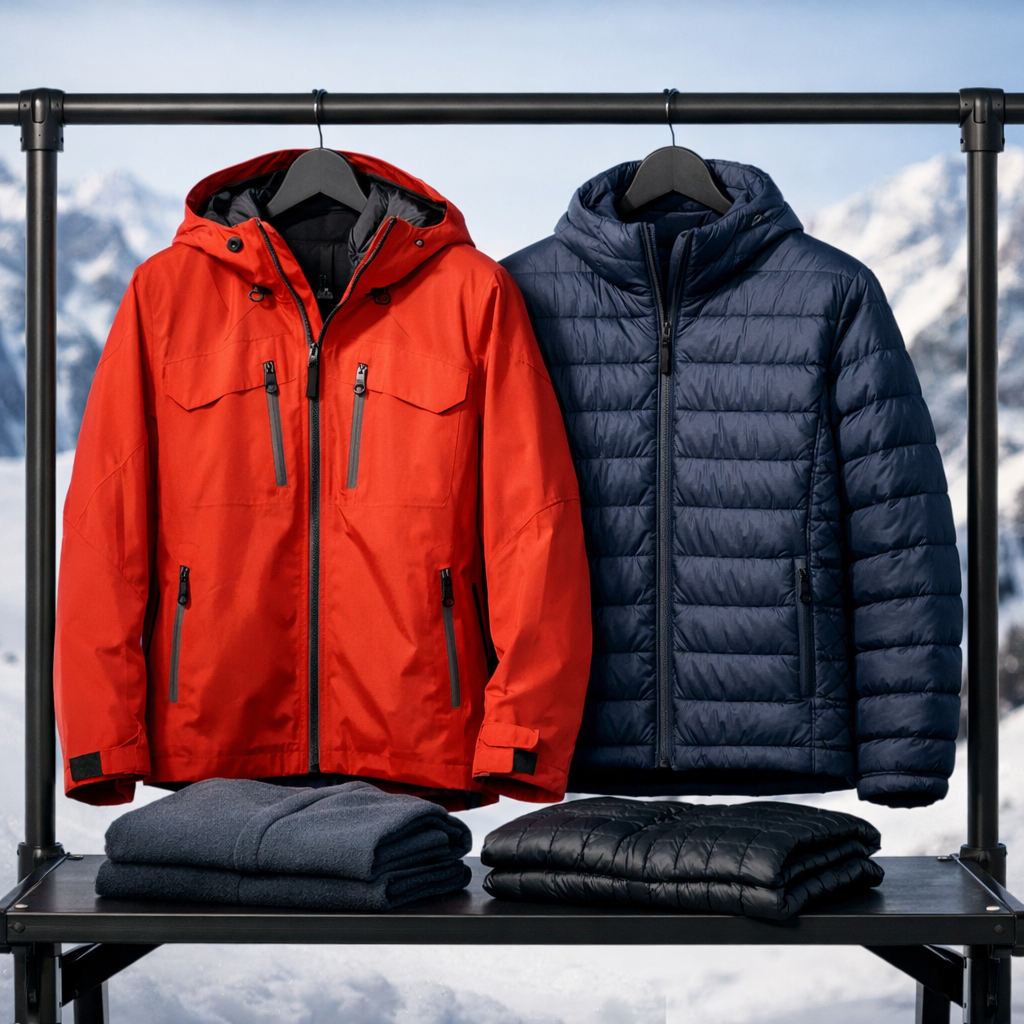
Ski Shell vs Insulated Jackets: Pairing Perfectly with Mid-Layers
Ski Shell vs Insulated Jackets: Pairing Perfectly with Mid-Layers
Skiers often ask which outer layer works best with a thermal mid-layer: a shell or an insulated jacket? The short answer is that shells offer maximum flexibility in a waterproof breathable layering system, while insulated ski jackets deliver grab-and-go warmth with fewer moving parts. Your choice should match temperature, effort level, and how much you plan to vent or adjust on the hill. Below, we explain the differences, show when to pick each, and share fast, field-tested mid-layer pairings. Guidance is based on industry consensus and brand testing, including Arc’teryx’s shell vs insulated advice (see Arc’teryx’s shell vs insulated guide) and Hiking Manual’s on-snow experience.
Quick answer for pairing with thermal mid-layers
- Choose a shell if you want maximum flexibility with thermal mid-layers; pick insulated if you want grab-and-go warmth. Shells are waterproof outer layers with no insulation and rely on mid-layers for warmth, while insulated jackets build warmth in from the start (see Stio’s shell vs insulated overview).
- Use cases: shells excel for high-output skiing and variable temps; insulated shines on cold, lift-served days (Arc’teryx notes).
- Typical pair-ups:
- Shell: base + fleece or a lightweight synthetic mid-layer.
- Insulated: warm base; add a thin fleece only if you run cold.
At Hiking Manual, we default to a shell-plus-mid-layer setup for adaptability unless temps are locked frigid.
How ski shells and insulated jackets differ
Ski shell definition: A shell ski jacket is a lightweight, waterproof, windproof outer layer with no built-in insulation. It blocks weather while relying on your base and thermal mid-layer to create warmth. Shells emphasize breathability and ventilation (e.g., pit zips) to regulate sweat during changing effort and temps (Arc’teryx; Stio).
Insulated ski jacket definition: An insulated ski jacket combines a weatherproof outer with integrated down or synthetic fill, delivering ready-to-wear warmth for cold days. Because the insulation is baked in, you can often run a lighter mid-layer—or none at all—without sacrificing comfort in frigid resort conditions (Stio).
Performance contrasts:
- Breathability and moisture control: shells prioritize airflow and venting, making them ideal for touring and high-output laps (Arc’teryx).
- Warmth and simplicity: insulated pieces shine on long chairlift rides and cold, lower-output days (Arc’teryx).
- Membranes and vents: GORE-TEX and 20k-class membranes balance weatherproofing with breathability; many jackets add pit zips for fast heat dumping. Plenty of modern insulated jackets now include vents as well (industry trend noted across buyer guides).
Criteria to choose for your day
Use this 3-point checklist, then map to shell or insulated:
- Expected temperature and wind chill. 2) Activity intensity (touring, sidecountry, or mellow resort laps). 3) Simplicity vs adaptability—do you want one-and-done warmth, or on-the-fly layering control?
Quick rules:
- Choose a shell if you run hot, want layering flexibility, or tour frequently.
- Choose an insulated jacket if you run cold or ski frigid, lift-served climates where simplicity wins.
Wet/dry note: synthetic insulation stays warmer when wet and dries faster; down offers superior warmth-to-weight but loses effectiveness when damp (see Peter Glenn on shell vs insulated).
Side-by-side comparison
For context on warmth, breathability, and price positioning, see Spyder’s expert guide and Switchback Travel’s ski jacket breakdown.
| Category | Shell Ski Jacket | Insulated Ski Jacket |
|---|---|---|
| Insulation | None; warmth comes from your thermal mid-layer | Built-in synthetic or down (often ~40–100g in ski pieces) |
| Breathability | High; excels at moisture management and venting | Lower; can trap heat/moisture during exertion |
| Weatherproofing | Typically GORE-TEX/proprietary membranes; fully taped seams common | Similar membranes; some models less breathable though still storm-ready |
| Mid-layer pairing ease | Excellent—tune warmth with fleece or synthetic puffy | Simple—run a warm base; add thin fleece only if needed |
| Packability | Light and compressible; easy to stash | Bulkier due to insulation; less compact |
| Mobility | Generally better range of motion, less bulk | Slightly reduced mobility from added loft |
| Best for | Touring, sidecountry, variable/spring conditions | Cold resort days, long chairlifts, low-output laps |
| Price range | Broad; premium hardshells often around $700–$799 | Often better value than top-tier shells; many mid-priced options |
| Best mid-layer pairings | Fleece or lightweight synthetic puffy | Warm base; optional thin fleece |
Mid-layer pairing strategies
Framework: your base layer manages sweat, the thermal mid-layer adds adjustable warmth, and the outer layer blocks wind and wet.
High-output or touring setups
- Use a breathable shell plus a lightweight synthetic or grid fleece mid-layer (about 40–60g synthetic).
- Prioritize pit zips and air-permeable membranes to dump heat quickly; avoid heavy down on the climb.
- Carry a micro-puffy in your pack for transitions; shells pack small and adapt well to changing terrain (Arc’teryx guidance).
Variable or spring conditions
- Run a shell plus a thin synthetic insulator (~60g) you can stash when the sun pops.
- For heat control: open pit zips first, then unzip the front, and finally strip the mid-layer if you’re still hot.
- Shells are ideal in spring for low weight and easy packability (Arc’teryx).
Cold resort days
- Choose an insulated jacket with a warm base; add a thin fleece only if you consistently run cold.
- Insulated builds warmth for long, stationary rides and frigid lift lines.
- If you prefer a shell, pair it with a loftier mid-layer (80–100g synthetic) to mimic insulated warmth (Spyder consensus).
Wet snow and mixed precipitation
- Choose a shell with a robust waterproof membrane (e.g., GORE-TEX/20k) and pair with a synthetic mid-layer that stays warm when damp.
- Synthetic retains heat and dries faster than down when wet; down excels in cold, dry air but underperforms when soaked (Peter Glenn).
- Keep vents open as needed to reduce internal condensation in humid storms (Arc’teryx notes).
Materials that play well with mid-layers
Breathable membrane defined: A waterproof/breathable membrane is a thin, laminated film that blocks liquid water while allowing water vapor to escape, balancing storm protection with comfort during exertion. Common examples include GORE-TEX and proprietary 20k/20k membranes (see Outdoor Divas on membranes and pit zips).
Recommended mid-layer materials:
- Fleece (grid or high-loft) for dependable moisture management under shells; see Hiking Manual’s fleece mid-layer picks.
- Lightweight synthetic puffies (roughly 40–100g) for versatile warmth; many designs use 60g in the body and lighter in the sleeves for mobility (see Montec on 60g/40g designs).
Shell construction details that help: durable water repellent (DWR) finishes and fully taped seams boost external moisture defense—especially useful when you’re relying on a breathable mid-layer (Stio overview).
Fit and ventilation considerations
- Fit: choose a shell with enough volume for your thickest thermal mid-layer, then test range of motion—reach overhead, simulate a pole plant, and twist at the hips while fully zipped. Nothing should bind or pull at the hem.
- Venting: prioritize pit zips and core vents for heat dumping; many insulated jackets now include vents to manage exertion as well (Arc’teryx; Peter Glenn).
- Mobility: well-designed shells typically move more freely than bulky insulated pieces during aggressive skiing (Switchback Travel commentary).
Budget and value planning
- Price-performance: top-tier hardshells often cost around $700–$799, but deliver superior weather resistance, durability, and breathability that pay off across seasons (Switchback Travel). Higher price in shells generally correlates with better long-term weather protection (Stio perspective).
- Smart spend:
- Value path: insulated jacket plus a solid base layer for reliable resort warmth.
- Versatility path: performance shell plus one to two thermal mid-layers for season-long adaptability.
When a 3-in-1 or hybrid makes sense
A 3‑in‑1 jacket pairs a waterproof shell with a zip-in insulated liner, letting you wear shell-only, liner-only, or both together. Choose it for budget-friendly convenience and casual resort use, but expect compromises in breathability, fit, and materials versus dedicated shells and insulators (as outlined by Switchback Travel). A separate shell plus a standalone mid-layer typically breathes and moves better.
Safety-first layering workflow
- Forecast: check hourly temps, wind, and storm timing; match insulated to frigid, low-output days and a shell plus breathable thermal mid-layer to high-output plans.
- Route plan: use AllTrails or Komoot to gauge elevation gain, aspect, and exposure; confirm fees/permits and any advisories on official park sites.
- Select layers: pick your outer (shell vs insulated), then right-size your thermal mid-layer for the day’s temps and intensity.
- Pack backups: include a stowable mid-layer and dry accessories; save offline maps and key waypoints; verify parking/trailhead status.
- Confirm check-ins: share your plan and timelines; build in decision points for changing weather.
Plan with route and weather tools
- Use AllTrails or Komoot for route grade, elevation, and aspect; cross-check park websites for permits and alerts.
- Read hourly forecasts and wind chill; colder, low-output plans favor insulated, while big climbs call for a shell plus breathable mid-layer.
- Save offline maps and key waypoints; confirm trailhead access before departure.
Packability and on-mountain adjustments
- For easy stowability, pair a shell with a ~60g synthetic mid-layer.
- Heat management order: open vents > unzip front > remove mid-layer.
- Use a small stuff sack for the mid-layer; stash gloves/hat in inner pockets to avoid drops on lifts.
Backup navigation and check-ins
- Export GPX from AllTrails/Komoot and load into Gaia GPS; download tiles for offline use.
- Set check-in times with a contact and save local emergency numbers. Carry a whistle and a power bank.
Our recommendation
At Hiking Manual, we recommend starting with a quality shell and a versatile thermal mid-layer—either a fleece or a ~60–80g synthetic—for season-long adaptability and better moisture control (Arc’teryx; Spyder). If you ride frigid resorts or run cold, add an insulated ski jacket for the simplest warmth on the nastiest days. If budget allows, owning both lets you match your kit to the day’s temperatures and intensity.
Frequently asked questions
What mid-layer works best under a shell for most skiers?
A lightweight fleece or a ~60g synthetic puffy balances warmth and breathability for most days, and it’s easy to vent or stash. At Hiking Manual, this is our default pairing under a shell.
Should I choose down or synthetic for my mid-layer?
Choose synthetic for wet, variable conditions and down for cold, dry days; synthetic stays warmer when damp and dries faster, while down offers better warmth-to-weight when dry. At Hiking Manual, we default to synthetic for mixed weather.
How warm should my insulated jacket be if I still want a mid-layer?
Look for light-to-mid insulation (roughly 40–80g in the body, lighter in the sleeves) so you can add a thin fleece on the coldest days without overheating otherwise. At Hiking Manual, this keeps options open without excess bulk.
How should a shell fit to allow a thermal mid-layer without restriction?
Aim for a regular fit with room to lift your arms, twist, and sit while fully zipped; you shouldn’t feel shoulder tightness or hem lift when reaching forward. At Hiking Manual, we call that a clean, no-bind fit.
Do I need both a shell and an insulated jacket?
Not necessarily. A good shell plus a couple of thermal mid-layers covers most conditions; add an insulated jacket if you often ski frigid resort days or run cold.