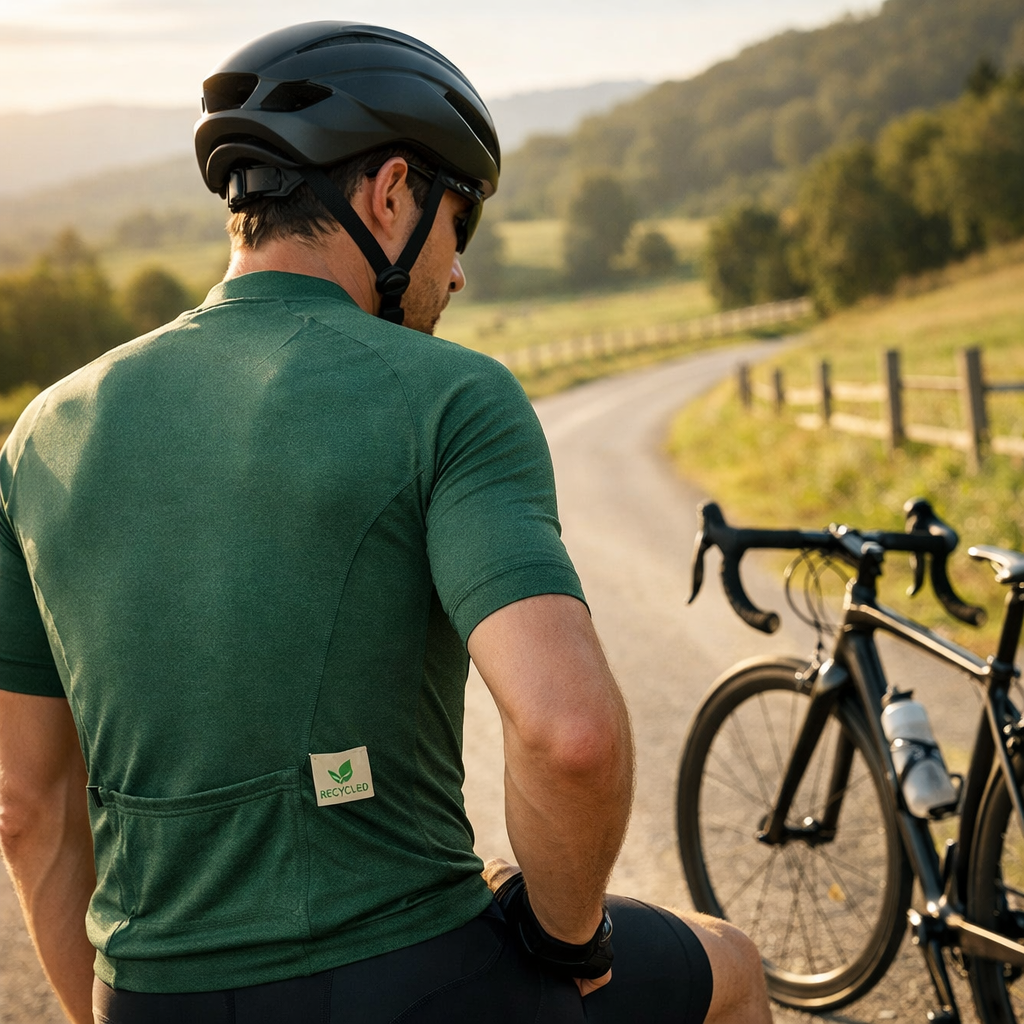
Ride Greener Without Sacrificing Speed: Top Sustainable Cycling Kits
Ride Greener Without Sacrificing Speed: Top Sustainable Cycling Kits
Sustainable cycling kits no longer mean compromise. Today’s recycled jerseys and bibs deliver moisture‑wicking comfort, four‑way stretch, and aero fits that can be wind‑tunnel competitive, thanks to advances in yarns and patterning highlighted in TD Sportswear’s deep dive (wind testing included) TD Sportswear’s deep dive on eco kits. With the fashion sector responsible for roughly 10% of global carbon emissions—more than aviation and shipping combined—choosing longer‑lasting, lower‑impact kit is a meaningful lever for riders Cycling Weekly analysis. Below, we shortlist fast, durable, and repair‑friendly options—plus how to verify carbon‑neutral cycling kit claims—so you can ride greener without sacrificing speed.
Hiking Manual
We test gear where it matters: outside. Hiking Manual translates technical specs into on‑bike outcomes—fit that stays put in the drops, moisture management on climbs, and durability that survives weekly training. Our cold‑weather layering expertise (think expedition parkas and high‑loft fleece) informs how we judge fabrics in variable climates, from merino bases to wind‑resistant jerseys. This guide serves motivated beginners through intermediates who want fast, durable, lower‑impact kit, with honest trade‑offs (aero vs comfort, weight vs durability) and a focus on longevity and repairability. Cross‑shop adjacent essentials via our outdoor apparel hub and get started with poles in our beginner’s trekking poles guide.
Isadore
Isadore’s Alternative Bibs use 100% recycled materials, including recycled lycra and even silicone grippers, a rare level of component‑level circularity (noted in Laka’s brand roundup) Laka’s brand roundup. The brand also publishes annual sustainability reporting with production footprints and targets, a transparency win often missing in performance kit. Performance‑wise, recycled elastane holds stretch and shape for long rides, and modern recycled knits manage moisture and four‑way stretch on par with virgin fabrics.
- Pros: Very high recycled share in key pieces; public goals and traceability progress.
- Cons: Price premium vs. mass‑market; use a microfibre wash bag to curb shedding and extend life.
Matchy Cycling
Matchy blends French cycling heritage with a sustainability lens, using recycled fabrics across ranges that vary from about 30% to 100% recycled content. With a focus on localized European production, the brand tightens traceability and trims transport emissions. Performance buyers should scrutinize bib chamois tech—seek plant‑based, high‑density foams where available—and confirm aero fit claims for race days. Engineered right, recycled kits remain fully race‑ready.
Albion
Albion designs for British weather—persistent rain, big temperature swings—and builds outerwear and layers for the long haul. Longevity is sustainability: better construction reduces replacement cycles. Look for dense stitching, reinforced panels, and whether repairs are supported (repair/take‑back policies are strong signals). Shoulder‑season use cases shine here: pair a weatherproof shell with merino layers for odor control and warmth when it’s wet and cool.
Patagonia
Patagonia is a pioneer in eco‑minded apparel and offers cycling and MTB pieces that favor durability, repairability, and stewardship. Expect robust materials and widespread use of certified processes (e.g., Bluesign where applicable), plus brand‑backed repair programs that keep gear moving instead of landfilled. For cold rides, lean on proven layering: merino base plus a wind‑resistant jersey keeps you drier, warmer, and less odorous on mixed‑terrain days.
Endura
Endura’s durability‑first approach means fewer replacements over time—a lower lifetime footprint without letting go of speed. The brand prioritizes recycled fibres in polyesters (tackling bottle waste), while being candid that nylon use remains a work in progress. For fast training or commuting, recycled‑polyester jerseys still wick and dry quickly; extend lifespan with gentle care and prompt seam fixes.
Universal Colours
Universal Colours leans into fabric innovation, using pre‑ and post‑consumer waste textiles and a vegetable‑based, fluorocarbon‑free C0 DWR for wet‑weather resistance without PFAS baggage. The brand also supports circularity with an official secondhand channel that makes reusing kit simpler CyclingNews brand guide. Expect race‑tuned fits and stretch that meet competitive demands.
TIC CC
TIC CC is built for riders who want traceability with speed. The brand uses Bluesign and Oeko‑Tex certified materials, and key manufacturing partners run on 100% renewable energy; production is localized in Europe, with caps hand‑made in the UK for tighter oversight and lower transport emissions Cyclist’s sustainable brands guide. Ideal for racers seeking recycled elastane stretch and clean, bonded finishes.
How we evaluated sustainable speed
We scored each brand and kit line on material credibility, durability and repairability, on‑bike performance, transparency, and circularity. We apply the same criteria across all brands in our testing.
| Pillar | Measures | What to look for | Notes (localization) |
|---|---|---|---|
| Materials | % recycled by weight; certified dyes/finishes | Recycled polyester/nylon, recycled elastane; C0 DWR; Bluesign/Oeko‑Tex labels | Nearby mills/cutters reduce transport emissions and aid traceability |
| Durability | Stitching density; panel reinforcement; abrasion mapping | Published warranty; repair or take‑back programs | Local repairs reduce shipping impacts |
| Performance | Aero claims; stretch ratings; chamois composition | Wind‑tunnel data or race feedback; plant‑based chamois foams | Local prototyping can tighten fit QA |
| Transparency | Sustainability report; supplier lists; energy mix | Emissions baselines; renewable energy usage; goals and progress | Regional compliance advantages |
| Circularity | Secondhand/resale; recyclability | Official resale platforms; fibre‑to‑fibre pilots | Local resale trims shipping |
Carbon‑neutral kit — A cycling kit produced by measuring total lifecycle emissions and balancing them via verified reductions and removals to net zero. Strong programs prioritize real reductions (efficient materials, renewable energy) before limited, high‑quality offsets, and disclose methods and third‑party checks.
Many brands now track emissions internally and pursue third‑party accreditation; published methods and independent verification make carbon‑neutral claims more credible.
What to look for in a fast, sustainable kit
- Prioritize longevity and repair schemes; durability usually beats a thin “recycled” piece you’ll replace soon.
- Verify materials and certifications: Bluesign, Oeko‑Tex, and C0 DWR finishes signal safer chemistry.
- Confirm aero fit and stretch for your discipline; recycled race suits can be wind‑tunnel competitive.
- Manage microfibres with a dedicated laundry bag to reduce shedding.
At‑a‑glance brand comparison
| Brand | Recycled content | Certifications | Repair/take‑back | Aero testing/claims | Price band | Standout features |
|---|---|---|---|---|---|---|
| Isadore | High; Alternative bib components 100% recycled | Varies by fabric | Check policy; growing transparency | Aero road fits in performance lines | ££–£££ | Detailed sustainability reporting; recycled elastane |
| Matchy Cycling | Varies ~30–100% by line | Varies | Check policy | Race/aero fits in select jerseys | ££ | French production options; traceable sourcing |
| Albion | Moderate; weatherproof focus | Varies | Repair‑friendly ethos; confirm | Aero not primary; endurance/weather focus | ££–£££ | British‑weather outerwear; robust build |
| Patagonia | High across many products | Bluesign (wide use) | Yes (Worn Wear) | MTB/mixed‑terrain focus | ££–£££ | Industry‑leading repairs and stewardship |
| Endura | Increasing (polyester focus) | Varies | Regional repair options; confirm | Proven performance fits | ££ | Durability‑led design; frank on nylon limits |
| Universal Colours | High; pre/post‑consumer inputs | Select certified fabrics; C0 DWR | Yes (resale channel) | Race‑cut jerseys/bibs | £££ | Vegetable‑based, fluorocarbon‑free DWR |
| TIC CC | High in core pieces | Bluesign, Oeko‑Tex | Check policy | Race‑ready cuts; bonded finishes | £££ | EU manufacturing; renewable‑powered partners |
Materials and certifications
Recycled polyester — Polyester made from post‑consumer plastic bottles that retains moisture‑wicking, low weight, and fast‑dry traits, making it ideal for performance jerseys while diverting waste from landfills and waterways Steep Cycling’s fabric guide. Merino excels in cool to cold conditions thanks to natural insulation, moisture management, and antibacterial odor control. Look for Bluesign and Oeko‑Tex certifications and C0 fluorocarbon‑free DWR finishes; recycled elastane in bibs helps maintain compressive stretch and shape on long rides.
Durability and repairability
“Buying one high‑quality, long‑lasting jersey is greener than multiple low‑durability ‘recycled’ jerseys,” a point underscored by industry coverage from Cycling Weekly. Examine stitch density, panel reinforcements, and protection at saddle/strap contact points, and favor brands with repair or take‑back programs—some of the strongest sustainability indicators.
Tip: The most sustainable cycling clothing is what you already own—or a well‑chosen secondhand cycling kit via brand resale or local marketplaces.
Fit and aerodynamics
Modern recycled fabrics can deliver four‑way stretch, quick‑dry comfort, and, in some lines, wind‑tunnel‑validated aero on par with conventional race suits. Choose by discipline:
- Road/race: compressive bibs with recycled elastane; low‑collar aero jersey with bonded hems.
- Gravel/MTB: slightly looser cut, tougher face fabrics, and C0 DWR to shed spray.
Always check brand transparency pages and reports to validate both performance and environmental claims.
Care to reduce microfibres
Wash bib shorts after every ride and jerseys every couple outings to limit odor build‑up and abrasion. Launder synthetics in a microfibre‑catching bag to keep fibres out of waterways.
3‑step care: cold wash, mild detergent, air dry; skip fabric softeners (they harm stretch and DWR); inspect seams and re‑stitch early to extend life.
Frequently asked questions
Are recycled cycling kits as breathable and fast as traditional options?
Yes—our testing shows modern recycled fabrics wick, dry fast, and stretch as well as conventional options, and some eco race suits are wind‑tunnel validated. Pick pieces engineered for your discipline to maintain speed.
How do I verify a brand’s sustainability claims without greenwashing?
Look for public sustainability reports, supply‑chain traceability, third‑party certifications (Bluesign, Oeko‑Tex), and repair/take‑back programs; prioritize brands that measure emissions and disclose progress. Use Hiking Manual’s criteria above as a quick checklist.
Will sustainable bib shorts hold up for long rides and racing?
Yes—recycled elastane maintains stretch and shape, and high‑density, plant‑based chamois foams can deliver long‑ride comfort when paired with quality stitching. Check durability policies and repair services to extend life; Hiking Manual prioritizes brands that back repairs.
How should I wash eco-friendly kits to cut microplastics and extend life?
Wash bibs after every ride and jerseys every couple outings using a microfibre‑catching laundry bag, cold water, and air dry. Hiking Manual’s 3‑step care—cold wash, mild detergent, air dry—preserves stretch and DWR while reducing shedding.