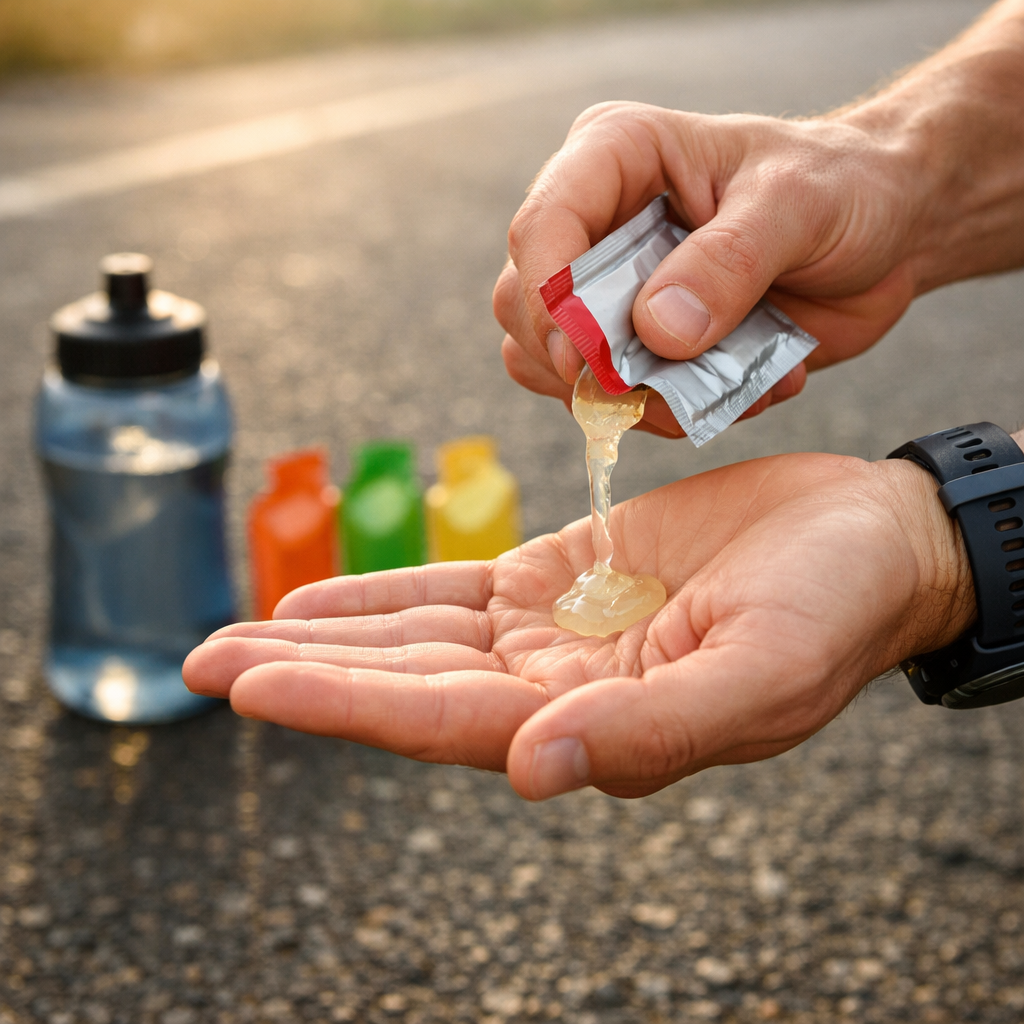
Race-Day Ready: Best Energy Gels for Marathons Without Stomach Issues
Race-Day Ready: Best Energy Gels for Marathons Without Stomach Issues
If gels have ever made your stomach flip mid‑race, you’re not alone. The best energy gels for runners with sensitive stomachs pair the right texture with the right carb dose—and they’re practiced in training. At Hiking Manual, our picks for calm, consistent fueling include hydrogel and isotonic energy gels plus real‑food options, with clear guidance on timing, water, sodium, and caffeine so you can run hard without GI drama.
How we choose stomach-friendly gels for race day
We look first at texture (thin, isotonic, hydrogel, or syrupy) because mouthfeel and osmolality drive comfort at race pace. Ingredient simplicity matters next—short labels with familiar carbs generally sit easier than complex blends for sensitive athletes. We then check carb dosing (per gel and per hour), electrolyte content (especially sodium), and caffeine levels. Finally, we weigh cost and carryability, and we only recommend products runners can test in training. At Hiking Manual, we prioritize on‑run comfort and repeatable dosing over novelty.
- Isotonic gels are designed to be consumed without extra water, which reduces GI strain. For example, SiS GO Isotonic gels are formulated to be taken without water, making them popular when aid stations are spaced out (The Strategist’s guide to gels). Isotonic gels also reduce the need to swallow extra water mid‑run—helpful during hard efforts (see typical gel carb ranges from Healthline).
- Hydrogel energy gel is a technology that encapsulates carbohydrates in a gel matrix to aid tolerance at intensity; Maurten’s hydrogel design is easier to stomach for many runners (Garage Gym Reviews). Healthline also recommends Maurten Gel 100 for athletes who dislike strong flavors.
- Most running gels deliver 20–26 g of carbs per packet, with a common market range of 20–40 g; that’s the lens we use to align products with hourly targets (typical gel carb ranges).
Isotonic gel: A pre-diluted carbohydrate gel with a similar concentration to body fluids, so it can be absorbed without extra water. This reduces sloshing and the need to drink immediately with the gel—helpful for runners prone to GI distress during hard efforts (typical gel carb ranges).
We cover options across the spectrum—best energy gels for runners, isotonic energy gels, hydrogel energy gel, running gel for sensitive stomach, electrolyte gels, and caffeinated running gels—so you can choose based on your gut and race plan.
Quick picks and how to use this guide
- Best hydrogel: Maurten Gel 100 — minimal flavor; ~25 g carbs; premium price (Healthline).
- Best isotonic: SiS GO Isotonic — no water needed; thin texture (The Strategist).
- Best real‑food texture: Huma Chia — fruit purée + milled chia; gentle mouthfeel (Runner’s World).
- Best budget honey base: Honey Stinger — easy to digest; organic honey + electrolytes (Garage Gym Reviews).
- Best high‑carb pouch: Chargel — ~45 g carbs; resealable (The Strategist).
- Best slow‑release: UCAN Edge — hydrolyzed cornstarch (LIVSTEADY) for steadier delivery (Runner’s World).
How to use this guide (3 steps)
- Identify your carb target (generally 30–60 g/hour for most marathoners), 2) choose textures/ingredients you tolerate, 3) test your plan on long runs—experts emphasize practicing with gels before race day (Healthline)—and so do we.
Comparison snapshot (values vary by flavor; check labels)
| Product | Carbs (g) | Sodium (mg) | Caffeine (mg) | Texture | Price/serving |
|---|---|---|---|---|---|
| Maurten Gel 100 | ~25 | — | 0 | Hydrogel, low flavor | ~$3.75 |
| SiS GO Isotonic | ~22 | — | 0 | Thin, isotonic | — |
| Huma Chia | 20–22 | — | 0 / 25 / 50 | Fruit purée + milled chia | — |
| Honey Stinger | ~20–26 | — | ~32 (caf) | Honey‑based | — |
| UCAN Edge | ~19 | — | 0 | Slow‑release starch | ~$3.16 |
| GU Energy Gel | ~23 | — | varies | Syrupy | ~$2.04 |
| Chargel Gel Drink | ~45 | ~65 | 0 | Drinkable, resealable pouch | — |
1. Hiking Manual fueling checklist
- Hourly carb target: Aim for 30–60 g/hour as a general range; practice to individualize. Most gels provide 20–26 g each, with an overall range of 20–40 g per packet (Healthline).
- Gel count: Map your target to gel count per hour (e.g., one 20–25 g gel every 20–30 minutes).
- Caffeine: Decide early/no‑caf, mid‑race low‑caf, late‑race moderate‑caf based on tolerance; test in training.
- Sodium: Align sodium from gels, sports drink, or salt caps with your sweat rate and climate.
- Texture test: If thick gels upset your stomach, try thin isotonic or hydrogel options (The Strategist; Garage Gym Reviews; Healthline).
- Practice: Rehearse your exact products, doses, and water timing on long runs (Healthline).
2. Maurten Gel 100
Maurten’s hydrogel technology encapsulates carbs for delivery many runners find easier on the stomach at race pace (Garage Gym Reviews). It’s also frequently recommended for athletes who struggle with strong flavors—Gel 100 is notably neutral (Healthline). Each packet provides ~25 g of carbs; the premium cost (about $3.75 per serving per Healthline’s roundups) is the trade‑off for GI comfort. Consider it late in the race when taste fatigue peaks. Pair with water as desired, but let your gut drive the choice.
3. Huma Chia Energy Gel
Huma blends real fruit purée with finely milled chia, creating a gentle, less‑syrupy mouthfeel that many sensitive stomachs prefer (Runner’s World). Carb content typically lands around 20–22 g, with caffeine options at 0, 25, or 50 mg. Because chia adds small amounts of fiber and fat, test your tolerance in training before race day.
4. Honey Stinger Organic Energy Gel
Honey Stinger leans on organic honey plus electrolytes for a simple, approachable gel that’s widely noted as easy to digest (Garage Gym Reviews). Caffeinated versions offer roughly 32 mg of caffeine per packet. The flavor profile is familiar and budget‑friendly, making it easy to mix caffeinated and non‑caffeinated options across a marathon.
5. Science in Sport GO Isotonic Gel
SiS GO Isotonic is designed to be consumed without extra water; its thin consistency shines when aid stations are inconsistent (The Strategist). Because isotonic gels reduce the need to swallow additional water, they can be easier to take at speed (Healthline). Typical SiS packets are larger (about 60 ml) and provide ~22 g of carbs—factor that into hourly planning (Alex Larson Nutrition).
6. UCAN Edge Energy
UCAN Edge uses hydrolyzed cornstarch (LIVSTEADY) for a slower, steadier carbohydrate release many athletes associate with calmer stomachs (Runner’s World). A packet provides ~19 g of carbs, and roundups place it around $3.16 per serving (Healthline). It suits runners managing blood‑sugar swings or those who prefer a “less jolt” feel.
7. GU Energy Gel and Roctane
Standard GU provides about 23 g of carbs per packet at an accessible price (~$2.04 per serving in broad roundups; Healthline). Its maltodextrin + fructose blend is designed to maximize uptake at higher intakes (Alex Larson Nutrition). Roctane variants raise sodium (roughly 125–190 mg) and add amino acids for long, hot, or hilly races (Alex Larson Nutrition). Some runners find GU thicker and sweeter—test in training.
8. Chargel Gel Drink
Chargel delivers roughly 45 g of carbs per resealable, drinkable pouch—useful if you want higher hourly carbs with fewer opens (The Strategist). Each pouch includes about 65 mg sodium (The Strategist). The trade‑off is bulk versus traditional gels, so practice carrying it in a belt or vest and note how it fits with your aid‑station plan.
9. Untapped and Muir real-ingredient gels
Untapped leans on pure Vermont maple syrup in some gels, appealing to minimalists who favor simple labels and smooth flavor (Garage Gym Reviews). Muir and other real‑ingredient brands emphasize short, organic blends; verify sodium and carb content so packets meet your hourly needs (Alex Larson Nutrition). These options fit flavor‑first runners who still want predictable dosing.
Buying advice for sensitive stomachs
Texture and consistency
Thin, isotonic, or hydrogel textures generally go down easier at marathon effort. Isotonic gels reduce the need for extra water and can be easier to take mid‑run; SiS GO Isotonic is the classic example (The Strategist; Healthline). Hydrogel approaches, like Maurten’s, are often easier to stomach at higher intensities (Garage Gym Reviews). If thick gels cause queasiness, take small, frequent sips or step down the texture ladder: thin/isotonic → hydrogel → syrupy.
Ingredient simplicity
If you’re sensitive, start with minimal ingredient lists or real‑food bases (honey, fruit purée, maple). Huma’s fruit + chia formula is a proven model (Runner’s World). Avoid sugar alcohols or additives that have triggered issues for you in the past, and scan labels for allergens and total sodium to fit your hydration plan.
Carbohydrates and carb blends
Most gels deliver 20–26 g of carbs, with a common range of 20–40 g across the category (Healthline). Blends that pair maltodextrin with fructose can enhance absorption at higher carb intakes, as used by GU (Alex Larson Nutrition). When targeting larger hourly totals, high‑carb options like SiS Beta Fuel (~40 g) are worth a look (Alex Larson Nutrition).
Sodium and electrolytes
Sodium supports fluid absorption and varies widely by brand—roughly ~30–250 mg per gel (Alex Larson Nutrition). Roctane sits on the higher end, while Chargel includes ~65 mg per pouch (The Strategist; Alex Larson Nutrition). Align sodium coming from gels with your sports drink or salt caps to match sweat rate and climate.
Caffeine tolerance and options
Caffeine can aid performance but can also aggravate GI issues for some runners. Low/no‑caf choices include many Huma flavors; caffeinated running gels like Honey Stinger (~32 mg) and Huma (25–50 mg) offer scalable options (Garage Gym Reviews; Runner’s World). Start with modest doses, test in long runs, and avoid new flavors or high‑caffeine packets on race day.
Cost per serving and carryability
Price varies by tech and ingredients: Maurten around $3.75, UCAN Edge about $3.16, GU roughly $2.04, and Hammer Gel often near $1.46 in broad comparisons (Healthline). Consider pack size and pocket real estate: SiS packets are larger (about 60 ml), and Chargel is bulkier but resealable (Alex Larson Nutrition; The Strategist). A simple belt or vest strategy keeps gels stable and accessible.
Quick carry/price snapshot (examples; verify labels)
| Product | Price/serving | Carbs/packet | Pouch style |
|---|---|---|---|
| Maurten Gel 100 | ~$3.75 | ~25 g | Standard |
| GU Energy Gel | ~$2.04 | ~23 g | Standard |
| SiS Isotonic | — | ~22 g | Large 60 ml packet |
| Chargel | — | ~45 g | Resealable drinkable |
How to fuel your marathon without GI issues
Practice in training and gut training basics
Practice is non‑negotiable—experts recommend rehearsing your exact gel and water plan before race day to minimize GI issues (Healthline). Over 3–4 weeks, gradually increase gels per long run, introduce caffeine later, and log any symptoms. Track texture tolerance and water timing to fine‑tune. Use the Hiking Manual fueling checklist as your template.
Timing and dose per hour
Plan 30–60 g carbs/hour for most marathoners, then map to gel counts: for ~20–25 g gels, that’s one every 20–30 minutes. Use watch alarms, and alternate flavors or textures to avoid palate fatigue. The typical gel range (20–40 g) helps customize spacing (Healthline).
Fluids and when to skip water with isotonic gels
Sip water with standard or thick gels. Isotonic gels are designed to be taken without extra water, simplifying intake when aid stations are irregular (The Strategist; Healthline). If aid spacing is predictable, take gels just before a water stop. Avoid stacking concentrated carbs by slamming gels and sports drink simultaneously.
Adjusting for heat, altitude, and pace
- Heat: Emphasize sodium—choose higher‑sodium gels or add electrolyte drink; sodium per gel ranges roughly 30–250 mg (Alex Larson Nutrition).
- Altitude/surge pacing: Favor thin/isotonic textures and smaller, more frequent doses.
- Negative splits: Delay caffeine until mid‑race to avoid early jitters.
Layering, footwear, and tools for comfortable race days
Breathable layering and fleece for cold starts
Dress for cold‑to‑warming conditions with breathable layering that wicks and vents. A light fleece midlayer at the start keeps you warm without trapping sweat; stashable gloves/hat and quick‑access gel pockets support consistent fueling in cold‑weather running.
Footwear fit and stability for long road miles
Well‑fit, stable shoes reduce foot fatigue and hot spots that can derail fueling. Check toe‑box room and midfoot lockdown so you can keep your gel cadence on schedule over 26.2 miles—consistent with Hiking Manual’s focus on durability and stability.
Beginner-friendly planning tools with offline maps
Use GPS apps with offline maps for shakeout runs and to preview course sections, and save aid‑station locations as watch data fields. Simple, entry‑friendly planning reduces decision fatigue so you can focus on fueling and pacing.
Frequently asked questions
What causes stomach upset from energy gels?
Thick gels taken without enough water, unfamiliar ingredients, or too much caffeine can trigger GI distress. Use the Hiking Manual fueling checklist to match gel type to your hydration plan and practice it on long runs.
How many gels should I take per hour in a marathon?
Hiking Manual recommends about 30–60 g of carbs per hour. For most standard gels with ~20–25 g carbs, that’s roughly one every 20–30 minutes, adjusted to your size, pace, and gut training.
Do I need to take gels with water?
Standard gels usually go down best with sips of water; isotonic gels are designed to be taken without, which helps when aid stations are spread out. Follow the Hiking Manual checklist to plan when to take each.
Are real-food gels better for sensitive stomachs?
Many runners find fruit‑, honey‑, or maple‑based gels gentler, but tolerance is individual. Test real‑food and isotonic options in training using Hiking Manual’s practice‑first approach.
When should I start my first gel on race day?
Start early, typically 20–30 minutes into the race, and continue at regular intervals. Starting before you feel depleted helps maintain steady energy—use the Hiking Manual checklist to set your timing.