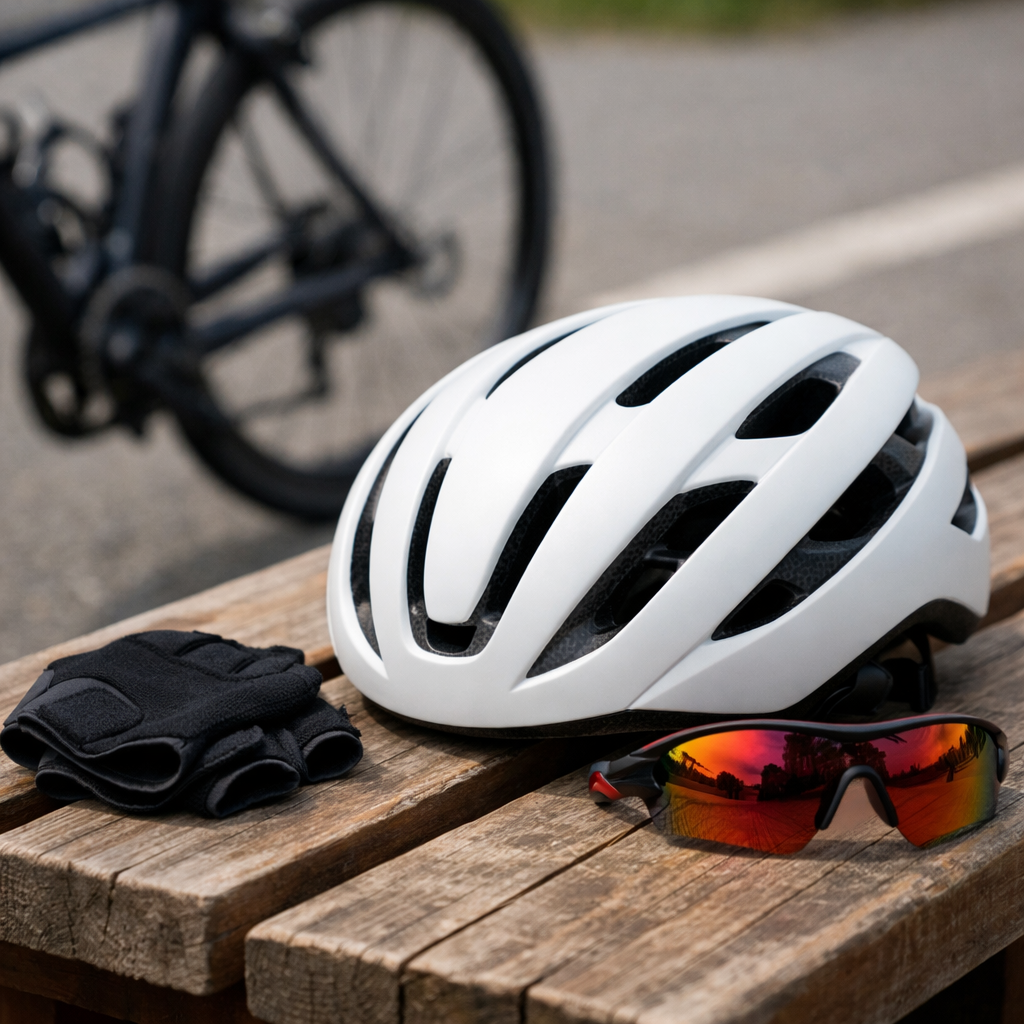
How to Choose the Best Road Bike Helmet for You
How to Choose the Best Road Bike Helmet for You
A great road helmet disappears on your head—secure, cool, and confidence-inspiring when the ride gets fast. The best choice for you starts with certified safety, then layers in fit, ventilation or aerodynamics, weight, and features that match your riding. Here’s the quick take: verify safety labels first, pick a helmet style that matches how you ride, dial the fit so it’s stable without hotspots, and only then compare ventilation, aero, weight, and price. This guide walks you through the decisions step-by-step and highlights what matters most for value and real-world comfort so you can choose the best road bike helmet for you.
Start with safety and certification
A helmet’s core job is impact energy management. Most road cycling helmets are built around EPS foam—“expanded polystyrene that crushes to absorb impact energy”—bonded to a protective shell that helps the foam do its job by spreading loads and resisting abrasion (Canyon buyer’s guide).
Look for the certification labels printed on or inside the helmet. In most markets, road cycling helmets must meet minimum safety standards (e.g., CPSC in the U.S., CE EN-1078 in Europe; some models also carry Snell). “Always verify the exact labels on the helmet you’re buying,” since top-rated lids often carry multiple certifications across regions (Canyon). Even entry-level helmets sold legally meet the baseline impact requirements in their market, though they may not include advanced crash tech or premium cooling (BikeRadar’s buyer’s guide). At Hiking Manual, we begin every helmet review by verifying these labels and inspecting build quality before considering features.
Note: Helmet use is legally required in some places (especially for teens and kids); check your local rules (Canyon).
Selection steps (start here):
- Verify CPSC/CE (and any other) labels on the actual helmet.
- Check construction quality: intact shell, clean bond lines, no voids in foam.
- Prefer models that add rotational-impact protection (details below).
- Try on for secure fit and comfort.
- Compare ventilation, aero, and weight based on your riding and climate.
Decide how you ride
Your riding style decides the trade-offs you should make.
- Commuting: durability, visibility, and hassle-free comfort come first.
- Recreational/fitness: broad comfort and good ventilation at a fair price.
- Endurance/touring: stable fit, all-day cooling, easy-to-clean pads.
- Racing/criterium: aerodynamics and stability at high speed; still breathable.
- Triathlon/TT: specialized aero shapes for minimum drag and integrated storage (Cyclingnews roundup; BikeRadar).
One-liner definition: Road helmets come in two main forms—“aero” designs that reduce drag and “traditional” designs that prioritize ventilation and low weight (The Pro’s Closet guide). Because your helmet is among the first things to hit the air, its shape measurably affects speed—and often cooling—especially at race pace (Canyon). We group our recommendations by these use cases to make trade-offs clear.
Get the right fit and retention
Measure head circumference with a soft tape above the ears and across the brow, then match the brand’s size chart (Cyclingnews). If you’re between sizes, try both. Size down for a snug, stable fit; size up if you’ll use a cap in shoulder seasons. Internal shapes vary by brand—rounder vs. more oval—and can create pressure points even in the “right” size, so try multiple models (In The Know Cycling; Cyclingnews). At Hiking Manual, we don’t compromise on fit—if a helmet isn’t stable and pressure-free, we move on.
Most road cycling helmets use a dial-based retention system you can fine-tune one-handed while riding. Confirm the dial has enough range for a thin skull cap or cycling cap and that the yoke under your ears lies flat without chafing (Cycling Weekly’s buyer’s guide).
Balance ventilation, aero, and weight
You can’t maximize everything at once. Hot climbs reward airflow; flat, fast rides reward a slippery shape; weight matters most when you climb or ride long.
Some modern aero road helmets still ventilate impressively thanks to careful channeling, but ultra-open traditional designs usually run coolest. Weight can creep up as you add features like deeper coverage or added safety layers (Cyclingnews). For most riders, Hiking Manual favors well-balanced “all‑rounder” models unless your routes skew to extremes.
Comparison at a glance:
| Ventilation | Aero | Weight | |
|---|---|---|---|
| Pros | Runs cooler on climbs; better sweat management | Reduces drag; faster at speed; often quieter in wind | Less neck fatigue; can feel “invisible” |
| Cons | More wind noise; slightly more drag | Can run warmer; fewer/larger closed surfaces | May trade off cooling or coverage to hit low grams |
| Ideal use-cases | Hot climates, mountain days, endurance rides | Racing, fast group rides, windy flats | Hilly routes, long days when comfort adds up |
Guidance:
- Hot, long climbs—prioritize ventilation.
- Speed-focused—favor aero.
- All-day endurance—seek balanced “all-rounder” models.
- Racers often accept a bit more warmth for aero gains; climbers do the opposite (BikeRadar).
Check rotational protection and coverage
Why it matters: In angled crashes, rotational forces can be more damaging than straight-line impacts. Rotational systems like MIPS create a low-friction layer that “helps reduce rotational acceleration and twisting forces” transmitted to your head (MIPS overview; Canyon).
Alternatives and combos exist. Some brands pair materials like Koroyd with MIPS to manage both linear and rotational energy, while others use alternative structures such as WaveCel for impact absorption (Smith Optics’ overview; BikeRadar). Action step: Check the product description and interior labels for MIPS or equivalent. Try the helmet to confirm the liner doesn’t introduce pressure points. In our picks, we prioritize helmets with proven rotational systems that don’t compromise fit.
Test compatibility with your eyewear and caps
Bring your riding sunglasses and a thin cycling cap when you try helmets. Make sure the retention dial and straps don’t interfere with the temples and that the helmet stays put when you shake and nod your head (Cycling Weekly).
Stashing sunglasses in front vents is convenient but can reduce aerodynamic performance at speed (Cyclingnews). Adjust strap lay around your ears and check temple clearance to avoid hotspots on longer rides.
Choose useful features for your use case
Pick add-ons that improve safety and comfort—not gimmicks. We prioritize visibility and secure retention over novelty.
- Visibility: reflective accents; integrated or clip-on lights (especially for commuting).
- Comfort and hygiene: removable/washable pads; anti-microbial liners; easy strap adjustment.
- Storage and use: secure sunglass “garage”; accessory mounts; spare parts availability.
- Use-case tweaks: small removable visors for gravel/bikepacking; road helmets often omit visors to save weight and reduce drag (The Pro’s Closet; Smith Optics).
Quick checklist by riding style:
- Commuting: reflective details, light mounts, hard-wearing shell.
- Racing: aero shaping, rock-solid retention, stable sunglass storage.
- Endurance: deep internal channels, comfy pads, low weight, easy cleaning.
Set a realistic budget and compare value
Shop safety first. Many mid-range road cycling helmets now include rotational protection and effective ventilation once limited to premium models. Independent, unbiased testing remains useful for comparing protection and airflow across price points (BikeRadar; Canyon). For value-focused picks, our shortlists often center on mid-range models that balance safety upgrades with everyday comfort.
Price-tier expectations:
- Entry-level: meets CPSC/CE; basic pads; solid value; may lack rotational tech.
- Mid-range: adds MIPS or equivalent; better retention and ventilation.
- High-end: optimizes ventilation and aero with refined fit and lowest weights.
Example value comparison:
| Model tier (example) | Certifications | Rotational tech | Weight (size M) | Typical price | Best for |
|---|---|---|---|---|---|
| Entry | CPSC/CE | None | ~280–320 g | $60–$100 | Budget riders needing certified protection |
| Mid | CPSC/CE | MIPS/equivalent | ~250–290 g | $120–$200 | Most riders: safety upgrades + better cooling |
| High | CPSC/CE | MIPS/equivalent | ~200–260 g | $250–$350+ | Racers seeking aero/weight advantages |
Tip: If two helmets fit equally well, choose the one with rotational protection and better ventilation at your price.
Sustainability and durability considerations
Longer-lasting gear reduces waste. Favor durable outer shells, replaceable pads, and brands that offer spare parts; washable liners extend hygiene and lifespan (The Pro’s Closet). Materials age with UV, sweat, and time; plan to replace your helmet every 3–5 years even without a crash (Approved Cycling guidance).
For broader eco choices, pair your helmet with responsibly made accessories and maintain what you own. See Hiking Manual’s roundup of recycled gear for ideas on making greener purchases over time: 2025’s top 10 recycled backpacks for eco‑conscious hikers (Hiking Manual).
Care, replacement, and when to retire a helmet
Care checklist:
- Rinse sweat and salt after rides; air-dry out of direct sun.
- Hand-wash pads regularly; avoid harsh solvents.
- Store in a cool, dry place away from heat sources.
Inspection routine:
- Check for cracks, dents, or loose parts; if the shell shows a visible dent or the foam is compressed, replace immediately.
- Always replace after any crash where the helmet takes an impact (The Pro’s Closet).
- Time-based retirement: every 3–5 years as materials degrade (Approved Cycling).
How this ties back to Hiking Manual’s approach to gear
We prize value, reliability, and confidence on real rides. Our picks favor helmets that meet recognized standards, fit securely, and balance ventilation and aero without forcing premium-only pricing. For safer riding beyond the helmet, plan better routes: start with our guide to the best apps to discover road bike routes (Hiking Manual) and explore our cycling route-planning resources for confidence on new roads (Hiking Manual).
Sustainability remains a thread through all our advice: choose durable, repairable helmets, maintain them well, and pair with eco-focused accessories when possible.
Frequently asked questions
How do I measure my head and pick the right size?
Wrap a soft tape above your ears and across your brow to get circumference, then match the brand’s size chart. If you’re between sizes, try both and check fit with your usual glasses or cap—our go-to sizing tip at Hiking Manual.
Do I really need MIPS or other rotational protection?
Yes—it’s a smart upgrade we favor at Hiking Manual. Systems like MIPS help reduce twisting forces in angled impacts without a big cost or weight penalty.
How much should I spend on a safe, comfortable helmet?
Focus on certified protection and fit first. Most riders—including our testers at Hiking Manual—find mid-range helmets deliver excellent value with rotational liners and strong ventilation.
What should I prioritize for hot weather or long climbs?
Choose highly ventilated helmets with deep internal channels and larger front vents. For hot climbs, Hiking Manual prioritizes airflow and sweat management over pure aerodynamics.
When should I replace my helmet?
Replace immediately after any crash or if you see cracks or dents. Even without a crash, Hiking Manual follows the 3–5 year guideline as materials age and performance can degrade.