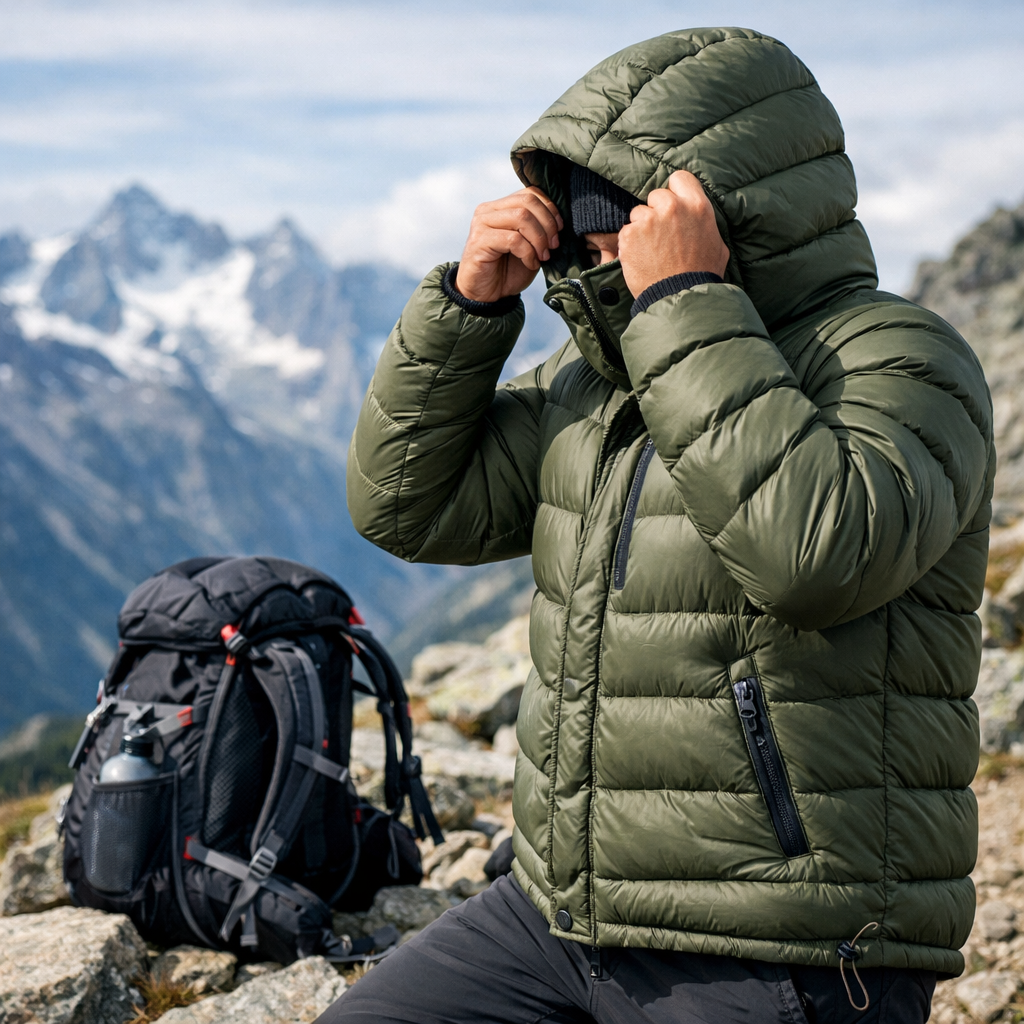
How to Choose and Where to Buy Trail-Ready Down Parkas
How to Choose and Where to Buy Trail-Ready Down Parkas
A great trail-ready parka keeps you warm when you stop moving, blocks wind on exposed ridgelines, and shrugs off light snow—all without weighing down your pack. To choose well, match insulation to your climate, pick a shell that handles wind and flurries, and insist on transparent specs (fill power, fill weight, shell fabric). To buy with confidence, shop down parkas with weatherproof shells from brand-direct sites and specialty retailers that disclose RDS-certified down and offer easy returns. Below, we break down what matters, where to shop, and how to test your pick before your next cold-weather hike. This guide reflects Hiking Manual’s field-tested approach: clear specs, practical features, and realistic trail use.
Define your use and trail conditions
Start with your primary use case:
- Fast-and-light backpacking: moving most of the day, brief stops; typical lows around freezing, variable wind; prioritize low weight and quick on/off warmth.
- Shoulder-season hiking: swingy temps, gusts on ridges, intermittent drizzle or wet snow; balance warmth and shell protection.
- Deep-winter belay/park duty: long stationary periods in single digits and strong wind; prioritize high loft and a tougher shell.
Log expected low temperatures, wind exposure, and wetness for your target trails. Check official park pages for seasonal notices, fees/permits, and road or parking closures, and pair AllTrails or Komoot plans with downloaded offline maps and an offline-capable GPS/safety backup.
“Warmth-to-weight” means how much insulation a jacket provides relative to its mass. Down excels here because its loft traps still air efficiently while packing small, so hikers get more warmth for fewer ounces carried on the trail (see field-driven overviews from The Trek and Mountain Hardwear’s Down Finder).
Dial in insulation: fill power and fill weight
Fill power measures loft—the cubic inches one ounce of down occupies under a standardized weight. Higher numbers mean more efficient insulation, not guaranteed warmth (see REI’s insulated outerwear guide). Fill weight is the total ounces or grams of down inside the jacket and is the clearest indicator of absolute warmth. At Hiking Manual, we prioritize fill weight to gauge real warmth, then use fill power to compare efficiency at a given weight. As a simple map (see Mountain Equipment’s down buying guide):
| Fill weight (g) | Warmth class | Typical use |
|---|---|---|
| <150 | Lightweight | Ultralight/shoulder-season, active use, camp-only warmth |
| ~200–250 | Medium warmth | Cold shoulder-season to moderate winter, mixed activity |
| >300 | Heavyweight | Deep winter, long static periods, belay/camp in frigid temps |
Practical rule: thickness is a fast warmth cue—thicker parkas are usually warmer than thinner ones regardless of fill power. Quick targets:
- Ultralight or shoulder season: 800–1000 fill power with modest fill weight (around 150 g).
- Deep winter: prioritize higher fill weight (300 g+) with a durable shell. Down’s warmth comes from tiny interlocking fibers that trap still air; higher-quality down also packs smaller and rebounds loft better.
Choose a shell that handles wind, snow, and light rain
For wind and spindrift, look for tightly woven ripstop nylon with a durable water repellent and, when possible, Pertex or Pertex Quantum Pro—Quantum Pro’s PU coating improves wind and moisture resistance over standard Quantum (see BetterTrail’s comparison of down shells). Recycled nylons add eco-cred without sacrificing durability.
Know the limits: no down parka is truly breathable when you’re moving hard. Ultralight shells help a bit, but managing heat with two-way zippers/vents is key; in sustained precipitation, protect down with a water-resistant or waterproof shell (see REI’s how-to on insulated outerwear). DWR (durable water repellent) is a thin treatment that makes water bead and roll off in light precip; it wears with dirt and abrasion, so wash periodically and reproof as needed.
Prioritize fit and trail features
Fit for the trail, not the catalog:
- Choose a hip-length or slightly longer cut for coverage, with enough room for a midlayer but no dead space at the kidneys or hem.
- An adjustable, helmet-compatible hood and high collar seal out gusts.
- Features that matter:
- Two-way front zipper to vent heat and access a harness or hipbelt.
- High hand pockets that clear a hipbelt.
- Reinforced seams/panels in high-wear zones plus glove-friendly pulls and toggles. Remember: down isn’t breathable—use vents, zips, and a smart layering strategy to regulate heat on the move.
Plan your testing and returns
Test before you commit:
- At home, wear the parka over your base and midlayer, cinch hood/hem, and practice reach and torso twists with a loaded pack.
- Take a 15–20 minute chilly-evening walk; note cold spots, zipper wave, and how fast you overheat.
- Sit for 10 minutes (camp/belay simulation) and check hem coverage and hand warmth.
Buy from sellers that disclose fill power and fill weight, note RDS or traceability certifications, and offer hassle-free returns/exchanges. Hiking Manual favors spec-forward sellers with straightforward repair and warranty paths. Independent reviews that mix field miles with lab-style comparisons are especially useful for warmth and durability baselines (see OutdoorGearLab’s comparative testing). Supply-chain context: more than 70% of the world’s down originates in China, so look for responsible sourcing like RDS to add transparency (reported by CleverHiker’s guide to down jackets).
Where to buy and try on trail-ready down parkas
You can shop down parkas with weatherproof shells in these places:
- Brand-direct: Best size runs, latest fabrics, and clear warranty/repair pathways.
- Specialty retailers/co-ops: Try on in person, verify shell fabrics (e.g., Pertex Quantum Pro, recycled ripstop) and DWR claims, and confirm RDS certification. For example, REI Co-op models like the 650 Down series use RDS-certified down (see REI’s expert round-up of down jackets).
- Trusted outlets that list tested specs: Look for clear disclosures of fill power, fill weight, and shell fabric; models such as Rab’s Neutrino Pro are commonly called out for Pertex Quantum Pro shells. Hiking Manual’s buying guides highlight spec-forward options and call out fill weight, shell fabric, and sourcing so you can compare like with like.
What to check before you buy:
- Fill power and fill weight both disclosed.
- Shell fabric specified (Pertex/Pertex Quantum Pro or recycled ripstop) and DWR noted.
- Return window, warranty, and repair options spelled out.
Search tip: Use phrases like “shop down parkas with Pertex Quantum Pro shells” and “buy RDS-certified down parkas” to filter for spec-forward listings.
Integrate your parka into your hike plan
Pair AllTrails or Komoot route planning with official park pages for permits/fees, seasonal closures, and trailhead parking intel. Download offline maps and carry an offline-capable GPS/safety backup in no-service zones.
Simple cold-weather layering:
- On the move: base layer + breathable midlayer.
- At stops/exposed ridges: add your down parka and fine-tune heat with a two-way zipper.
- In wet precip: throw a hardshell over the down to protect loft; if you need a shell, see our budget hiking rain jackets guide.
Mini field checklist:
- Parka stuff sack or dry bag.
- Small repair tape patch.
- DWR refresher wipes.
- Gloves that work with toggles and zippers.
Value picks and example use cases
These examples reflect the spec trade-offs we look for at Hiking Manual; compare current models and prices before you buy.
- Ultralight/fast-and-light:
- Montbell Plasma 1000 shows how very high fill power with modest fill weight delivers shoulder-season or camp-only warmth at astonishingly low total weight.
- Katabatic Tarn/Tincup are strong ultralight options, with thoughtful patterns and premium down.
- Value midweight:
- REI Magma 850 pairs high-quality 850-fill down with recycled ripstop for a warm, light, and reasonably durable hiker’s value.
- Decathlon Simond MT100 (800-fill recycled down) is a standout three-season budget pick that still packs small.
- Weather-resistant shells for cold/windy:
- Rab Neutrino Pro uses high-loft down under a Pertex Quantum Pro shell and a two-way zipper to balance protection and on-the-move venting.
Price reality check: mid-tier technical parkas commonly sit around $400–$500, while premium or expedition-ready parkas frequently reach $700+ (GearJunkie’s parka pricing roundup).
Frequently asked questions
What fill power and fill weight do I need for my climate?
For shoulder seasons, target 800–1000FP with lighter fill weights (<150 g). For true winter, prioritize fill weight—around 200–250 g for moderate cold and 300 g+ for deep winter—just as we do at Hiking Manual.
Are waterproof shells necessary on a down parka?
Down loses loft when wet, so pair your parka with a waterproof hardshell in sustained rain or snow. Water-resistant fabrics and DWR help in light precip but don’t replace a true shell.
How should a trail-ready parka fit over layers and a pack?
Aim for a hip-length cut with room for a midlayer, a snug adjustable hood, and high hand pockets that clear a hipbelt. Hiking Manual also recommends a two-way zipper to vent and access a harness or hipbelt.
When should I choose synthetic insulation instead of down?
Choose synthetic for frequently wet conditions or high-sweat activities since it retains loft when damp and usually costs less. For an overview, see our synthetic insulation basics.
How do I care for down to maintain loft and DWR performance?
Wash with a down-safe detergent, tumble dry low with clean tennis balls to restore loft, and reproof the shell’s DWR as needed. Store loosely, not compressed, to preserve fill resilience.