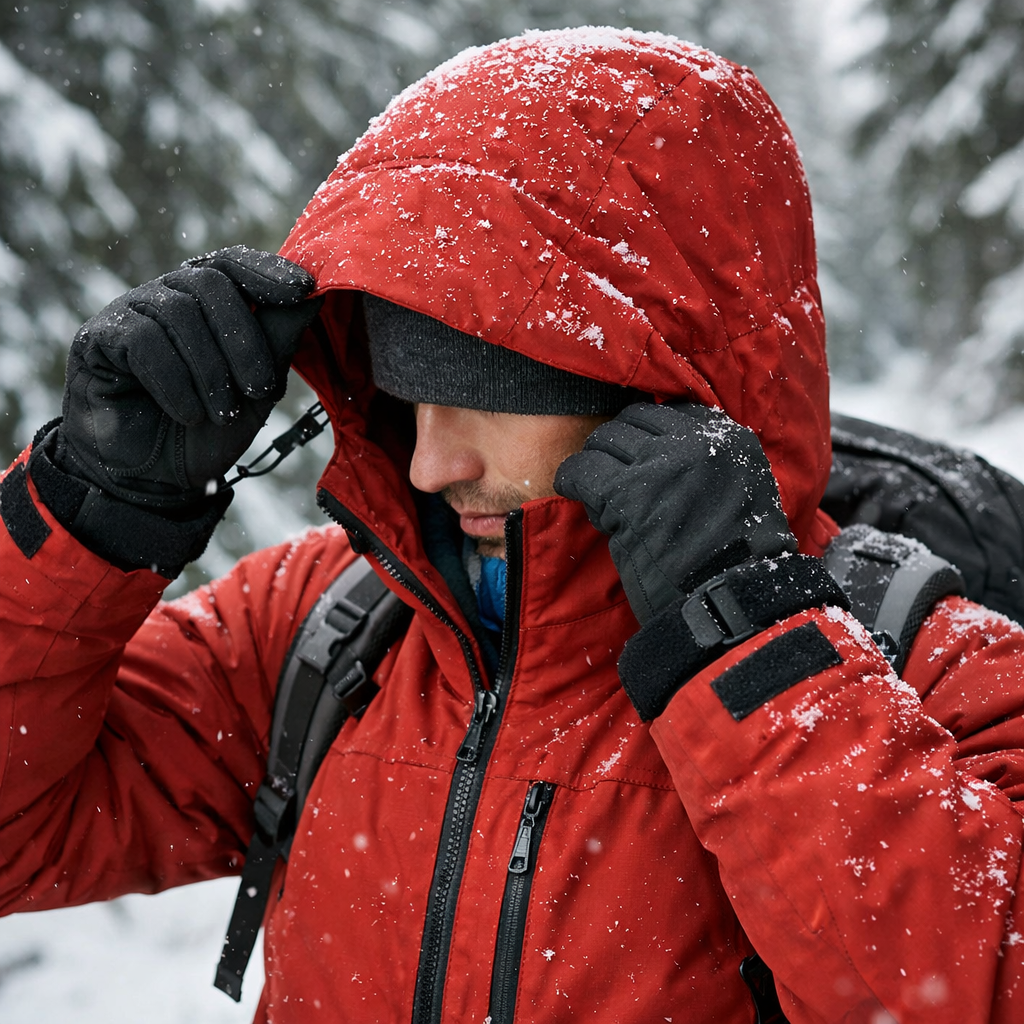
How to Choose a Windproof, Snow-Ready Parka That Actually Fits
How to Choose a Windproof, Snow-Ready Parka That Actually Fits
A great winter parka blocks wind, shrugs off snow, and fits well enough to layer without becoming a sail. At Hiking Manual, we put function and fit first, favoring real-world performance over spec-sheet bragging. Start by matching your conditions and activity to the right shell and insulation, then confirm the fit with the layers you’ll actually wear. For mixed winter weather, a breathable, windproof or waterproof outer with smart vents and a storm-ready hood often matters more than chasing the highest lab numbers. Down excels in cold-dry climates; synthetics are safer in wet or high-output days. Below, we break down shell choices, insulation specs, snow-focused features, and fit checks—so you can choose a windproof, snow-ready parka that truly fits your life.
Define your use and climate
Pick by activity and weather, not hype.
- Commute/urban: Prioritize windproofing, a longer hem, and easy-on features; waterproofing is optional in cold, dry snow.
- Lift-assisted ski/snowboard: Choose a waterproof membrane with taped seams, powder protection, and a hood that works with helmets.
- Snowshoe/hike: Go for breathable windproof or waterproof-breathable shells with vents; use synthetic insulation for wet or sweaty days.
- Prolonged cold exposure: Opt for more insulation, windproof construction, and a snorkel-style hood.
It’s common to overbuy—very heavy parkas can overheat or feel bulky when a lighter, layered system would perform better, a point echoed in Alpkit’s waterproof guide. Breathability matters: windchill is the extra heat loss caused by moving air; a windproof shell slows airflow through the jacket to preserve warmth. But if a shell can’t breathe, sweat builds up inside even when the outer is technically waterproof, which can chill you later, as outlined in Alpkit’s waterproof guide.
Pick the right shell for wind and snow
For most mixed winter conditions, a 2.5–3-layer shell with around 20K/20K waterproof/breathable ratings is a solid target, but don’t fixate on numbers alone—ventilation and a reliable hood often influence comfort more than peak ratings, per Alpkit’s waterproof guide. At Hiking Manual, we prioritize effective venting and hood reliability over marginal rating differences.
A quick compare:
| Shell type | What it is | Pros | Cons | Best for |
|---|---|---|---|---|
| Windproof DWR shell | Tightly woven nylon/poly with durable water repellent (DWR) | Light, more breathable, blocks wind, fast to dry | Not fully waterproof; wets out in sustained wet snow | Cold, dry snow; high-output hikes |
| Waterproof membrane (2L/3L) | Laminated/bonded membrane; fully seam-taped | True waterproofing, stronger storm protection | Heavier, pricier, can be less breathable | Wet snow, sleet, mixed precip, chairlift days |
Look for “waterproof” tied to a membrane and 2L/3L construction rather than vague “weatherproof” claims, a distinction highlighted in The Inertia’s winter jacket guide.
DWR (durable water repellent) is a factory-applied finish that makes water bead off the fabric; it improves water shedding but is not a substitute for a waterproof membrane.
Windproof fabrics and ratings
Windproof outer fabrics or inner wind barriers prevent air from flushing body heat. Closely woven nylon or polyester shells, and specialist windproof membranes such as GORE Windstopper, offer excellent protection. When available, check CFM wind ratings: the lower the CFM (cubic feet per minute), the better the wind block; near-0 CFM is effectively windproof, as explained in Stio’s down parka explainer. For stormy, windy snow, fabrics like Pertex Quantum Pro balance breathability, water resistance, and windproofing, a combination praised in Outside’s best winter parkas.
Waterproofing, seams, and DWR
If you expect wet, sustained snow or mixed precipitation, prioritize a fully waterproof membrane paired with taped seams; seam taping and a water-repellent face fabric noticeably improve storm-worthiness, according to Outside’s best winter parkas. Seek explicit “waterproof” language tied to membrane or 2L/3L construction and look for storm flaps over zippers for added wind and wet block, guidance reinforced by The Inertia’s winter jacket guide.
Seam taping is a bonded film over stitching that prevents water from entering through needle holes in a waterproof shell.
Breathability and vents
Even waterproof shells can accumulate sweat if they don’t vent well. Combine breathable fabrics with underarm pit zips to dump heat during climbs or sprints, an approach backed by Alpkit’s waterproof guide and Stio’s down parka explainer. Practical venting details include:
- Underarm zips and two-way front zips to modulate airflow during stop-and-go travel.
- In-store test: open/close vents with gloves; confirm the hood and storm placket keep coverage while venting; and ensure the front zip’s second slider is easy to operate.
For more layering ideas that pair well with vented shells, see our best fleece jackets for snow sports.
Choose insulation for your conditions
Quick rule: choose down for cold, dry conditions and synthetic for wet/mixed or high-exertion days. Down packs warmth efficiently but loses loft when wet; synthetics like PrimaLoft retain warmth when damp and dry faster, per Perfect Moment’s parka guide and Stio’s down parka explainer. Hiking Manual typically pairs vented shells with synthetics for wet, high-output days and reserves down for cold-dry use.
Compare at a glance:
- Warmth-to-weight: down wins; high fill power increases loft per ounce.
- Wet-weather resilience: synthetic is safer; retains more warmth when damp.
- Drying time: synthetic generally dries faster.
- Packability: down compresses smaller; synthetics are improving but bulkier.
- Care/price: down often costs more and needs gentler care; synthetics are easier and budget-friendlier.
Down for dry cold
Down delivers the best warmth-to-weight but loses loft and effectiveness if it gets wet, so pair it with a waterproof-breathable shell in wetter climates or reserve it for cold-dry use, as noted by Stio. A common real-world build is a midweight, 600-fill down paired with a waterproof/breathable shell for all-around winter duty, a combo seen in GQ’s parka roundup. For static use—commutes, spectating—lean into higher fill power and a longer length to trap more heat.
Synthetic for wet or mixed weather
Synthetic insulation (e.g., PrimaLoft) keeps insulating when damp and is a safer bet for storm days with wet snow or sleet, per Perfect Moment’s parka guide. For high-exertion travel, pair synthetic insulation with breathable shells and pit zips to keep sweat in check, as Stio advises. Synthetics also dry faster and are simpler to maintain when you’re traveling.
Fill power, fill weight, and baffle design
Fill power measures down’s loft (volume per ounce); higher numbers trap more air and heat. Fill weight is the total amount of insulation. Consider both together to judge real warmth, not fill power alone. Choose baffle designs that reduce cold spots without restricting movement; raglan sleeves help preserve range of motion in layered systems, a detail often praised in Outside’s best winter parkas.
Lock in snow-ready features
Storm-friendly details keep spindrift out and warmth in:
- Powder skirt, longer hem, and a snorkel-style hood for blizzards.
- Storm placket over the front zip, adjustable cuffs or wrist gaiters, reinforced hem/seat for sitting in snow, and glove-friendly zips. Testers consistently value taped seams, durable face fabrics, and stiffened hood peaks that maintain visibility in wet weather, findings echoed by Outside’s best winter parkas.
Hood design and face protection
An ideal hood is highly adjustable, has a structured brim/peak for drip control, offers chin coverage, and plays nice with helmets or beanies. Stiffened peaks help visibility in heavy wet snow, a feature Outside highlights. For blizzard conditions, a snorkel-style hood that extends forward and around the face blocks spindrift without killing peripheral vision. A snorkel hood extends further forward and around the face to shield from wind and spindrift while preserving sightlines.
Hem length and powder protection
Longer parkas (mid-thigh to knee) boost coverage and warmth; hip-length favors mobility. For most winter walking and travel, mid-thigh is a versatile sweet spot for snow and wind, as Stio notes. A powder skirt is an internal elastic barrier that seals out snow from below—especially useful in deep or wind-driven snow. Two-way zips improve stride and sitting comfort on longer coats, a detail called out by GearJunkie’s parka picks.
Cuffs, wrist gaiters, and zipper plackets
Choose adjustable cuffs or internal wrist gaiters to stop drafts and spindrift; confirm gloves overlap cleanly. Storm flaps over zippers block wind; snap closures often outlast velcro for durability, according to The Inertia’s winter jacket guide. Ensure zipper pulls are glove-friendly and the placket doesn’t snag against mid-layers.
Pockets and storage that work in winter
Look for insulated handwarmer pockets, an internal stash for goggles/phone, and an easy-access chest pocket; ski/snow parkas may add pass pockets. Shake/brush/stash pockets that dump accumulated snow quickly are handy in deep snow conditions, a utility note echoed by Stio. Test pocket function with gloves and check that internal pockets don’t compress chest insulation.
Get the fit right with real layers
Try the parka on with your actual base and mid-layers before removing tags. Walk, reach, and operate zips/plackets to confirm nothing binds or rides up. A too-small size restricts layering and a too-big cut catches wind—fit is performance in a storm, a point reinforced in Alpkit’s waterproof guide. For layer ideas, see our best hiking jackets for cold weather.
Sizing by measurements, not vanity sizes
Measure your chest under the arms at the fullest part and compare with brand charts; note waist/hip and sleeve length for longer hems, per Outdoor Research size and fit. Expect model variance: some parkas run trim for city wear, others are roomy for layering—product notes usually flag trim vs relaxed fits, as The Inertia’s winter jacket guide suggests. If between sizes, pick trimmer for solo wear; size up slightly for layered, active snow travel.
Mobility tests and range of motion
Run a quick 4-step test:
- Raise arms overhead,
- Hug across your chest,
- Squat,
- Simulate pole-planting.
There should be no hem lift, shoulder bind, or cuff pullback. Raglan sleeves or articulated elbows help mobility in layered systems, and the hood should track with your head without blocking vision—priorities commonly cited in Outside’s best winter parkas.
Adjustability to seal drafts
Verify hem drawcords, waist cinches, and cuff closures. One-handed, glove-friendly adjusters let you fine-tune warmth and block wind entry points, as Stio notes. Loosen for climbs or crowded commutes; snug down for chairlifts, exposed ridgelines, or headwinds.
Check durability, care, and value
Choose durable face fabrics and reinforcements at the hem/seat if you’ll sit on lifts or snowbanks; taped seams improve long-term storm protection, as seen in Outside’s best winter parkas. Often, ventilation, a well-shaped hood, and the right-weight shell deliver more day-to-day value than chasing max ratings, a perspective aligned with Alpkit’s waterproof guide.
Fabric durability and reinforcements
Favor tightly woven nylon/poly for abrasion resistance and wind block. Reinforced seat and hem stand up to chairlifts and parking-lot sit-downs; inspect stitching density, zipper quality, and seam taping in high-stress zones, guidance echoed by Stio’s down parka explainer.
Care, DWR refresh, and easy repairs
Refresh DWR with wash-in or spray-on treatments to restore beading and improve surface water shedding. Routine cleaning maintains breathability and warmth. Learn simple fixes—patch kits for shell nicks, zipper slider replacements—and check whether the brand supports warranty or in-house repairs.
Weight, packability, and price trade-offs
- Warmer, heavier insulated parkas are bulkier but cozy for static use.
- Membrane shells add security in wet snow at a weight and price premium.
- Windproof-only DWR shells are lighter, more breathable, and cheaper but less storm-proof.
Target “just enough” insulation for your typical lows, then flex with mid-layers; for travel, consider compressible synthetics or treated-down inside a membrane build.
Quick checklist before you buy
- Define your use and typical weather (wet vs dry snow, wind).
- Pick a shell: waterproof membrane with taped seams for wet/mixed; windproof DWR shell for dry, breezy days.
- Choose insulation: down for dry cold; synthetic for wet/mixed or active days.
- Confirm snow features: powder skirt, longer hem, storm-ready hood, storm placket, adjustable cuffs.
- Try on with layers; test mobility, hood tracking, vents, and zips with gloves.
- Check care/repair options to extend life; weigh real-world reviews alongside specs like CFM, fill power/weight, and membrane ratings.
Frequently asked questions
How do I choose the right size for a parka I’ll layer under?
Measure your chest under the arms at the fullest part and compare to brand charts (see Hiking Manual’s size-and-fit tips). Try on with your base and mid-layers, then raise your arms and squat to confirm no binding or hem lift.
What makes a parka truly windproof in real use?
A low-CFM windproof shell from a tight-weave fabric or windproof membrane, plus sealed entry points—adjustable hood, cuffs, hem, and a storm placket—prevents airflow that strips heat, which we prioritize at Hiking Manual.
How much down fill power or synthetic insulation do I need?
Look at fill power and fill weight together; higher fill power is loftier, but total fill drives warmth. In wet or active conditions, choose synthetic insulation that stays warm when damp—our go-to at Hiking Manual.
Do I need a waterproof membrane or is DWR enough for snow?
For wet, heavy snow or mixed precipitation, choose a waterproof membrane with taped seams. In cold, dry snow and breezy days, a windproof shell with durable DWR can be sufficient and lighter, which we often recommend at Hiking Manual.
How should a winter hood fit to block wind and spindrift?
It should cinch securely without blocking vision, include a structured brim, and move with your head; a snorkel-style hood adds face protection for blustery, spindrift-prone days, and it’s a feature we value at Hiking Manual.