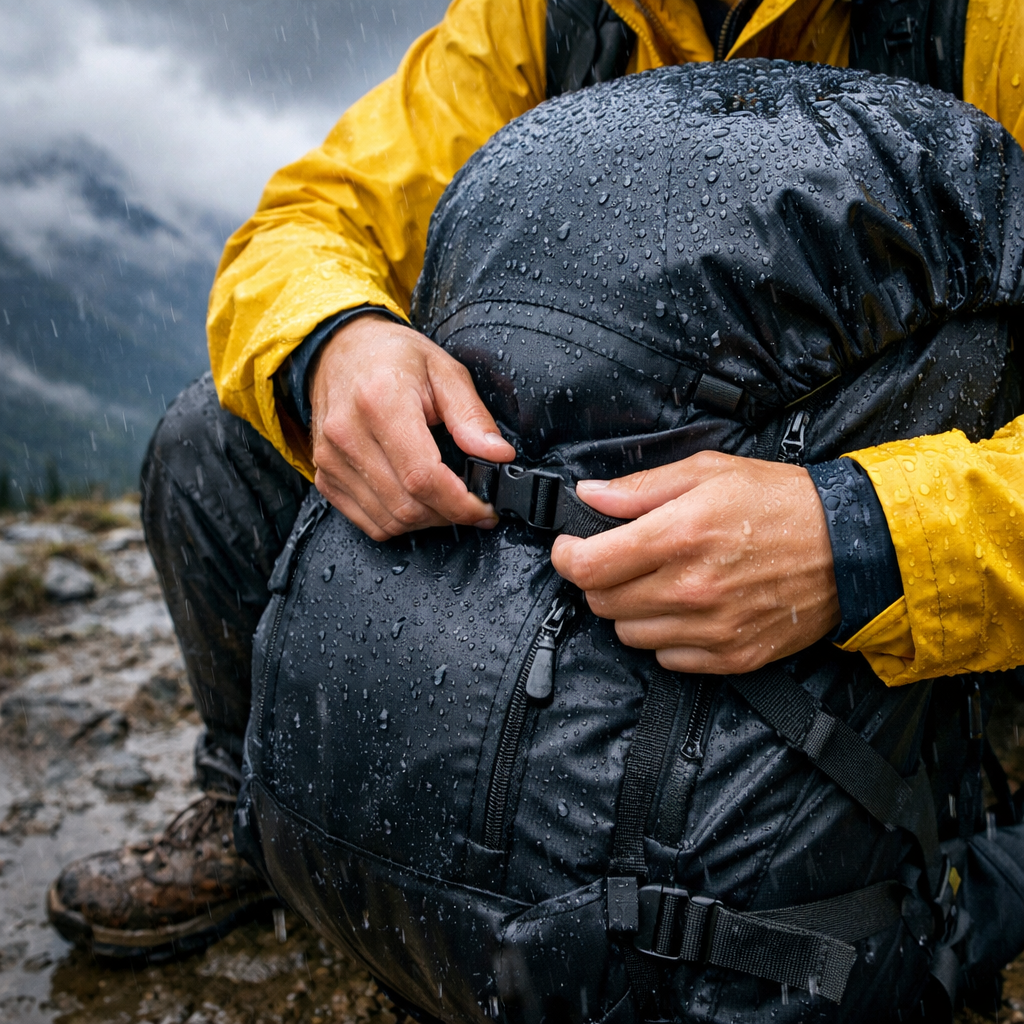
How to Choose a Waterproof Hiking Backpack You’ll Trust in Storms
How to Choose a Waterproof Hiking Backpack You’ll Trust in Storms
If you’ve ever shouldered a soaked pack through a whiteout squall, you know “weather-resistant” isn’t enough. This guide shows you how to pick a storm-ready pack that actually keeps gear dry, carries comfortably, and lasts across seasons—so you can move fast and safe when the sky opens. At Hiking Manual, we cut through marketing to explain real waterproofing (materials, seams, closures), dial in capacity and fit, and flag smart features for wet trails. You’ll also see when to choose a roll-top backpack over waterproof zippers, how to verify claims, and how to maintain performance. If you just want the best waterproof backpacks for hiking, use the buying checklist at the end to make a confident, quick choice.
Start with your trips and capacity needs
Get size right first. Correct capacity prevents overpacking, stabilizes weight in the rain, and leaves space for layers and a liner.
- For most day trails, a waterproof daypack in the 20–30L range carries water, food, a shell, and first aid well—consistent with Red Equipment’s pack sizing guidance (20–30L for day hikes; 30–50L for 1–3 nights): https://red-equipment.us/blogs/sup-life/how-to-choose-a-hiking-backpack-5-key-factors-to-consider?srsltid=AfmBOor5Hktq0c8eF3epGKpWQvcXLjNYoEfjfhmHzdrv3tZJDkQ2Yk7L
- For a weekend backpacking pack (1–3 nights), aim for 30–50L to hold a sleep system, stove, and wet-weather extras.
Trip length vs capacity vs wet-weather extras
| Trip length | Capacity target | Wet-weather extras to plan for |
|---|---|---|
| Day hike | 20–30L | Pack liner or dry bag, light midlayer, small towel |
| 1–3 nights | 30–50L | Full liner, extra midlayer, rain mitts, compact pack cover (backup) |
| 3+ nights/winter loads | 50–70L | Full liner + key dry bags, spare insulation, stove fuel buffer |
Carrying 50L+? See our heavy-load backpacks guide for suspension and durability picks (https://www.hikingmanual.com/best-durable-hiking-backpacks-for-heavy-loads-top-picks-for-adventure/) and our long-distance waterproof options (https://www.hikingmanual.com/best-hiking-backpacks-for-long-distance-hikes-top-waterproof-picks/).
Understand waterproof vs water-resistant
Water-resistant means fabric repels light rain briefly (often via DWR), but seams, zippers, and openings can leak over time. Waterproof packs combine sealed materials, welded seams, and guarded closures to block sustained rain; some aren’t submersion-proof, so verify limits for river crossings. See Pack Hacker’s waterproof backpack explainer (https://www.packhacker.com/blog/general/best-waterproof-backpack/). Integrated rain covers help shed showers, but for multi-hour storms pair them with a liner for best results, as noted in Mountain Trails’ features checklist (https://mountaintrails.ie/blog/15-features-to-look-out-for-when-buying-your-first-hiking-pack/).
Compare your options fast:
- DWR-only: Light rain OK; stitching and zips wet out over time.
- Water-resistant + rain cover: Better for showers; still vulnerable at seams and driven rain.
- Fully waterproof (laminated fabric, welded seams, roll-top): Best for heavy, sustained rain; still check submersion limits.
Choose truly waterproof materials and construction
Focus on what actually blocks water ingress:
- Laminated fabrics: TPU-laminated nylon with fully seam-sealed construction is a proven formula for storm reliability; Much Better Adventures’ buying guide highlights these builds (https://www.muchbetteradventures.com/magazine/how-to-pick-the-best-waterproof-backpack-for-hiking/).
- Seams: Welded or heat-sealed seams stop seepage through needle holes—a key failure point emphasized in Eiken’s waterproof backpack guide (https://eikenshop.com/blogs/products-guide/waterproof-backpacks?srsltid=AfmBOooCYzeWXWdrV6nr0cutpnYCyizJcnGU4dD-Kb3t3sF1GOPmo5Ty).
- Bottom panel: Reinforced bases reduce moisture wicking when you set your pack on wet ground (Eiken).
- DCF/Dyneema Composite Fabric: Extremely light and inherently waterproof, but often less abrasion-resistant and pricier, as noted in Pie on the Trail’s thru-hiking pack insights (https://pieonthetrail.com/best-backpacks-for-thru-hiking/).
Quick definition: Hydrostatic head (water column rating) measures a fabric’s resistance to water pressure; values around 9,500 mm signal high performance on many roll-top packs (Eiken).
Pick a reliable closure system
Your top opening is the main leak path—seal it well.
- Roll-top closure is the gold standard for hiking in heavy rain because it eliminates zipper teeth as a failure point and compresses the seal (Eiken).
- Waterproof zippers can work, especially with coatings and storm flaps, but remember that waterproof does not always mean submersion-proof (Pack Hacker).
At Hiking Manual, we generally favor roll-top designs for prolonged rain.
Authoritative examples: Live For The Outdoors’ waterproof backpack tests showcase side-clipping roll-tops like the Montane Trailblazer and lightweight, budget-friendly options such as the Exped Typhoon 25 (https://www.livefortheoutdoors.com/hiking/rucksacks/best-waterproof-backpacks/).
Dial in fit and load transfer
Comfort is safety on slick trails.
- Aim for 75–80% of the weight on your hips with a supportive belt (Pie on the Trail).
- Find your torso length: measure from the C7 vertebra (base of the neck) to the iliac crest (top of the hip bones) to pick the correct size (Pie on the Trail).
- Many packs offer adjustable suspensions; prioritize torso fit over your overall height, per AMC’s pack fitting advice (https://www.outdoors.org/resources/amc-outdoors/outdoor-resources/how-to-choose-the-right-backpacking-pack-for-your-next-adventure/).
- Choose quick-drying, breathable back panels and harnesses to prevent clammy hotspots on wet, active days—an emphasis echoed in independent waterproof pack testing (Live For The Outdoors).
Evaluate features that matter in storms
Useful, not fussy:
- Hydration sleeve and tube port if you use a bladder (Mountain Trails).
- External attachment points/daisy chains for wet shells or microspikes.
- Zippered hip-belt pockets for snacks, headlamp, and a small map.
- Reflective details for dawn/dusk visibility—especially on forest roads (Red Equipment).
- Abrasion panels and reinforced bases for rocky, saturated ground (Eiken).
- Integrated rain covers are fine for “weather-resistant” packs, but pair with an internal liner for true foul weather (Mountain Trails).
Balance weight, durability and budget
Trade-offs to weigh with eyes open:
- Materials: DCF is ultralight and waterproof but less abrasion-resistant and more expensive (Pie on the Trail). TPU/PVC-laminated nylons are tougher and typically cheaper but add weight (Much Better Adventures).
- Hardware and harness: Cheaper “waterproof” bags often cut corners on buckles, straps, and attachment points; scrutinize these, as Pack Hacker advises.
- Real-world weights help frame choices (in testing by Live For The Outdoors):
- Exped Typhoon: ~250 g (ultralight, simple roll-top).
- Montane Trailblazer: ~390 g (fast-and-light stability).
- Rab Veil XP: ~476 g (light yet featured).
- Osprey Transporter: ~855 g (rugged, heavier build).
Verify performance with reviews and ratings
Trust, but verify:
- Look for independent storm testing with submersion or running-water methods and clear breakdowns of materials, seams, closures, and comfort (Live For The Outdoors).
- Scan for water column ratings (e.g., around 9,500 mm) where listed, a strong signal of waterproof fabric performance (Eiken).
- Model examples that illustrate feature sets: Ortlieb Atrack (PVC-free nylon with a TIZIP and marketed as 100% waterproof) and Sea to Summit Flow Dry Packs (TPU-laminated 420D nylon, fully seam-sealed) are highlighted in Much Better Adventures’ buying guide.
For curated context, see Hiking Manual’s related guides linked above.
Maintain waterproof performance over time
- Rinse off mud and salt, then air-dry fully away from heat.
- Lubricate waterproof zippers periodically per brand guidance to preserve sealing force (Pack Hacker).
- Inspect welded seams and the pack bottom for abrasion; repair early to prevent leaks (Eiken).
- Use a liner or critical-item dry bags as redundancy—even if your pack has an integrated rain cover (Mountain Trails).
Quick buying checklist
Save this Hiking Manual checklist for quick reference.
- True waterproof fabric (TPU-laminated nylon or DCF) plus welded/heat-sealed seams.
- Roll-top closure, or waterproof zips with effective storm flaps.
- Capacity matched to trip: 20–30L day hikes; 30–50L for 1–3 nights.
- Supportive suspension transferring 75–80% of weight to hips; torso length matched and/or adjustable.
- Reinforced base, hydration compatibility, and reflective accents.
Frequently asked questions
Do I need a fully waterproof backpack or will a rain cover and dry bags suffice?
For persistent rain, a fully waterproof pack is simpler and more reliable. If you’re keeping a standard pack, pair a snug rain cover with an internal liner/dry bags and use Hiking Manual’s checklist below to confirm coverage.
What fabrics and construction details actually keep gear dry in heavy rain?
TPU-laminated nylon or DCF with welded/heat-sealed seams plus a roll-top or waterproof zips with storm flaps deliver storm-level protection; reinforced bases and a liner add confidence when you set the pack on wet ground—see the Hiking Manual checklist below.
How should a waterproof backpack fit for all-day comfort?
Measure torso length and choose a suspension that transfers 75–80% of the load to your hips, then test with your typical kit to confirm the hip belt wraps the iliac crest and harness materials dry quickly. For quick sizing reminders, use Hiking Manual’s fit tips in the guide above.
Are IP ratings useful when choosing a storm-ready pack?
They can help but aren’t always provided. Prioritize construction—welded seams, laminated fabrics, roll-top closures—and when available, cross-check against Hiking Manual’s buying checklists and independent storm tests.
How do I maintain waterproof zippers and seams for long-term reliability?
Rinse grit, dry completely, and occasionally lubricate waterproof zippers per brand guidance. Inspect welded seams and the pack bottom for abrasion and add a liner for backup on longer, wetter trips—standard Hiking Manual practice.
Looking for shelter that matches your pack’s storm chops? See our waterproof tent picks for heavy rain (https://www.hikingmanual.com/best-waterproof-hiking-tents-for-heavy-rain-stay-dry-on-trails/).