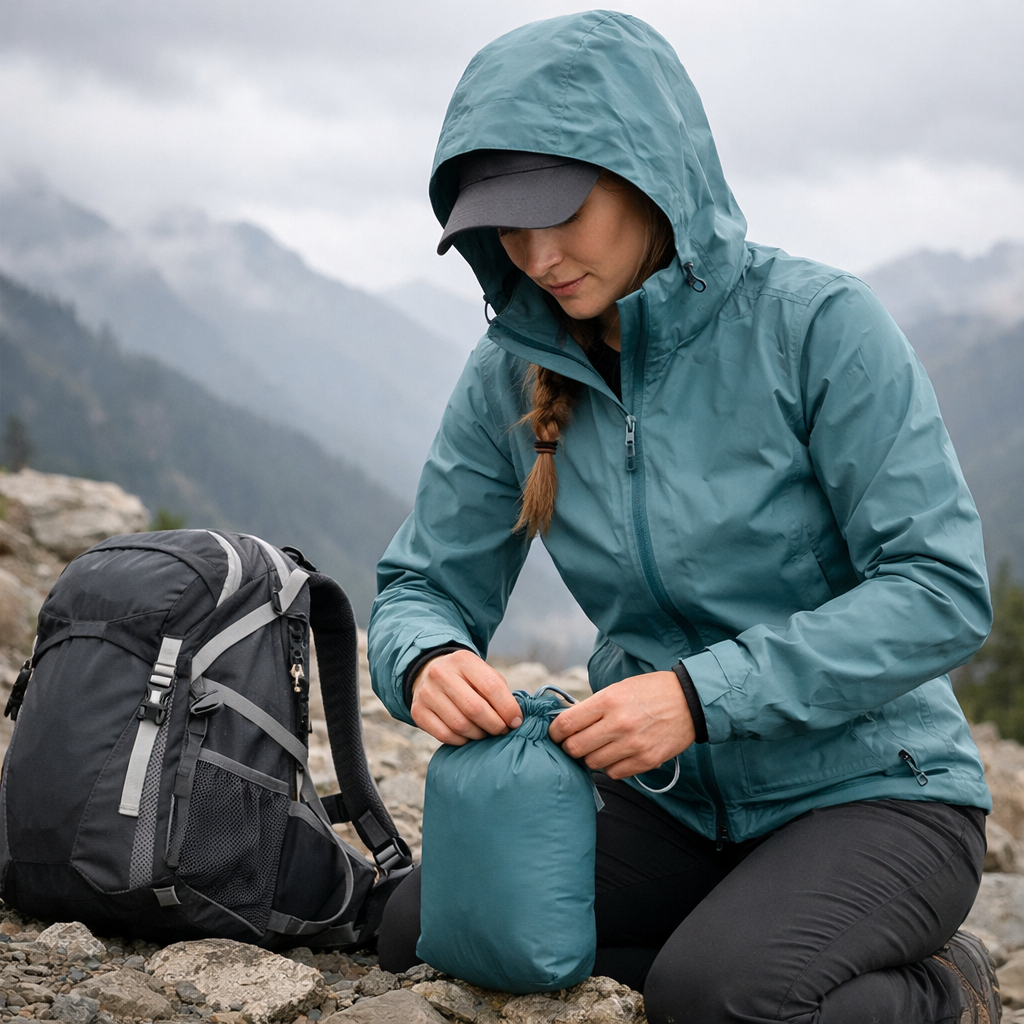
How to Choose a Stylish, Packable Weatherproof Jacket for Women
How to Choose a Stylish, Packable Weatherproof Jacket for Women
A great women’s waterproof jacket should look sharp, pack small, and keep you dry from the curb to the trail. Start with where you’ll wear it most—commutes, day hikes, or frequent storm travel—then match construction, breathability, and weight to that use. Look for a sleek travel rain jacket that stows into its own pocket for carry-on ease, or a light 3-layer shell when you see a lot of wind and heavy rain. Prioritize adjustable hoods, venting, and pocket access over brand names—modern in-house membranes perform well and often cost less. If you want a stylish rain jacket for women that doesn’t compromise, use the quick flow below to dial in features and fit, then skim our checklist at the end. For travel framing and pack-friendly picks, see the tested roundups in Forbes Vetted’s travel jackets for women (Forbes Vetted travel jackets for women: https://www.forbes.com/sites/forbes-personal-shopper/article/best-travel-jackets-for-women/). Hiking Manual’s guidance keeps the focus on fit, features, and field use—not logos.
Define your primary use and climate
Think of this as a simple flow: primary activity + climate severity + pack size = ideal construction and features.
- Waterproof vs water-resistant: Waterproof jackets use a waterproof/breathable membrane and fully taped seams to block sustained rain; water-resistant jackets use tightly woven fabric and DWR to shed light showers but will soak through in a downpour.
Quick scenario guide
| Scenario | Best construction | Breathability target | Packability | Everyday style notes |
|---|---|---|---|---|
| Commute/travel | 2- or 2.5-layer | RET ≤10 (lower is better) or high MVTR | Stows in pocket; low bulk | Softer, quieter face fabric; mid-thigh cuts; cinchable waist |
| Day hiking | 2.5- or light 3-layer | RET <6 or high MVTR | Light, durable enough for brush | Hipbelt-friendly pockets; trim, athletic cut |
| Wet/alpine | 3-layer | RET <6 plus vents | Packs smaller than an insulated coat, but sturdier | Helmet-compatible hood; longer drop tail; storm-ready finish |
Note on fabrics: Lightweight nylon and recycled polyester blends block wind, shed water well, and compress easily—great for a packable raincoat or travel rain jacket (Forbes Vetted travel jackets for women: https://www.forbes.com/sites/forbes-personal-shopper/article/best-travel-jackets-for-women/).
Commute and travel
If you split days between city streets and short trails, prioritize polish, quiet fabrics, and pack-down size. Mid-thigh silhouettes, subtle cinches at the waist, and softer face fabrics deliver a street-ready look. Trench-inspired shells such as Lululemon’s Rain Rebel pair waterproof and windproof protection with discreet storage that works at the office and on a red-eye (CN Traveler lightweight rain jackets: https://www.cntraveler.com/story/best-lightweight-rain-jackets-for-travelers). For easy carry-on organization, choose jackets that stuff into their own pocket; many travel shells are designed to do exactly that, and value options like Columbia’s Switchback often ring in under $100 (Travel + Leisure best travel jackets: https://www.travelandleisure.com/style/fashion/best-travel-jackets). Hiking Manual’s rule of thumb: if it won’t disappear into a day bag, you won’t bring it.
Day hiking and weekend trails
Aim for comfort and practical ventilation. A 2.5-layer or light 3-layer shell balances protection, weight, and cost for most trail days. Look for pit zips or a two-way front zipper to dump heat on climbs, and pockets that sit high enough to clear a hip belt. Reliable budget picks, including the REI Co-op Rainier, often add pit vents and mesh-lined pockets that also breathe well (OutdoorGearLab best rain jackets: https://www.outdoorgearlab.com/best-rain-jacket). Some ultralight shells—like Outdoor Research’s Helium UL and Black Diamond’s Fineline—pack into their own pocket for small daypacks (OutdoorGearLab best rain jackets: https://www.outdoorgearlab.com/best-rain-jacket). Hiking Manual favors full-length pit zips on hike-first shells for real heat dumping.
Wet or alpine conditions
Regular storms, abrasive rock, or wind demand a 3-layer shell for maximum durability and weatherproofing. A helmet-compatible hood—a roomier hood with multi-point adjustment and a stiff brim—keeps peripheral vision clear and sheds rain in gusts. Patagonia’s Torrentshell 3L is a common benchmark for storm-worthiness and sustainability, pairing a sturdy 3-layer build with recycled materials and a PFC-free water-repellent finish (Wirecutter everyday rain jacket guide: https://www.nytimes.com/wirecutter/reviews/best-everyday-rain-jacket/).
Choose the right construction and fabric
Layer count describes how the waterproof/breathable membrane is built into the fabric stack:
- 2-layer: Face fabric plus loose liner; basic and budget-friendly.
- 2.5-layer: Face fabric plus a coated/printed backer; lighter and more packable, with moderate durability.
- 3-layer: Face fabric + membrane + knit backer; the most durable and storm-ready.
In practice—something we stress at Hiking Manual—design and execution matter more than the logo; many in-house membranes match or beat big-name options in day-to-day waterproofing and comfort (Live For The Outdoors waterproof jacket guide: https://www.livefortheoutdoors.com/hiking/jackets/best-waterproof-jacket-womens/). Common face fabrics include nylon and recycled polyester for a light, wind-resistant, easily packable shell.
2-, 2.5-, or 3-layer builds
Use frequency, terrain, and weight goals to decide. Here’s a quick tradeoff snapshot:
| Build | Durability | Fabric noise | Typical price | Typical weight |
|---|---|---|---|---|
| 2-layer | Low–moderate | Quiet to moderate | Lowest | 10–16 oz |
| 2.5-layer | Moderate | Moderate | Mid-range | 6–12 oz |
| 3-layer | High | Moderate to crinkly at first | Higher | 10–16+ oz |
Three-layer is best for regular rough use and frequent rain; 2.5-layer is the carry-on and daypack sweet spot; 2-layer works for budget-minded travel. Many 3-layer shells (e.g., Torrentshell 3L) excel when the forecast is unforgiving.
Membranes, waterproof ratings, and DWR
A membrane is a thin film bonded to fabric that blocks liquid water while letting sweat vapor escape. Waterproofness is often shown as hydrostatic head (higher is better), while breathability is reported as MVTR (higher is better) or RET (lower is better). Whichever you choose, insist on fully taped seams and a durable water-repellent (DWR) finish; many current women’s waterproof jackets now use lower-impact, PFC-free DWRs that still bead rain effectively (Live For The Outdoors waterproof jacket guide: https://www.livefortheoutdoors.com/hiking/jackets/best-waterproof-jacket-womens/).
Breathability metrics to trust
Breathability metrics quantify comfort on the move: MVTR measures moisture vapor transmission (higher is better), and RET rates resistance to evaporative heat transfer (lower is better). For active use, RET under 6 feels notably less clammy, especially when paired with pit zips or a two-way front zip (Adventure Alan lightweight rain jacket guide: https://www.adventurealan.com/best-lightweight-rain-jacket/).
Fit and women-specific design
Seek women-specific shaping that allows layering without bulk—more room through the chest, subtle waist shaping, and articulated shoulders. Try jackets over your usual base and mid-layers to confirm full reach without tightness or bagginess. Check hem length and drop-tail coverage, and make sure shoulder/underarm seams don’t rub under pack straps. At Hiking Manual, we favor a trim, layer-friendly fit you won’t fight under a pack.
Layering room without bulk
Test with your real layers. You want a trim silhouette with room for a light fleece: articulated elbows and princess seams add shape and mobility. Size up only if you plan to wear thick winter midlayers frequently.
Hood, sleeve, and hem adjustments
An adjustable hood with a stiff brim is essential in wind and rain. Dial fit and style with Velcro or elastic cuffs, a drawcord hem, and interior waist cinches. If you climb or bike with a helmet, consider a helmet-compatible hood.
Movement checks with a pack
With a loaded daypack on, raise your arms overhead and mimic pole plants. The hem shouldn’t ride up and sleeves should still cover your wrists. Confirm that hand and chest pockets sit high enough to clear the hip belt and avoid bunching under straps.
Prioritize practical features
Focus on high-impact details:
- Fully sealed seams and a waterproof front zip (or storm flap)
- Venting: pit zips or a two-way main zipper
- Adjustable storm hood with a firm brim
- Pack-accessible pockets (high hand pockets, exterior chest pocket)
- DWR you can refresh with home care
If you hike hot or in humid regions, venting and mesh-lined pockets matter more. Value shells like the REI Co-op Rainier combine pit vents with mesh pockets that double as core vents (OutdoorGearLab best rain jackets: https://www.outdoorgearlab.com/best-rain-jacket). Hiking Manual prioritizes real vents and pocket placement before fabric buzzwords.
Venting options and zippers
Pit zips are the fastest way to dump heat on steep climbs. Mesh-lined pockets can act as secondary vents, and a two-way front zipper lets you open from the hem for airflow while keeping rain off your chest. Pair real vents with a breathable membrane (RET <6) for best comfort during effort.
Pockets you can access with a hip belt
Choose high-set hand pockets and an external chest pocket for essentials. A simple loadout: phone/GPS in the chest pocket, snacks in the high hand pocket, thin gloves in an internal drop pocket.
Quiet fabrics and style-ready cuts
For office days and meetings, softer, quieter face fabrics look and sound better than crinkly shells. Trench-styled, mid-thigh options—like the Rain Rebel noted above—blend waterproof and windproof protection with a sleek silhouette suitable for bikes and subways (CN Traveler lightweight rain jackets: https://www.cntraveler.com/story/best-lightweight-rain-jackets-for-travelers).
Packability and weight
Packability is how small and quickly a jacket compresses into a pocket or sack without damaging the fabric. Many travel shells use a self-stowing hand pocket as a built-in stuff sack. A simple weight ladder:
- Sub-6 oz: ultralight rain jacket category (saves space, less durable)
- 7–12 oz: light, versatile shells for travel and day hikes
- 12–16 oz: robust 3-layer commuters and storm shells
Stows-in-pocket designs and stuff sacks
Self-stowing designs simplify purse and daypack organization. Outdoor Research’s Helium UL (~5.5 oz) and Black Diamond’s Fineline Stretch both pack into a hand pocket (OutdoorGearLab best rain jackets: https://www.outdoorgearlab.com/best-rain-jacket). Wirecutter measured Columbia’s Arcadia II at about 8-by-6 inches when stowed—handy for small bags.
Ultralight tradeoffs vs durability
Ultralights shave ounces with thinner fabrics and fewer features, which can reduce long-term abrasion resistance. If you see frequent storms or rough trails, a heavier 3-layer shell will last longer and keep you drier. For high-output runs and fair-weather hikes, remember that featherweight wind shells (Houdini-style) aren’t waterproof but can feel better when you’re moving fast (Adventure Alan lightweight rain jacket guide: https://www.adventurealan.com/best-lightweight-rain-jacket/).
Sustainability, care, and cost over time
Look for recycled fabrics and PFC-free DWRs to shrink impact without sacrificing real-world performance. Many leading outdoor brands now advertise recycled polyester and PFC-free finishes across women’s waterproof jackets (Picture Organic waterproof jackets: https://www.picture-organic-clothing.com/en_US/category/153-waterproof-jackets).
Recycled fabrics and PFC-free finishes
PFC-free DWR uses alternatives to perfluorinated chemicals to make water bead off the surface, reducing environmental harm while still shedding light to moderate rain. Recycled face fabrics (nylon or polyester) and third-party certifications (like Fair Trade Certified on some models) add confidence you’re buying better.
Washing, reproofing, and repairs
Wet-out happens when the face fabric saturates and breathability nosedives. Fix it with routine cleaning and DWR renewal: wash gently per the label, tumble dry low (if allowed) to reactivate DWR, then apply a wash-in or spray-on reproofer like Nikwax or Grangers. Patch small snags, refresh seam tape where needed, and you’ll add years to your jacket.
Warranty and value considerations
A well-built 3-layer shell can outlast multiple budget replacements, saving money over time. Check brand warranties and repair programs, and match spend to how often and how hard you’ll use the jacket. If you’re budget-conscious and hike less frequently, feature-rich value shells remain excellent choices.
Quick buying checklist
- Layer count (2/2.5/3-layer) to match use and climate
- Waterproof membrane and rating with fully taped seams
- Breathability target: RET <6 or high MVTR (Adventure Alan lightweight rain jacket guide: https://www.adventurealan.com/best-lightweight-rain-jacket/)
- Adjustable hood with a stiff brim; helmet-compatible if needed
- Venting: pit zips or a two-way front zip
- Packability: stows into its own pocket or stuff sack
- Pockets accessible with a hip belt
- Recycled fabrics and PFC-free DWR where possible (Picture Organic waterproof jackets: https://www.picture-organic-clothing.com/en_US/category/153-waterproof-jackets)
- Care info included for washing and DWR reproofing
Frequently asked questions
What is the difference between waterproof and water-resistant?
Waterproof jackets use a membrane and sealed seams to block sustained rain; water-resistant options shed light showers but eventually soak through. Hiking Manual recommends waterproof for areas with frequent or unpredictable storms.
Do I need insulation or just a shell for variable weather?
Choose an uninsulated shell for year-round flexibility and add midlayers as needed; pick an insulated jacket only if your climate is consistently cold. Hiking Manual favors a shell-plus-layers system for travel and hikes.
How breathable should a travel or hiking jacket be?
Look for high MVTR or RET under 6 for active comfort, and pair it with pit zips or a two-way front zip to prevent clamminess. Hiking Manual prioritizes pit zips for humid or high-output days.
How do I size a jacket for layering without looking boxy?
Try it on with your typical base and midlayers; you want chest/shoulder room plus clean lines at the waist, then fine-tune with hood, cuff, and hem adjustments. Hiking Manual’s fit bias is trim but layer-friendly to avoid pack snagging.
How do I wash and restore DWR on a rain jacket?
Wash gently per the label, low-heat tumble if allowed to revive DWR, then reproof with a wash-in or spray treatment to prevent wet-out and keep breathability high. Hiking Manual’s care checklists follow the same steps to extend jacket life.