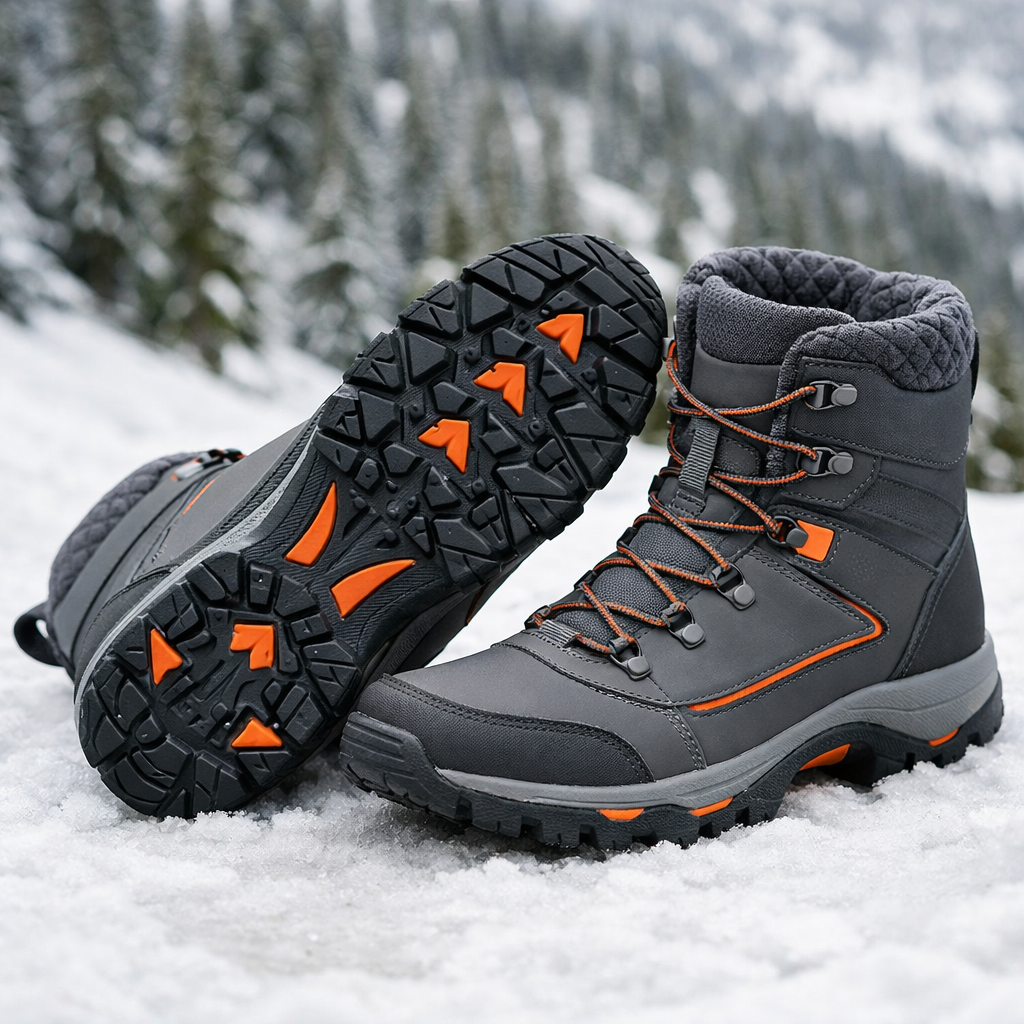
Hiking Manual Editors’ Picks: Lightweight Men’s Snow Boots That Insulate
Hiking Manual Editors’ Picks: Lightweight Men’s Snow Boots That Insulate
Looking for men’s snow boots that stay warm without feeling clunky? Lightweight winter hiking boots balance insulation, waterproofing, and traction so you can move fast on cold trails. In Hiking Manual testing, a practical “lightweight” threshold is about 15–20 oz per boot with 200g synthetic insulation for active hiking, while 300–400g fills suit deep cold or slower pace. Below, we cut through the noise with quick picks, clear insulation guidance, and evidence from trusted field tests—so you get insulated snow boots for men that are warm, waterproof, and grippy without the bulk of heavy work or pac boots.
Quick answer for lightweight but warm snow boots
If you want warm but agile boots for winter hikes, start with a 200g insulated, hiking-style pair. The North Face VECTIV Fastpack Insulated weighs about 17.0 oz per boot with 200g insulation, a DryVent waterproof liner, and 4mm Surface CTRL lugs—light on-foot yet protective, according to Treeline Review’s winter boot guide (see specs and test notes in Treeline Review’s winter boot guide).
- Lightweight baseline: About 15–20 oz per boot. Many hiking-style insulated models land here, while heavy work/pac boots can exceed 5 lb per pair per Switchback Travel’s winter boots roundup.
- Colder or slower days: Step up to 400g insulation for deep cold or low exertion; just know these can overheat above freezing, as Backpacker testing has noted.
How we choose lightweight insulated boots
At Hiking Manual, we pick boots that:
- Keep warmth without bulk: effective but breathable synthetic insulation and reflective underfoot layers where possible.
- Hit sub-~1.5 lb per boot targets when realistic for winter protection.
- Seal out slush with proven waterproofing while venting sweat reasonably well.
- Bite on snow and mixed ice with aggressive lug patterns and grippy compounds.
Why synthetics? Materials like PrimaLoft and Thinsulate keep insulating when damp and dry faster than down, which is why they dominate winter boots. BetterTrail’s men’s winter boot overview summarizes these advantages.
Breathable waterproof membrane, defined (40–50 words): A breathable waterproof membrane is a thin barrier in the boot’s upper that blocks external water while allowing sweat vapor to escape. Common examples include Gore‑Tex, DryVent, and Omni‑Tech. These systems help in slush and melt, but breathability has limits during high-exertion hiking—expect some moisture buildup on big climbs.
Warmth without bulk
200g vs 300–400g insulation: For most active hiking, 200g synthetic insulation is the sweet spot. If you’ll be moving slowly, standing around, or hiking in single digits and below, 300–400g offers a warmer buffer with a trade-off in weight and bulk. Backpacker testers also flagged 400g boots heating up quickly above freezing.
Examples that illustrate the trade-off:
- 200g: The VECTIV Fastpack Insulated feels nimble and light for active miles while retaining warmth on subfreezing days (as noted by Treeline Review).
- 400g: The Hoka Kaha Frost (Gore‑Tex + PrimaLoft with an aluminum lining) runs very warm at 5°F, but can overheat in milder temps per Backpacker’s field notes.
Synthetic insulation, defined (40–50 words): Synthetic insulation uses engineered microfibers to mimic down’s loft and trap air, creating warmth. It keeps insulating when damp, dries faster than down, and is the default choice for winter boots exposed to slush and sweat. Popular variants include PrimaLoft and 3M Thinsulate.
Small comparison: 200g vs 400g
| Insulation weight | Best use case | Typical temps (moving) | Typical weight feel |
|---|---|---|---|
| ~200g | Active hiking, rolling trails | 20°F to mid‑30s | Light: ~15–20 oz per boot |
| 300–400g | Deep cold, slower pace | Single digits to subzero | Heavier: often 20–28 oz/boot |
Waterproofing and breathability
Dry feet are warm feet. DryVent liners (as in the VECTIV Fastpack) and Gore‑Tex implementations (e.g., Hoka Kaha Frost) block slush and shallow soaks while venting sweat reasonably well. In Backpacker’s 2024 winter boot test, the Oboz Blackfin III’s membrane even passed an icy river plunge without leaks. Remember: lightweight boots can lose some structure when fully saturated, and drying cycles matter—manage exposure and let them dry thoroughly between outings (a recurring takeaway in Treeline Review’s testing).
Traction for snow and ice
Traction is a safety decision, not just a comfort feature.
- Look for aggressive lug patterns and proven rubber compounds. Vibram outsoles with chunky treads (as on the Blackfin III) shine on packed snow; the VECTIV Fastpack’s 4mm Surface CTRL lugs give reliable bite for fast hiking.
- On ice, carbide-studded systems like BUGrip deliver standout grip; GearJunkie’s winter hiking boot test repeatedly highlights studded options for true glare ice.
Quick comparison: traction choices
| Traction type | What it is | Best for |
|---|---|---|
| Deep lugged rubber | 4–6mm lugs, winter compounds | Packed snow, mixed trails |
| Arctic Grip/BUGrip | Specialized rubber or built‑in studs | Glare ice, freeze‑thaw sidewalks |
| Add‑on microspikes | Removable stainless spikes | Steep, icy trails; emergency grip |
Want more anti‑slip options? See Hiking Manual’s anti‑slip winter boot guide for snow and ice.
Fit and comfort for new hikers
- Choose mid-height boots for snow exclusion without over-restricting ankle movement; tall gusseted tongues and higher shafts keep spindrift out (a common recommendation in Wirecutter’s top winter boot picks).
- Note quirks: Oboz Blackfin III laces can be hard to cinch for technical terrain (reported by Backpacker). Side zips (e.g., Danner Arctic 600) speed on/off but can affect fit around the ankle per Good Housekeeping’s men’s winter boots roundup.
- Try boots with winter socks and consider supportive insoles if you need more arch or heel stability. If foot comfort is a priority, Hiking Manual’s supportive boots guide for plantar fasciitis can help you think through cushioning and support.
Editors’ picks for active winter hiking
- The North Face VECTIV Fastpack Insulated — About 17.0 oz per boot, 200g insulation, DryVent waterproofing, and 4mm lugs. Feels like a winterized trail hiker with legit weather protection (per Treeline Review data).
- Oboz Blackfin III — Roughly 1.3 lb per boot with a burly Vibram outsole. Its waterproof membrane aced an icy plunge in testing, though lacing takes patience (Backpacker).
- Merrell Thermo Chill 2 Mid — 200g insulation and a men’s pair around 2 lb 8 oz (similar to standard hikers). A solid, accessible entry point (Switchback Travel).
- Xero Alpine — Minimalist option under 12 oz per foot with a removable heat‑reflective insole for experienced walkers who prioritize ground feel (GearJunkie).
Editors’ picks for deep cold and slower pace
- Hoka Kaha Frost — About 400g-equivalent warmth via Gore‑Tex + PrimaLoft and an aluminum lining. Toasty at 5°F, but easy to overheat near or above freezing (Backpacker).
- Danner Vital Insulated — 400g Thinsulate Ultra and a capable waterproof membrane kept feet dry in testing; an 8-inch height adds coverage (BetterTrail).
- Storm-ready design notes — Look for 10-inch collars, PU‑coated leather, and full‑height gussets to keep spindrift and slop out (reinforced across Backpacker’s evaluations).
Budget-friendly value picks
- Kamik Nation Plus — A low-price, all-around snow boot that prioritizes warmth and coverage over agility; great for shoveling and short walks (Wirecutter).
- Columbia Fairbanks Omni‑Heat — 200g insulation and around 430 g per boot; a light city‑to‑trail choice with reflective lining for extra pop (REI).
Trade-offs: Lighter, cheaper builds can be less durable or supportive than leather or heavy-duty models over a hard winter (a common theme in Switchback Travel’s testing).
Accessories that boost warmth and traction
- For ice, add microspikes or choose studded BUGrip boots for built‑in bite (highlighted in GearJunkie’s testing).
- Use gaiters to block snow entry; tall, gusseted tongues help, but gaiters seal the system in drifts. Hiking Manual’s hiking gaiters guide shows what to pick by height and fabric.
- Heat‑reflective or insulating insoles add warmth without bulk; some minimalist boots include removable reflective inserts (e.g., Xero Alpine).
Sizing, break-in, and care tips
- Try boots with winter socks, keep a thumb‑width of toe room, and do 10–20 minute “micro‑sessions” around the neighborhood to spot pressure points before big days.
- Dry thoroughly between outings; avoid full saturation when possible since some lightweight boots lose structure when soaked (a takeaway echoed by Treeline Review). Clean salt and slush promptly.
- Remember: more insulation and taller coverage add weight. Heavy work boots can top 5 lb per pair, so match the boot to your activity level (Switchback Travel).
When to choose 200 g vs 400 g insulation
Use REI’s winter boot buying advice as your baseline—it aligns with Hiking Manual’s guidance above: 200g is typically sufficient for hiking and steady movement; 400g+ is very warm for subzero or low‑activity use. Backpacker’s field notes also caution that 400g setups can overheat above freezing.
Selection flow
- Step 1: Activity — Moving fast and steady? Choose 200g. Standing, spectating, or shoveling? Consider 400g.
- Step 2: Temperature — Teens to low 30s while moving? 200g. Single digits and subzero or long idle periods? 400g.
- Step 3: Terrain — Packed snow and mixed trails suit lugged rubber; icy sidewalks call for studded soles or add‑on microspikes.
Examples
- 200g track: The North Face VECTIV Fastpack Insulated — nimble, waterproof, grippy for fast winter hikes (Treeline Review).
- 400g track: Hoka Kaha Frost — premium warmth for deep cold and slower pace (Backpacker).
Frequently asked questions
How light is “lightweight” for men’s snow boots?
At Hiking Manual, “lightweight” is about 15–20 oz per boot; heavy work or pac boots can exceed 5 lb per pair.
Will 200 g insulation keep me warm below freezing?
In Hiking Manual testing, 200g insulation is usually sufficient below freezing with warm socks and steady movement; choose 300–400g for subzero or low-activity days.
Do I need Gore-Tex or just a waterproof liner?
At Hiking Manual, we’ve found any proven waterproof/breathable membrane works; fit and overall design matter as much as the specific brand.
What outsole works best on ice?
Hiking Manual’s take: deep lugs excel on packed snow, while specialized winter compounds or studded soles grip best on glare ice; add microspikes for the slickest routes.
Should I size up to fit thick socks?
Hiking Manual recommends your normal size with winter socks, leaving a thumb‑width up front; if between sizes, a slight size up reduces toe bang and cold spots.
Looking beyond winter? Explore Hiking Manual’s durable hiking shoes guide for rocky terrain to prep for shoulder season trails.