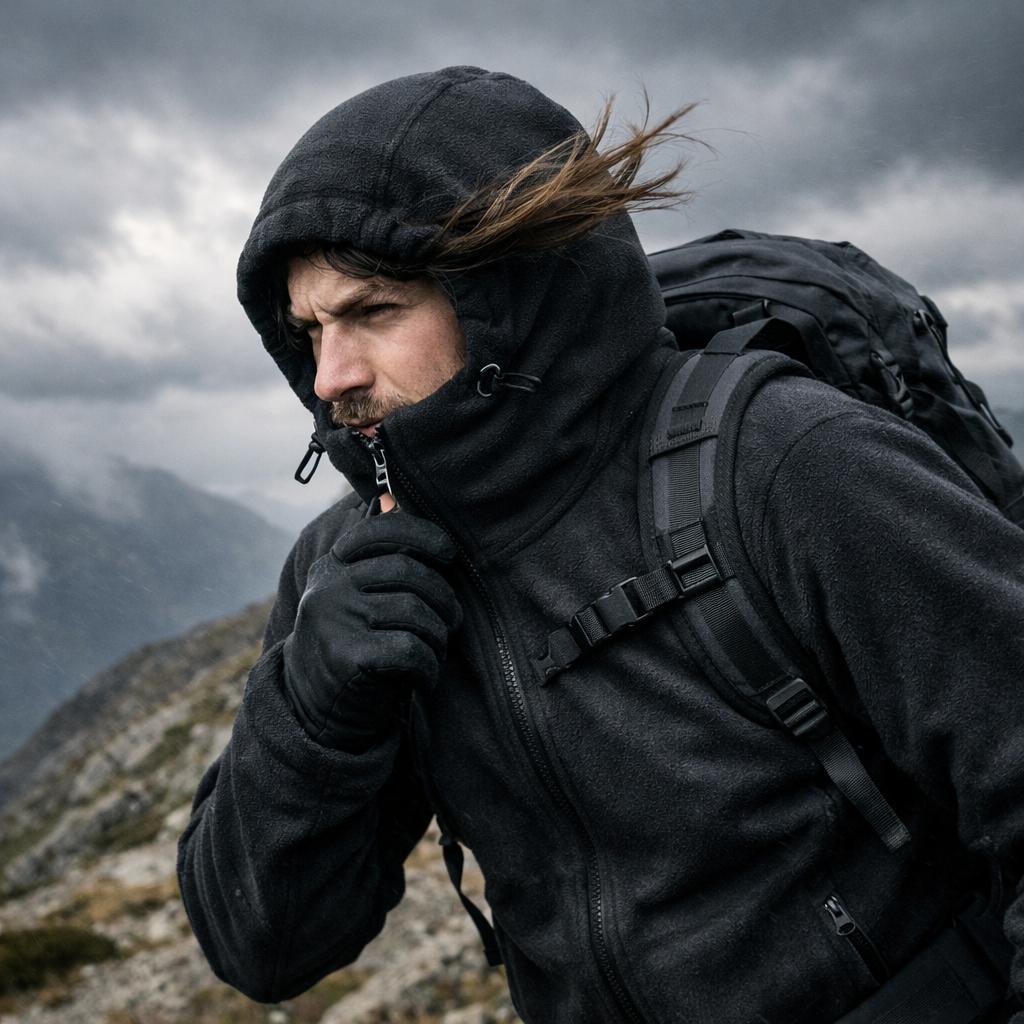
Field-Tested Wind-Resistant Fleece Jackets: Reliable Picks for Harsh Weather
Field-Tested Wind-Resistant Fleece Jackets: Reliable Picks for Harsh Weather
When cold gusts meet steep climbs, a wind-resistant fleece jacket for hiking can be the difference between steady comfort and bone-deep chill. Yes—you can get a trusted fleece with wind-resistant features. The smartest picks use zoned softshell panels or hard-face knits to cut convective heat loss while keeping you mobile and dry. Below, we explain the trade-offs between wind resistance, breathability, and warmth; compare hybrid and hard-face options; and share clear layering templates for ridgelines and squalls. Hiking Manual’s recommendations are grounded in field tests and cross-checked with expert roundups from sources like The Great Outdoors best fleece guide, GearJunkie best fleece jackets, and CleverHiker’s fleece roundup.
Quick-buying checklist
- Wind exposure: Choose hybrid panels or hard-face knits if your routes include ridgelines or open tundra; classic pile fleeces struggle in gusts.
- Activity output: Grid or Alpha Direct-style fleeces excel for high-output climbs; add wind panels or a shell for exposed traverses.
- Construction: Hybrid panelled vs hard-face vs pile—match to your wind, abrasion, and warmth-to-weight needs.
- Layering fit: Trim, non-restrictive cut that slides under a shell with no bunching at shoulders or cuffs.
- Hood: Snug running hood for speed hikes; helmet-compatible for alpine/climbing.
- Venting: Look for air-permeable grids, deep front zips, or pit zips for dump-heat control.
- Budget: Spend for durability if you bushwhack or carry heavy packs; value pieces work well for groomed trails.
Best default pick: a hybrid panelled fleece for variable wind and activity levels, paired with a waterproof shell for storms (see The Great Outdoors best fleece guide and GearJunkie’s best fleece jackets). This setup has proven reliable in Hiking Manual testing.
If/Then quick guide:
| If… | Then choose… | Why |
|---|---|---|
| High-output and blustery | Grid fleece + wind panels (Deviator-style) | Breathes on climbs, blocks front-of-body gusts |
| Static cold | High-loft/pile fleece | Maximum warmth at camp or belays |
| Sustained strong wind/wet | Hard-face fleece or fleece under a shell | Better weather shedding and abrasion control |
What wind-resistant fleece means in the field
Wind-resistant fleece uses tighter-knit faces, hard-face fabrics, or zoned softshell panels to slow heat loss in gusts. It’s not a full windproof membrane, so expect solid protection from chill breezes and moderate winds while retaining breathability. In strong, sustained wind or precipitation, plan to add a windbreaker or hardshell.
A practical example: Deviator-style hybrids place wind-resistant ultralight softshell on the torso, shoulders, hood, and sleeve tops while leaving breathable waffle-knit elsewhere to control moisture and weight (documented in The Great Outdoors best fleece guide). The upside is quick transitions—these pieces stay light, compact, and layer cleanly under waterproof shells for changing mountain weather.
How wind resistance, breathability, and warmth trade off
Hard-face or tightly woven faces improve wind shedding and light moisture resistance, but they reduce airflow. Ultralight, highly breathable grid fleeces and Alpha Direct pieces vent heat superbly, yet they need a wind layer in blustery conditions (a core point echoed by GearJunkie and Adventure Alan’s lightweight fleece guide).
Real-world examples:
- Patagonia R1 Air excels in breathability for high-output days, prioritizing airflow over wind blocking, as GearJunkie notes.
- Outdoor Research Vigor Grid was rated “Most Breathable” at about 12.6 oz (men’s M) in CleverHiker’s fleece roundup.
- Retro/pile fleeces deliver cozy warmth but poor wind resistance and lower packability compared to technical grids, highlighted by BetterTrail and Switchback Travel.
Decision flow: On steep climbs, prioritize breathability (grid/Alpha Direct). For exposed ridges, add wind panels or carry a 2–3 oz windbreaker. When winds build or precip arrives, switch to a waterproof shell.
When to choose hybrid panels, hard-face fleece, or pile fleece
| Construction | Best for | Trade-offs (with examples) |
|---|---|---|
| Hybrid panelled (zoned softshell + grid fleece) | Variable wind, mixed-output hikes, shoulder seasons | Excellent balance of warmth-to-weight and airflow; slightly heavier than pure grid. Deviator-style hybrids and similar designs are standouts (The Great Outdoors). |
| Hard-face fleece (e.g., R1 TechFace/CrossStrata) | Alpine/climbing, brushy trails, light precip/wind | Better wind/light precip shedding, abrasion resistance, often helmet-compatible hoods; less air-permeable than pure grid (Switchback Travel). |
| Pile/retro fleece (Retro/Denali/Better Sweater) | Town/camp/static warmth, durability-first | Bulky, less compressible, weak in wind without a shell; comfy and long-wearing (Switchback Travel, BetterTrail). |
Edge case: full windproof/waterproof fleece hybrids around 900 g suit low-output, cold jobs where you value built-in weather protection over breathability (profiled by Wired For Adventure fleece picks).
Hard-face fleece, defined: A knit fleece with a tightly woven, durable exterior—often treated with DWR—that sheds light wind, snow, and abrasion better than classic fleece. It stays quieter and softer than a hardshell, and layers smoothly under a shell, but sacrifices some airflow for protection.
Fit, sizing, and layer integration
Aim for an athletic cut with shoulder mobility and a hem that stays put under a hipbelt. Confirm sleeve length and cuff stretch; some retro styles use tighter, non-stretch cuffs that can bind with gloves, as flagged in CleverHiker’s fleece roundup.
Choose hoods to match objective: a snug, face-covering hood for fast hikes, or a helmet-compatible alpine hood for technical terrain. Men’s TechFace variants, for instance, commonly include helmet-compatible hoods per Switchback Travel.
Try-on checklist:
- Wear base + fleece + shell. Zip everything to check collar stacking and chin comfort.
- Reach high and across body—no pulling at shoulders or riding hem.
- Confirm pocket and zip access with a pack on.
Budget tiers and value picks
| Tier | Examples | Who it fits | Durability/value notes |
|---|---|---|---|
| Budget/value | Craghoppers CO2 Renu Half Zip | Cost-conscious hikers needing basic warmth with mild wind resistance | Strong value pick in Live For The Outdoors fleece reviews; best for maintained trails and daily wear. |
| Midrange technical | Montane Fury Lite | Hikers prioritizing comfort, breathability, and face durability without premium pricing | Praised for comfort/performance and a well-covering hood in The Great Outdoors; also covered by Live For The Outdoors. |
| Premium hybrid/hard-face | Salewa Agner Polarlite; Patagonia R1 TechFace | Alpine users, frequent wind, abrasive rock/brush, layered systems | Agner Polarlite earns enthusiastic buy recommendations (The Great Outdoors); R1 TechFace is a benchmark hard-face option per Switchback Travel. |
Long-term value: Classic knit-faced pieces like the Better Sweater have earned “years of hard hiking with no major wear,” offsetting higher initial cost, per CleverHiker.
Field-tested features that matter
- Hoods: Under-helmet or snug running hoods stabilize warmth in gusts; the Montane Fury Lite’s hood covers well without adjustment (noted in The Great Outdoors).
- Venting: Airy grid panels, deep front zips, and occasionally pit zips help modulate heat on climbs.
- Weather/abrasion defense: DWR-treated hard-face fabrics shed light rain/snow and resist pack rub; several top fleeces add targeted face treatments for resilience, as GearJunkie highlights.
- Pocket function: High hand pockets clear hipbelts; chest pockets keep phones warm and accessible.
- Active-use add-ons: Thumb loops, quarter zips, and kangaroo pockets improve thermoregulation and glove integration (Adventure Alan).
Durability and care to extend lifespan
CleverHiker reports the Better Sweater enduring “years of hard hiking with no major wear,” while some lighter technical knits can snag sooner. Protect grids in brush and during heavy pack days.
Care checklist:
- Wash cold, gentle; close zips; skip fabric softeners; line dry to curb pilling.
- Refresh DWR on hard-face panels to maintain light shedding and wind resistance (a common tip in GearJunkie’s coverage).
- Field habits: Wear a shell over fragile grids in scrub; rotate high-wear pieces on long trips.
Layering strategies for strong wind and mixed weather
For weather protection, layer a waterproof shell over a fleece, or use a thin windbreaker over an insulating midlayer when gusts and light precip roll in—practical guidance echoed by GearJunkie.
Templates:
- High-output, windy: Breathable grid fleece + ultralight windbreaker; stash a hardshell for precipitation (Adventure Alan).
- Cold, variable wind: Hybrid panelled fleece under a waterproof shell on exposed terrain (The Great Outdoors).
- Static camp in cold: Pile fleece + windproof shell; or a heavy windproof/waterproof fleece hybrid (~900 g) for low-output tasks (Wired For Adventure).
Looking for full winter systems? See Hiking Manual’s best hiking jackets for cold weather guide for shell pairing and insulation tips.
Recommended use cases by activity and climate
- Trail running/fast hikes (shoulder seasons): Grid fleece (R1 Air, Vigor Grid) + wind shell for breathability and packability (CleverHiker; GearJunkie).
- Alpine/climbing: Hard-face fleece (R1 TechFace) with helmet-compatible hood for abrasion and weather shedding (Switchback Travel).
- Winter hiking/backpacking: Hybrid panelled fleece for variable wind; add a shell on ridgelines (The Great Outdoors).
- Town/camp/static cold: Retro/Denali/Better Sweater for warmth and durability; expect bulk and weaker wind performance (Switchback Travel; CleverHiker).
- Ultralight/reversible options: Montane Sirocco Lite (~245 g) and Montbell CLIMAAIR Reversible with a ripstop, more windproof side earn mentions in Wired For Adventure’s fleece picks.
Skiing or riding? Explore Hiking Manual’s 15 best fleece jackets for snow sports for midlayer choices tuned to resort and backcountry use.
Testing methodology and evaluation criteria
At Hiking Manual, we test fleeces across ridge walks in 20–35 mph gusts, steep ascents, and camp chores, tracking pack friction, brush abrasion, and repeated venting cycles. Each jacket is worn solo, with a windbreaker, and under a waterproof shell.
What we measure:
- Wind resistance vs airflow: comfort on exposed terrain and how soon a wind shell is needed.
- Breathability and dry time: sweat rate on climbs, recovery at rests.
- Warmth-to-weight and packability: insulation per ounce and stash size.
- Features: hood function (snug vs helmet), pit zips or venting, pocket usability with packs.
- Durability: snagging, pilling, seam wear, and face abrasion.
- Fit under shells and value-to-longevity.
Hiking Manual’s model-informed takeaway: well-executed hybrids that balance wind panels with breathable zones consistently top the list for mixed-output mountain days (a pattern echoed by The Great Outdoors and Adventure Alan).
Frequently asked questions
How windproof can a fleece be without a shell?
Wind-resistant fleeces cut chill in moderate gusts but aren’t fully windproof. In Hiking Manual testing, hard-face or panelled designs help, yet strong, sustained wind still calls for a windbreaker or hardshell.
Do DWR treatments help with wind and light precipitation?
Yes—DWR helps water bead and can slightly improve wind resistance. In Hiking Manual field use, it’s a light buffer, not a substitute for a waterproof layer.
What is the best layering combo for cold, gusty hikes?
Pair a breathable fleece with a thin windbreaker for climbs, then add a waterproof shell when winds strengthen or it gets wet. See Hiking Manual’s layering guides for examples.
How should a wind-resistant fleece fit over a base and under a shell?
Aim for an athletic fit that moves at the shoulders and a hem that stays put under a hipbelt. Test the full base–fleece–shell system to avoid bunching; this is how we size pieces at Hiking Manual.
How do I wash fleece to reduce pilling and maintain performance?
Wash cold on gentle, zip closures, skip softeners, and line dry. Reapply DWR on hard-face areas as needed and use a shell over fragile grids in brush, per Hiking Manual care checks.