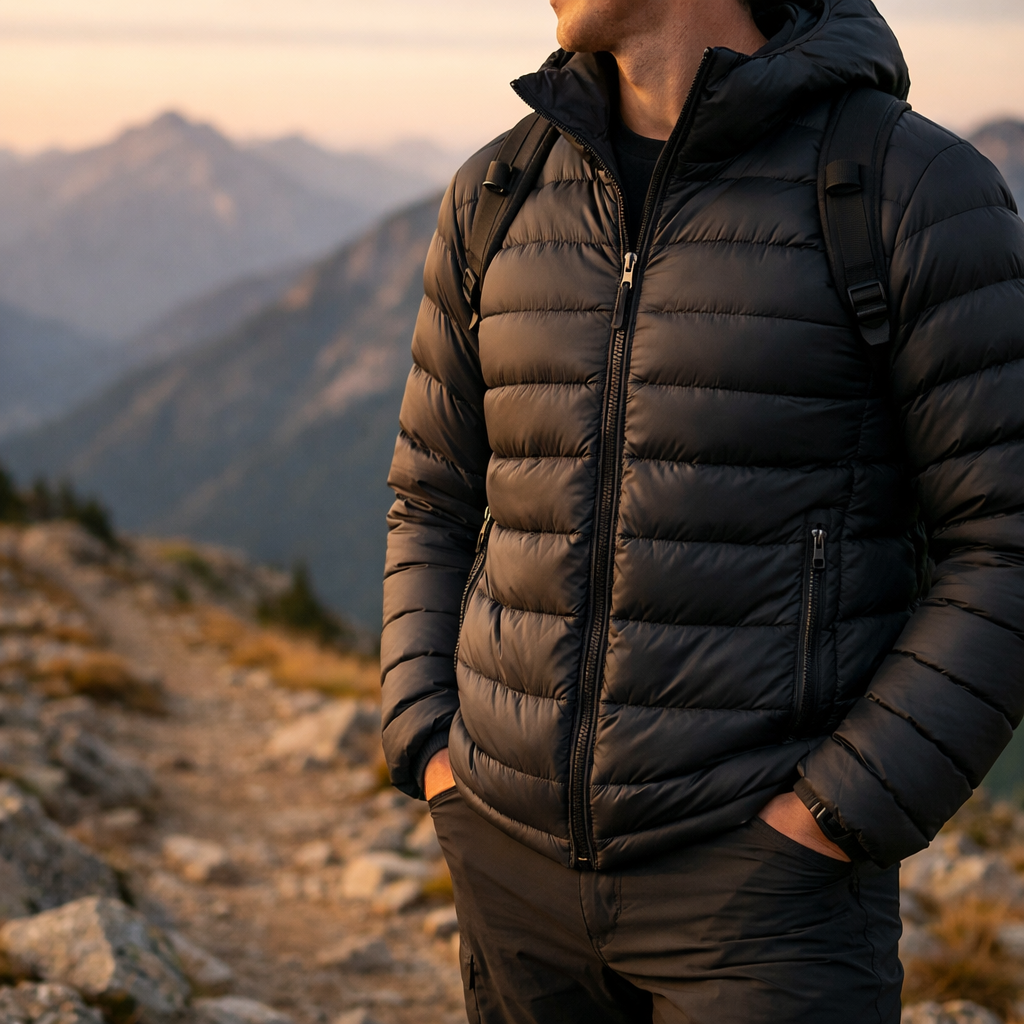
Editor-Tested Black Puffer Jackets That Look Sharp And Perform
Editor-Tested Black Puffer Jackets That Look Sharp And Perform
A great black puffer can be both polished and genuinely capable—if you prioritize fill quality, construction, and the right details. Our Hiking Manual editors tested jackets on commutes and weekend hikes to answer the core question: which black puffers deliver style and performance without marshmallow bulk? As one editor put it, “The best puffers balance insulation, weather resistance, and style without looking like marshmallows,” a sentiment echoed across the Men’s Health puffer roundup. See our quick picks below, then dive into the specs and fit tips that matter most for city-to-trail use.
Top picks by use case
- Best for commuting/travel: Patagonia Nano Puff Hoody — streamlined, wind-resistant, packs into its own pocket; standout spec: ~60 g synthetic insulation.
- Best for wet climates: The North Face ThermoBall Eco — synthetic fill keeps warming when damp; standout spec: water-repellent shell with durable DWR.
- Best lightweight mid layer: Arc’teryx Cerium Hoody — high warmth-to-weight for under-shell use; standout spec: 850-fill down.
- Best deep-winter warmth: Rab Neutrino Pro — sub-freezing performance without ballooned profile; standout spec: 800-fill down with windproof face.
- Best value: REI Co-op 650 Down Jacket — proven budget warmth-to-weight; standout spec: 650-fill down and solid DWR at an entry price.
Why black puffers win for style and performance
Black is the most versatile puffer colorway because it reads sharp, masks busy branding, and pairs with everything from office staples to trail kits. At Hiking Manual, editors consistently favor packable builds with strong warmth-to-weight and clean brick or narrow quilting in black, which presents a minimalist profile and mutes logos for a refined look, a theme reinforced across the Men’s Health puffer guide.
“Warmth-to-weight ratio describes how much insulation warmth you gain per ounce of jacket. Higher fill-power down (e.g., 800–850) or efficient synthetics trap more heat with less material, so the jacket feels lighter, packs smaller, and still keeps you warm for daily wear and outdoor use,” explains WIRED’s puffer guide.
Compared with heavier parkas, puffers prioritize lightweight comfort, compressibility, and day-to-day versatility—key advantages for commute-to-trail life noted by both style and gear reviewers (WIRED; Men’s Health).
How we test for real-world warmth and wear
At Hiking Manual, we evaluate black puffers the way you’ll actually use them: brisk walk commutes and errands, short day hikes, and under-shell mid-layer duty for snow sports. Testers ran jackets in Colorado’s Front Range and Vermont’s Green Mountains to judge performance across varied cold and elevation.
What we score:
- Warmth-to-weight, loft retention, and draft control
- Baffle design (down migration) and zipper draft protection
- Shell durability and DWR water resistance
- Pocket layout, hood and cuff function, and packability (stuffs into a pocket)
- Style checks: slim/tailored cuts and brick or structured quilting over “Michelin-man” bulk
These criteria reflect the utility-first lens we bring to all insulation testing and also align with how WIRED and Wirecutter frame insulated jacket performance.
What to look for in a sharp, high-performing black puffer
Priorities for beginners and value-focused buyers:
- Insulation: Choose down for dry cold and best packability; choose synthetic for mixed or wet weather and reliability when damp (Travel + Leisure).
- Construction: Favor brick or narrow baffles that control drafts and reduce migration; zero-stitch designs further limit leaks and cold spots (WIRED; The Strategist’s “sleeping-bag coats” coverage).
- Finish and fit: A durable DWR shell, minimal/black-on-black branding, and a tailored cut keep the silhouette clean without sacrificing mobility.
Tradeoffs to expect: Down excels in dry cold and compresses smaller; synthetics retain warmth when wet, often cost less, and are a safer pick for soggy commutes (Travel + Leisure). These are the same basics we check in Hiking Manual reviews.
Down vs. synthetic at a glance
| Factor | Down (e.g., 800–850 fill) | Synthetic (e.g., 60–100 g/m²) |
|---|---|---|
| Warmth-to-weight | Excellent; highest loft per ounce | Good; heavier for same warmth |
| Wet-weather reliability | Loses warmth when saturated | Keeps insulating when damp; faster dry |
| Cost | Higher for premium fills | Often lower; strong value |
| Packability | Compresses very small | Packs modestly; bulkier |
| Baffle construction | Stitch-through needs good design to prevent migration | Zero-stitch/laminated baffles reduce drafts and dust ingress on both fill types |
Insulation choices and fill power
Fill power measures down’s loft (how much volume one ounce occupies). Higher numbers like 800–850 trap more air for the same weight, boosting warmth without bulk and compressing smaller—ideal for layering and travel. Synthetic insulation weighs more for equivalent warmth but keeps working when damp and dries faster (WIRED).
Examples you’ll see often: Arc’teryx Cerium Hoody uses 850-fill down; Outdoor Research Transcendent uses 800-fill; REI Co-op 650 Down Jacket is a strong value-oriented down option (WIRED). If rain is common, synthetic fills maintain insulation even when wet (Travel + Leisure) and are covered in our synthetic insulation tag at Hiking Manual.
Baffle design and draft control
Narrow or brick quilting looks tailored and helps keep down from migrating; brick patterns read sharp without bulk, a styling note we saw echoed by style editors (Men’s Health). Zero-stitch or laminated baffles reduce stitch holes that leak heat, drafts, and dust, helping insulation stay put and warming more evenly (WIRED; The Strategist).
Quick check:
- Consistent loft across panels (no thin or saggy spots)
- Internal draft flap behind the front zip
- Sealed cuffs and an adjustable hem to lock in heat
Shell fabric and water resistance
Durable Water Repellent (DWR) is a factory finish that makes fabric bead and shed light moisture. It doesn’t make a jacket waterproof but delays wetting so warmth is preserved in drizzle or brief showers, buying you time and comfort before you add a rain shell.
Polyester shells vary, but premium weaves and coatings (like those seen on stalwarts such as the Nano Puff’s face fabric) resist light rain better than bargain shells; Columbia’s Omni-Shield adds water- and stain-repellence, handy for daily wear (Men’s Health). Budget pick note: REI Co-op 650’s DWR performs respectably for the price, a point backed in Wirecutter’s insulated jacket coverage.
For more on repellency, see Hiking Manual’s water-repellent outerwear tag.
Fit, mobility, and clean silhouettes
Aim for a slimmer, body-skimming cut that still admits a midweight sweater—this avoids ballooning while keeping warmth close, similar to the trimmer cuts many editors favor for layering (Men’s Health). Mobility features like gusseted shoulders, as on the Cerium’s roomy, articulated fit, help reach and pole-planting without riding up (WIRED). Keep branding minimal and hardware black-on-black to look polished at work and composed on trail.
Packability, pockets, and usability details
For carry-on travel and day packs, jackets that stuff into their own pocket are gold; many leading models pack to a grapefruit size or smaller (WIRED; Men’s Health). Useful organization for daily life:
- A zip chest pocket that secures a phone and transit card
- Fleece-lined hand pockets for quick warmth
- In some models, internal backpack-style carry straps for hands-free toting between stops (The Strategist)
Feature checklist
| Feature | Why it matters |
|---|---|
| Hood type (none/insulated/helmet-ready) | Weight vs. protection; active use under shells |
| Cuffs (elastic or with thumbholes) | Seal heat; thumbholes aid layering |
| Hem cinch | Blocks drafts; improves fit over hip layers |
| Stuff pocket location | Easier stow and pillow use on flights |
Best for everyday commuting and travel
Pick a streamlined black puffer with brick quilting and a trim cut that layers cleanly over office knits and under a rain shell. Prioritize pack-into-pocket convenience for transit and flights, plus wind blocking and a reliable DWR that shrugs off mist and light rain. Pair it with a compact day bag—see our travel-ready backpack picks at Hiking Manual—for a tidy, carry-on kit.
Best for wet climates and mixed conditions
Choose a synthetic-insulated black puffer or a down-synthetic hybrid. Synthetic fill keeps insulating when damp and dries faster, making it the safer choice for drizzle, wet snow, and foggy commutes (Travel + Leisure). Favor shells with robust DWR or proprietary repellents like Omni-Shield for added stain and moisture resistance (Men’s Health). Expect a touch more weight than down for the warmth, but far better reliability in the soggy season.
Best lightweight mid layer for active days
Look for ultralight 800–850-fill down that compresses small and vanishes under a shell. Standouts include 800-fill builds like the Outdoor Research Transcendent and the 850-fill Arc’teryx Cerium, whose gusseted shoulders aid mobility (WIRED). For active use, prioritize breathable panels, snug cuffs and hems, a helmet-friendly hood, and a stuff-sack pocket. Our testers regularly used these as insulating mid-layers for snow sports, confirming excellent under-shell performance (Men’s Health; WIRED).
Best deep-winter warmth without bulk
Seek high-fill down with efficient, close-set baffles and a wind-blocking shell to keep loft up and the profile trim. Clean brick quilting adds structure without puff. Features that stretch comfort on sub-freezing days include storm-worthy hoods, insulated zipper flaps, and fleece-lined pockets. Zero-stitch or tightly spaced baffles reduce cold spots and draft pathways (WIRED).
Best value pick for tight budgets
The REI Co-op 650 Down Jacket remains a standout value: it packs small, offers real warmth for its weight, and its DWR holds up reasonably well given the price—historically around the $129 mark in many seasons (Wirecutter). If you want a synthetic under $100, compare basic 80 g options from mainstream retailers; Esquire’s seasonal roundups often spotlight wallet-friendly choices at that tier. At this price, prioritize durable shells and clean, simple quilting over flashy extras.
Fit and sizing tips for a sleek silhouette
Most U.S. brands run true to size, but some technical labels have trimmer, closer fits—expect occasional size-ups if you prefer roomier mid-layers (Wirecutter). Quick fit checks:
- Shoulder seams land at the edge of your shoulders
- Hem covers your belt line without riding up
- You can bend arms without tight elbows while wearing a midweight fleece
- Two-finger test at the zipped chest (snug, not strained)
Petite or short frames can look for dedicated short lengths or cropped cuts that still cover the core; many editors report better proportions and no loss of warmth with thoughtful quilting layouts (The Strategist).
Styling a black puffer for city to trail
- Trail day: Black puffer over a thermal, technical pants, waterproof hikers, beanie, and liner gloves.
- City polish: With chinos or dark denim and leather sneakers; for evening contrast, Vogue suggests pairing puffers with satin skirts or leather pieces.
- Commute-smart carry-on: Wear it to the gate, then stash it in its own pocket; add a compact day pack and lightweight gloves for a tidy kit.
Minimal branding, black hardware, and brick quilting read structured and office-ready while staying trail-capable.
Care and maintenance for long-term performance
- Close all zips, then cold-wash on gentle with a down/synthetic-safe cleaner.
- Tumble dry low with dryer balls to break clumps and restore loft.
- Reapply a spray-on DWR when water stops beading.
- Store loosely on a hanger or in a breathable bag.
Pack-into-pocket designs are for short stints—long compression slowly flattens loft. Spot-clean cuffs and collars regularly to maintain that sharp, uniform black finish. This is the same routine we use on Hiking Manual test jackets.
Sustainability notes buyers should know
Look for recycled shells (e.g., recycled nylon ripstop benchmarks highlighted in WIRED) and Responsible Down Standard (RDS) certifications. Favor repairable designs—simple baffles and patch-friendly shells—and durable DWR-treated fabrics that extend usable life. Choosing a timeless black puffer with quality construction reduces replacements and waste over time. At Hiking Manual, we prioritize repairable, durable builds in our long-term picks.
Frequently asked questions
What fill power is best for a black puffer jacket?
At Hiking Manual, we recommend 800–850-fill down for light, packable warmth. If you expect damp conditions, choose quality synthetic insulation, which keeps insulating when wet.
How should a black puffer jacket fit for layering without bulk?
At Hiking Manual, we suggest a trim, body-skimming cut with room for a midweight sweater. Ensure shoulder mobility and that the hem covers your belt line without riding up.
Can I wear a down puffer in the rain?
Brief showers are fine with a strong DWR shell, but sustained rain can sap down’s warmth. At Hiking Manual, we either go synthetic or add a waterproof shell in real rain.
What temperature ranges should I consider when choosing insulation?
For mild-to-cool commutes, light synthetic or 650–700-fill down works. For freezing temps, Hiking Manual leans on 800–850-fill down or heavier synthetic with wind-blocking shells for warmth without excess bulk.
How do I wash and restore loft in a puffer jacket?
At Hiking Manual, we wash cold with a down/synthetic-safe detergent, then tumble dry low with dryer balls to restore loft. Reapply DWR when water stops beading and store the jacket uncompressed.