Eco-Friendly Waterproof Jackets Compared: Recycled Materials That Actually Perform
Eco-Friendly Waterproof Jackets Compared: Recycled Materials That Actually Perform
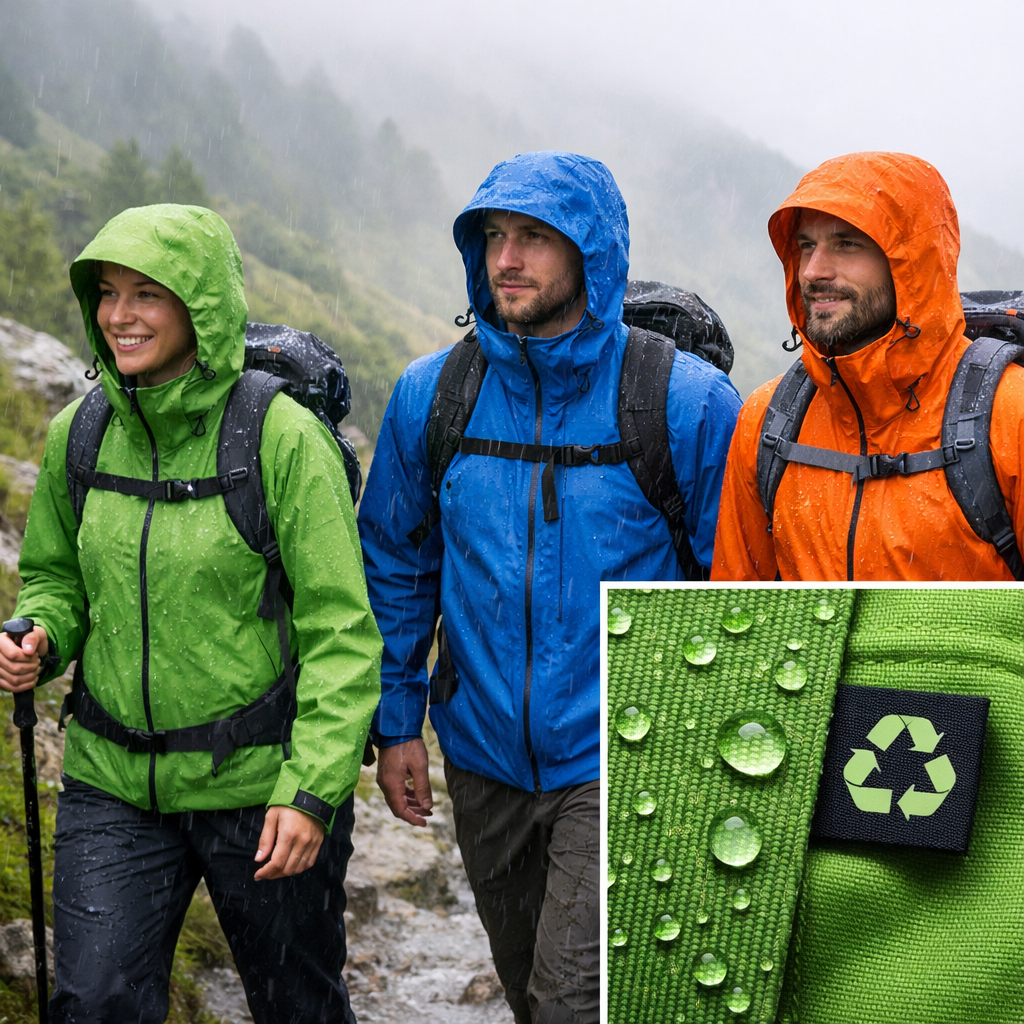
Choosing a sustainable rain shell shouldn’t mean gambling with soggy hikes. This guide compares recycled-material jackets that actually keep you dry, breathe on climbs, and hold up to seasons of use—without blowing your budget. For most hikers, the best recycled material rain jacket for hiking balances 10–20K waterproofing, real venting, a protective hood, and PFC-free finishes you can maintain at home. Hiking Manual’s quick take: Patagonia Torrentshell 3L is the most dependable all-rounder; Rab Downpour Eco is the best active-value pick; Montane Solution pushes performance with high recycled content; Ortovox Deep Shell and Páramo Aspira 360 thrive in rough, wet weather. Read on for the specs that matter, care tips to extend life, and clear picks by use case.
How to choose a recycled rain jacket that truly works
Match your jacket to how you actually hike—then layer sustainability on top.
- Step 1: Define your use. Daily walks and commutes need packable protection; frequent mountain days demand tougher 3-layer builds.
- Step 2: Pick a performance band. “Waterproof rating measures hydrostatic head (mm) a fabric can withstand before leaking; ~10,000–20,000mm suits most hiking, while 30,000mm+ is typically for alpine conditions.” As summarized by Alpkit’s guide to responsible waterproofs: Alpkit’s guide to responsible waterproofs.
- Step 3: Confirm durability and repairs. Look for robust face fabrics, accessible repairs, and warranties.
If you’re buying your first recycled rain jacket or upgrading beginner hiking gear, prioritize a hood that seals well, easy venting, and a PFC-free DWR you’re willing to maintain. The eco-friendly waterproof jacket you’ll wear often and repair beats a “greener” one that stays in your closet. Hiking Manual prioritizes a sealing hood and usable vents over headline ratings in real trail use.
Criteria that matter more than recycled percentage
Recycled content is good; longevity is better. A high‑quality recycled jacket you keep 10 years beats a cheaper 100% recycled one that fails in two. Mountain Equipment’s analysis of waterproofs shows that most impact sits in making and moving the garment—around two‑thirds of a GORE‑TEX jacket’s footprint is from production and distribution—so extending lifespan is decisive: Mountain Equipment’s lifecycle analysis of waterproofs. Designing for repairs and end‑of‑life matters, too; mono‑material face/backer combinations are easier to recycle and some brands now flag this explicitly (see Suston’s practical checklist: Suston on choosing long‑lasting jackets). Hiking Manual weighs field durability and repair access above recycled percentage when recommending shells.
What to check before you buy:
- Repair path: in‑house or partner repair centers, spare parts (zips, cordlocks), and warranty clarity.
- Build: durable face fabric (40–70D for regular mountain use), reinforced wear zones, clean seam taping.
- End‑of‑life: mono‑material designs, take‑back programs, and published care guidance that keeps gear going.
Waterproofing and breathability benchmarks explained
Specs help you avoid overbuying. Mid‑range recycled shells around 10,000–20,000mm waterproofing will keep most hikers dry from drizzle to downpour; only specialized alpine use typically needs 30,000mm+. Breathability ratings estimate moisture vapor movement per day (g/m²/24h). Numbers near 10K–20K, plus real vents, usually keep you comfortable on steady climbs. A well‑built 3‑layer recycled shell can credibly deliver ~20K/20K performance—adequate for year‑round day hikes, backpacking, and mixed weather—so weigh features and fit as much as headline ratings.
PFC-free DWR care and longevity
Modern PFC‑free water‑repellent finishes work, but they need more upkeep than legacy PFAS coatings. Expect to wash more often and re‑proof periodically to keep water beading and breathability high. Industry reporting notes that alternatives can lag in durability, making proper care crucial: low‑impact detergents, gentle cycles, and timely re‑activation after cleaning help finishes last (see ISPO’s overview on wearing outdoor clothing longer: ISPO on wearing outdoor gear longer).
Durability, repairability and end-of-life impact
Build quality and repairs outweigh recycled percentage for your overall footprint. Laminated waterproof jackets are challenging to recycle because membranes and face fabrics are bonded; mainstream laminates like GORE‑TEX are not widely recycled for this reason. That makes durability, repair access, and take‑back programs the most meaningful levers today. Look for mono‑material approaches where possible, plus brand repair services or vetted partners—many sustainability‑minded labels now promote repair options to extend garment life (see Wild Outdoor Cafe’s summary of sustainable gear trade‑offs: Wild Outdoor Cafe on sustainable gear trade‑offs). Hiking Manual favors brands that publish repair guidance and stock spare parts for common fixes.
Price and value for beginner to intermediate hikers
- Budget: Recycled 2.5–3L shells with basic features cover day hikes and commutes. Focus on good hoods and simple venting.
- Mid‑range: Recycled 3L shells with pit zips, better brims, and tougher fabrics offer the best value for most hikers.
- Premium: Alpine‑ready 3L with advanced sustainability (solution dyeing, higher recycled content, mono‑material direction) earns its keep in rough weather.
Hiking Manual’s take: buy durable, repair‑friendly gear with PFC‑free DWR; by 2026, if a brand is still leaning on long‑chain PFAS, consider it a red flag. Prioritize models you can maintain at home and repair locally.
Craghoppers Dynamic 12000
A budget‑friendly recycled pick for everyday trails and travel. The brand cites roughly 60 recycled plastic bottles per jacket and uses EcoShield, a plant‑based PFC‑free DWR. Expect honest weather protection for commutes and day hikes, a midweight hand, and straightforward features that keep costs low. Reviewed among sustainable shells by OutdoorsMagic: OutdoorsMagic’s sustainable waterproofs review.
Fjällräven High Coast Hydratic
A lightweight shell with strong eco credentials for moderate conditions and travel. It pairs a 100% recycled nylon face with a PFC‑free PU waterproof‑breathable laminate for dependable everyday rain protection. Best for hikers who prioritize packability and recycled content over alpine‑level specs; covered in the same OutdoorsMagic review.
Páramo Aspira 360
A membrane‑free take on staying dry: Nikwax Analogy fabric channels liquid water out while blocking rain, and it’s fully PFC‑free. The result is exceptionally repairable, comfortable in prolonged wet and windy climates, and warmer than slick‑faced laminates. Trade‑offs: higher weight and premium pricing—ideal for foul‑weather hillwalking rather than ultralight kits (profiled by OutdoorsMagic).
Montane Solution Jacket
A performance‑forward 3L with high recycled content across the stack—outer and backer are 100% recycled, membrane ~75%—and solution dyeing that cuts water and energy use. Expect mid‑weight durability with about 20K/10K‑class performance, pit zips, and an all‑season brief. Detailed among sustainable picks by OutdoorsMagic.
Ortovox 3L Deep Shell
A premium, durable backcountry shell built for wet, windy mountain days where robust 3L protection and long service life matter more than grams. The brand markets the program as climate neutral, and the jacket’s fit and features favor technical terrain and repeated use. Included in OutdoorsMagic’s sustainable round‑up.
Patagonia Torrentshell 3L
A proven everyday performer and our go‑to all‑rounder for most hikers. It uses an ECONYL 100% recycled nylon ripstop face, a PU membrane with reported biobased content, and is Bluesign approved and Fair Trade Certified sewn—strong environmental and social standards together. It packs small, seals well, and balances weather protection for year‑round day hikes and travel (see The Roundup’s guide: The Roundup’s sustainable rain jacket guide).
Rab Downpour Eco
An active‑use, value mid‑range shell with recycled 50‑denier polyester and a Pertex Shield recycled membrane. It vents well—with pit zips and breathable fabric—making it a smart pick for faster hikes on a budget. Specs and sustainability notes are covered in The Roundup’s guide.
Outdoor Research Foray and Aspire
Guide‑favorite shells with recycled options, practical pit zips, and reliable builds. The Foray (men’s) and Aspire (women’s) line up well for all‑season hiking and travel, with PFAS‑free options moving into the assortment and hiker‑friendly features like full‑length venting zips. See Terradrift’s overview: Terradrift’s best sustainable rain jackets.
Side-by-side comparison by use case
| Use case | Best picks | Why they fit | Key sustainability note | Price band |
|---|---|---|---|---|
| Budget day hikes and commuting | Craghoppers Dynamic 12000; Rab Downpour Eco | Simple weatherproofing; good venting on Rab | Plant‑based PFC‑free DWR (Craghoppers); recycled membrane (Rab) | Budget to Mid |
| All-season hiking and travel | Patagonia Torrentshell 3L; Fjällräven High Coast Hydratic | Balanced 3L protection; light, packable option | ECONYL face, Bluesign, Fair Trade (Patagonia); recycled face, PFC‑free PU (Fjällräven) | Mid |
| Wet and windy mountain days | Ortovox 3L Deep Shell; Páramo Aspira 360; Montane Solution | Robust 3L builds or membrane‑free system; strong hoods and vents | Climate‑neutral program (Ortovox); PFC‑free Analogy fabric (Páramo); high recycled content + solution dye (Montane) | Premium |
| Ultralight packing and summer storms | Fjällräven High Coast Hydratic; Rab Downpour Eco | Low weight and quick deploy; active venting | Recycled face + PFC‑free PU (Fjällräven); recycled membrane (Rab) | Budget to Mid |
Budget day hikes and commuting
Pick value shells that stay dry in downpours and stash small. Craghoppers Dynamic 12000 stretches your dollar with recycled bottles and plant‑based DWR; Rab Downpour Eco adds better venting for brisk walks and bike commutes.
All-season hiking and travel
You want balanced protection, a protective hood, and easy packability. Patagonia Torrentshell 3L is the dependable do‑it‑all; Fjällräven High Coast Hydratic trims weight while keeping eco credentials strong.
Wet and windy mountain days
Reach for durable 3L shells or the membrane‑free Páramo system. Ortovox 3L Deep Shell and Montane Solution deliver robust protection; Páramo Aspira 360 excels in sustained, cold rain and strong winds with standout repairability.
Ultralight packing and summer storms
Aim for light, compressible shells that still meet the 10–20K sweet spot. Fjällräven High Coast Hydratic keeps grams down; Rab Downpour Eco’s pit zips help dump heat when humidity spikes.
Fit, features and trail usability
On-trail comfort comes from design details more than lab numbers. Look for:
- 3‑point adjustable hood with a laminated or wired brim
- Pit zips or core vents for quick heat dump
- Hem drawcord that seals without riding up
- Velcro cuffs that cinch over gloves
- Pockets placed above a hipbelt and away from shoulder strap rub
Hood design and adjustability
A great hood preserves your vision and blocks spray. Seek a laminated or wired brim to shed water, rear and side cinches to anchor the opening, a soft chin guard, and a collar high enough to seal without choking. Helmet‑compatible hoods are bulkier; trim hiking hoods fit closer and weigh less.
Venting, pit zips and core comfort
Breathability ratings help, but zips win on steep climbs. Compare pit zip length and ease of use; mesh‑lined chest pockets can double as core vents. Well‑made 3L recycled shells can reach roughly 20K/20K performance, but real comfort comes from combining fabric breathability with smart venting.
Pockets, hem and cuffs that work with packs
Check pocket height against your hipbelt, plus any interior stash for gloves or maps. A stable hem drawcord prevents ballooning in wind, and cuff tabs should tighten over gloves without bunching. Zippers should run smoothly with storm flaps that don’t snag.
Care routine to keep recycled shells performing
- Brush off dirt; machine‑wash per label with technical wash. Avoid fabric softeners.
- Tumble low or iron low (if allowed) to re‑activate DWR; re‑proof with a PFC‑free spray or wash‑in when the fabric “wets out.”
- Store dry and loose; repair small snags and seam tape lifts early. Mountain Equipment’s analysis underscores that washing and caring for waterproofs both improves performance and extends service life.
A final note: by 2026, continuing to rely on long‑chain PFC DWR is not a sign of an eco‑friendly program—prefer PFAS‑free finishes and clear care guidance.
Our recommendations and who should buy what
- Best budget recycled: Craghoppers Dynamic 12000 — low price, recycled bottles, plant‑based DWR.
- Best all‑rounder for most hikers: Patagonia Torrentshell 3L — ECONYL face, Bluesign, Fair Trade.
- Best active value: Rab Downpour Eco — recycled membrane and dependable venting.
- Best rough‑weather durability: Ortovox 3L Deep Shell or Páramo Aspira 360 — mountain‑ready builds with strong repairability/climate‑neutral positioning.
- Best eco‑process innovation: Montane Solution — high recycled content and solution dyeing.
Hiking Manual ethos: choose durable, repairable gear; maintain PFC‑free DWR; and pair smart shells with solid navigation basics like GPS and offline maps for safer hikes.
Frequently asked questions
What is the best recycled material for a waterproof jacket?
Recycled nylon and polyester dominate because they balance durability with performance; in 3‑layer builds they match conventional shells. Hiking Manual also prioritizes PFC‑free DWR, brand repair programs, and mono‑material designs for easier end‑of‑life.
Are recycled shells as waterproof and breathable as non-recycled ones?
Yes—well‑made recycled 3‑layer shells can achieve ~20K/20K performance. For comfort, Hiking Manual looks for real vents and routine cleaning to keep breathability and beading strong.
How much waterproof rating do I really need for hiking?
Most hikers are well served by 10,000–20,000mm; 30,000mm+ is usually for alpine specialists. Pair ratings with a good hood and vents—Hiking Manual’s baseline for trail comfort.
How do I maintain a PFC-free DWR so it keeps beading?
Wash per label, then low‑heat dry to re‑activate; reapply a PFC‑free spray or wash‑in when water stops beading. Hiking Manual’s rule: routine care restores performance and extends lifespan.
Can a laminated waterproof jacket be recycled at end of life?
It’s difficult because bonded layers are hard to separate, so most laminated shells aren’t currently recycled. Hiking Manual advises focusing on durability, repairs, and take‑back programs to keep gear in use longer.