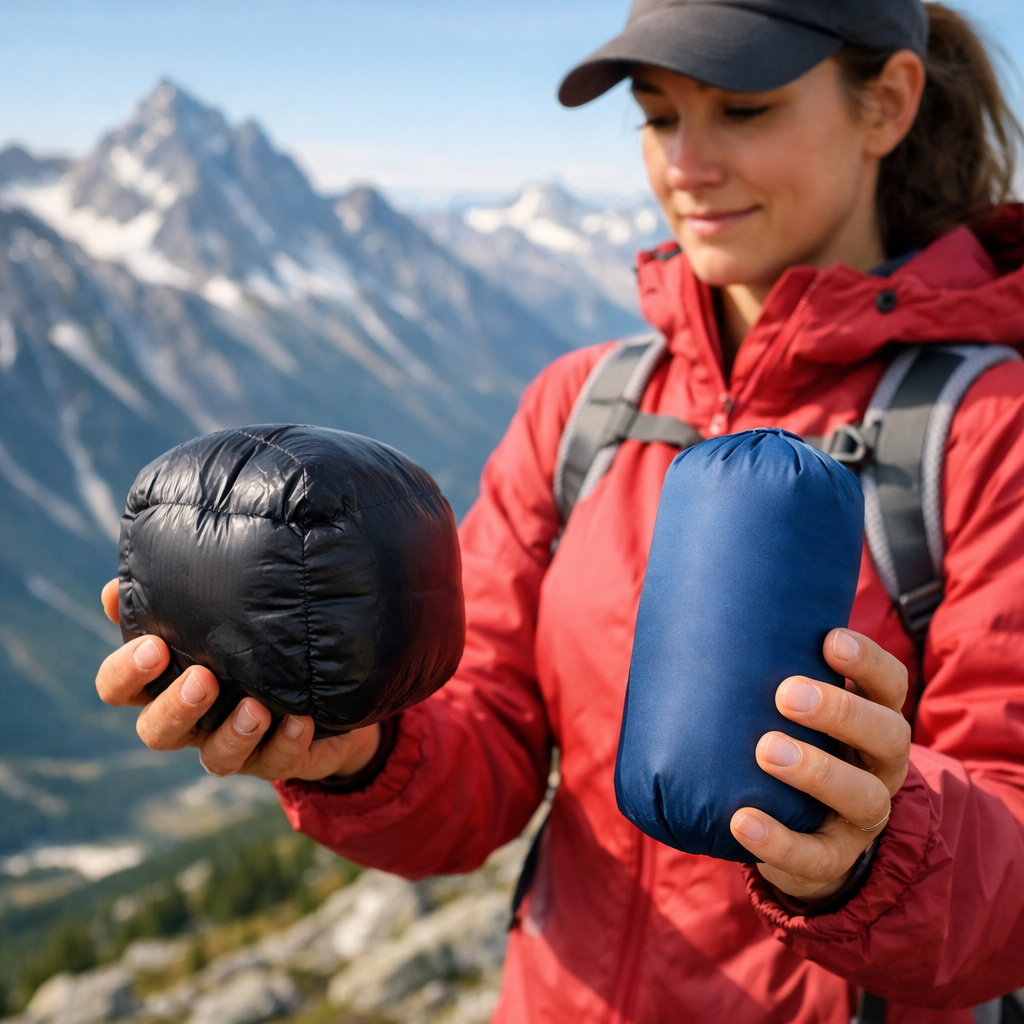
Down vs Synthetic: Warmest Women's Jackets Without The Bulk
Down vs Synthetic: Warmest Women’s Jackets Without The Bulk
Finding the warmest women’s jacket without the bulk comes down to how you manage warmth-to-weight and wet-weather reality. Down gives unmatched heat for its weight and compresses smallest, making it the lightest-feeling option. Synthetic keeps insulating when damp and dries fast—safer for the UK’s windy, misty coasts. Hybrid designs put down where you need maximum warmth and synthetic where sweat and rain land most. If you’re packing for Seven Sisters, plan for sea spray, gusts, and surprise showers; carry an insulated layer plus a waterproof shell, and use turn-by-turn navigation (e.g., Komoot). For most coastal walkers, synthetic or hybrid is the reliable everyday pick; choose high-fill-power down when it’s cold and dry and you want the smallest possible bundle.
Quick answer
Down wins pure warmth-to-weight and compresses smallest; synthetic is more dependable in wet or mixed UK weather and is easier to care for; hybrids balance both by placing fills strategically (Outdoor Action comparison; Mountain Equipment guidance; Trekitt explainer) [1] [2] [3].
Quick picks by use case:
- Dry, cold days with minimal bulk: High-fill-power (800+) down hoody with a wind-resistant DWR shell—warmest grams, packs to grapefruit size. [1]
- Wet/mixed, windy UK coast: Breathable synthetic jacket with a tough face fabric; it keeps insulating when damp and dries quickly, ideal for sea spray and showers. [2] [4]
- Always-ready Seven Sisters daypack: Lightweight hybrid or 60–80 g synthetic midlayer—stashable insurance against cliff-top wind chill and coastal damp. [3]
How we compare warmth without bulk
At Hiking Manual, we evaluate:
- Warmth-to-weight: perceived warmth for the grams you carry.
- Packability: how small it stuffs in a daypack pocket.
- Wet-weather resilience: warmth retention when damp, drying time, and DWR.
- Wind resistance: shell fabric and hood effectiveness on cliff-top gusts.
- Ease of care: washing, drying, and loft recovery.
- Price-value: performance per pound spent.
Warmth-to-weight ratio describes how much thermal insulation a jacket provides relative to its mass. Higher ratios mean more warmth for fewer grams, so you carry less bulk without sacrificing comfort. It’s the key metric for hikers who want small, light layers that still feel cozy.
In our reviews, we score each jacket 1–5 for warmth-to-weight, packability, wet-weather resilience, wind resistance, ease of care, and price-value; highest total wins.
UK-coast priority: persistent damp wind and sudden showers mean synthetic insulation is the more reliable daily driver for many walkers. [2]
Down insulation
Down delivers the best warmth-to-weight of any jacket insulation and compresses extremely small—perfect for emergency layers and ultralight packing. [1] The trade-offs are real: down clumps and loses loft when saturated, dries slowly, and needs more careful maintenance to recover performance. [1] [2]
With good care, quality down can keep its loft for a decade or more, though higher fill powers command higher prices. [1] If you want the warmest women’s jacket without bulk for dry, cold days, down is still the benchmark.
Synthetic insulation
Synthetic insulation uses engineered polyester fibers that loft like down but keep insulating when damp. These fibers resist moisture uptake, dry quickly, and are simpler to wash. The result is dependable warmth in variable, windy, wet weather—ideal for active UK coast walks throughout the year. [4] [2]
Pros:
- Retains loft when damp; dries fast; easy, low-fuss care. [1] [2]
Cons:
- Heavier and bulkier than down for the same warmth. [1] [2]
Lifespan note: repeated compression can flatten fibers in roughly three to five years, reducing loft. [1]
For model ideas and test data on modern fills, see our synthetic insulation hub and this Treeline Review analysis. [4]
Hybrid insulation
Hybrid jackets place down in the torso for maximum warmth-to-weight while using synthetic panels in shoulders, hood, and underarms to better handle moisture and breath during movement. [3] They shine on UK coast day hikes where drizzle, sea spray, and sweat come and go.
Hydrophobic down treatments narrow the moisture gap but still don’t match synthetic in prolonged wet conditions. [4]
Warmth-to-weight and packability
Down is ideal when every gram matters (backpacking, cold and dry summit days) because its warmth-to-weight and compressibility are unrivalled. [1]
Compressibility is how small a jacket can pack relative to its worn size. Higher compressibility means it stuffs down into a tiny bundle, freeing daypack space for water and safety gear. It’s crucial for emergency layers you’ll forget until wind or drizzle arrives on clifftops.
| Insulation type | Warmth-to-weight | Packability | Typical use |
|---|---|---|---|
| Down | Best-in-class; highest warmth per gram [1] | Smallest packed size | Dry-cold hikes, travel, ultralight |
| Synthetic | Lower than down for same warmth [1] | Bulkier bundle | Wet/mixed coastal walks, active use |
| Hybrid | Balanced middle ground | Packs smaller than full synthetic | Variable forecasts, stop–start days |
Wet weather and UK coast use
On cliff paths, mist, sea spray, and passing showers are common. Synthetic insulation stays warm when damp and dries quickly; down is vulnerable to moisture and slow to dry, risking a cold slump if it wets out. [2] Many manufacturers advise synthetic or hybrid for damp mountain and coastal days in the UK. [3] Hydrophobic down helps but still trails synthetic in sustained wet. [4]
Fit, fill power, and fill weight
Fill power measures the loft of down. Higher numbers (for example, 800+) trap more air per ounce, so you get similar warmth with less material and bulk. That’s valuable for sleeker women’s fits that still allow layering without crushing the insulation’s air-trapping structure and loft. [3]
Fill weight is the total mass of insulation used. For down, practical warmth is a product of fill power times fill weight. For synthetics, compare named performance lines and stated gram weights.
Fit tips for women: allow room for a wicking base layer and a light midlayer without compressing loft. Avoid shells so tight they crush insulation and create cold spots. For layering advice, see our thermal base layers guide.
Shell fabrics and wind resistance
Choose wind-resistant shells to blunt cliff-top wind chill and a durable water repellent (DWR) finish for light showers. Most insulated jackets are water resistant, not waterproof—pair with a lightweight rain shell when the forecast turns wet at Seven Sisters. A windproof face fabric helps down or synthetic perform closer to its lab-rated warmth in gusts.
Comfort, features, and mobility
Look for features that seal heat without adding bulk:
- Articulated sleeves and light stretch underarms to prevent ride-up and cold bridges.
- Women-specific shaping that preserves loft at the chest and hips.
- Adjustable hood, hem, and cuffs for a secure seal in wind.
- Internal drop pockets for gloves and a beanie.
- Two-way front zip for harness or hip-belt comfort.
- Pack pocket or stuff sack to keep it handy in your daypack.
Durability, care, and repair
Down responds best to specialist care: wash with down detergent and tumble-dry with clean tennis balls to restore loft, taking time to dry fully. [3] Synthetic jackets are simpler: machine wash cool and air-dry. [3] Expect down to last a decade or more with care, while synthetic may lose loft in about three to five years with frequent compression. [1]
Down care: 5 steps
- Pre-treat stains; close zips/Velcro.
- Wash on gentle with down-specific detergent.
- Rinse thoroughly to remove soap.
- Tumble-dry low with clean tennis balls until fully dry and re-lofted.
- Store uncompressed, dry, and cool.
Synthetic care: 5 steps
- Brush off grit; zip everything up.
- Machine wash cool with mild detergent (no fabric softener).
- Spin briefly; shake to redistribute insulation.
- Air-dry flat or low tumble until dry.
- Refresh DWR with a spray-on if water stops beading.
For more on materials, visit our synthetic insulation hub.
Price and value for beginners
Recent reviews place many synthetic jackets around $190–$430, while down spans roughly $100–$430 depending on fill power and build; high-fill-power down tends to cost more, whereas synthetic is generally cheaper to produce. [4] [1]
Value translation for the UK coast: synthetic or hybrid typically offers better year-round mileage thanks to reliability in damp, easier care, and predictable performance. Spend on fit, a windproof shell fabric, and a good hood. Pay for ultra-high down fill power only if you truly need the smallest, lightest bundle.
For vetted options, see our best hiking jackets for cold weather guide.
Safety-first notes for Seven Sisters
- Pack a compact insulated layer—down for dry winter days or synthetic/hybrid for mixed forecasts—plus a waterproof shell.
- Use turn-by-turn navigation (e.g., Komoot) to avoid cliff-edge detours; always check tide times and avoid beach shortcuts near high water.
- Expect strong exposure between Seaford and Eastbourne; wind magnifies perceived cold. Prioritize wind resistance and a well-sealing hood.
What to choose for your use case
- Dry, cold city and travel; minimal bulk: high-fill-power down.
- Wet/mixed UK hikes at an active pace: synthetic.
- Mixed conditions with stop–start effort; want core warmth plus damp resilience: hybrid.
Pro tip: On stormy Seven Sisters forecasts, pair any insulation with a windproof, waterproof shell to protect loft and warmth.
Frequently asked questions
Is down really warmer than synthetic for the same weight
Yes. Down offers a superior warmth-to-weight ratio and compresses extremely small, so it feels warmer with less bulk than synthetic of the same weight. See our insulation guide for details. [1]
Can synthetic match down without feeling bulky
Not usually. Even top synthetics are slightly heavier and bulkier than equivalent down for the same warmth, but they perform better when damp and dry faster. [2] [4]
Are insulated jackets waterproof or just water resistant
Most insulated jackets are water resistant with DWR, not fully waterproof. For steady rain, wear a waterproof shell over your insulated jacket to protect warmth and loft.
What fill power should I choose for minimal bulk
Aim for 800+ fill power if you want maximum warmth with minimal bulk in a down jacket, but confirm total fill weight and a wind-resistant shell match your climate. Our buying guide explains how fill weight and shell fabrics affect warmth. [3]
How should I wash and store an insulated jacket to keep its loft
Use specialist down detergent and tumble-dry with clean tennis balls for down; machine wash cool and air-dry for synthetic. Store both uncompressed and fully dry to preserve loft and lifespan. [3]
[1]: See the Outdoor Action comparison on down vs synthetic.
[2]: Read the Mountain Equipment guide to insulation performance in the wet.
[3]: Trekitt’s explainer on down, synthetic, and hybrid use.
[4]: Treeline Review’s analysis of modern synthetic jackets and prices.