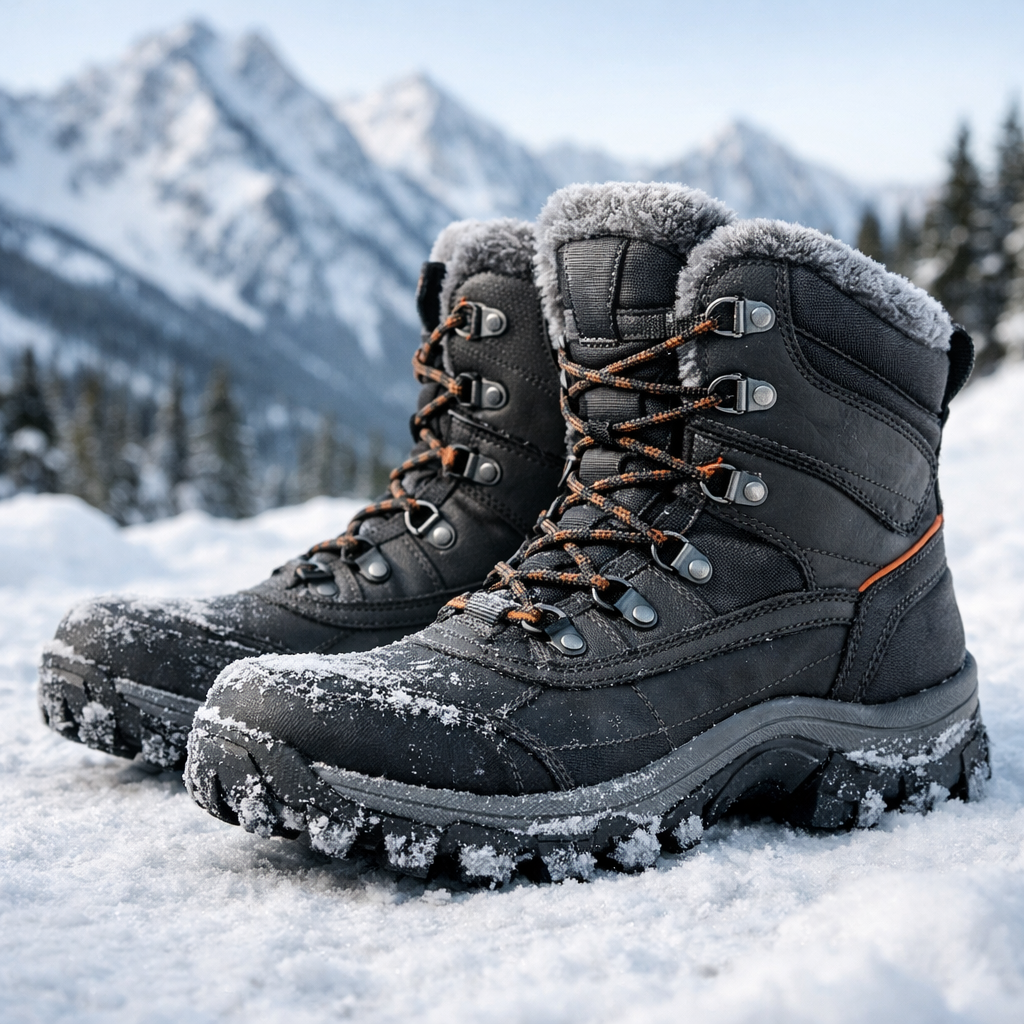
Designed for Extreme Cold: Waterproof Snow Boot Brands to Know
Designed for Extreme Cold: Waterproof Snow Boot Brands to Know
When temperatures plunge, four essentials separate dependable cold-weather footwear from the rest: waterproofing to the cuff, the right insulation level, genuine ice-ready traction, and a shaft/closure that seals out snow. In head-to-head tests, top reviewers routinely prioritize full waterproofing for harsh conditions—even if it sacrifices some breathability—because deep snow and slush overwhelm less-protected builds fast, especially on slow-moving days (see OutdoorGearLab’s winter boot tests). For stationary tasks in bitter cold, choose warmer, taller, fully sealed boots; for hiking, pick lighter, insulated winter hiking boots with waterproof membranes and better breathability. Below, the brands and models beginners can buy with confidence.
At a glance
| Brand/Model | Waterproofing method | Insulation (g/liner) | Temp rating | Weight/feel | Best for |
|---|---|---|---|---|---|
| Sorel Caribou | Seam-sealed leather + rubber shell | Removable 9mm felt liner | -40°F class | Bulky, stable | Deep snow, slush, short walks |
| Baffin Snow Monster | Waterproof base + sealed upper | Multi-layer B‑Tek Heat liner | -40°F class | Very heavy, ultra-warm | Ice fishing, snow blowing |
| Muck Boot Arctic Ice | One-piece 8mm neoprene to top | Neoprene + fleece | ~-40°F class | Tall, stout | Standing in slush/wet work |
| Bogs Bozeman | Rubber/neoprene pull-on | Neo-Tech style liner | Rated to -72°F | Heavy, durable | Chores, jobsite, deep cold |
| The North Face Chilkat V 400 | Seam-sealed leather/membrane | 400g Heatseeker Eco | Sub-zero capable | Medium weight, comfy | All-around winter walking |
| Merrell Thermo Chill 2 Mid | Waterproof membrane | 200g synthetic | ~0°F moving | Light, nimble | Day hikes, packed trails |
| KEEN Revel IV (Polar) | KEEN.DRY membrane | 200–400g KEEN.WARM | -25°F to -40°F (model dep.) | Supportive, stiff | Winter hikes, snowshoeing |
| Salomon X Ultra Snowpilot | ClimaSalomon membrane | adv.WARM (≈200g class) | ~0°F moving | Agile, grippy | Active hiking on real trails |
| Blundstone All‑Terrain Thermal | Waterproof leather/seals | Thermal lining + Thinsulate | Light sub‑zero with socks | Easy-on, urban | Commutes, errands |
| XTRATUF Legacy | Rubberized neoprene | Minimal (add socks) | Above 0°F unless layered | Slip-on, grippy | Slush, docks, wet commutes |
Hiking Manual
At Hiking Manual, we deliver beginner-first guidance in micro-sessions: short, confidence-building advice and curated, affordable picks that balance comfort, durability, and value. Our recommendations skew toward day hikers and casual winter walkers who need dependable protection without overpaying. We assess boots on four things you’ll actually feel: waterproofing to the cuff, warmth-to-weight, traction compounds/lug design, and fit/closure. Use our quick checklists to match boot to activity and temperature in minutes. We keep choices tight so you can decide fast.
Sorel Caribou
The Sorel Caribou is a reliable, fully waterproof choice for wet, slushy winters and deep-snow days. Its classic build—seam-sealed leather upper mated to a vulcanized rubber shell—keeps water out, while a removable 9mm felt liner adds robust warmth. Sorel rates it to -40°F, and long-running test roundups keep it among dependable sub-zero winter boots thanks to its slush resistance and easy-to-dry internals (see Treeline Review’s Caribou coverage). “Removable felt liner” is a thick, insulated inner boot you can pull out to dry quickly between uses; it traps warm air while wicking moisture away from socks. The trade-off: bulk and reduced agility for long hikes—think snow days, shoveling, and slow walks, not fast miles.
Baffin
Baffin specializes in extreme cold with multi-layer insulation systems that shine below zero but add weight and reduce breathability. The Snow Monster and expedition-leaning Impact are among the brand’s ultra-warm standouts; Snow Monster uses B‑Tek Heat multi-layer insulation and can tip the scales around 6 lb 6.4 oz per pair—ideal for short distances or stationary use in severe cold (see BetterTrail’s boot comparisons). Baffin offers models rated to -40°F for the harshest conditions, but that warmth brings bulk and a less airy feel on the move.
- Baffin Impact vs. Snow Monster
- Insulation approach: both use multi-layer removable liners tuned for deep cold; Impact skews more expedition-ready.
- Weight: Impact is typically heavier; Snow Monster is still very heavy for its warmth class.
- Best use: Impact—ice fishing and static work; Snow Monster—snow blowing, short commutes in arctic snaps.
Muck Boot Arctic Ice
For standing in slush, thaw-refreeze slop, or wet jobsite work, the Arctic Ice is a fully waterproof champion. The one-piece, 8mm neoprene construction is waterproof to the top, and its seamless design helps resist leaks right into the cuff—a top reason reviewers lean toward full rubber/neoprene in harsh, wet conditions. The cold-tuned outsole bites well at slow speeds on frozen ground. A neoprene boot is a synthetic rubber that insulates by trapping micro-bubbles of air and stays flexible in the cold; it’s inherently waterproof but less breathable than fabric membranes.
Bogs Bozeman
The Bozeman line delivers durable, warm, fully waterproof pull-on protection that’s easy to step into when the driveway disappears. It’s rated to -72°F and is consistently noted as extremely warm and tough for a neoprene/rubber style, with better-than-expected breathability for the category (see GearJunkie’s long-term picks). Best for shoveling, commuting in deep cold, and jobsite work where slush and salt are constant. The trade-off is weight and reduced breathability versus membrane hikers; not a boot for long trail miles.
The North Face Chilkat V 400
The Chilkat V 400 is a well-rounded value pick that balances warmth, traction, and price. It packs 400g Heatseeker Eco synthetic insulation and a waterproof, seam-sealed build that earns consistent praise for all-day comfort on snow days and casual hikes (see REI’s expert advice roundup). Who it’s for: all-around winter walking, school drop-offs, and light hikes on packed trails.
- Quick stats: insulation 400g; height about 10.2 inches; weight roughly 3 lb per pair (varies by size).
Merrell Thermo Chill 2 Mid
If you’re moving at a steady clip on packed trails, the Thermo Chill 2 Mid is a lighter, more agile option. It uses a waterproof membrane with about 200g of synthetic insulation (some versions use PrimaLoft), making it a solid pick for winter day hikes, urban ice with add-on microspikes, and snowshoe approaches where breathability matters. Expect less warmth when standing still below 0°F compared with -40°F boots—but superior mobility and comfort while hiking.
KEEN Revel IV
For hikers who want stiff support, waterproofing, and strong grip in real winter terrain, the Revel IV (and Revel IV Polar) brings a hiking-boot chassis with KEEN.DRY waterproofing and a warm build. Depending on version, KEEN rates these from around -25°F up to -40°F, and they’re designed for winter work and hiking with a pack. The fit leaves room for thicker socks; check toe box splay and try with your intended sock system.
Salomon X Ultra Snowpilot
Salomon’s Snowpilot and Crosstrak-style winter hikers are nimble, membrane-equipped boots tuned for real trail traction. The Crosstrak Powder variant pairs a waterproof membrane with aggressive, cold-ready lugs and Salomon’s adv.WARM polyester insulation; testers highlight top-tier grip for active hikers who prioritize agility over maximum insulation (see Switchback Travel’s winter boot lineup). Compared with the Merrell Thermo Chill 2 Mid, expect a slightly different fit and outsole feel in the same approximate insulation class.
Blundstone All-Terrain Thermal
This is the city-to-commute Chelsea that’s ready for winter: waterproof leather, a thermal lining with Thinsulate, and a Vibram-style outsole pattern that grips urban slush better than dress boots (see Field Mag’s winter-ready Chelseas). It’s not a deep-snow specialist—pair with gaiters if you’ll wade drifts—and its sleek style moves cleanly from office to sidewalk.
XTRATUF Legacy
The Legacy is a fully waterproof slip-on with standout wet-surface grip, beloved in coastal towns for surviving slush, docks, and rainy-snowy commutes. The rubberized neoprene upper shrugs off meltwater and salt. Insulation is minimal versus true deep-winter boots, so pair with warm socks or liners in sub-zero temperatures. Best for sloppy urban days and frequent melt-freeze cycles where water resistance and traction trump bulk warmth.
How to choose for sub-zero conditions
Make a fast, confident pick with this 5-step flow:
- Environment: deep snow and slush vs. packed trails and plowed sidewalks.
- Activity: mostly stationary (shoveling, spectating) vs. active hiking.
- Temperature band: around 0°F, -20°F, or -40°F and below.
- Traction need: glare ice, mixed snow/ice, or mostly soft snow.
- Fit/closure: pull-on height and convenience vs. laced precision and heel hold.
Summary guide
| Activity + temps | Waterproofing | Insulation target | Traction focus |
|---|---|---|---|
| Stationary in very cold (-20°F to -40°F) | Seamless rubber/neoprene to cuff | 300–400g, multi-layer liners, or 9mm felt | Winter-compound rubber; add studs or microspikes nearby |
| Active in mid-cold (10°F to -10°F) | Waterproof-breathable membrane | 100–200g synthetic | Aggressive lugs and supportive chassis |
| Mixed chores in deep slush | Rubber/neoprene pull-ons | Neoprene/foam liners | Soft winter rubber; tall shafts for snow sealing |
Waterproofing to the cuff
Waterproof-to-the-top designs matter any time snow is over your ankles, slush is pooling, or creek crossings run high. A model like the Arctic Ice uses 8mm neoprene, waterproof right to the opening; pull-on neoprene/rubber boots excel at this but breathe less than membrane hikers, a trade-off repeatedly noted in comparative tests. A waterproof membrane is a thin, microporous barrier laminated to boot uppers that blocks liquid water while allowing some vapor to escape; Gore‑Tex is the most recognized example. For knee-deep snow or hours of slush standing, prioritize seamless rubber/neoprene or fully sealed seams; for aerobic hikes, choose waterproof-breathable membranes.
Insulation levels and temperature ratings
Match insulation to movement and temps: the Chilkat V 400’s 400g Heatseeker Eco suits sub-zero walking days, while Merrell’s Thermo Chill 2 Mid with 200g insulation fits active hikes near 0°F. Bogs’ Bozeman is rated to -72°F, and Sorel’s Caribou uses a removable 9mm felt liner with a -40°F rating—both examples of big warmth for low-activity days. Rule of thumb: pick 300–400g or felt liners for extreme cold with limited movement; opt for 100–200g plus breathable membranes when you’ll be hiking. A temperature rating is the brand’s estimate of the lowest temperature a boot can keep most users warm under controlled conditions—use it as guidance, not a guarantee, and adjust for socks, wind, and your personal metabolism.
Traction on ice and packed snow
Outsole design matters as much as insulation. Studded options like the Icebug Boda use 17 carbide steel studs for exceptional ice traction, while winter hikers often prioritize aggressive lugs and supportive chassis for mixed terrain (Outside’s winter boot guide details both approaches). Winter compound rubber stays softer in the cold so lugs can bite into ice and hardpack better than standard rubber.
- Studded outsoles: best security on glare ice; louder and not ideal indoors.
- Aggressive lug patterns: versatile for snow and mixed trails; pair with microspikes on true ice.
- Add-on microspikes: modular grip you can stash until you hit slick sections.
For more traction picks and when to add spikes, see our guide to the best winter hiking boots for snow and ice on Hiking Manual.
Fit, socks, and lace or pull-on closure
Fit warmth first: leave about a thumb’s width at the toe with your intended socks and check for zero heel lift. Taller shafts (10 inches or more) and gusseted tongues help seal out snow, which can make more difference than a few grams of insulation on deep days (see Wirecutter’s boot buying advice). Pull-ons (Bogs, Muck, XTRATUF) win for convenience and waterproof height; laced hikers (Salomon, Merrell, KEEN) win for precision fit, ankle support, and mobility. Use a moisture-wicking liner sock plus a midweight merino sock; avoid cotton entirely.
Frequently asked questions
Are all winter boots waterproof or just water-resistant?
Not all winter boots are fully waterproof. Hiking Manual’s waterproofing basics: sealed seams, membranes, or seamless rubber/neoprene block water to near the cuff; water-resistant boots only shed light moisture.
How much insulation do I need for sub-zero temperatures?
For -10°F to -20°F while moving, 200g synthetic insulation is often sufficient; for -20°F to -40°F or low activity, choose 300–400g insulation or removable felt liners and size for warm socks. See Hiking Manual’s quick insulation chart for matching temps to movement.
What outsole features help on ice and hardpack?
Deep, widely spaced lugs and winter-compound rubber improve grip on snow and hardpack; for glare ice, consider boots with built-in studs or add-on microspikes for reliable traction. Hiking Manual’s traction guide explains when to bring spikes.
Will waterproof insulated boots make my feet sweat?
Fully sealed rubber/neoprene boots trap more heat and can feel less breathable, while waterproof membranes balance weather protection with vapor release. Hiking Manual’s fit and layering tips help you dial warmth without sweat.
How should winter boots fit with thick socks?
Aim for a thumb’s width at the toe with your intended socks and no heel slip; see Hiking Manual’s fit checklist. Ensure the shaft and tongue seal over pants or gaiters to keep snow out, then retie laces after a few minutes of walking.