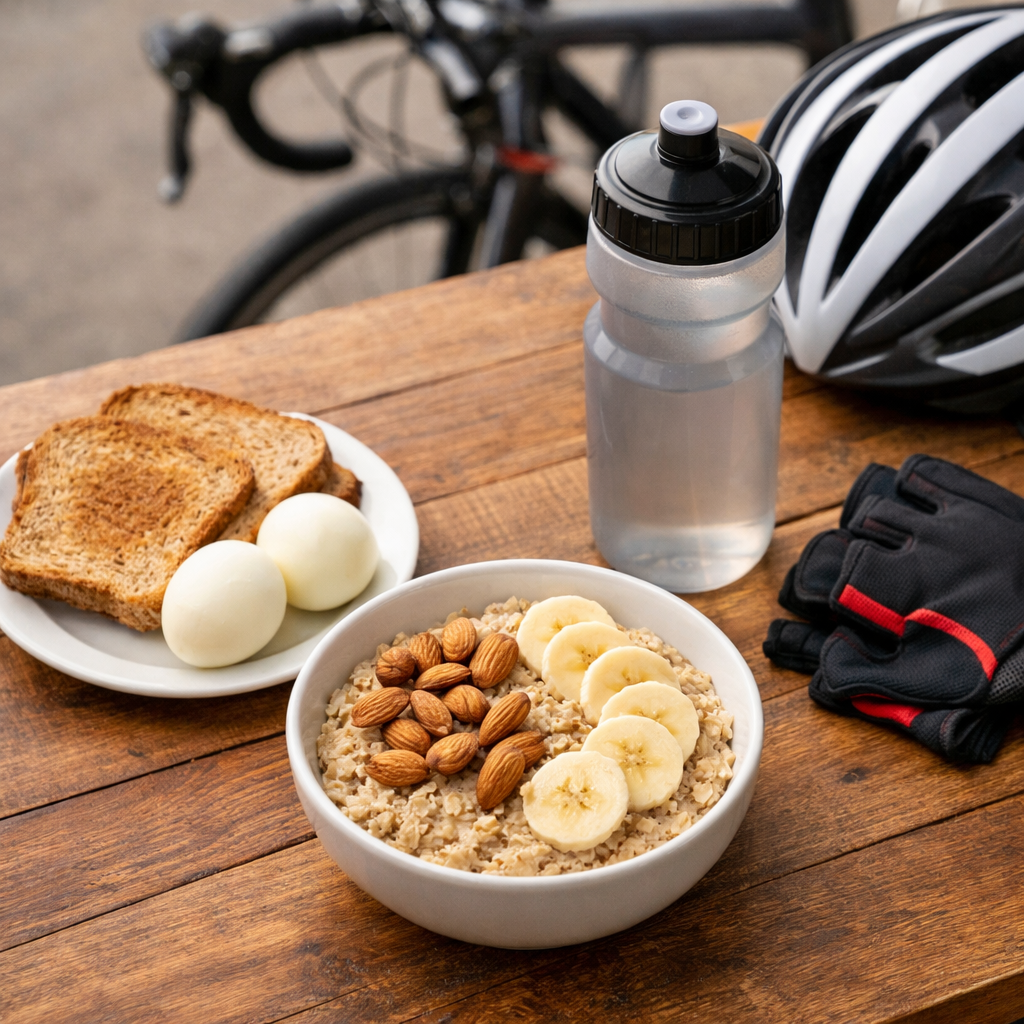
Cycling Nutrition Breakfast Guide 2026: Proven Meals for Peak Performance
Cycling Nutrition Breakfast Guide 2026: Proven Meals for Peak Performance
A great cycling breakfast is simple: carbohydrate-first for energy, modest protein for maintenance, and minimal fat and fiber for comfort. The “best pre-ride breakfast for cyclists” depends on ride length and intensity, but a reliable default before hard or long efforts is oats or rice with yogurt or eggs plus fruit—eaten 3–4 hours before you roll. Closer to the start, choose an easy 150–250 kcal snack with 25–50 g fast carbs and sip fluids. Use this Hiking Manual guide to match your meal to the session and to transition smoothly into on-bike fueling for steady power and fewer gut issues.
Assess your ride demands
Your breakfast should match the work ahead. Short, easy spins need less fuel; long or high-intensity sessions demand more pre-ride carbs and a clear on-bike plan. This protects power output and keeps your gut calm.
Glycogen is the body’s stored form of carbohydrate in muscles and liver. Overnight, levels can dip, reducing high-intensity capacity. Topping up with carbohydrate at breakfast restores fuel for power and focus, especially before long or hard rides.
Quick reference: session type → pre-ride carbs and on-bike fueling
| Session type | Duration & feel | Pre-ride carbs (g/kg BW) | On-bike carbs (g/hr) | Early-ride fueling form |
|---|---|---|---|---|
| Low/moderate endurance | <90 min, easy–steady | 0.5–1 | 0–30 (as needed) | Water; optional small sip of carb drink |
| High-intensity intervals/threshold | 60–90 min, hard | 1–2 | 30–60 | Carb drink; gels from 20–30 min |
| Long endurance | >2 hours | ≥2 | 60–90 | Start with solids, shift to gels/drinks |
While some pros push 100–120 g/hr, research hasn’t validated carb oxidation above ~90 g/hr and GI risk rises as intake increases—test your ceiling in training, not on race day (see the Rouvy endurance fueling guide).
Schedule your breakfast timing
You want enough time to digest, but not so long that you start hungry. Use these timing windows to avoid GI distress and still arrive fueled.
- 4 hours out: Full meal with complex + simple carbs to top off glycogen (see the Bicycling pre-ride nutrition guide).
- 2 hours out: Moderate meal that’s lighter on fat and fiber.
- 30–60 minutes out: 150–250 kcal snack with 25–50 g easy carbs.
- 10–15 minutes out: Sip water or a light electrolyte drink.
Flow in practice: 4:00 (full meal) → 2:00 (moderate top-up if needed) → 0:30–1:00 (carb snack) → 0:10–0:15 (fluids/electrolytes).
Build your plate for performance
Aim for a carbohydrate-first breakfast that meets the session’s demand, includes a practical protein minimum, and keeps fats modest to speed gastric emptying.
- Full meals (3–4 hours out): ≥2 g carbs/kg bodyweight, ~20–30 g protein, ~5–10 g fat.
- Moderate meals (≈2 hours out): ~1–2 g carbs/kg, ~20–30 g protein, keep fat modest.
Visual plate model:
- Half to two-thirds of the plate: grains or starch (oats, rice, pasta, toast).
- A palm of protein (eggs, yogurt, tofu, seitan).
- A fist of fruit; drizzle of honey or jam if needed.
- Small fat add-ons earlier; minimal fats if close to start.
Mini carb calculator
- Full meal target: bodyweight (kg) × 2 g/kg = grams of carbs.
- Moderate meal target: bodyweight (kg) × 1–1.5 g/kg = grams of carbs.
Carbohydrate targets and easy-to-digest choices
Complex carbohydrates such as oats, rice, pasta, and whole-grain toast provide steady energy ideal before exercise (see High5’s pre-run guidance and Hiking Manual’s related advice). Closer to the start, use low-fiber, easy carbs—white rice, ripe bananas, low-fiber cereal, or jam toast. Early in events, solid foods digest more easily; move toward gels and carb drinks as intensity rises.
Time-to-start vs. carb choices
| Time to start | Carb choices | Typical serving | Approx carbs (g) |
|---|---|---|---|
| 3–4 hours | Oat porridge; pasta; rice + fruit | 1 cup cooked oats; 2 cups cooked pasta; 1.5 cups rice + banana | 45–50; 75–80; 95–110 |
| 90–120 minutes | Yogurt + granola + banana; smoothie with oats | 200 g yogurt + 40 g granola + banana; 350 ml smoothie | 70–90; 50–70 |
| 30–60 minutes | Jam toast; low-fiber cereal + milk; sports drink + fig bars | 2 slices; 1.5 cups + 200 ml; 500 ml + 2 bars | 45–55; 55–65; 50–60 |
| 10–15 minutes | Energy gel; applesauce pouch; carb drink sips | 1 gel; 1 pouch; 200–300 ml | 20–25; 15–20; 12–20 |
Protein amount and sources
Target ~20–30 g of breakfast protein to support muscle maintenance without displacing needed carbs. Practical sources include Greek yogurt (~10 g per 100 g), seitan (~30 g per 100 g), and prawns (~20–24 g per 100 g), as highlighted in GQ’s 2026 nutrition advice.
Leucine is a branched-chain amino acid that triggers muscle protein synthesis. Adequate leucine at meals helps repair training-induced muscle damage. Animal proteins are typically leucine-dense; plant eaters can combine sources (e.g., seitan with soy or pea protein) to match leucine needs.
Recovery reminder
- Within 2 hours post-ride, combine carbs and protein to replenish glycogen and support repair—think rice or potatoes with chicken or tofu, or a smoothie with fruit and protein (see Rouvy’s endurance fueling guide).
Smart fats for satiety without slowing digestion
Cap fat at ~5–10 g in close-start meals to keep digestion swift. Use avocado, nut butter, or olive oil in earlier (3–4 hour) meals, and test tolerance on easy days. For overall diet quality, include omega-3-rich fish like salmon, mackerel, or sardines twice weekly (see BikeRadar’s sports nutritionists’ cupboards).
Add performance boosters wisely
Caffeine about 30 minutes pre-ride can sharpen focus and lower perceived exertion; start modest and note your response (supported by both High5 guidance and GQ’s 2026 advice). Creatine (≈5 g daily) can bolster sprint and strength phases but may add water weight—trial during training blocks, not before races (see FuelNutrition’s coaching app roundup). Rehearse all supplements and higher fueling rates well before race day.
Caffeine timing and dose
- Try a strong black coffee 30 minutes before training; alternatives include tea or a caffeine gel. Excess caffeine can upset the gut and may nudge dehydration risk in sensitive riders—assess your response (High5; GQ 2026).
- Set a personal cut-off time to protect sleep.
- Tolerance test plan: across 2–3 rides, start with a half-dose (e.g., small coffee), note HR/RPE and GI comfort; progress to your usual cup; compare session quality and recovery.
Creatine for power-focused training
- Many coaches use ~5 g creatine daily. It supports repeated high-power efforts more than long steady endurance; some athletes accept minor water-weight gain for power benefits (GQ 2026; FuelNutrition).
- Practical use: blend into a breakfast smoothie with protein.
- 4–6 week trial: track weekly sprint power, gym lifts, body mass, and leg feel; reassess fit for your phase.
Gut training and tolerance testing
Gut training is the process of practicing your fueling plan in training to improve digestion and absorption of carbohydrates during exercise. It reduces GI distress by gradually increasing carb intake and testing product types and timing before key events.
Progress your on-bike carbs toward ~60–90 g/hr while monitoring symptoms; higher intakes can raise GI risk, so build capacity over weeks (Rouvy endurance fueling). Practice transitioning from bars to gels/drinks as intensity rises.
Hydrate and salt strategy
Use thirst as your baseline and scale to heat and ride duration. Electrolytes are minerals—primarily sodium, potassium, and magnesium—that regulate fluid balance, nerve signaling, and muscle contraction. During sweaty rides, replacing electrolytes helps maintain performance and may reduce cramp risk, especially in heat and longer durations (Rouvy endurance guide).
Pre-ride fluids and sodium
- With breakfast, drink 300–600 ml water or a light electrolyte drink; include sodium via food or a low-dose tab (Rouvy).
- Salty sweaters: add a pinch of salt to eggs or toast.
- Aim for pale-straw urine before you roll; avoid chugging right before the start to prevent stomach slosh.
Hot weather and long-ride adjustments
- For heat or >2-hour rides, continue drinking to thirst and increase sodium replacement; watch for sweat rate cues (salt stains, heavy drips).
- Sweat-rate test: weigh nude pre/post (kg). Fluid loss per hour ≈ (pre – post + fluids consumed – urine) ÷ hours. Translate to bottle counts (one 500–750 ml bottle per ~0.5–0.75 kg loss).
- As efforts ramp up, shift fueling form from solids toward gels and carb drinks (Rouvy).
Proven breakfasts to match the session
Below are plug-and-play meals by timing window with calories and macros that favor carbs, keep protein practical, and minimize fats. Staples like oats, berries, almonds, honey, and chia/flax add taste and useful micronutrients; overnight oats are an easy make-ahead option (see BikeRadar’s pantry picks).
Three to four hours before hard or long rides
Target: 500–700 kcal; ≥2 g carbs/kg, ~20–30 g protein, ~5–10 g fat.
- Rice bowl: 1.5 cups cooked white rice + 2 scrambled eggs or 150 g tofu, honey/soy drizzle, banana on the side. ≈ 600–700 kcal; 110–130 g carbs; 20–28 g protein; 8–10 g fat.
- Pasta plate: 2 cups cooked pasta with light marinara + 100–120 g chicken or 120 g seitan; berries + 150 g yogurt. ≈ 650–750 kcal; 110–125 g carbs; 25–35 g protein; 8–12 g fat.
- Oat porridge: 1 cup cooked oats with milk, berries, 1 tbsp honey, 150 g Greek yogurt, 1 tbsp chia. ≈ 600–700 kcal; 95–115 g carbs; 25–30 g protein; 9–12 g fat.
Ninety minutes to two hours before moderate rides
- Yogurt parfait: 200 g Greek or soy yogurt + 40–60 g granola + banana. ≈ 450–550 kcal; 70–90 g carbs; 20–25 g protein; 8–12 g fat.
- Smoothie: milk or soy milk, banana, 30–40 g oats, 20–25 g whey/plant protein; optional 5 g creatine. ≈ 350–500 kcal; 50–70 g carbs; 20–30 g protein; 5–10 g fat.
- Sourdough toast x2 with thin peanut butter + honey; side of kefir. ≈ 450–550 kcal; 65–85 g carbs; 18–25 g protein; 10–15 g fat.
Thirty to sixty minutes before short or early rides
Use 150–250 kcal with 25–50 g easy carbs.
- Ripe banana + jam toast. ≈ 220–260 kcal; 45–55 g carbs; 3–6 g protein; 2–4 g fat.
- Low-fiber cereal (1–1.5 cups) with milk. ≈ 200–300 kcal; 40–55 g carbs; 8–12 g protein; 2–6 g fat.
- Sports drink (500 ml) + fig bars (2). ≈ 250–300 kcal; 50–60 g carbs; 1–3 g protein; 0–3 g fat.
- Note: Some athletes try a small MCT oil dose when fasted; tolerance varies—test carefully in training (GQ 2026).
Plant-based variations that hit carb and protein targets
- Seitan scramble (120–150 g) with toast and fruit. ≈ 450–600 kcal; 70–95 g carbs; 25–35 g protein; 6–10 g fat.
- Soy yogurt parfait: 250 g soy yogurt + muesli + banana + almonds; chia/flax for fiber and lignans. ≈ 500–650 kcal; 80–100 g carbs; 22–30 g protein; 10–15 g fat.
- Overnight oats: rolled oats + soy milk + plant protein + berries + honey; add chia for texture. ≈ 500–650 kcal; 80–110 g carbs; 25–35 g protein; 8–12 g fat.
- Tip: Pair plant proteins (soy + seitan or pea + grains) to cover leucine; test fiber load on easy days.
On-bike fueling handoff
For rides over 2 hours, plan roughly 60–90 g carbs per hour. Some athletes exceed 100 g/hr, but oxidation above ~90 g/hr isn’t well supported and GI issues can rise—build tolerance in training (Rouvy). Start with bars or bites early; shift to gels and carb drinks as intensity increases.
First 30 minutes checklist
- Sip your bottle.
- Take a small bite if starting steady.
- Settle pacing; don’t surge before fueling lands.
Test, track, and iterate with tools
Log breakfasts, ride feel, power/HR, GI comfort, and hydration. For more meal ideas, see Hiking Manual’s sports nutritionist picks for pre-ride breakfasts. Top 2026 trackers like MyFitnessPal, Cronometer, MacroFactor, and Carb Manager offer verified databases, wearable syncing, and meal planning; Athlete’s FoodCoach also syncs with training platforms and features 1,500+ performance meals (see Rouvy’s best nutrition apps). Coaching-loop apps can give day-by-day nudges tied to training load (see FuelNutrition’s app guide).
Common mistakes to avoid
- Too much fiber or fat close to the start, causing GI distress—keep fats modest and use low-fiber carbs near go-time (Bicycling pre-ride guide).
- Skipping practice for race-day breakfast or high on-bike carb rates—gut training is essential (Rouvy).
- Neglecting hydration and sodium in heat—drink to thirst and replace electrolytes to help reduce cramp risk (Rouvy).
Frequently asked questions
What is the best pre-ride breakfast for cyclists?
The best pre-ride breakfast is higher-carb, modest-protein, and low in fat/fiber, eaten 3–4 hours before hard or long rides—think oats or rice with yogurt or eggs plus fruit. If you’re within an hour, choose an easy 150–250 kcal snack with 25–50 g fast carbs and sip fluids; for examples and portions, see Hiking Manual’s pre-ride breakfast picks.
How much protein should breakfast include before cycling?
Aim for ~20–30 g of protein in your pre-ride meal to support muscle maintenance without crowding out needed carbohydrates. Save a bigger protein hit for your post-ride recovery meal alongside carbs; our sample breakfasts hit this range.
When should I eat if I start riding early?
If you can’t eat 2–4 hours before, have a light snack 30–60 minutes pre-ride—like a banana and toast or a small smoothie—then prioritize your first on-bike carbs within the opening 20–30 minutes. Hiking Manual’s 30–60 minute options fit this window.
What should I drink with breakfast before a hot or long ride?
Sip water or a light electrolyte drink with breakfast, then drink to thirst on the bike while replacing sodium. Hiking Manual’s menus pair well with light electrolytes for hot or long days.
Which foods should I avoid right before a ride?
Avoid heavy, high-fat, or very high-fiber foods right before riding, which can slow digestion and increase GI discomfort. Our pre-ride picks keep fat and fiber low.