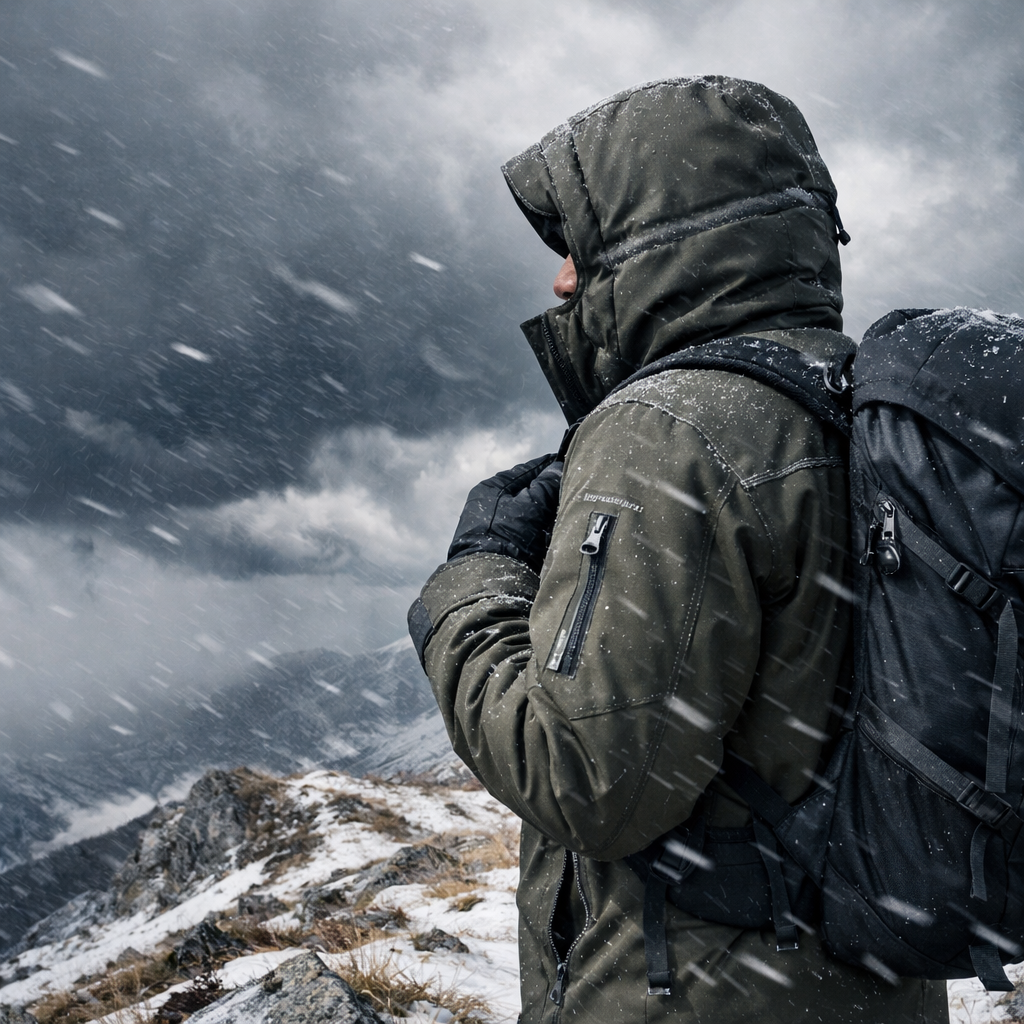
Cold-Front Coming? Buy Storm-Ready Insulated Parkas from These Retailers
Cold-Front Coming? Buy Storm-Ready Insulated Parkas from These Retailers
When a cold front barrels in, hikers and commuters need storm-ready parkas that block wind, shed sleet, and retain heat. Below, Hiking Manual cuts through the noise to show where to buy insulated parkas with waterproof shells, how to match insulation and weatherproofing to your forecast, and which models excel from budget to expedition. Storm-ready in one line: “A storm-ready parka combines high-quality insulation with a windproof, water-resistant or waterproof shell plus seal-building features (insulated hood, storm flaps, wrist gaiters) to prevent heat loss in wind, rain, and blowing snow.” You’ll get plain-language guidance on GORE-TEX parkas, DWR coatings, fill power, and down vs synthetic so you can choose confident blizzard protection—not just warmth on paper.
Quick options at a glance:
- Budget-friendly (value warmth): REI Campwell Down Parka; The North Face Arctic Parka (600-fill class).
- Midrange performance: REI Stormhenge 850 Hybrid (850-fill down + synthetic blend); Patagonia Jackson Glacier (weather-repellent city-to-trail).
- Expedition-grade: Outdoor Research Super Alpine Down Parka (800-fill); Canada Goose Carson (maximum heat retention for static frigid use).
How to choose a storm-ready insulated parka
Use this fast decision path to nail the right parka for your weather and activity:
- Climate moisture
- Dry, snowy, windy cold: Prioritize windproof shell with robust DWR and a longer cut for coverage.
- Mixed/wet systems or sleet: Lean waterproof (e.g., seam-taped GORE-TEX) for extended precipitation.
- Activity level
- Low-output (watching a game, shoveling, chairlift lines): Go warmer, longer, and heavier; prioritize draft-sealing features.
- Moderate hiking/commuting: Balance warmth, breathability, and mobility; ensure venting/two-way zips.
- Insulation choice
- Down = best warmth-to-weight; excels in dry cold.
- Synthetic = insulates when damp and dries faster. As summarized in Outside’s winter jackets guide, down leads for loft efficiency while synthetic keeps working in wet conditions.
- Shell and storm features
- Fully waterproof (GORE-TEX, seam-taped) if you’ll stand or hike in extended rain/sleet.
- Windproof/DWR shell is sufficient for most snowy mountain-town days; add storm flap over the main zip, wrist gaiters/adjustable cuffs, drawcord hem, and an insulated, adjustable hood.
Warmth reality check:
- Look at both fill power and fill weight; longer cuts hold heat better.
- In independent testing, some parkas took over two hours to cool from 71°F, showing gradual heat loss that favors higher-loft, longer designs for low-output winter waits (CleverHiker’s winter coats testing).
Insulation types and warmth metrics
- Fill power: A measure of down loft (typically 600–900+). Higher numbers mean more loft per ounce—better warmth-to-weight.
- Fill weight: The total amount of insulation. True warmth depends on both fill power and fill weight.
- Down vs synthetic: Down delivers the highest warmth-to-weight but loses insulating performance when wet; synthetic keeps insulating when damp (see Outside’s winter jackets guide).
- Hybrids: Strategic blends—down in the core for lofty warmth; synthetic at cuffs/hem/shoulders where moisture accumulates.
Real-world examples:
- REI Stormhenge 850 Hybrid: 850-fill down plus synthetic mapped to moisture-prone zones, a standout value around the high-$200s in testing (CleverHiker’s winter coats testing).
- Outdoor Research Super Alpine Down Parka: Expedition-rated warmth using 800-fill down—serious loft for high-latitude or summit-town deep winter (CleverHiker’s winter coats testing).
Weatherproofing and wind protection
- DWR, in a sentence: A durable water repellent is a fabric treatment that makes water bead and roll off, boosting short-term rain/snow resistance while maintaining breathability.
- What you need: For extended rain or sleet, choose fully waterproof, seam-taped shells (e.g., 3-layer GORE-TEX); for most snow and mixed winter days, a windproof shell with quality DWR is typically sufficient per Switchback Travel’s winter jacket guide.
- Don’t forget the seals: Zipper storm flaps, wrist gaiters or snug cuffs, and drawcord hems dramatically cut cold-air infiltration in gusts and spindrift. Independent gear labs emphasize these small details as big comfort multipliers during storms.
Fit, length, and mobility considerations
- Lengths compared:
- Hip-length: Light, agile, and best for high-output movement; less draft blocking.
- Mid/thigh-length: The all-around sweet spot for warmth, coverage, and mobility.
- Calf-length: Maximum coverage; retains more heat simply by covering more body area (noted in long-coat testing).
- Mobility matters: Look for two-way zippers (for striding, sitting, or belaying), side vents, articulated sleeves, and glove-friendly zipper pulls for winter usability.
- Fit by user type: Beginners typically do well with lighter, mid-thigh cuts. Tall hikers should prioritize drop-tail coverage and extended sleeves to prevent hem lift and exposed wrists in wind.
Storm-blocking features that matter
Prioritize these for blizzard-level sealing:
- Insulated, adjustable hood with brim
- Storm flap over the main zipper (internal or external)
- Wrist gaiters or adjustable cuffs that close over gloves
- Drawcord hem and draft-blocking collar
- Fleece-lined hand pockets for warmth and grip
- Internal stash pocket to preserve phone/battery warmth
Field example: Wrist gaiters and an adjustable hood on the OR Stormcraft create excellent draft seals when temps dive. From a safety lens, wind and wet can accelerate heat loss dramatically; NIOSH-referenced guidance reports the body can lose heat up to 25x faster in wet, windy conditions (NIOSH-referenced cold-stress guidance).
Safety-first buying checklist
Use this Hiking Manual checklist to evaluate any parka quickly.
| Spec to check | Why it matters | Target benchmark |
|---|---|---|
| Fill power + fill weight | Determines true warmth, not just “puffiness” | 700+ down for deep cold; ample fill weight for size |
| Insulation type | Performance in wet snow/slush | Synthetic or hybrid for wet forecasts; down for dry cold |
| Shell rating | Wet-weather staying power | Fully waterproof (GORE-TEX/seam-taped) for prolonged rain; DWR windproof for snowy climates |
| Seams and zips | Draft and water ingress control | Storm flap over main zip; taped critical seams |
| Hood, cuffs, hem | Seal-building to reduce convective heat loss | Insulated, adjustable hood; wrist gaiters/Velcro cuffs; drawcord hem |
| Length and mobility | Coverage vs stride and sitting comfort | Mid-thigh or longer; two-way zip; articulated sleeves |
| Proven testing | Real warmth, not just specs | Look for measured warmth retention and field notes from reputable tests |
Value picks that hit the marks: REI Stormhenge 850 Hybrid (balanced warmth/weather resistance at a friendly price) and OR Stormcraft (robust storm protection with guide-friendly details) based on independent testing and brand specs cited below.
Best places to buy storm-ready insulated parkas
- Value: REI (own-brand Stormhenge/Campwell), The North Face (Arctic, McMurdo). Reliable warmth, wide sizing, fair returns.
- Performance all-around: Outdoor Research (Stormcraft), Patagonia (Jackson Glacier). Strong shells plus refined features.
- Expedition/urban-luxury: Arc’teryx (Therme/Therme SV), Canada Goose (Carson). Top-tier weather protection and warmth, premium pricing.
- Work-rated PPE: RefrigiWear (Iron-Tuff, PolarForce). Rugged shells, synthetic insulation, high-vis options for job sites.
Cold fronts can cause sudden stock-outs—act quickly, and leverage retailers with solid return windows and warranties.
REI
For value-driven performance and clear specs, REI’s house line is hard to beat.
- Stormhenge 850 Hybrid Parka: 850-fill down mapped with synthetic in moisture-prone zones, tested around the high-$200s price point with strong warmth-to-value and credible water resistance (CleverHiker’s winter coats testing).
- Campwell Down Parka: Recycled-face fabric, 650-fill down, sherpa-lined hood, side thigh zips, and knit cuff gaskets for sealing; listed near the low-$200s in testing.
- Also watch The North Face Arctic via REI: about 600-fill down and mid-$300s in past tests for a reliable everyday warm parka.
Outdoor Research
OR builds storm protection with guide-friendly ergonomics.
- Stormcraft Down Parka: A bluesign-approved GORE-TEX 2L, 150D canvas-style shell with responsibly sourced down, wrist gaiters, an adjustable hood, and soft chinguard—robust for mixed precipitation and wind-exposed trailheads (Outdoor Research Stormcraft Down Parka).
- For expedition warmth: Super Alpine Down Parka (800-fill) remains a reference for serious cold when you’ll be standing still, belaying, or commuting in subzero blasts (CleverHiker’s winter coats testing).
Arc’teryx
Premium protection and refined fits for wet cities and cold mountain towns.
- Therme SV Parka: Listed around $900 with high storm protection and clean lines per major winter jacket roundups (Outside’s winter jackets guide). The Therme/Therme SV family excels in truly foul, windy weather.
- Quick compare:
- GORE-TEX builds: Best for extended rain/sleet, maximum windproofing; pricier and sometimes heavier.
- DWR city parkas: Lighter and more breathable; adequate for dry-snow climates with intermittent moisture.
Canada Goose
Expedition-level warmth for static or low-output use, with transparent tradeoffs.
- Carson Parka: Around $1,675 and widely praised for trapping body heat during frigid snaps (AOL’s parkas roundup). Expect excellent heat retention but more weight and less breathability than hiking-first designs.
- If you move more than you stand, consider lighter performance parkas with venting and hybrid insulation.
L.L.Bean
Classic, durable options with inclusive sizing and easy ownership.
- L.L.Bean’s extreme-cold parkas focus on wind-resistant shells, reliable insulation, and practical storm features for commutes and casual winter hikes, often with machine-washable convenience (L.L.Bean extreme-cold parkas).
- Tall sizes and long cuts are common—good news for bigger frames and blustery sidewalks.
RefrigiWear
Work-rated PPE for job sites, snow blowing, and cabin chores.
- The brand emphasizes rugged shells, synthetic insulation that keeps working when wet, big storm flaps, and oversized insulated pockets—born from 70+ years of cold-work design including Iron-Tuff and PolarForce (RefrigiWear’s best winter parkas).
- Safety-first touches such as high-vis options and reinforced fabrics align with PPE guidance for winter conditions; prioritize visibility and durability when conditions turn harsh.
The North Face
Broad availability, consistent fits, and reliable everyday warmth.
- McMurdo Parka: A rugged daily driver that stays warm and blocks wind in real-world winter (AOL’s parkas roundup).
- Arctic Parka: About 600-fill down and mid-$300s in testing, making it a dependable value benchmark against big-box picks (CleverHiker’s winter coats testing).
Patagonia
Balanced weather protection with eco-leaning materials.
- Jackson Glacier Parka: Strong water repellency with dependable warmth in independent testing (OutdoorGearLab’s winter jacket review).
- Patagonia’s synthetic Thermogreen options excel in wet cold. Compare your climate against fully waterproof shells if prolonged rain/sleet is common.
Helly Hansen
A smart pick for coastal and wet-snow climates.
- HH’s strength is waterproof/breathable shells tuned for heavy weather—ideal for ferry commutes, harbor towns, and sleet-prone trails.
- Compared with GORE-TEX parkas, you’ll often find competitive waterproofing at approachable prices in big-box channels. For subfreezing wet systems, look for generous synthetic insulation weights and storm flaps.
Budget-friendly big-box and department stores
You can find storm-ready under $300 if you know what to check:
- Aim for 600-fill down or robust synthetic, a windproof shell with DWR, a storm flap over the main zip, an adjustable hood, and fleece-lined hand pockets.
- On arrival, inspect seam quality, zipper plackets, and cuff closures; confirm an easy return window.
- Benchmark warmth and features against REI’s Campwell or TNF Arctic specs from trusted testing, and use Hiking Manual’s checklist above to avoid false economies.
What guides and testers learned in the field
- Warmth mechanics: Down and synthetic trap air; longer, higher-loft parkas stay cozy in still air and block drafts better (noted across independent roundups).
- Measured heat retention matters: Some parkas required over two hours to cool from 71°F in controlled tests, underscoring why fill weight, loft, and length pay off when you’re waiting in windchill (CleverHiker’s winter coats testing).
- Shell choice: For many snowy days, a windproof, DWR-treated shell is sufficient; choose fully waterproof for prolonged rain or sleet to avoid saturation and chill (Switchback Travel’s winter jacket guide).
Sizing tips for different body types
- Try on with your midlayer; verify shoulder mobility and that wrist gaiters or cuffs seal over gloves.
- Check drop-tail coverage when crouching and walking into the wind; tall hikers should prioritize sleeve length and thigh-length hems.
- Expect slimmer fits from urban-luxury brands and roomier cuts from work-rated parkas to accommodate layers.
Care and durability for multi-season use
- Wash per label; tumble low with dryer balls to restore down loft; re-up DWR with spray-on or wash-in once the shell “wets out.”
- For GORE-TEX, follow brand care guidance to maintain waterproofing and breathability; always store fully dry and uncompressed.
- Pre-season check: hood cord locks, cuff Velcro, zipper function, seam tape integrity, and reflective elements (for PPE contexts).
Frequently asked questions
What is storm-ready in a parka and when do I need full waterproofing?
Storm-ready means warm insulation plus a windproof, well-sealed shell; choose fully waterproof (GORE-TEX, seam-taped) for prolonged rain/sleet, and use Hiking Manual’s checklist above for dry-snow picks.
Down vs synthetic for a wet cold front
Hiking Manual’s rule of thumb: pick synthetic or hybrid for wet forecasts because it keeps insulating when damp; down wins on warmth-to-weight in dry cold.
How long should my parka be for high winds and blowing snow?
Hiking Manual recommends thigh to calf-length for better draft blocking and heat retention; use a two-way zip for walking comfort.
What features keep wind and spindrift out during a blizzard?
Hiking Manual’s storm-check: an insulated, adjustable hood, a storm flap, wrist gaiters or snug cuffs, and a drawcord hem; fleece-lined hand pockets help protect fingers and batteries.
How do I layer under a parka for subfreezing hikes?
Hiking Manual layering: wicking base, breathable midlayer, then your storm-ready parka; add or vent as you move so sweat doesn’t compromise insulation.