Best Waterproof Backpacks for Hiking: Field-Tested Picks for 2026
Best Waterproof Backpacks for Hiking: Field-Tested Picks for 2026
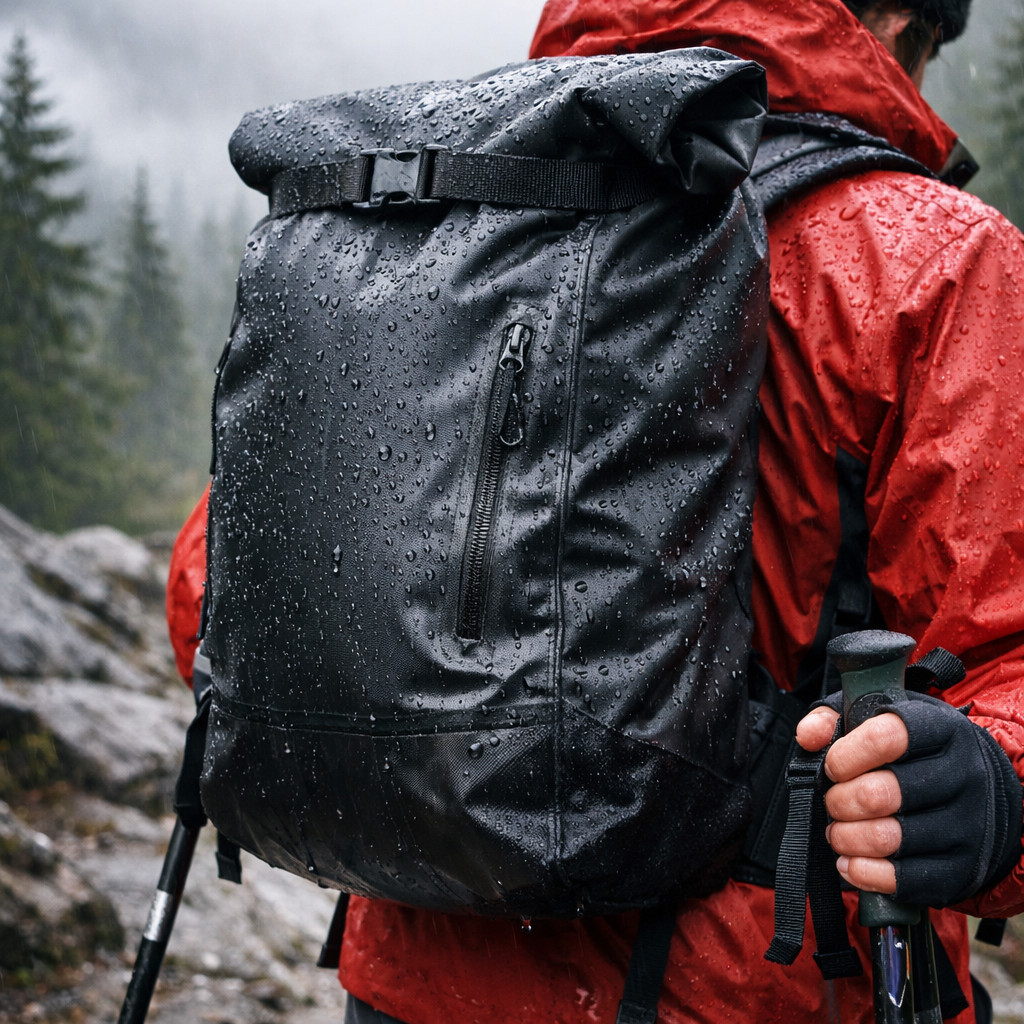
Whether you hike through shoulder-season storms or wade creeks on approach, the best waterproof backpacks for hiking in 2026 keep essentials dry and carry comfortably all day. After months of rain hikes, hose-downs, and dunk tests by Hiking Manual, our top picks span budget to premium: Earth Pak 35L for true submersible value, Ortlieb Commuter 21L for city-to-trail, YETI Panga 28 for maximum protection, Matador Freerain22 for ultralight packability, SealLine Big Fork 30L for kayak-adjacent routes, Breakwater Fogland 25 for rugged warranty-backed safety, Trudave Floating TPU for flotation needs, and Exped Typhoon 25 for balanced trail value. Roll-top designs remain the most common and reliable sealing method among waterproof hiking packs, especially under sustained rain and brief immersion, as many reviewers note across industry roundups.
Hiking Manual
Our promise: evidence-based, safety-first guidance rooted in field use, not hype. We prioritize stays dry + carries comfortably over spec-sheet bragging rights and always balance budget and premium paths. If you’re building a rainy-day kit, pair your pack with core skills and essentials—see our beginner hiking backpacks guide for fit and load tips and our ultralight hiking backpacks overview for weight-saving strategies. We also point newer hikers to trekking poles for slick footing, compact packable daypacks for side trips, ultralight tents for stormy nights, winter layering, traction footwear, and navigation app comparisons before committing to serious weather.
How we tested
At Hiking Manual, we evaluated each waterproof pack across five lenses:
- Waterproofing: steady rain hikes, pressurized hose tests, and brief submersion to spot leaks at seams, roll-tops, and zippers.
- Carry comfort: shoulder/hip support and back-panel feel over hours with realistic loads.
- Organization: access to essentials in bad weather without exposing the main compartment.
- Durability: fabric abrasion, scuffs, strap stitching, and hardware wear.
- Failure points: zipper stiffness, roll-top seam integrity, buckle cracks, and delamination.
Waterproof backpack — A pack designed to prevent water ingress using impermeable fabrics, welded seams, and closures (roll-top or watertight zippers). True submersible models withstand brief immersion; water-resistant packs fend off rain but may leak at zips or stitched seams.
Roll-tops are the most prevalent closure among waterproof hiking packs for dependable sealing in wet conditions, and fully submersible dry packs often trade ventilation and weight savings for absolute protection compared with lighter rainproof designs. For quick scanning, compare the core specs below.
| Pack | Capacity | Weight | Closure | Material | Best for |
|---|---|---|---|---|---|
| Earth Pak Waterproof 35L | 35L | — | Roll-top | 500D PVC | Budget submersible, river crossings |
| Ortlieb Commuter Daypack 21L | 21L | 1 lb 10 oz | Roll-top | PU-coated nylon | City-to-trail, rainy commutes |
| SealLine Big Fork Dry Pack | 30L | — | Roll-top | Welded dry-bag construction | Kayak-adjacent hikes, monsoon travel |
| YETI Panga 28 | 28L | ~4 lb | Watertight zipper | Burly laminated shell | Maximum abrasion resistance, harsh travel |
| Breakwater Fogland 25 | 25L | ~2.5 lb | Waterproof zipper | 420D TPU-coated nylon | Rugged use with strong warranty |
| Matador Freerain22 | 22L | ultralight | Roll-top | Coated ripstop with reinforcements | Packable ultralight day hikes |
| Trudave Floating TPU | — | — | Airtight waterproof zipper | TPU with air valve | Flotation safety for paddling approaches |
| Exped Typhoon 25 | 25L | — | Roll-top | Coated nylon | Balanced trail value in steady rain |
Quick picks and who each pack is for
- Best budget submersible — Earth Pak 35L: Real submersion protection at a bargain price. Stout PVC build. Caveat: heavier and warmer on the back.
- Best city-to-trail — Ortlieb Commuter 21L: Clean roll-top silhouette with supportive straps and a laptop sleeve. Caveat: limited capacity for bulky kits.
- Best ultralight/packable — Matador Freerain22: Packs into its own sack and shrugs off rain. Caveat: minimal structure and support.
- Best premium durability — YETI Panga 28: Hydrolok-style zipper and abrasion-proof shell. Caveat: pricey and nearly 4 lb.
- Best kayak-adjacent protection — SealLine Big Fork 30L: Dry-bag build excels in monsoon rain and wet launches. Caveat: basic organization.
- Specialist flotation — Trudave Floating TPU: Airtight zipper and air valve add buoyancy for water-heavy routes. Caveat: extra complexity/weight.
- Balanced value rucksack — Exped Typhoon 25: Trail-friendly features at a fair price. Caveat: not fully submersible like PVC dry-bags.
- Rugged warranty — Breakwater Fogland 25: TPU-coated nylon and lifetime guarantee. Caveat: heavier and zipper durability questions.
Earth Pak Waterproof Backpack 35L
If you want a true submersible backpack without draining your budget, Earth Pak’s 35L dry-bag pack is the standout. The 500D PVC body, welded seams, and roll-top closure kept contents dry through dunk tests and storm hikes. Reviewers have praised its “bombproof, submersible performance,” and the brand offers 35L and 55L sizes with a price that undercuts most rivals.
Pros
- Legitimate submersion protection for river crossings and wet travel.
- Thick PVC shrugs off abrasion on brushy approaches.
Cons
- Ventilation is limited and the pack feels heavier than commuter-style options.
Quick specs
- Capacity: 35L (also in 55L)
- Closure: Roll-top dry bag
- Material: 500D PVC
- Best use: Budget waterproof backpack for wet hikes and travel
- Warranty: Manufacturer limited
Ortlieb Commuter Daypack 21L
For rainy commutes that roll straight into trail time, the Ortlieb Commuter 21L balances waterproofing and carry comfort better than most city packs. The polyurethane-coated nylon shell, roll-top, and welded seams keep out heavy rain. Supportive shoulder straps, sternum/hip options, and a padded laptop sleeve make it a practical waterproof daypack with laptop sleeve. At 1 lb 10 oz and around $180, it’s lighter and more comfortable than many dry-bag-style packs, but capacity is modest.
Compared with the packable Matador Freerain22, the Ortlieb carries heavier daily loads more comfortably. Compared with the YETI Panga, it trades extreme protection for everyday ergonomics and value.
SealLine Big Fork Dry Pack 30L
The Big Fork is a classic roll-top dry bag backpack adapted for shoulders and trails. Its welded seams and streamlined harness thrive in rainy cities, kayak shuttles, and monsoon travel itineraries where you’re as likely to be on a boardwalk as a bootpack. Organization is simple and the silhouette is a bit bulky, but protection and durability punch far above its price.
Pros
- Bombproof dry-bag protection with reliable roll-top + welded seams.
- Durable fabric resists abrasion and salt-spray grime.
Cons
- Basic pockets and bulkier feel than framed daypacks.
YETI Panga 28L
The Panga is the premium, heavy-duty answer when your route abuses gear: fishing trips, canyon shuttles, and rough travel. Its watertight Hydrolok zipper, abrasion-resistant shell, and removable chest/waist straps focus on absolute protection and longevity. Expect a premium price (~$300) and a burly ~4 lb weight; some hikers will find it bulky for full-day wear, though it’s unmatched for foul-weather gear security. See the feature set summarized in this 2025 roundup of waterproof backpacks and bags.
Who it’s for
- Boaters, guides, and anyone who needs a watertight zipper backpack that survives seasons of hard use.
Value caveat
- You’re paying for extreme sealing and durability; hikers prioritizing all-day comfort may prefer a lighter roll-top.
Breakwater Fogland 25
If you want rugged materials with warranty backing, the Fogland 25 steps up with 420D TPU-coated nylon, a waterproof-zip main compartment, and a lifetime guarantee. Testers have praised its protective build while also noting some long-term zipper quality questions. At roughly 2.5 lb, it’s heavier than commuter-style picks but inspires confidence when weather and brush are unpredictable.
Contrast it with the Ortlieb for comfort/commute ergonomics and with the YETI for shell overkill; the Fogland lands in a practical middle ground with standout warranty support.
Matador Freerain22
For travel, summit pushes, and just-in-case rain, the Freerain22 is our favorite ultralight daypack that still keeps water out. It packs into its own small sack, has reinforced wear panels, and proved impressively rainproof in independent testing by major travel editors. The tradeoff is minimal structure—think essentials, not camera cubes and winter layers—but its portability and weather chops are hard to beat.
Best for hikers who want a packable daypack that disappears in luggage or a larger backpack until weather turns.
Trudave Floating TPU Backpack
This specialist pick targets routes with real immersion risk—canyoneering entries, packrafting approaches, tidal crossings. An airtight waterproof zipper and integrated air valve let you add buoyancy so the bag can float, adding a safety margin in moving water. Expect more complexity and weight than a standard roll-top, but for paddlers and divers, the flotation feature is the point.
Exped Typhoon 25
A well-balanced waterproof rucksack, the Typhoon 25 blends trail-friendly ergonomics with a reliable roll-top and coated fabric at an approachable price. It shines on rainy day hikes, commuting in shoulder seasons, and travel where you might encounter all-day showers. If you need genuine submersion protection, the Earth Pak is better; if you want more pockets for tech and transit, the Ortlieb wins.
How to choose a waterproof hiking backpack
Use this simple flow to match pack to conditions:
- Exposure: Will you face steady rain, splash, or actual dunkings? Choose submersible only if brief immersion is likely.
- Closure: Pick a roll-top dry-bag backpack for simplicity and reliability; consider watertight zippers if quick access matters.
- Materials: Favor TPU/PU-laminated nylon or high-denier coated nylon; reserve PVC for budget submersible needs.
- Carry/fit: Try loaded; confirm strap padding, sternum/hip stability, and back contact.
- Capacity/organization: Dial liters to your kit and season; decide if you need sleeves, pockets, or you’re fine with a simple tube.
- Price/warranty: Map budget to use frequency and inspect closure/strap warranties—common long-term failure points.
Submersible — A pack capable of brief full immersion without water ingress, typically using welded seams and a roll-top or certified watertight zipper. These designs prioritize protection over ventilation and often weigh more than rainproof daypacks.
Waterproofing types
- Roll-top + welded seams: The default for waterproof hiking packs because it’s simple, field-repairable, and highly reliable under rain and brief dunkings.
- Watertight zippers (Hydrolok/TIZIP): Faster to open and close, but add cost, weight, and require occasional lubrication; best when speed-of-access trumps minimalism.
Roll-top vs zipper at a glance
| Closure type | Pros | Cons | Best for |
|---|---|---|---|
| Roll-top + welded | Highly reliable seal; simple; lighter | Slower access; tall tube can bury small items | Heavy rain, brief submersion |
| Watertight zipper | Fast access; precise opening | Costly; heavier; maintenance needed | Fishing/boating, camera access |
YETI’s Hydrolok implementation is a well-known example of a robust watertight zipper in a backpack.
Materials and durability
- TPU/PU-laminated nylon and high-denier coated nylons offer a strong balance of abrasion resistance and waterproofing for hiking packs.
- Dyneema-based laminates push ultralight performance with high tear strength and waterproofness, but at premium prices, as detailed in our ultralight backpacking guides.
- Example: the Breakwater Fogland’s 420D TPU-coated nylon highlights how denier and coating pair for toughness in wet brush.
Denier — A unit that indicates fiber thickness; higher denier generally means tougher, heavier fabric with better abrasion resistance.
Comfort and carry
Fit still rules: look for well-shaped shoulder straps, a supportive hipbelt, sternum strap adjustability, and any back-panel structure that spreads load. Commuter-style waterproof packs like the Ortlieb add organization and supportive straps, which can matter more than raw waterproofing on mixed city-to-trail days. Our testing and other independent reviews underscore how harness design and back contact affect long-haul comfort.
Note the tradeoff: fully submersible designs often reduce back ventilation and add weight in exchange for better sealing. Load your typical kit and walk 20–30 minutes to check hot spots before you commit.
Capacity and organization
Use these ranges as quick guides:
- 20–25L: Day hikes, city-to-trail, compact kits.
- 28–35L: Longer day hikes with shoulder-season layers or a small camera kit.
- 40–55L: Overnights or water-heavy routes; for example, the Sea to Summit Big River Dry Backpack runs up to 50L for high-volume dry storage in wet zones.
Dry-bag styles are simple and reliable but light on pockets; commuter-oriented models trade a touch of weatherproofing for laptop sleeves, organizers, and faster access. If you run camera gear, add a small padded cube that fits the main tube.
Price and warranty
- Budget (under $100): PVC-based dry bags like Earth Pak deliver true waterproofing at the lowest price—heavy, but effective.
- Midrange ($150–$220): Refined commuter/trail designs with better harnesses and organization.
- Premium ($250–$350): Abrasion-proof shells and watertight-zip builds like the YETI Panga.
Always check closure and strap warranties—zippers, buckles, and stitching are frequent long-term failure points in waterproof packs. Lifetime guarantees, like those attached to some TPU-coated nylon backpack builds, provide added peace of mind.
Safety notes for wet-weather hiking
- Keep insulation and spare socks in separate dry bags inside your main pack.
- Manage heat: waterproof packs trap sweat; schedule quick airing breaks and plan a mid-layer change.
- Time water crossings for lower flows, unbuckle hipbelts, and probe depth/footing with poles.
- Prioritize traction and redundancy: sticky soles, microspikes for shoulder season, offline maps, and a paper map + compass backup.
Related foundational gear for rainy hikes
- Beginner trekking poles — stability on slick rock and probing stream depth.
- Compact packable daypacks — stash inside a larger pack for side trips; the Freerain22 packs into itself for emergency rain use.
- Beginner hiking backpacks — supportive suspension with included rain covers if the shell isn’t waterproof.
- Ultralight tents — fast-drying fly fabrics and solid hydrostatic head ratings.
- Winter layering — moisture management with a warm, stormproof shell.
- Traction footwear — sticky rubber and aggressive lugs for wet slabs.
- Navigation and review apps — plan around swollen streams and recent storm reports with offline maps and GPX backups.
Beginner trekking poles
In rain, poles add stability in mud, reduce knee load on slick descents, and make river entries safer. Aluminum maximizes budget durability; carbon trims weight. Use three points of contact in moving water and keep straps loose.
Compact packable daypacks
Use an ultralight, packable daypack as a waterproof backup liner or summit bag. Look for reinforced wear panels and taped seams for longevity; packs like the Freerain22 fold into a palm-size sack yet shrug off rain.
Beginner hiking backpacks
Choose supportive hipbelts, intuitive pockets, and included rain covers if the pack isn’t inherently waterproof. Size 24–30L for day hikes and 45–60L for overnights, and use small dry bags for critical layers and electronics.
Ultralight tents
Favor fast-drying fly fabrics, solid hydrostatic head ratings, and strong guying for wind-driven rain. Pack tent and sleep system in separate dry bags inside the waterproof pack; a small polycro or footprint helps keep the inner dry during setup.
Winter layering
Run a wicking base, high-loft fleece mid, and a stormproof shell or expedition parka in severe cold. Keep spare gloves and socks in a dedicated dry sack; consider a vapor barrier bag for emergencies.
Traction footwear
On wet rock, rubber compound and lug shape matter most. Waterproof membranes help in slop, but prioritize sticky outsoles and pair with gaiters in saturated trails to limit ingress.
Navigation and review apps
Use AllTrails, Komoot, or Strava route planning to avoid difficult crossings and track alternates. Download offline maps, scan recent reviews for water hazards, and carry a compass + paper map; keep the phone in a small IP-rated pouch inside the waterproof pack.
Frequently asked questions
Are waterproof backpacks truly waterproof or just water resistant?
Many roll-top dry packs are truly waterproof and can handle brief immersion; commuter-style packs are often rainproof but not submersible. Check closure type and welded vs. stitched seams—Hiking Manual still recommends small dry bags for critical items.
Roll top or waterproof zipper, which is better for hiking?
Roll-tops are simpler, often lighter, and very reliable in heavy rain or brief dunkings. Waterproof zippers give faster access but add cost, weight, and maintenance—Hiking Manual defaults to roll-tops for hiking.
What capacity do I need for a rainy day hike versus an overnight?
Most rainy day hikes fit in 20–30L; longer days with camera gear may need 30–35L. For overnights, 40–55L is typical—see Hiking Manual’s sizing tips in our beginner backpack guide.
How do I prevent sweat buildup and back soak with waterproof packs?
Pick models with supportive straps and any ventilation features, manage layers proactively, and schedule short airing breaks. Submersible designs trap more heat, so pack a dry midlayer—Hiking Manual’s testing emphasizes this comfort tradeoff.
Do I still need dry bags or a rain cover if my pack is waterproof?
A waterproof pack reduces risk, but small dry bags add a fail-safe for insulation, phone, and maps. For non-waterproof packs, use a rain cover plus an internal liner—Hiking Manual plans for redundancy.