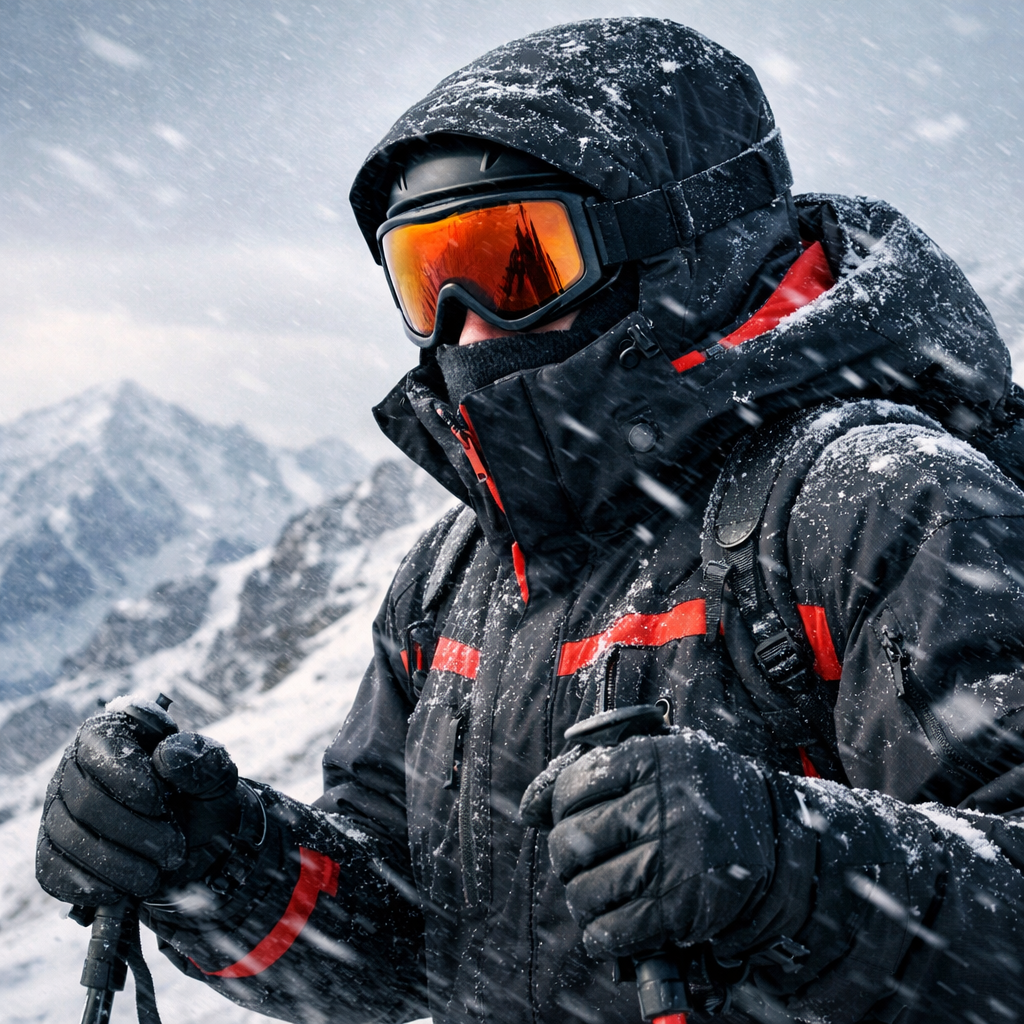
Best Ski Jackets for Extreme Cold: Expert-Tested Warmth and Protection
Best Ski Jackets for Extreme Cold: Expert-Tested Warmth and Protection
When the mercury dives and the snow blows sideways, the right ski jacket keeps you warm, dry, and focused. For sub-zero resort days, insulated ski jackets deliver set-it-and-forget-it warmth. For active backcountry touring, a 3-layer hardshell plus a high-loft midlayer stays drier and warmer over time. Below, we compare the best ski jackets for extreme cold, identify who each pick suits (resort vs backcountry), and explain how to choose between insulated builds and modular shell systems.
Hiking Manual
We synthesize hands-on testing and expert reviews across resort laps, storm days, and skin tracks to mirror real-world extremes—prioritizing cold-weather function over flash. Our picks balance warmth, storm protection, breathability, durability, fit, and value, and we back them with test-driven comparisons from sources like OutdoorGearLab and SkiMag’s season roundups and buyer’s guides from Switchback Travel.
Our POV: insulated jackets provide instant warmth and simplicity but add bulk; 3-layer shells maximize waterproofing and durability and shine when paired with the right midlayer for high-output cold and mixed conditions, as highlighted by Switchback Travel’s testing.
Extreme-cold ski jacket. “A ski jacket purpose-built for sub-zero, storm-day riding that combines high insulation or a 3-layer waterproof/breathable shell with critical features—pit zips, helmet-compatible hood, powder skirt, and secure cuffs—to seal out wind-driven snow while managing sweat during activity.”
If you’re building a layering kit, see our midlayer guide to the best fleece jackets for snow sports.
Patagonia PowSlayer Shell
A premium, storm-first 3L shell that’s built to keep you dry in the wettest, windiest cold—provided you add a serious midlayer. Treeline Review highlights it as a top-performance shell with correspondingly premium protection and price.
Why it stands out: the 3-layer build (Gore‑Tex Pro) elevates durability and weatherproofing versus most 2L shells—ideal for backcountry and true storm days when paired with high-loft insulation, echoing shell-vs-insulation guidance from Switchback Travel.
Try-on checklist:
- Pit zips that open wide without snagging
- Helmet-compatible hood with easy single-pull adjustment
- Powder skirt that seals and stays put
- Cuffs that cinch securely over gloves
Pros
- Max storm proofing and durability for wet, harsh cold
- Clean, mobile fit with excellent hood and cuff adjustability
- Best-in-class partner for high-loft midlayers
Cons
- No built-in warmth; requires quality insulation
- Premium price
- Overkill for mild or dry-cold, low-output days
Helly Hansen Alpha and Alphelia LifaLoft
Resort-focused skiers who want reliable synthetic warmth with full ski features should start here. OutdoorGearLab awarded the Alpha LifaLoft an Editors’ Choice, underscoring its standout warmth-to-value balance. The current Alpha 4.0 is insulated, about $475, and weighs roughly 1,120 g—evidence of robust loft and features aimed squarely at cold inbounds use, according to The Inertia’s best ski jackets guide.
LifaLoft defined: “Helly Hansen’s lightweight synthetic insulation blending Lifa fibers with polyester to trap heat with less bulk and less water uptake than down. It retains warmth even when damp and compresses well, making it effective for resort skiing in snowy, variable conditions.”
Pros
- Set-it-and-forget-it warmth for chairlift days
- Thoughtful ski features and a refined resort fit
- Strong value for the performance
Cons
- Bulkier and less packable than shell systems
- Warm for spring laps or high-output hikes
- Not the lightest option for touring
Arc’teryx Sabre and Sentinel
These premium 3-layer Gore‑Tex shells (current models move to the ePE evolution) are uninsulated and excel at mixed resort/backcountry use with refined articulation, coverage, and weatherproofing. Switchback Travel and BetterTrail both highlight their protective shell-first design; they’re superb inbounds with room for layering but a bit heavy for fast-and-light tours.
For true sub-zero winds, pair with a high-loft midlayer; the cut and longer hems help retain heat without restricting movement.
Quick contrast
- Choose Sabre/Sentinel if: you want modular warmth, top-tier weatherproofing, and excellent mobility.
- Choose Alpha/Alphelia if: you prioritize immediate, insulated warmth for chairlift-heavy days.
Pros
- Benchmark weatherproofing and build quality
- Articulation and hem length aid warmth retention
- Versatile across resort and sidecountry with the right midlayer
Cons
- Expensive
- Heavier than minimalist touring shells
- Requires midlayer investment for extreme cold
Norrona Lofoten Gore-Tex Insulated
A premium insulated jacket that blends real storm protection with integrated warmth—tailor-made for cold resort days and occasional sidecountry. BetterTrail positions Lofoten Insulated as a strong “insulated yet storm-ready” option among high-end jackets, making it a compelling alternative to pure shells.
Compare insulation mapping and loft against Patagonia’s Powder Town to balance bulk versus warmth; Lofoten’s body-mapped synthetic fill and Gore‑Tex membrane lean warm and protective for storm riding.
Pros
- Integrated warmth plus serious weather protection
- Body-mapped insulation avoids over-bulk
- Great for cold, windy resort climates
Cons
- Pricier than value insulated options
- Heavier and less breathable than 3L shells when skinning
- May feel too warm on bluebird, high-output days
Patagonia Powder Town
For value-minded resort skiers, Powder Town offers strategic insulation and practical features without extra bulk. It uses armpit zips for breathability and a tall, helmet-friendly hood; the fabric is PFC-free and made from 100% recycled materials, notes People’s best ski jackets feature. This aligns with testers’ “budget-friendly resort insulation” angle in SkiMag’s 2024 roundup.
Pros
- Strategic insulation that stays wearable across temps
- PFC-free and 100% recycled build
- Solid feature set at a wallet-friendlier price
Cons
- Heavier and less breathable than top-tier shells
- Not ideal for long tours
- Less storm-burly than premium 3L systems
Arc’teryx Rush
For backcountry-first skiers, the Rush is a protective, mobile 3L Gore‑Tex shell with dependable cold-weather performance. OutdoorGearLab names it a top backcountry pick, citing reliability across mixed terrain and storms. Pair with active insulation on big climbs and high-loft layers for chairlift or summit exposure.
Details that matter: ample pit zips, a hem that seals cleanly over bibs, and pocket placement that works with a pack or harness.
Pros
- Excellent mobility and storm protection for touring
- Smart venting and harness-compatible pocketing
- Durable 3L shell for multi-season use
Cons
- Expensive
- Requires layering to achieve deep-cold warmth
- Not the lightest alpine shell
REI Co-op First Chair GTX
A strong-value Gore‑Tex option for storm-prone resort riders who can live with 2L breathability trade-offs. The Inertia reports it uses GORE‑TEX, costs about $320, weighs ~785 g, and offers one of the widest size ranges—excellent accessibility for more skiers. Switchback Travel notes many testers prefer 3L shells for breathability, so expect to rely on pit zips during active, cold days.
Pros
- Trusted waterproofing at a friendly price
- Wide size range improves fit access
- Great storm protection for resort use
Cons
- 2L construction breathes less than 3L
- Heavier feel than premium shells
- Not ideal for sweat-heavy tours
Flylow Quantum Pro
A durable, storm-ready 3L workhorse with a roomy cut for layering and an excellent pocket layout. The Inertia pegs it around $440, ~657 g, with smart storage (including zippered drop-in pockets) and a weatherproof build that laughs off cold, wet snow.
Fit note: the generous cut is great for midlayers—consider sizing down if you prefer a trimmer profile. If you prioritize stretch and mobility, compare to the Flylow Malone (stretch 3L, ~680 g) from the same guide.
Pros
- Burly, storm-ready fabric with thoughtful pockets
- Roomy fit welcomes lofted layers
- Fair value for 3L durability
Cons
- Can feel boxy if under-layered
- Heavier than minimalist shells
- Less breathable than the very lightest touring options
Mammut Haldigrat HS
A supple yet protective 3-layer shell that blends comfort with storm performance for resort-to-sidecountry versatility. Treeline Review points to its Drytech Pro 3L construction, pit zips, and powder skirt—key features for cold-weather function. The fit is easy-moving but secure; verify hood and cuff sealing during try-on.
Pros
- Comfortable, protective 3L build
- Full feature set for cold storms
- Versatile across lift laps and short tours
Cons
- Pricey versus value shells
- Not as burly as the heaviest-duty pro shells
- Requires lofted layers for deep-cold days
REI Co-op Powderbound Insulated
A true budget insulated pick that provides real warmth for cold resort laps without complex layering. Switchback Travel lists it as a best budget insulated jacket at about $229—impressive warmth per dollar. Expect more bulk and less breathability; pair with moisture-wicking base layers to prevent clamminess on bluebird, high-output days.
Pros
- Affordable, plug-and-play warmth
- Practical ski features at a low price
- Great for new or budget-focused skiers
Cons
- Bulkier and less breathable than premium builds
- Not ideal for touring
- Fabric and trim aren’t as refined as pricier options
How to choose for extreme cold
At Hiking Manual, we start with three questions:
- Activity intensity: chairlift laps or skinning/hiking?
- Climate: wet, wind-driven snow or dry, frigid cold?
- Preference: simplicity (insulated) or modular layering (3L shell + midlayer)?
Our practical recommendation: choose a high-quality insulated jacket for stationary warmth (chairlift, sub-zero winds) or a 3-layer hardshell plus a high-loft midlayer for active touring and mixed conditions. Verify pit zips, a helmet-compatible hood, a powder skirt, and glove-friendly cuffs—features consistently prioritized by expert testers across OutdoorGearLab and Switchback Travel.
Mini glossary
- 3-layer shell (40–50 words): A hardwearing jacket that fuses face fabric, waterproof/breathable membrane, and interior backer into a single sheet. This boosts durability, storm protection, and breathability versus 2L. It’s the preferred platform for wet storms and high-output skiing when paired with appropriate midlayers.
- Synthetic insulation (40–50 words): Man-made fibers designed to mimic down’s heat-trapping loft while retaining warmth when damp. It dries faster, absorbs less water, and is easy-care. In ski jackets, zoned synthetic fills deliver reliable warmth in snowy, variable conditions without the weight penalties of very thick insulations.
- Powder skirt (40–50 words): An internal waist gasket that seals the gap between jacket and pants, blocking spindrift, blower powder, and wind from pumping heat out of your core. Good skirts stay put, integrate with pants, and can be stowed when not needed for freer movement.
- Pit zips (40–50 words): Underarm ventilation zippers that dump excess heat and moisture before sweat soaks midlayers. Wide, easy-pull zips with two-way sliders allow fine-tuning in gusts. They’re critical for staying dry and warm during bootpacks, traverses, and spring storm cycles.
Insulated vs shell systems
Insulated jackets, often using 60–133 g+ of zoned synthetic in key areas, provide immediate warmth and simplicity but add bulk and reduce packability, especially compared with shells highlighted by BetterTrail. High-end 3-layer hardshells offer superior weather protection and durability and pair best with high-loft midlayers for active, cold touring, a stance echoed by Switchback Travel.
Use-case quick picks:
- Resort, sub-zero, windy: insulated.
- Backcountry, high-output, wet storms: 3L shell + active/high-loft midlayer.
2-layer vs 3-layer construction
2-layer vs 3-layer (40–50 words): “A 2-layer jacket bonds a face fabric to a waterproof membrane with a free-hanging liner; it’s often cheaper but less breathable. A 3-layer fuses face, membrane, and backer into one sheet for better durability, weatherproofing, and breathability—preferred for sustained storms.”
Many testers prefer 3L shells for breathability and integrated backers over 2L designs, per Switchback Travel. Still, some 2L Gore‑Tex options deliver solid protection at lower cost—with breathability compromises in intense conditions—per The Inertia’s guide.
Membranes and waterproofing
Membrane choice and fully taped seams are central to warmth because staying dry preserves insulation loft. Proven 3L examples here include Gore‑Tex and Mammut Drytech Pro; the Haldigrat HS uses a 3L Drytech Pro build, as noted by Treeline Review. REI’s First Chair GTX runs GORE‑TEX; Patagonia’s insulated Storm Shift (another reference point) pairs 60/100 g synthetic insulation with a Gore‑Tex membrane, illustrating insulated-membrane hybrids reported by SkiMag.
Waterproof/breathable membrane (40–50 words): “A microscopic barrier laminated to fabric that blocks liquid water and wind while allowing vapor to escape. By keeping insulation dry and preventing wind chill, it preserves heat during blizzards or wet snow—critical for staying warm through long chair rides and stormy traverses.”
Ventilation and moisture management
Sweat is the enemy of warmth. Testers consistently value ample pit zips and vents to regulate temperature on the move, per SkiMag’s roundups. Prioritize wide pit zips, mesh-backed chest vents, and breathable backers—core to the practical checklist framed by Switchback Travel.
Venting flow:
- Open pits on climbs and bootpacks.
- Partially close on windy ridgelines.
- Fully seal before descents to block spindrift.
Fit, articulation, and layering room
Try jackets wearing your base + midlayer. Check for no hem lift when you raise your arms and no cuff gap over gloves. Roomier, layering-friendly cuts like the Flylow Quantum Pro can be ideal for cold storms, per The Inertia.
Also confirm hood depth over a helmet and collar height for face coverage; verify the powder skirt stays engaged while bending and twisting.
3-point try-on list:
- Reach test
- Hood/helmet test
- Glove/cuff seal test
Essential ski features in cold
Features that directly impact storm sealing and hand warmth:
- Helmet-compatible hood, powder skirt, pit zips, wrist gaiters/adjustable cuffs, tall collar, secure pockets. These are repeatedly flagged as essentials for cold-weather function by SkiMag and Switchback Travel.
- RECCO reflector, when present (e.g., on jackets like Peak Performance’s Vislight noted by Snow Magazine), adds searchable safety in some regions.
Feature audit for try-on day:
- Do hood and collar seal without blocking vision?
- Do cuffs lock cleanly over gloves or mitts?
- Do pit zips and skirt operate easily with cold hands?
Value picks and budget alternatives
- REI Co‑op Powderbound Insulated (about $229): best budget insulated for cold, low-output resort days; simple warmth with basic but effective features (Switchback Travel).
- REI Co‑op First Chair GTX (about $320): value Gore‑Tex shell with a very wide size range and ~785 g weight; 2L breathability limits make it best for stormy resort riding (The Inertia).
- 686 Smarty 3‑in‑1 (about $310): a flexible system with a removable liner and a boxy fit; around 2,100 g total weight, which is a downside for touring, per The Inertia.
Testing methodology and what we measured
We synthesized expert-tested and lab-checked data focused on insulation strategy, membrane and construction (2L vs 3L), breathability (pit zips and vent layouts), and core ski features across resort laps, storm days, and skinning. Comparative insights are grounded in sources such as OutdoorGearLab and SkiMag.
Criteria measured and compared:
- Thermal retention (insulation type/grams where available)
- Wind/water ingress over prolonged exposure
- Venting efficiency and ease of use with gloves
- Fit/mobility and articulation under layers
- Pocket usability and harness/pack compatibility
- Hood/helmet interface and cuff/glove sealing
Representative weights and price points cited include Flylow Quantum Pro (~657 g), REI First Chair GTX (~785 g), 686 Smarty (~2,100 g), and Helly Hansen Alpha (~1,120 g), as reported by The Inertia.
Quick buying checklist for sub-zero days
Must-haves
- Choose insulated for chairlift-cold or a 3L shell + high-loft midlayer for tours.
- Helmet-compatible hood, tall collar, powder skirt, wrist gaiters/adjustable cuffs (Switchback Travel).
- Pit zips/vents for moisture control (SkiMag).
Also confirm
- Fit with intended midlayer; no hem lift or cuff gaps.
- Pocket access with gloves and pack.
- Full seam taping and a size range that fits you (REI First Chair GTX stands out here per The Inertia).
Frequently asked questions
What makes a ski jacket warm enough for extreme cold?
Look for substantial synthetic insulation or a 3-layer shell paired with a high-loft midlayer, plus pit zips, a helmet-compatible hood, a powder skirt, and secure cuffs to seal out wind-driven snow. Use Hiking Manual’s quick buying checklist above to validate features.
Should I choose an insulated jacket or a shell with layers?
Pick insulated for chairlift-heavy, sub-zero days; choose a 3-layer shell with a high-loft midlayer for high-output touring and variable conditions. That’s the approach we recommend throughout this guide.
How important are pit zips and a helmet-compatible hood?
Critical—pit zips dump heat to keep you dry and warm, while a helmet-compatible hood and tall collar protect your head and neck from spindrift and wind. See our try-on checklist above.
Are 2-layer Gore-Tex jackets good enough for harsh snow?
Yes for value-focused resort riders prioritizing waterproofing; 3-layer shells typically breathe and withstand storms better, which matters more for active skiing. We note the trade-offs in our value picks.
How should a ski jacket fit for maximum warmth and mobility?
Aim for trim-but-layerable: no hem lift when reaching, cuffs seal over gloves, and the hood fits over a helmet without restricting head turn. Use Hiking Manual’s 3-point try-on list above.
Comparison snapshot (key specs and ideal use)
| Jacket | Insulation type/grams | Construction | Membrane | Weight | Best for |
|---|---|---|---|---|---|
| Patagonia PowSlayer Shell | None (shell) | 3L | Gore‑Tex Pro | — | Backcountry storms + high-loft midlayer |
| Helly Hansen Alpha/Alphelia LifaLoft | Zoned synthetic (LifaLoft) | 2L | Helly Tech (proprietary) | ~1,120 g | Cold resort days |
| Arc’teryx Sabre/Sentinel | None (shell) | 3L | Gore‑Tex (ePE generation) | — | Mixed resort/sidecountry with layers |
| Norrona Lofoten Gore‑Tex Insulated | Zoned synthetic | 2L | Gore‑Tex | — | Stormy resort, occasional sidecountry |
| Patagonia Powder Town | Zoned synthetic | 2L | H2No Performance Standard | — | Budget-friendly resort insulation |
| Arc’teryx Rush | None (shell) | 3L | Gore‑Tex Pro | — | Backcountry touring in cold |
| REI Co‑op First Chair GTX | None (shell) | 2L | GORE‑TEX | ~785 g | Stormy resort, value seekers |
| Flylow Quantum Pro | None (shell) | 3L | Intuitive (20K/20K) | ~657 g | Resort/sidecountry layering |
| Mammut Haldigrat HS | None (shell) | 3L | Drytech Pro | — | Resort-to-sidecountry versatility |
| REI Co‑op Powderbound Insulated | Synthetic | 2L | Proprietary | — | Budget resort warmth |
| 686 Smarty 3‑in‑1 | Removable liner | 2L | Proprietary | ~2,100 g | Value flexibility (resort) |
Weights flagged with ~ are drawn from The Inertia. For layering ideas that pair well with shells, see Hiking Manual’s best hiking jackets for cold weather.