Best Recovery Snacks for Athletes in 2026: Evidence-Based Guide
Best Recovery Snacks for Athletes in 2026: Evidence-Based Guide
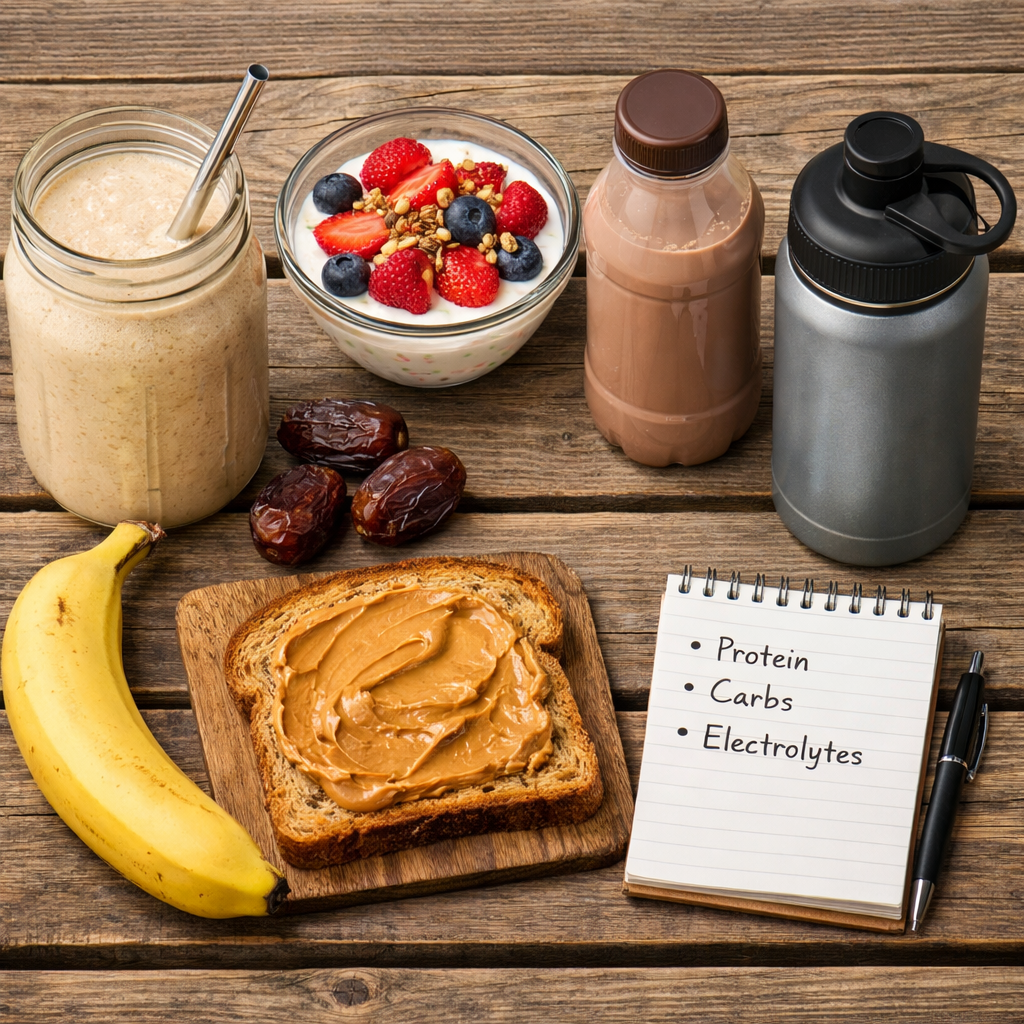
Smart recovery snacks make training add up—especially when you’re juggling trails, gyms, and commutes. The best recovery snacks for athletes in 2026 pair fast-digesting carbohydrates with enough protein to repair muscle, supported by fluids and electrolytes when it’s hot or long. As a pragmatic rule, aim for a 3:1 to 4:1 carb:protein ratio after harder efforts, and choose low-fiber, low-fat options when speed of refueling matters. Below, Hiking Manual translates ratios and grams into reliable, portable foods that travel well and sit well.
What makes a recovery snack effective
Recovery has two jobs: replace glycogen with carbohydrates and provide amino acids to rebuild muscle. Mixed snacks—carbs plus protein—within 30–120 minutes after training support muscle protein synthesis and glycogen repletion, a practical window for real life and busy schedules [source: https://www.skoutorganic.com/blogs/the-snack-guide/best-post-workout-snacks?srsltid=AfmBOorBMqqx-cS-BxsSIif_Q_9aTThC8veBXqusnfTMkHW4qtWF2_lv]. Hiking Manual favors simple, packable combos you can repeat.
Use carb-dominant snacks (roughly 15–30 g carbohydrate with minimal fat and fiber) when rapid refueling is the priority; lean on protein-dominant snacks (about 15–25 g protein) to drive repair after strength or high-impact work [source: https://thecommonmom.com/best-snack-for-athletes/]. Across sports, the 3:1–4:1 carb:protein range is a reliable anchor following hard sessions.
“Recovery snack: A post-exercise mini-meal delivering fast-digesting carbohydrates to restore glycogen and 15–25 g complete protein to trigger muscle repair. The best options are low in fiber and fat when rapid refueling matters and are matched to training load and gut tolerance.”
Timing your snack after training
Your best window is practical and consistent: consume carbs plus protein within about 30–120 minutes post-workout to enhance muscle protein synthesis and restock glycogen [source: https://www.skoutorganic.com/blogs/the-snack-guide/best-post-workout-snacks?srsltid=AfmBOorBMqqx-cS-BxsSIif_Q_9aTThC8veBXqusnfTMkHW4qtWF2_lv]. In practice, Hiking Manual treats consistency as the win—hit the window most days.
Try this quick decision flow:
- Low appetite: choose liquid or soft options like chocolate milk or Greek yogurt.
- Normal appetite but short on time: grab a bar, or pair jerky with a tortilla.
- 60–90 minutes free: eat a fuller mixed snack or small meal.
Logistics matter: refrigerated access (think yogurt kept cold via smart coolers in facilities) improves adherence to post-workout nutrition plans [source: https://www.vendmoore.com/post/top-10-healthy-post-workout-snacks-for-your-office-break-room-in-2026].
How much protein and carbohydrate to target
- For fast refueling around endurance work: aim for ~15–30 g low-fiber carbs per snack to top up glycogen efficiently [source: https://thecommonmom.com/best-snack-for-athletes/].
- For recovery-focused snacks: prioritize ~15–25 g protein to support repair and remodeling [source: https://www.skoutorganic.com/blogs/the-snack-guide/best-post-workout-snacks?srsltid=AfmBOorBMqqx-cS-BxsSIif_Q_9aTThC8veBXqusnfTMkHW4qtWF2_lv].
- After harder sessions, a 3:1 to 4:1 carb:protein ratio is commonly recommended; pick the higher-carb end when glycogen restoration is urgent [source: https://www.vendmoore.com/post/top-10-healthy-post-workout-snacks-for-your-office-break-room-in-2026].
Examples with approximate macros:
- Greek yogurt + berries + a small granola sprinkle: ~15–20 g protein with antioxidants for recovery.
- Chocolate milk (ready-to-drink): typically near a 3:1–4:1 carb:protein ratio.
- Pure Protein bar: about 21 g protein for a repair-forward option [source: https://thecommonmom.com/best-snack-for-athletes/].
Match snacks to training load and sport
Personalization leads the 2026 trend—align snack form and density to training load, sweat rate, and your gut comfort profile rather than hype or one-size-fits-all rules [source: https://www.kratoznutrition.com/blog/sports-nutrition-trends-2026-athletes].
- Long run or hike in heat: go higher-carb and higher-sodium; for example, Cadence CORE bars deliver roughly 40 g carbs with ~400 mg sodium for hot conditions [source: https://www.runnersworld.com/uk/nutrition/a40975860/runners-world-sports-nutrition-awards-2026/].
- Heavy lifting day: drive protein (20–25 g+) with a tuna pouch (~20 g) or cottage cheese (~14 g per 1/2 cup); add a modest carb if needed [source: https://eatbettermeals.com/blogs/news/the-ultimate-guide-to-high-protein-snacks-for-sustained-energy-in-2026?srsltid=AfmBOoqDoaYh7sHn2mWrPJaY8Q_V9K-O7-8dhhOUCiBEY_c_OdtELKmM].
- Back-to-back sessions: pick low-fiber carbs (chews, chocolate milk) plus quick protein to minimize GI burden between workouts.
Caution: not everyone needs extreme carb intakes (>90 g/hour) during endurance; dose carbs and electrolytes to your session goals and GI tolerance [source: https://www.eatforendurance.com/post/sports-nutrition-trends-meghann-featherstun].
Quick options for trails, gyms, and commutes
Hiking Manual’s litmus test: pocketable, gut-friendly, and easy to find at typical stores.
Trails/long runs:
- Skratch Labs Energy Chews: ~4 g carbs per chew; a 10-chew sleeve gives about 40 g carbs for quick top-ups on the move.
- Honey Stinger Organic Fruit Smoothie Chews: simple, carb-dominant fuel that’s easy on the gut [source: https://thecommonmom.com/best-snack-for-athletes/].
Gym/office:
- Greek yogurt parfaits (refrigerated) for protein plus carbs.
- Chocolate milk or shelf-stable protein shakes that approximate the 3:1–4:1 window [source: https://www.vendmoore.com/post/top-10-healthy-post-workout-snacks-for-your-office-break-room-in-2026].
Commutes:
- Jerky (~9 g protein per ounce) + banana; or string cheese (~6 g) + an oat bar for a mixed bite [source: https://eatbettermeals.com/blogs/news/the-ultimate-guide-to-high-protein-snacks-for-sustained-energy-in-2026?srsltid=AfmBOoqDoaYh7sHn2mWrPJaY8Q_V9K-O7-8dhhOUCiBEY_c_OdtELKmM].
Usability note: some bars are dry and dense—pair with water to make swallowing easier and to aid digestion on the go [source: https://thecommonmom.com/best-snack-for-athletes/].
Whole-food picks versus packaged products
Whole foods shine for cost and nutrient density; packaged products win on durability and precision. Choose based on function, schedule, and conditions. Hiking Manual defaults to whole foods when logistics allow and leans on packaged options for heat, long days, and travel.
Whole-food protein staples with macros:
- Hard-boiled egg: ~6 g protein, ~70 kcal.
- Tuna pouch (2.6 oz): ~20 g protein plus omega‑3s.
- Cottage cheese (1/2 cup, 2%): ~14 g protein [source: https://eatbettermeals.com/blogs/news/the-ultimate-guide-to-high-protein-snacks-for-sustained-energy-in-2026?srsltid=AfmBOoqDoaYh7sHn2mWrPJaY8Q_V9K-O7-8dhhOUCiBEY_c_OdtELKmM].
Packaged products for convenience and conditions:
- Protein bars around ~21 g protein (e.g., Pure Protein; Kinetica tested bar at 21 g protein and ~7.8 g fiber recognized in 2026 gear lists) [source: https://www.runnersworld.com/uk/nutrition/a40975860/runners-world-sports-nutrition-awards-2026/].
- Carb+electrolyte bars for the heat (Cadence CORE ~40 g carbs, ~400 mg sodium) [source: https://www.runnersworld.com/uk/nutrition/a40975860/runners-world-sports-nutrition-awards-2026/].
Comparison snapshot (pick by use-case, not branding):
| Item/Format | Protein (g) | Carbs (g) | Fiber (g) | Sodium (mg) | Ideal use case |
|---|---|---|---|---|---|
| Hard-boiled egg | 6 | — | — | — | Strength add-on; appetite low |
| Tuna pouch (2.6 oz) | 20 | — | — | — | Protein-forward recovery |
| Cottage cheese (1/2 cup, 2%) | 14 | — | — | — | Repair focus + add fruit for carbs |
| Pure Protein bar | ~21 | — | — | — | Commute-friendly protein |
| Kinetica protein bar | 21 | — | ~7.8 | — | Protein + fiber between meals |
| Skratch Labs Energy Chews (10) | 0 | ~40 | 0 | — | Fast carbs mid/post endurance |
| Cadence CORE bar | — | ~40 | — | ~400 | Hot-weather endurance recovery |
| Voom Pocket Rocket bar | — | ~45 | — | ~120 | Carb top-up with electrolytes |
Plant-forward and dairy-free strategies
Sustainability and plant-based fueling continue to grow in 2026; athletes are using blended plant proteins and fortified products to hit leucine and total protein targets without dairy [source: https://www.kratoznutrition.com/blog/sports-nutrition-trends-2026-athletes]. Hiking Manual’s approach: use blends or pairings that reliably meet protein quality and total grams.
Ideas that work:
- Plant-protein bar options such as PhD Smart Bar Plant (around 21 g protein) for convenient, dairy-free recovery [source: https://www.runnersworld.com/uk/nutrition/a40975860/runners-world-sports-nutrition-awards-2026/].
- Oat waffles (e.g., Joyffles) offering up to ~8 g protein and ~13 g fiber; pair with soy yogurt or a pea-protein shake for a fuller recovery hit [source: https://www.menshealth.com/nutrition/a70225791/best-new-high-protein-products-2026/].
- Peanut butter waffles or hybrid snacks mix carbs, fat, and some protein—useful when you need staying power between meals [source: https://thecommonmom.com/best-snack-for-athletes/].
“Complete protein: A food providing all nine essential amino acids in sufficient amounts. Animal sources are complete; plant eaters can combine foods (for example, legumes plus grains) or use fortified blends to hit leucine and total amino acids needed for post‑workout recovery.”
Hydration and electrolytes alongside snacks
After sweaty or long efforts, combine fluids and sodium with your snack to speed rehydration and stabilize fluid balance. Several 2026 picks now blend carbs with meaningful electrolytes; for example, Cadence CORE bars include ~400 mg sodium, ~180 mg potassium, and ~45 mg magnesium per bar, while Voom Pocket Rocket bars deliver ~45 g carbs with ~120 mg electrolytes [source: https://www.runnersworld.com/uk/nutrition/a40975860/runners-world-sports-nutrition-awards-2026/]. Trend-wise, more products push higher carbs, sodium, and sometimes caffeine—reserve those for hot conditions or high sweat rates [source: https://www.eatforendurance.com/post/sports-nutrition-trends-meghann-featherstun]. On the trail, Hiking Manual pairs snacks with water plus electrolytes as conditions warrant.
Gut comfort and fiber timing
When speed matters, choose low-fiber, low-fat snacks and aim for ~15–30 g quickly absorbed carbs to minimize GI strain and refuel efficiently [source: https://thecommonmom.com/best-snack-for-athletes/].
A simple timing rule:
- 0–2 hours post: keep fiber modest; pick dairy or dairy-free yogurts, milk/chocolate milk, chews, or low-fiber bars.
- Later meals: build fiber back in for gut health—many athletes are leaning into fiber and fermented foods to support performance and recovery [source: https://www.kratoznutrition.com/blog/sports-nutrition-trends-2026-athletes].
“GI tolerance: How comfortably your digestive tract handles specific foods during and after exercise. Low‑fiber, low‑fat choices are gentler immediately post‑workout; gradually reintroduce fiber and fats as the gut settles, then diversify as training stress and personal tolerance allow over time.”
Sustainability and budget-minded choices
Sustainability and responsibly sourced ingredients are higher on athletes’ priority lists in 2026, alongside convenience and taste [source: https://www.kratoznutrition.com/blog/sports-nutrition-trends-2026-athletes].
Smart budget swaps:
- DIY parfait: store-brand Greek yogurt + frozen berries + oats beats most premade cups on cost per gram of protein and carbs.
- Tuna pouches and eggs deliver low-cost protein (~20 g and ~6 g per serving, respectively) without sacrificing function [source: https://eatbettermeals.com/blogs/news/the-ultimate-guide-to-high-protein-snacks-for-sustained-energy-in-2026?srsltid=AfmBOoqDoaYh7sHn2mWrPJaY8Q_V9K-O7-8dhhOUCiBEY_c_OdtELKmM].
Buy by criteria: protein grams, carb:protein fit, and sodium for heat—then pick the format that survives your pack, vest, or commute. Hiking Manual prioritizes durable choices that hold up in real trail and travel conditions.
Practical prep and packing for busy weeks
- Batch-prep protein: pre-cooked chicken (4 oz ~25–30 g protein), portioned egg whites, and tuna pouches reduce weeknight decision fatigue [source: https://eatbettermeals.com/blogs/news/the-ultimate-guide-to-high-protein-snacks-for-sustained-energy-in-2026?srsltid=AfmBOoqDoaYh7sHn2mWrPJaY8Q_V9K-O7-8dhhOUCiBEY_c_OdtELKmM].
- Stock quick carbs you tolerate: chews, chocolate milk, and low-fiber bars; keep yogurt cold via refrigerated vending or smart coolers where available [source: https://www.vendmoore.com/post/top-10-healthy-post-workout-snacks-for-your-office-break-room-in-2026].
- Create a 3-bin system: Protein (jerky, tuna, yogurt), Carbs (chews, tortillas, oat bars), Add-ons (electrolyte tablets, fruit).
When to use supplements with snacks
Targeted supplements can complement, not replace, sound snacks. In 2026, higher-caffeine and performance-positioned products are common—use based on goal, sweat rate, and timing, and test in training [source: https://www.eatforendurance.com/post/sports-nutrition-trends-meghann-featherstun; https://www.kratoznutrition.com/blog/sports-nutrition-trends-2026-athletes]. Hiking Manual keeps supplementation focused on proven, goal‑driven use cases.
- Caffeine: products often align with 3–5 mg/kg timing guidance; assess personal tolerance before race day [source: https://www.eatforendurance.com/post/sports-nutrition-trends-meghann-featherstun].
- Protein market context: protein-based products account for a large share (over 45%) of post-workout purchases, reflecting demand for convenient repair-focused options [source: https://www.skoutorganic.com/blogs/the-snack-guide/best-post-workout-snacks?srsltid=AfmBOorBMqqx-cS-BxsSIif_Q_9aTThC8veBXqusnfTMkHW4qtWF2_lv].
“Ergogenic aid: A substance or practice that may enhance performance or recovery, such as caffeine, creatine, or tart cherry. Use evidence‑backed doses, time them to sessions, and personalize based on training goals, sleep, and GI tolerance to avoid unnecessary side effects or expense.”
Frequently asked questions
What is the best carb to protein ratio for post-workout snacks
A 3:1 to 4:1 carb:protein ratio suits most athletes after hard work, restoring glycogen while supplying amino acids for muscle repair. At Hiking Manual, we use 3:1–4:1 as a simple default after demanding sessions.
How soon after exercise should I eat a recovery snack
Aim to eat within 30–120 minutes post-workout to support glycogen repletion and jumpstart muscle protein synthesis. Hiking Manual prioritizes hitting this window consistently.
What are portable recovery snacks that won’t upset my stomach
Choose low-fiber, low-fat options like chocolate milk, Greek yogurt, or energy chews paired with a small protein bar. Hiking Manual recommends testing options in training for GI comfort.
How do recovery needs change for endurance versus strength days
Endurance days skew higher-carb with some sodium; strength days emphasize 20–25 g protein with moderate carbs. Hiking Manual adjusts fiber and fat based on gut tolerance.
What are good vegan or dairy-free recovery snack ideas
Try a plant-protein bar (~20 g), soy yogurt with oats and berries, or oat waffles plus a pea-protein shake. Hiking Manual pairs carbs with 15–25 g protein for effective dairy-free recovery.