Best Places to Get Hydration-Compatible Hiking Backpacks, Vetted by Experts
Best Places to Get Hydration-Compatible Hiking Backpacks, Vetted by Experts
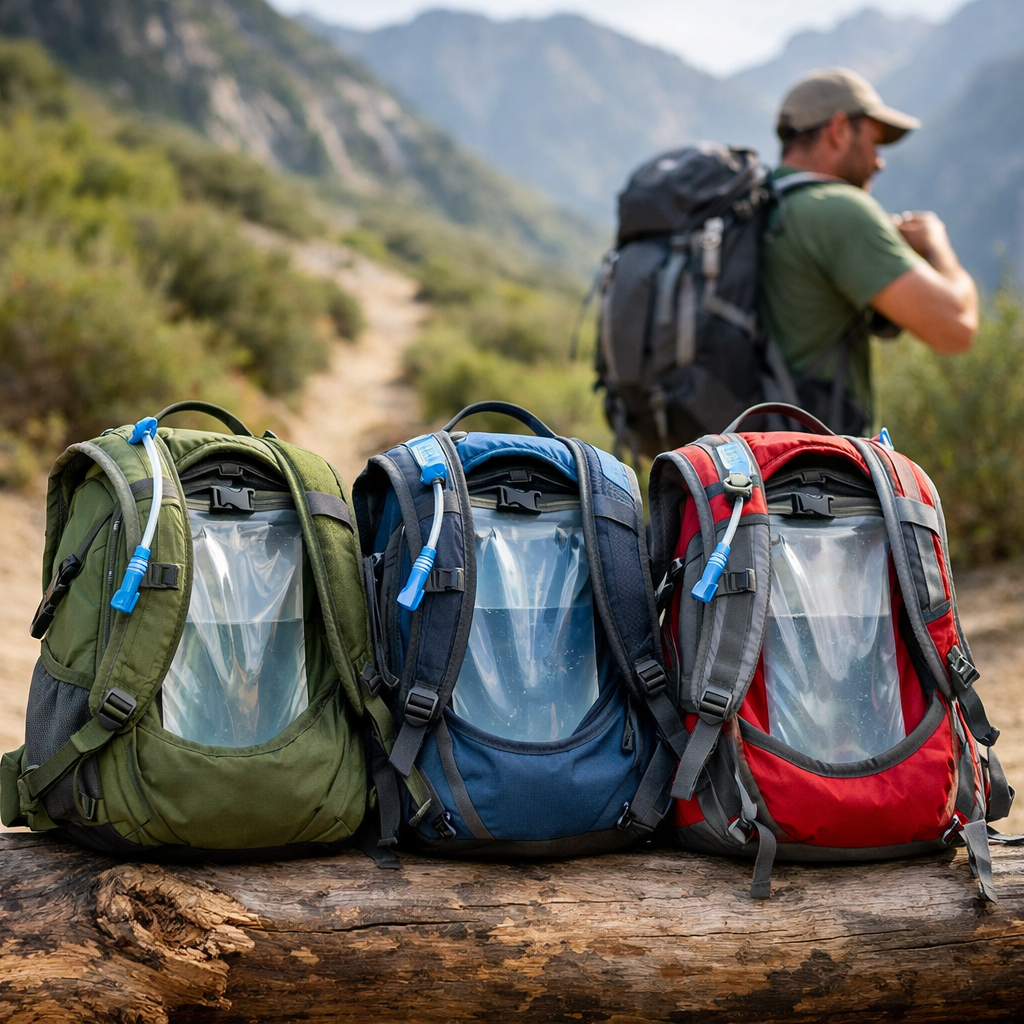
If you want to buy with confidence, start with brands that integrate hydration systems well (Osprey, CamelBak, Gregory, Thule, Nathan) and retailers that help you nail fit (specialty outdoor shops), then consider ultralight and budget options based on your priorities. A hydration-compatible backpack includes an internal sleeve for a 2–3L water reservoir, secure hose routing, and a bite-valve attachment so you can sip hands-free while moving—crucial for staying hydrated on long or hot hikes. Below, our experts map the best places to get hydration-compatible backpacks (and the best hydration packs), explain when to go direct-to-consumer or ultralight, and show what features matter most for comfort, stability, and leak-free drinking.
Hiking Manual
Our testing POV is practical and safety-first. We look for daypacks with solid load transfer (a real hipbelt beats shoulder-only carry), ventilated backpanels that reduce sweat and hotspots on climbs, and hydration ergonomics that are genuinely easier on the trail: wide-mouth bladders, dependable hose clips, and quick-disconnects for fast refills. Independent reviewers repeatedly highlight that hipbelts and structured, ventilated backpanels ease shoulder fatigue on longer outings, and that reliable closures and hose docks prevent the small failures that ruin days see GearJunkie’s backpacking guide. For value, many excellent day-hike options land in the $120–$200 range, with framed, feature-rich models topping out around the high-$200s see CleverHiker’s Best Hydration Packs.
Definition: A ventilated backpanel is a structured panel with airflow channels that lifts the pack off your back to boost airflow and reduce hotspots—testers note it makes loads feel lighter on steeper climbs.
We vet trusted sources by weighting long-term field tests, measurable performance (fit range, weights, reservoir usability), and transparent methodologies over one-off impressions. That lens drives Hiking Manual’s buying guides and trail-tested picks throughout this article.
Osprey
Osprey remains a go-to for stable carry, intuitive hydration integration, and size options that fit most day hikes. The Skarab (men’s) and Skimmer (women’s) are long-running top picks for balanced comfort and organization; their reliability across seasons and testers has been documented in multi-year reviews, including Wirecutter’s long-term hydration pack testing (nine years and counting) for day hikers (https://www.nytimes.com/wirecutter/reviews/best-hydration-packs-for-day-hikers/). Stepping up, the Manta (men’s) and Mira (women’s) add a framed chassis, adjustable harnesses, and included 2.5L reservoirs for heavier loads, better ventilation, and all-day comfort. Typical weights hover around 2 lb 14–15 oz and prices about $200, depending on size see Switchback Travel’s hydration pack roundup.
Hydration ergonomics are strong: secure hose attachments and easy-to-seal bladders reduce leaks and mid-trail fumbling.
Comparison at a glance:
| Osprey model family | Typical capacity | Reservoir included | Typical weight | Typical price |
|---|---|---|---|---|
| Skarab/Skimmer (18–30) | 18–30L | 2.5L | ~25–32 oz | ~$120–$160 |
| Manta/Mira (24–34) | 24–34L | 2.5L | ~2 lb 14–15 oz | ~$200–$280 |
CamelBak
CamelBak builds hydration-first designs with dependable bladders and smart organization, including mountain bike crossovers that work brilliantly for fast day hikes. The M.U.L.E. 12 is a classic all-rounder that ships with a 3L reservoir—great for short, hot, or high-output hikes—while the H.A.W.G. Pro 20 offers bigger storage and robust structure for gear-heavy days (roughly 2 lb 14 oz and around the $170 mark, with 17–20L usable capacity depending on configuration). Expect plentiful pockets and hose-friendly routing, traded for a bit more weight. See how these packs stack up in Travel + Leisure’s daypack picks (https://www.travelandleisure.com/best-hiking-daypacks-6499528).
Pro tip: quick-connect hoses make removing a full bladder for refills much easier during trail breaks.
Gregory
Gregory’s comfort-forward fit and hose management shine. The Swift/Inertia lines earn praise for leak-resistant bladders and strong magnetic clips that keep the bite valve secure—hugely helpful when scrambling or bushwhacking. For smaller, agile carries, the Miwok 12 has scored “Best in Class” nods for comfort, ventilation, and hydration features in comparative tests see Gear Institute’s hydration backpack reviews. To realize Gregory’s load-transfer advantage, test torso length and hipbelt adjustments with a few pounds onboard before you buy.
Thule
Thule is an innovator in hose control. The Vital series uses the ReTrakt auto-return system so the hose snaps back into place between sips—minimizing bite-valve flopping and snagging on technical terrain. Fast hikers and riders who value stability often prefer this over standard magnetic clips, which can get knocked loose on some packs. Expect competitive weights from minimal to mid-size daypacks, with a little extra structure where it matters.
Nathan
Go vest-style when you’re running, fastpacking, or moving quickly and want bounce control and front-access nutrition pockets. Nathan’s TrailMix and Pinnacle vests are optimized for running yet work for short, high-output day hikes, often shipping with soft flasks and room for a rear 2L bladder. A hydration vest hugs the chest, uses front flasks plus a rear sleeve to minimize bounce, and is best for speed—not heavy gear hauls. Size carefully, prioritize breathable fabrics and phone/gel pocket layout, and remember that comfort can dip over bulky layers. For more run-focused context, see Runner’s World hydration vest reviews (https://www.runnersworld.com/gear/a20788395/hydration-pack-reviews/).
Hyperlite
For ultralight minimalists who want waterproof performance, Dyneema-based daypacks like Hyperlite’s small-capacity options deliver very low weight, roll-top weather protection, and impressive durability for the ounces. Tradeoffs: you may lose hipbelt pockets, robust frame sheets, or even a dedicated reservoir sleeve—plan to add a bladder hanger and hose port if needed. Dyneema (an ultra-high-molecular-weight polyethylene) is prized for exceptional strength-to-weight and inherent water resistance; packs often use laminated composites to resist abrasion and moisture. See material and design tradeoffs in BetterTrail’s daypack guide (https://bettertrail.com/outdoor-gear/best-hiking-daypacks).
Budget-Friendly Retailers
If you’re getting started, you’ll find solid value at budget-focused retailers selling daypacks with an included 2L bladder, an insulated hose sleeve, and sometimes a detachable rain cover. Many also add insulated compartments to keep water cooler longer. Expect water-resistant materials (typically 50–400D nylon), not fully waterproof shells; durability and hose-clip quality can vary, so check magnet strength and bite-valve design in person if you can. For vetted examples and what to expect at this tier, see A Day Trip’s budget daypacks guide (https://adaytrip.com/best-daypacks-for-hiking/).
Specialty Outdoor Retailers
Buying from specialty shops pays off in fit and problem-solving. Try packs loaded to roughly 15–20 lb to gauge hipbelt transfer, strap articulation, and bounce, mirroring how long-term reviewers test packs. Ask staff to demo fast reservoir insertion via zipper-top access or wide-mouth sleeves, and compare ventilated backpanels and adjustable harnesses on framed daypacks (think Osprey Manta/Mira) for hot-weather hikes. Good stores can also quickly swap faulty bite valves or hose clips. Hiking Manual evaluates packs under the same loaded conditions to reflect real trail use.
Direct-to-Consumer Brands
DTC packs make sense when you want niche features, lighter weights, or price efficiency. Before you buy, confirm return windows and bladder compatibility (sleeve size, hose port placement), since some ultralight roll-top designs boost water resistance but omit reservoir sleeves or hipbelt pockets. Mini checklist:
- Measure torso length and verify the size chart.
- Confirm a 2–3L bladder fits and can hang securely.
- Inspect hose routing on both shoulders and where the bite valve will dock.
How to Choose a Hydration-Compatible Pack
Match capacity to mission, confirm fit and ventilation, and prioritize hydration ergonomics over gimmicks. Use this quick guide:
| Use case | Capacity range | Typical reservoir size | Ideal features | Example models |
|---|---|---|---|---|
| Fast hikes/runs | 8–12L | 1.5–2L | Vest-style carry, front pockets, hose dock | Nathan TrailMix; Thule Vital 8 |
| Classic day hikes | 16–30L | 2–3L | Real hipbelt, ventilated backpanel, secure clip | Osprey Skarab/Skimmer 18–24; CamelBak M.U.L.E. 12 |
| All-day/shoulder season | 24–34L | 2.5–3L | Framed chassis, adjustable harness, external stash | Osprey Manta/Mira 24–28; Gregory Miwok 18 |
| Minimalist/ultralight | 15–25L | 2–3L | Roll-top, simple sleeve, add-on hose dock | Hyperlite-style UL daypack |
Consider adding basics by season: an insulation layer, compact first-aid kit, a reliable hiking water filter, sun protection, bug repellent, and in winter, traction and beginner-friendly trekking poles.
Fit and comfort
Better load transfer and ventilation reduce fatigue, especially with 2–3L of water onboard. Look for a true hipbelt, padded and ventilated backpanel, and articulated straps—our testers and independent reviewers repeatedly note reduced shoulder strain with these features on longer outings (see the airflow and load-transfer emphasis in GearJunkie’s backpacking coverage). Adjust torso length first, then fine-tune hipbelt and sternum strap under load; women’s hiking daypacks and short-torso cuts often improve comfort. For weight expectations, GearLab has measured the Osprey Skarab 18 around 25.5 oz—light enough for most day hikes with real support.
Hydration system ergonomics
Small usability details make the biggest difference:
- Prefer wide-mouth bladders for fast, spill-resistant fills.
- Quick-disconnect hoses simplify pulling the bladder without rethreading the tube.
- Secure docks or strong magnets prevent hose flopping and contamination; auto-return systems like Thule’s ReTrakt reduce snagging, while Gregory’s magnets are reliably stout. See feature breakdowns and test-driven picks in OutdoorGearLab’s hydration pack tests (https://www.outdoorgearlab.com/topics/camping-and-hiking/best-hydration-pack). We prioritize these same details in Hiking Manual’s evaluations.
Definition: The bite valve is the soft mouthpiece at the hose end; biting opens flow for hands-free drinking.
Capacity and organization
Choose just enough space for your essentials. More pockets and lids improve access but add weight; minimal designs breathe better and bounce less. External or zipper-top reservoir access makes inserting a full bladder easier. Essentials by tier:
- 8–12L: phone, keys, wind shell, filter, small first-aid, calories.
- 16–24L: add midlayer/insulation, compact traction or trekking poles, map/compass.
- 24–34L: add full-layering system, headlamp, extra food/water, emergency bivy. For organization-first shoppers, see our guide to hiking backpacks with lots of pockets.
Durability and weather protection
Most hydration-compatible backpacks use 50–400D nylon ripstop and are water-resistant, not fully waterproof. A rain cover or liner helps in sustained rain; roll-top “dry bag” styles improve compression and water shedding. Dyneema composite daypacks push toward waterproof performance with fewer features and higher prices—best for experienced hikers willing to trade convenience for weight savings. For fully waterproof multi-day needs, see our picks for long-distance hikes and waterproof packs.
Price and value
- Entry: ~$45–$100 — basic organization, often with a 2L bladder included.
- Mid: ~$120–$200 — better harnesses, 2–3L reservoirs, secure hose docks (the best value band for most hikers).
- Premium: ~$220–$280+ — framed packs with adjustable harnesses and highly ventilated backpanels.
Prioritize budget toward fit/comfort and dependable hydration ergonomics; those factors impact safety and on-trail performance far more than extra pockets.
Frequently asked questions
What size hydration reservoir is best for day hikes?
Most hikers are well-served by a 2–3L reservoir; Hiking Manual suggests 2L for short, cool outings and 3L for hot weather or limited water access.
Are hydration packs better than water bottles for hiking?
Yes for many hikers—hoses make it easy to sip regularly without stopping, which supports consistent hydration and energy; Hiking Manual often favors hydration packs for longer or hotter hikes, with bottles as a simple backup.
How do I clean and dry a hydration bladder to prevent mold?
Rinse after each hike, deep-clean with a mild baking soda or vinegar solution, then air-dry fully with the cap open; Hiking Manual recommends storing it dry and loosely open.
What pack features reduce hose snagging and leaks?
Look for secure docks or auto-return systems, strong magnets, and quick-disconnect hoses; these are the same features Hiking Manual prioritizes when testing hydration systems.
How do I dial in pack fit for comfort with a full reservoir?
Set torso length first, snug the hipbelt to take most of the weight, then fine-tune shoulder and sternum straps to stabilize the hose and minimize bounce; this mirrors Hiking Manual’s under-load fit checklist.