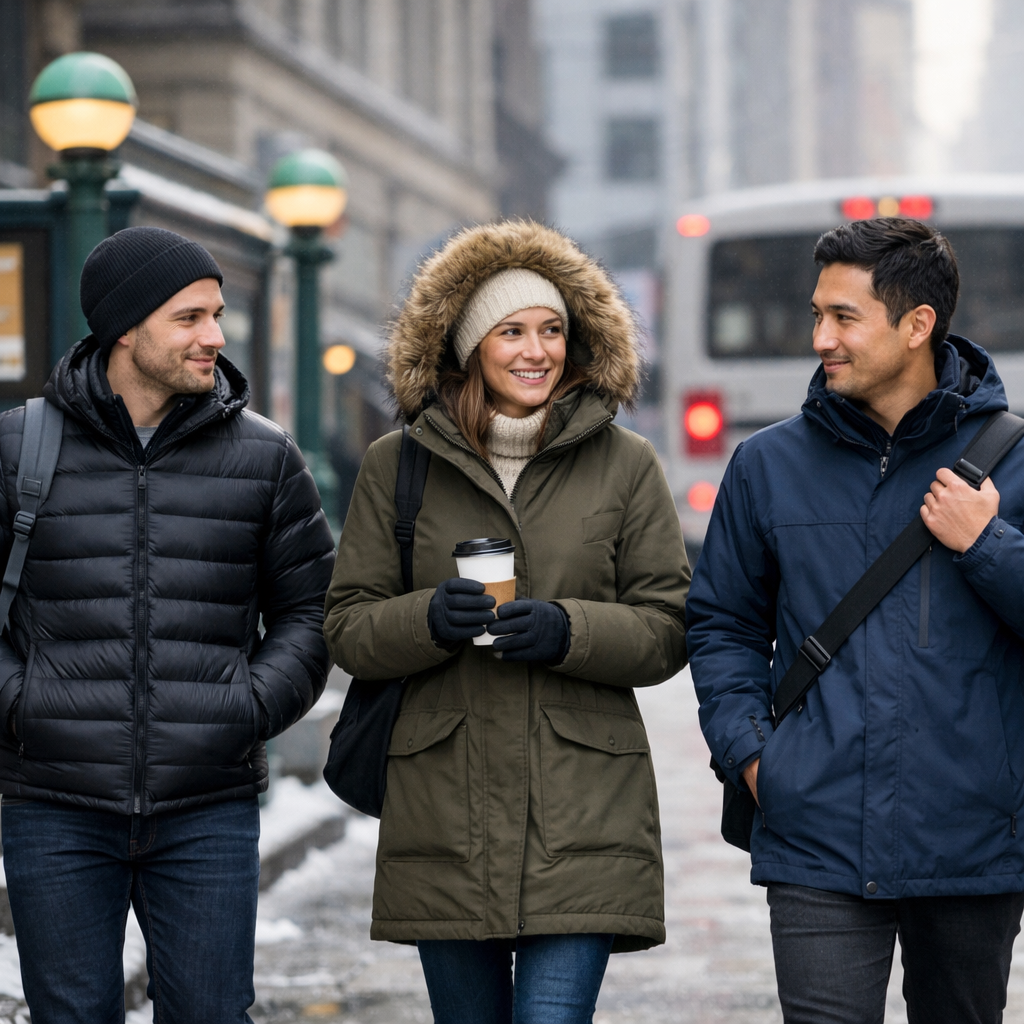
Best Insulated Winter Jacket Brands For Urban Commuters
Best Insulated Winter Jacket Brands For Urban Commuters
If you’re commuting through winter, the leading insulated jacket brands that consistently balance warmth, weather protection, and city practicality are Rab, Patagonia, Arc’teryx, Paramo, La Sportiva, Passenger, Decathlon Forclaz, Helly Hansen, and The North Face. Each offers urban winter jackets that span sleek, packable jacket styles to longer parkas for city use. At Hiking Manual, we recommend matching insulation and shell to your climate: down vs synthetic for warmth-to-weight and wet‑weather resilience, and waterproof vs DWR for protection level. Then filter for commuter jacket features—hip-length mobility or parka coverage, secure pockets, an adjustable hood, and materials that prioritize recycled fabrics and RDS down.
Quick takeaways for urban commuters
- If your winter is cold-dry, choose high-fill down for maximum warmth-to-weight; for example, La Sportiva’s Lumina 200 uses 1,000-fill down at just 263 g, excelling in frigid, low-moisture climates (see the Live For The Outdoors roundup).
https://www.livefortheoutdoors.com/hiking/jackets/best-insulated-winter-jackets/ - If you face wet weather, pick synthetic insulation with waterproof or highly water-resistant shells; Patagonia’s DAS Parka pairs Pertex Quantum Pro with 133 g PrimaLoft for dependable warmth in rain and slush (Switchback Travel’s synthetic guide).
https://www.switchbacktravel.com/best-synthetic-insulated-jackets - For daily mixed-weather, go with breathable synthetics or treated downs in hip-length cuts with secure pockets; Rab’s Cirrus Ultra Hoody has been named a best overall balance in testing for active, variable commutes (OutdoorsMagic testing).
https://outdoorsmagic.com/article/best-insulated-jackets-tested-and-reviewed/
Warmth-to-weight, simply put, is how much heat a jacket delivers relative to its mass. Higher fill-power down and efficient synthetics trap more air for the same weight, so you stay warm with less bulk—ideal for walking, biking, or hustling between buses and trains without overheating.
How we picked
At Hiking Manual, we evaluated through a commuter-first lens: staying warm from doorstep to desk, moving easily on transit, and staying comfortable through wet spells and temperature swings.
- Warmth-to-weight: Prioritized high fill-power down and efficient synthetic fills to minimize bulk without sacrificing heat.
- Weather resistance: Focused on DWR to waterproof shells that stand up to drizzle, sleet, and slush on real city streets.
- Transit-friendly features: Hip-length mobility or parka coverage by climate, secure pockets for cards/phone, and adjustable hoods.
- Packability and weight: Easy to stash in a tote or backpack; low weight matters for walk-and-ride commutes.
- Sustainability and value: Recycled materials, PFC-free DWR, and RDS/bluesign-approved down, with fair pricing for daily use.
In testing, key criteria included warmth-to-weight, durability, lofting, longevity, and wet-weather protection—mirroring expert priorities in independent roundups (notably OutdoorsMagic’s head-to-head testing). Brand-backed data points we leaned on:
- Rab’s Cirrus Ultra Hoody scored 8.5/10 for warmth in a major roundup, earning a best overall nod for balance and usability.
- Paramo’s Torres Smock was named best weather‑resistant jacket in tests, though its 1.6 kg weight is a trade-off for commuters.
- Patagonia’s Nano-Air Hoody is widely praised for breathability and mobility at $299—ideal for active, mixed-weather urban use (Backpacker’s jacket test).
https://www.backpacker.com/gear-reviews/the-five-best-insulated-jackets/
Down vs synthetic insulation
For city users, down is the winner for cold, dry conditions thanks to superior warmth-to-weight and compressibility. Synthetic insulation shines in wet climates and during frequent in/outdoor transitions because it retains warmth when damp and dries faster.
- Down insulation: Lofted clusters from ducks/geese measured by fill power (e.g., 800–1000 fill). Higher fill power means more loft per weight and better compressibility. Down can lose warmth when wet unless it’s hydrophobic down or carefully protected by a weather-ready shell.
- Synthetic insulation: Man‑made fibers (e.g., PrimaLoft, Patagonia’s PlumaFill) that mimic down’s loft. They stay warmer when damp, dry quickly, and are often less expensive—but are heavier for the same warmth.
Evidence in recent roundups underscores the split: La Sportiva’s Lumina 200 employs 1,000‑fill goose down for standout warmth-to-weight at just 263 g, making it a standout pick for cold‑dry commutes (Live For The Outdoors). Patagonia’s DAS Parka uses 133 g PrimaLoft under a Pertex Quantum Pro shell for wet‑weather warmth (Switchback Travel). Test panels repeatedly note wet‑weather performance as the main differentiator between down and synthetic.
Weather protection and shell choices
Shells sit on a spectrum. DWR-treated nylon or polyester beads off light precipitation at lower weight and cost; highly water-resistant shells endure persistent drizzle and wind; full waterproof membranes or parkas excel in heavy, prolonged rain. This is the practical heart of waterproof vs DWR for commuters.
| Shell type | When to choose it | Commuter notes |
|---|---|---|
| DWR shell | Light showers, short exposures | Light, cheaper, breathable; carry an umbrella for downpours. |
| Water-resistant/windproof shell (e.g., Pertex Quantum Pro) | Persistent drizzle, gusts, occasional heavy showers | Strong defense with good mobility; great for a windproof urban jacket feel (Switchback Travel). |
| Waterproof parka/shell | Rainy cities and long outdoor waits | Heavier but reliable; ideal for parkas for city use and slushy sidewalks (GearJunkie’s winter picks). |
| https://gearjunkie.com/winter/best-winter-jackets |
Real-world examples: Paramo’s Torres Smock topped tests for weather resistance at 1.6 kg (excellent for foul weather, less packable). Helly Hansen’s Urban Lab Down Parka is heavy, durable, and roughly $450—built for wind and rain on coastal commutes (GearJunkie).
Fit, length and commuter-friendly features
Fit, length, and organization can make or break a daily commute. You need mobility for steps and bike lanes, coverage for wind tunnels between buildings, and pocketing that keeps essentials secure.
- Fit and length: Choose hip-length for mobility on transit and cycling; pick mid-thigh parkas for longer outdoor exposure and wind protection. A below-hip benchmark is Outdoor Research’s Stormcraft Parka at a 35" length, cited among deep-winter picks (The Inertia).
https://www.theinertia.com/gear/best-winter-jackets/ - Pockets and security: Look for hand‑warmer pockets, an internal phone pocket, and zips for cards/ID. Two‑way front zips help vent heat on crowded trains.
- Hood design: Adjustable hoods with structured brims shed rain; helmet‑compatible designs are a plus for cyclists.
- Packability and weight: If you often stash your jacket, prioritize compact, packable jacket designs. La Sportiva’s Lumina 200 packs exceptionally small for its warmth class. Arc’teryx’s Atom Hoody is around 8.9 oz with efficient synthetic insulation—great for active, multi‑modal commutes (BetterTrail’s synthetic guide).
https://bettertrail.com/outdoor-gear/best-synthetic-insulated-jackets
Sustainability and value
Buying better doesn’t have to cost a fortune. Look for recycled shells and liners, PFC‑free DWR, and traceable standards like RDS down and bluesign approvals.
- Passenger’s Ashland uses a 100% recycled shell and liner with responsibly sourced, traceable down—proof you can get eco‑forward design at a fair price.
- REI’s Stormhenge Down Hybrid Parka (featured in winter jacket roundups) uses 850‑fill bluesign‑approved down, balancing warmth and responsible sourcing (GearJunkie).
- Budget spectrum to set expectations: Value synthetics like Keela Talus (
£145, 60 gsm PrimaLoft Gold) deliver credible warmth; Helly Hansen’s Urban Lab ($450) and Arc’teryx’s Nuclei SV Parka (~$500) represent durable mid/premium parkas with excellent protection.
Side-by-side brand comparison
Hiking Manual’s quick brand map to help you match climate, commute style, and value.
| Brand | Who it’s for | Warmth-to-weight highlights | Weather protection | Style/length | Sustainability/value |
|---|---|---|---|---|---|
| Rab | Mixed, variable commutes | Cirrus Ultra Hoody ~548 g; warmth rating 8.5/10 in tests | Solid wind/water resistance in synthetics | Hip-length, move-friendly | Competitive pricing; increasing recycled content |
| Patagonia | Active walkers/cyclists | Nano-Air prioritizes breathable warmth at $299 | DAS Parka: Pertex Quantum Pro + 133 g PrimaLoft for wet warmth | Low-profile puffies to light parkas | Strong recycled materials and PFC-free efforts |
| Arc’teryx | Wet, wind-prone cities | Atom Hoody ~8.9 oz; efficient loft-to-weight | Nuclei SV Parka built for wet climates | Minimalist, sleek; hip to parka | Premium price; durable builds last years |
| Paramo | Persistent rain | Heavy but very warm; excels in foul weather | Best-in-test weather resistance; 1.6 kg Torres Smock | Functional, outdoorsy | Value via longevity in wet regions |
| La Sportiva | Cold-dry ultralight | Lumina 200: 1,000-fill down at 263 g | Weather protection relies on shell pairing | Trim, packable puffy | Performance-first; down should be RDS-traceable |
| Passenger | Budget-conscious daily wear | Everyday warmth with down fills | DWR shells for light to moderate weather | Casual city styling | 100% recycled shells/liners; traceable down |
| Decathlon Forclaz | Tight budgets, layering | Trek 100 synthetic puffy ~$45 | Basic DWR; best under a shell in rain | Hip-length layering piece | Excellent starter value |
| Helly Hansen | Harsh coastal winters | Warm, heavier parkas | Very weather-resistant builds | Parka-forward urban silhouettes | Mid/premium pricing; durable |
| The North Face | Deep-cold city waits | McMurdo: 600-fill down, very warm | Weather-resistant shells for snow and wind | Longer parkas for coverage | Wide availability and sizes |
Rab
Rab delivers commuter-balanced performance with practical features. The Cirrus Ultra Hoody frequently tops best‑overall lists at around £230 and 548 g with a warmth rating of 8.5/10—great for mixed weather. For more athletic movement, the Xenair Alpine scored Warmth 8.0, Comfort 9.0, and Weather Resistance 7.0 in lab‑style testing (OutdoorGearLab).
https://www.outdoorgearlab.com/topics/clothing-mens/best-insulated-jacket
Patagonia
For active commutes, the Nano‑Air Hoody is praised for breathable, move‑with‑you warmth at $299. When it’s wet and raw, the DAS Parka’s Pertex Quantum Pro shell and 133 g PrimaLoft provide reliable warmth that shrugs off drizzle and sleet.
Arc’teryx
Arc’teryx blends sleek design with technical performance. The Nuclei SV Parka (~$500) uses 190 gsm synthetic insulation and a robust shell for wet climates, while the Atom Hoody’s ~8.9 oz weight and breathable synthetics make it a commuter favorite for fast walking and cycling.
Paramo
A specialist in foul weather, Paramo’s Torres Smock was named best weather‑resistant in testing, with the caveat of a 1.6 kg weight that limits packability. It’s a standout for very rainy cities where staying dry trumps minimal bulk.
La Sportiva
The Lumina 200 is a standout example of ultralight warmth-to-weight: 1,000‑fill goose down at 263 g that packs tiny. It’s ideal for cold‑dry climates and riders who want maximum heat with minimal carry-on volume.
Passenger
Passenger’s Ashland illustrates affordable sustainability: a 100% recycled shell and liner paired with responsibly sourced, traceable down in a cozy, everyday silhouette that fits right into city life.
Decathlon Forclaz
The Forclaz Trek 100 is a budget workhorse—an inexpensive synthetic puffy (about $45) that layers well under a shell for errands or short commutes, proving you don’t need to overspend to stay warm.
Helly Hansen
Built for coastal winters, the Urban Lab Down Parka (~$450) is heavier but protective, with excellent pocketing and wind/rain defense. It’s a street‑ready parka style that prioritizes durability.
The North Face
For deep cold, the McMurdo Down Parka (~$400, 600‑fill) is extremely warm—bulky, yes, but a reliable option for long outdoor waits between stops in sub‑freezing weather.
Best picks by use case
Mixed weather and active commutes
- Patagonia Nano‑Air Hoody: breathable, mobile synthetic warmth that vents during brisk walks or rides; $299.
- Rab Cirrus Ultra Hoody: best overall balance with an 8.5/10 warmth rating; ~548 g for everyday wear.
Cold and dry winters
- La Sportiva Lumina 200: 1,000‑fill down; 263 g; packs exceptionally small for desk‑drawer stowage.
- Rab Neutrino Pro: 800‑fill down around ~21.3 oz; a top winter puffer pick for sustained cold.
Rainy coastal cities
- Patagonia DAS Parka: Pertex Quantum Pro shell plus 133 g PrimaLoft for wet warmth.
- Arc’teryx Nuclei SV Parka: 190 gsm synthetic insulation and a robust shell tuned for wet climates.
- Paramo Torres Smock: best-in-test weather resistance; 1.6 kg and built for foul conditions.
Budget-friendly daily wear
- Passenger Ashland: £180; 100% recycled shell/liner and traceable down.
- Decathlon Forclaz Trek 100: about $45; solid, inexpensive synthetic layering piece.
- Keela Talus: £145; 60 gsm PrimaLoft Gold for dependable warmth at a value price.
Final recommendation
Hiking Manual’s bottom line for city commuters:
- If it’s wet most days, choose synthetic insulation with a waterproof or highly water‑resistant shell for reliable warmth when damp—think Patagonia DAS Parka or Arc’teryx Nuclei SV.
- If it’s cold‑dry, pick high‑fill down for the best warmth-to-weight, such as La Sportiva Lumina 200 or Rab Neutrino Pro.
- For mixed, active commutes, prioritize breathable synthetics or treated down in hip‑length cuts with secure pockets—Patagonia Nano‑Air or Rab Cirrus Ultra Hoody fit the bill.
Across all choices, weigh sustainability and cost. Recycled shells, bluesign/RDS down, and durable builds usually deliver the best long‑term value and comfort for daily city use.
Frequently asked questions
How warm should an urban winter jacket be without feeling bulky?
At Hiking Manual, we suggest high fill-power down (700–1000) or efficient synthetic fills to maximize warmth-to-weight. Hip-length cuts and breathable linings maintain heat without the marshmallow feel on walks, rides, and transfers.
Is a waterproof jacket necessary for city commuting or is DWR enough?
DWR is fine for light showers and quick trips. In rainy cities or during long outdoor waits, Hiking Manual recommends a waterproof or highly water-resistant shell with synthetic insulation for dependable warmth when damp.
What features make a jacket easier to use on public transit?
Look for secure hand and internal phone pockets, an adjustable hood, and a hip-length cut for mobility. Two-way zips and packability also help you vent and stash quickly on crowded trains.
How do I choose the right length for walking or biking commutes?
Pick hip-length for mobility and pedaling comfort. Choose mid-thigh or parka lengths if you stand outside longer in wind or sleet; they add coverage and warmth at the cost of some agility.
Are recycled materials and RDS down worth prioritizing?
Yes. At Hiking Manual, we favor recycled shells and RDS/bluesign-approved down for durable, responsible warmth that holds up to daily city use.