Best High-Loft Fleece Jackets for Extreme Cold Weather Layering
Best High-Loft Fleece Jackets for Extreme Cold Weather Layering
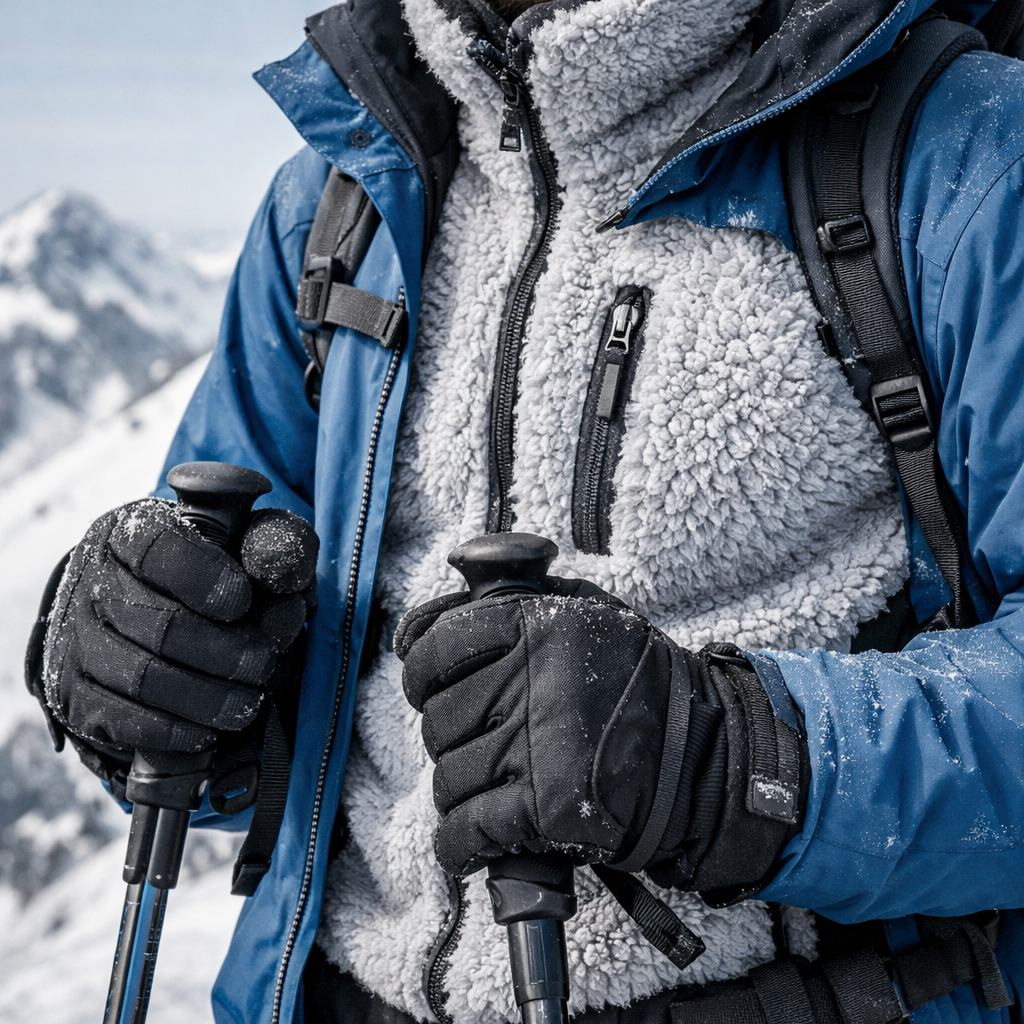
High-loft fleece is a deep, fluffy polyester knit that traps lots of still air—exactly what you want from an insulating midlayer under a wind or waterproof shell on frigid days. It delivers exceptional cozy, static warmth, but it’s bulkier and less breathable than technical grid or hybrid fleece, which trade loft for airflow and quicker dry times for active use. In short: choose high-pile for camp and low-output cold, and grid/hybrid fleece for high-output winter hikes and ski tours. Independent roundups consistently confirm these trade-offs—warmth and comfort versus breathability and packability—across fleece types and models from casual to performance builds, with recurring notes on pilling under pack straps and the importance of a shell for wind protection (see testing syntheses from Treeline Review).
Comparison quick picks
| Jacket | Fleece type | Warmth focus | Weight/packability | Pockets | Price range | Best use |
|---|---|---|---|---|---|---|
| The North Face Retro Denali | High-pile with overlays | Static warmth | Bulky; packs large | 1 chest, 2 hand | ~$180–$250 | Camp, commuting, low-output winter |
| Patagonia Retro Pile | High-pile | Static warmth | Bulky; cozy | 1 chest, 2 hand | ~$130–$170 | Stationary warmth, casual winter |
| L.L.Bean High-Pile Fleece | High-pile | Static warmth | Bulky; budget-friendly | Varies; often 2–3 | ~$80–$140 | Camp, travel, low-activity cold |
| Himali Endeavor | Midweight fleece | Mixed (static/active) | Moderate bulk | Chest + hand | ~$110–$150 | Cold hikes under a shell |
| Montane Fury | Lightweight technical | Active warmth | Light; layers cleanly | Chest + hand | ~$90–$130 | Moving fast in the cold |
| Arc’teryx Kyanite Hoody | Stretch technical | Active warmth | Moderate; very streamlined | 2 hand (some with chest) | ~$170–$220 | Under-shell performance |
| Patagonia R1 Air | Grid fleece | Active breathability | Very light; packs small | Chest + hand (varies) | ~$150–$180 | High-output winter hiking |
| USCCA High Loft Fleece | High-pile | Static warmth | Bulky; very warm | 2 hand (varies) | ~$80–$120 | Sedentary cold, camp wear |
Hiking Manual
Our take is simple: buy for your real use, not the marketing copy. We test and compare for warmth-to-weight, comfort under a shell, pocket utility, and value—favoring durable, reliable essentials over hype. Expect to spend roughly $60–$200+ depending on pile depth and hybrid overlays, and always check fit under your winter shell and with your backpack on; it’s normal for fleece to show some pilling at strap contact points over time. In our experience, consistent fit checks under a shell and pack prevent surprises on cold trips. High-loft fleece is a deep-pile polyester knit that traps air to provide insulation with soft comfort; it layers well under shells for winter and pairs with down or synthetic outer layers when conditions are wet or windy.
The North Face Retro Denali
Among the warmest fleece jackets you can buy, the Retro Denali is frequently cited as top-tier for static warmth in head-to-head testing (CleverHiker’s fleece roundup). Its deep pile and burly build excel at camp and on frigid commutes, while recycled polyester and abrasion-resistant nylon overlays at the shoulders and chest improve longevity under pack straps (CNN Underscored’s fleece guide). The trade-offs are bulk, debris attraction, and limited airflow, so it’s not ideal for sweaty ascents. Fit is boxy-straight with a roomy torso; typical pockets include one chest and two handwarmers. In exposed winter wind, add a windproof shell to lock in heat.
Patagonia Retro Pile
The Retro Pile leans comfort-first: plush, cozy, and quietly warm—one of the more insulating casual fleeces in its class. It’s great for stationary warmth or slow, cold walks, but its bulk and lower packability make it less suited to high-output climbs without ample venting. Expect some pilling under pack straps; that’s normal fleece behavior rather than a defect. Overall, it’s a dependable, warmth-forward midlayer for winter layering when you value comfort over technical breathability (BetterTrail’s best fleeces overview).
L.L.Bean High-Pile Fleece
L.L.Bean’s high-pile line is an inclusive-sizing, budget-smart way to get excellent heat trapping. The ultra-plush polyester pile holds a lot of still air, and the brand’s category includes options with recycled materials and references to PrimaLoft-insulated variants for added weather versatility (L.L.Bean’s high-loft fleece collection). It shines for camp, travel, and low-activity cold; pair it with a windproof shell for full protection when it’s gusty or damp. Check pocket count and hem adjustments—little details that help seal in warmth at a friendly price.
Himali Endeavor
The Endeavor slots into the midweight, soft-hand niche with a notably pocket-forward layout. It offers solid warmth that layers cleanly under a shell for cold hikes, plus a chest pocket that keeps a phone or GPS warm to help preserve battery life. Handwarmer pockets are comfortable, but verify they clear your hip belt if you carry a pack regularly. Breathability is decent but not class-leading—better for mixed days with move-stop-move rhythms than all-out ascents.
Montane Fury
A high-value performance fleece, the Montane Fury balances warmth, breathability, and stretch for active winter days. Test feedback frequently highlights its light, mobile feel and smooth layering under shells, along with recycled, bluesign-approved polyester in the Fury/Protium lines (Live for the Outdoors’ fleece reviews). It’s a smart pick for cold hill walks and everyday winter layering. UK-friendly pricing can undercut premium competitors, and some versions add thumb loops or a hood for extra coverage without much bulk.
Arc’teryx Kyanite Hoody
The Kyanite Hoody is a standout technical midlayer with excellent four-way stretch, mobility, and warmth-to-weight. It uses Polartec Power Stretch Pro—a proven fabric known for a smooth, durable face and cozy interior—earning frequent praise for performance-oriented layering (GearJunkie’s fleece guide). It’s superb under a shell, but not a windproof standalone in exposed conditions. The trim fit minimizes bunching under a harness or pack; pocket layouts vary by season, typically with two hand pockets and a clean chest.
Patagonia R1 Air
For high-output winter hiking, the R1 Air is the breathable pick that still offers useful loft. Its zig-zag, high-loft grid fleece promotes airflow and fast dry times, and it comes in impressively low weights (around 12.9 oz men’s, 10.9 oz women’s) that help it disappear under a shell (Switchback Travel’s fleece comparison). Use it for uphill efforts in freezing temps, then add a windproof shell on ridgelines. Grid fleece uses patterned channels to trap warmth while creating air pathways that enhance breathability and reduce weight—ideal when moisture management matters most.
USCCA High Loft Fleece
If you prioritize U.S.-made apparel, this ultra-insulating, made-in-USA high-loft fleece offers big warmth without excessive weight on the scale—but remember, any deep-pile fleece remains bulkier than grid options (USCCA High Loft Fleece product page). It’s best for cold commutes, camp wear, and sedentary exposure; add a wind shell when it’s gusty. Confirm hem and cuff adjustments and the pocket count to optimize heat retention and organization.
How to choose a high-loft fleece for extreme cold layering
A quick decision flow:
- Your activity level: mostly static or mostly moving?
- Pick a fleece type: high-pile (static warmth) vs grid/hybrid (active breathability).
- Fit under your shell: trim-but-not-tight; test range of motion with a backpack.
- Pocket and hood needs: chest pocket for electronics; hood for extra warmth.
- Budget: match features to use to avoid overpaying.
Conditions-to-choice cheat sheet
| Scenario | Ideal fleece category | Shell pairing |
|---|---|---|
| Static cold camp, belays, commuting | High-pile fleece | Windproof or waterproof shell |
| Stop-and-go winter hikes | Midweight hybrid or stretch technical | Breathable softshell or light hardshell |
| Steep, sweaty ascents in freezing temps | Grid/technical fleece | Windproof shell for ridgelines |
Pile depth and fabric weight
Pile depth is the height of fleece fibers from the fabric base. Deeper pile traps more air for insulation, increasing static warmth but also bulk and snag potential under packs. Heavy, high-pile fleeces win on cozy, stationary warmth, while grid and other technical fleeces trade raw loft for airflow and faster dry times. Many current options incorporate recycled polyester, and some retail categories even bundle PrimaLoft-insulated fleece pieces for added weather resistance.
Active vs stationary warmth
- For static or basecamp cold, pick high-pile fleeces like the Retro Denali, Retro Pile, or L.L.Bean High-Pile for maximum coziness. Accept the bulk and lower breathability as the trade-off.
- For high-output hikes, lean into breathable grid or stretch hybrids such as the R1 Air or Kyanite. They layer cleanly and manage moisture better.
- When wind is the main issue, durable hybrids with wind-resistant face fabrics (think TechFace-style builds) can bridge short, gusty stints without a full shell.
Fit under a shell and pack interfaces
Try on your fleece with your winter shell and backpack. You want full arm mobility, no hem ride-up, and sleeves that play nicely with gloves. Some pilling under pack straps is normal over time; overlays at shoulders and chest help durability. Check pocket clearance, too—on many performance fleeces, hand pockets sit high to clear hip belts, complemented by a single chest pocket.
Pocket layout and hood options
- A chest pocket helps keep a phone/GPS warm to preserve battery life.
- Fleece-lined hand pockets are clutch for breaks; internal drop pockets are great for stashing spare gloves.
- A hooded version can add roughly 10–15% perceived warmth around your head and neck during stops; ensure it fits under helmets and shell hoods. Note that stiffer, wind-resistant face fabrics can slightly reduce hood drape.
Budget ranges and value
- Expect budget options around ~$60 and premium builds ~$200+ depending on loft, stretch fabrics, and wind-resistant overlays.
- Prioritize warmth-first features for static users and breathability-first features for active users to avoid overpaying for mismatched tech.
- Long-term value signals include recycled content, solid warranties, and repair programs.
Layering strategy for extreme cold
A simple, reliable system:
- Start with a moisture-wicking base (synthetic or merino).
- Add a midlayer matched to your activity: high-loft fleece for static warmth or grid/technical fleece for breathability.
- Top with a windproof/water-resistant shell; carry a puffy for prolonged stops in severe cold. Remember, fleeces alone offer limited wind and wet protection—your shell does the weather work.
Base layer pairing
Choose synthetic or merino bases that wick and dry quickly; pick the weight by forecast and effort. A snug-but-stretchy fit prevents cold gaps at the lower back, and a zip-neck adds fast venting on climbs.
Midlayer selection by activity level
- Static or low-output: high-pile fleece (Retro Denali, Retro Pile, L.L.Bean High-Pile) for maximum warmth; shell up for wind or wet.
- High-output or variable: breathable grid/technical fleece (R1 Air, Kyanite, and similar) to manage moisture and maintain mobility.
- Hybrid need: wind-resistant midlayers (TechFace-style) when brief gusts are likely and you’d rather skip a hardshell.
Shell choice for wind and wet
Use windproof/water-resistant shells for full weather protection. Pick softshells for drier, aerobic days and hardshells for wind-driven snow or sleet. Ensure pit zips and adjustable hems/hoods for venting and sealing heat. Size shells to accommodate fleece loft without compressing the pile.
Managing moisture and ventilation
Regulate early: open fleece and base zips first, then pit zips, then crack the shell front. Grid fleeces excel at moving moisture; high-pile pieces retain heat but can feel swampy on steep climbs—pace and vent accordingly. Stash a light beanie and glove liners in your chest or hand pockets to swap when damp.
Frequently asked questions
What makes a fleece jacket warm enough for extreme cold layering?
Deep-pile, high-loft fleece traps still air for insulation and delivers excellent static warmth. At Hiking Manual, we always pair it with a windproof or waterproof shell in true winter.
Should I choose high-pile or grid fleece for winter hikes?
Pick high-pile for stationary warmth at camp or on slow, cold walks; choose grid or hybrid fleeces for high-output hiking because they breathe better and dry faster. Hiking Manual recommends matching fleece type to your typical effort level.
How should a high-loft fleece fit under a shell and backpack?
Aim for trim-but-not-tight with free shoulder motion and no hem lift; verify pockets clear your hip belt and expect some strap-area pilling over time. Hiking Manual also checks pocket placement with a loaded pack.
Do I still need a windproof or waterproof shell over a warm fleece?
Yes—fleece alone has limited wind and wet resistance; a shell preserves warmth and blocks gusts and precipitation. Hiking Manual treats the shell as the weather layer.
How much should I budget for a reliable high-loft fleece?
Plan roughly $60–$200+ depending on loft, stretch fabrics, and wind-resistant overlays. Hiking Manual suggests spending on warmth-first or breathability-first features that match your use.