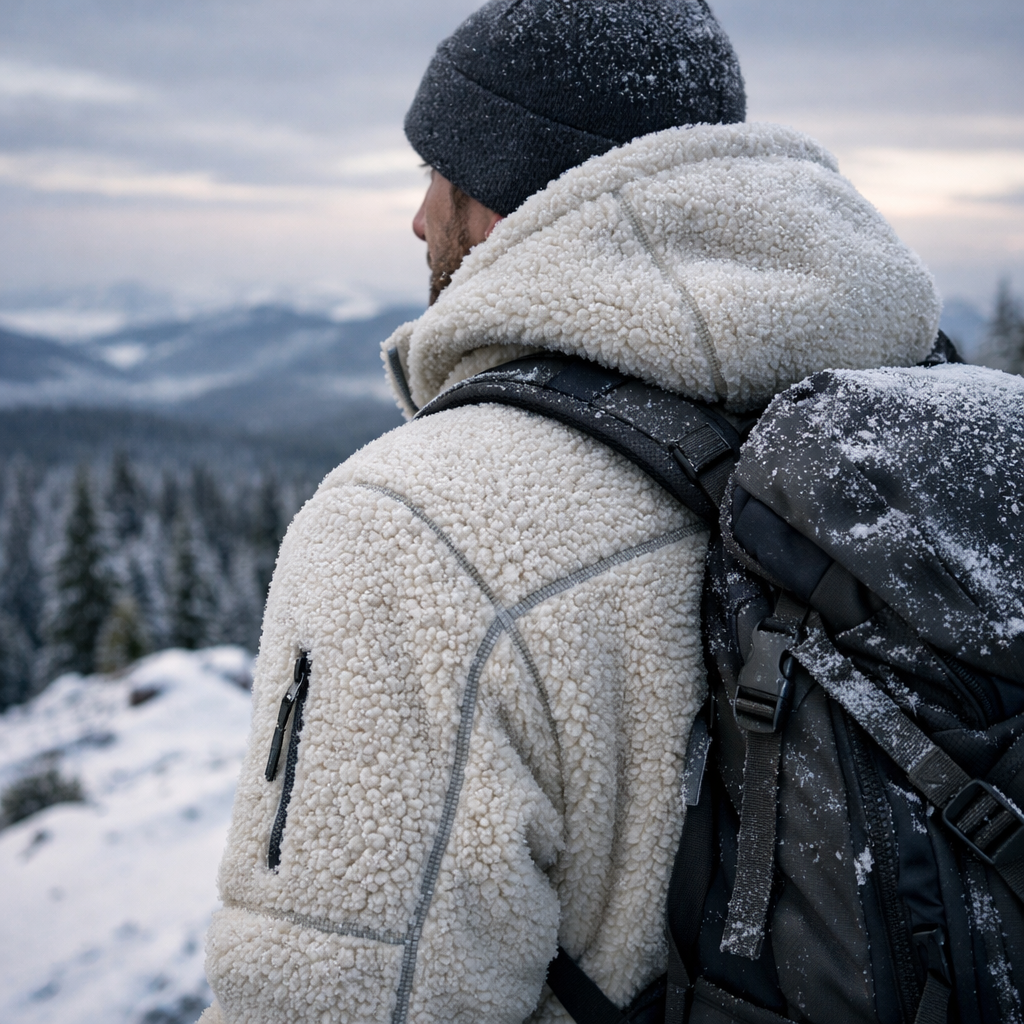
Best Heavyweight Fleece Jackets for Deep-Winter Layering, Ranked
Best Heavyweight Fleece Jackets for Deep-Winter Layering, Ranked
Heavyweight fleece trades some breathability and packability for lofty insulation, durable warmth, and some wind resistance—ideal as a standalone in still, subfreezing air or as a powerful midlayer beneath a shell or puffer during active cold-weather days. Below, we rank the warmest heavyweight fleeces for deep-winter layering and map each to its ideal use so you can pick with confidence.
Heavyweight fleece, defined (40–50 words): A dense, high‑pile or thick‑knit polyester fleece built for maximum heat retention and moderate wind resistance. It’s bulkier and generally less breathable than grid or technical fleeces, but excels for low‑output use in subfreezing temperatures and as a heat‑holding midlayer in storms.
How to choose a heavyweight fleece for deep-winter layering
Matching fleece construction to your output and weather pays off. High‑pile sherpa and sweater‑knit fleeces trap more “dead air” for warmth and feel cozier as outer layers; technical and grid fleeces breathe better for movement but surrender a bit of warmth and windproofing in exchange, which active hikers often prefer for sweat control (see Switchback Travel’s fleece guide and test notes).
Grid fleece, defined (40–50 words): A technical fleece with raised squares and channels that shuttle moisture and warm air efficiently. This structure boosts breathability and reduces weight while preserving enough insulation for movement. It shines as a winter midlayer under a shell but isn’t as wind‑blocking or warm as plush heavyweight options (as summarized in GearJunkie’s fleece overview).
Quick selection flow
- Mostly low‑output in frigid, dry cold: choose a high‑pile heavyweight (such as classic “retro” styles with overlays).
- Mixed stop‑and‑go or under a shell: choose a grid/tech‑face heavyweight (e.g., Patagonia’s warmest R1 variant).
- Blustery flurries: favor smooth faces or nylon/tech‑face overlays to shed wind and light moisture (a common advantage highlighted in Switchback Travel’s reviews).
Our testing methodology and safety lens
At Hiking Manual, we synthesize multi‑outlet lab and field data with our editors’ winter mileage, focusing on warmth‑to‑weight, breathability, weather resistance, features, fit, and price. Our scoring reflects patterns reported by independent reviewers like CleverHiker and Switchback Travel, and comparative head‑to‑heads from OutdoorGearLab.
Every pick is judged in two roles: as a standalone outer in still, bitter cold and as a midlayer beneath weatherproof shells or expedition parkas during wind, flurries, and sweat‑heavy climbs. Because safety trumps specs, we nudge toward conservative winter systems—pair heavyweight fleece with ice‑traction footwear and trekking poles for beginners on icy approaches, and carry a shell for rising winds. For more context, see our winter jacket picks and base layer guide:
- Cold‑weather shells and puffers: Best Hiking Jackets for Cold Weather (Hiking Manual guide)
- Thermal layers: Best Thermal Hiking Base Layers (Hiking Manual guide)
Ranking criteria and what matters most
- Warmth: Fabric thickness/density and pile depth are primary. The warmest fleeces trap more dead air and reduce convective heat loss—consistent with how comparative tests weigh material mass and loft (OutdoorGearLab’s fleece test methodology).
- Breathability and activity: Grid and technical fleeces move moisture better during exertion but are typically less outright warm than plush sherpa and sweater fleeces (a common theme across GearJunkie and The Inertia roundups).
- Weather resistance: Smooth outer faces and nylon/tech‑face panels help shed flurries and block gusts, while lofty sherpa can wet‑out faster and snag in brush (a benefit Switchback Travel frequently notes).
- Practical features: Helmet/under‑hood compatibility, pocket layout, thumb loops, elastic cuffs/hem, hem drawcords, and how well the fabric resists pilling and collecting debris.
The North Face Retro Denali
CleverHiker calls the Denali the warmest fleece in its lineup—massive standalone heat with commensurate bulk and durability at a mid‑$100s street price (CleverHiker’s fleece test). Switchback Travel also highlights its construction and nylon overlays for better wind and light‑moisture resistance; listed weights are 17.1 oz (men) and 15.6 oz (women), which aligns with its heat‑per‑pound profile (Switchback Travel’s Best Fleece Jackets).
Pros
- Exceptional standalone warmth in still, subfreezing air
- Wind‑resistant nylon overlays on shoulders/chest/hood
- Very durable; resists abrasion and pack rub
Cons
- Bulky and less packable
- Runs hot for high‑output climbs
Patagonia Better Sweater
A cozy sweater‑style heavyweight that prioritizes warmth and everyday durability over technical breathability. It’s a staple for around‑town winter, basecamp lounging, or low‑effort trail days where comfort matters more than ventilation—reflecting how sweater knits are positioned in buyer’s guides (Alpargali’s fleece buying guide; also echoed by GearJunkie’s use‑case notes).
Pros
- Plush hand feel and durable knit face
- Easy to layer under casual shells
- Excellent for commutes, camp, and low‑output walks
Cons
- Less breathable than grid/tech‑face options
- Slower to shed flurries compared to smooth/overlaid fleeces
Patagonia R1 Thermal Full Zip
The warmest R1 in Patagonia’s line, using a beefier microgrid that pushes it from “active fleece” into genuine winter‑midlayer territory. At roughly 15.3 oz, it can feel too warm for lung‑busting ascents, but it excels under a windproof shell on cold, mixed‑pace days (as noted in GearJunkie’s fleece guide).
Pros
- High warmth for weight; ideal under a shell
- Smoother outer face aids wind shedding and layering
Cons
- Breathability can lag during intense cardio spikes
Black Diamond Coefficient Hoody
A technical fleece built for motion: breathable grid fabric with a light DWR to fend off passing flakes. It’s a strong bridge layer for ski tours, aerobic ridge walks, and fast approaches where you need to dump heat yet keep a buffer from chill (The Inertia’s fleece roundup).
Pros
- Excellent moisture management and venting
- Active fit with functional hood
Cons
- Less dead‑air warmth than plush heavyweight sherpa
Outdoor Research Vigor
Named “Most Breathable Fleece” at about $120 by CleverHiker, the Vigor is a stellar value for active layering. Treat it as a baselayer‑plus or light midlayer under a shell on mixed‑pace days where sweat control is the priority over pure heat.
Pros
- Standout breathability for aerobic hikes
- Strong price‑to‑performance
Cons
- Not a standalone heater in still, frigid air
Arc’teryx Kyanite
A versatile mid/heavy stretch fleece balancing warmth, mobility, and clean layering. OutdoorGearLab praises its breathability and 4‑way stretch, making it a great town‑to‑trail piece and a comfortable midlayer beneath weatherproof shells (OutdoorGearLab’s fleece jacket review).
Pros
- Stretchy, movement‑friendly comfort
- Smooth face layers easily under shells
Cons
- Mid/heavy warmth may be insufficient alone in deep cold
REI Co-op Campwell
A budget heavyweight with surprising wind resistance and serious warmth for daily winter. BetterTrail scores it Warmth 4.5/5 and Breathability 1.5/5, noting it can feel too warm indoors—ideal for commutes, camp chores, and low‑output hikes in dry cold (BetterTrail’s fleece review).
Pros
- Strong value and cozy warmth
- Better‑than‑expected wind resistance
Cons
- Runs hot; limited breathability for exertion
Side-by-side comparison and key takeaways
| Model | Weight (oz) | Warmth | Breathability | Weather Resistance | Best Use | Price Tier |
|---|---|---|---|---|---|---|
| The North Face Retro Denali | 17.1 (M) / 15.6 (W) | Maximum | Low | High with nylon overlays | Standalone warmth in still, subfreezing | Mid |
| Patagonia Better Sweater | — | High | Low | Moderate (knit face) | Casual cold, basecamp, low‑output walks | Mid |
| Patagonia R1 Thermal Full Zip | ~15.3 | High (for grid) | Medium | Moderate–High (smooth face) | Active midlayer under a shell | Premium |
| Black Diamond Coefficient HD | — | Medium | High | Moderate (DWR face) | Ski touring, aerobic ridge walks | Mid |
| Outdoor Research Vigor | — | Medium | Very High | Moderate | Budget active midlayer | Budget |
| Arc’teryx Kyanite | — | Medium–High | Medium–High | Moderate (smooth face) | Town‑to‑trail, midlayer under shells | Premium |
| REI Co-op Campwell | — | High | Low | High for price | Everyday winter, low‑output hikes | Budget |
Buy this if
- Max standalone warmth: The North Face Retro Denali.
- Casual warmth/value: Patagonia Better Sweater or REI Co‑op Campwell.
- Active midlayer: Patagonia R1 Thermal, Black Diamond Coefficient, or Outdoor Research Vigor.
Layering strategies for deep winter
A simple 3‑step system:
- Wicking base: thermal synthetic or merino that moves sweat.
- Insulating mid: heavyweight fleece matched to your output (plush for static, grid/tech‑face for movement).
- Weather shell or puffer: windproof shell for active days; puffer over everything at stops.
Smooth‑face and tech‑face fleeces, or models with nylon overlays, shed flurries better than fuzzy sherpa piles (a consistent point in Switchback Travel’s testing). For high‑output tours, we often run grid fleece + hard shell, then throw a puffer over the lot during breaks—see our snow‑sport layering picks (Hiking Manual).
Warmth‑to‑weight, defined (40–50 words): A performance ratio comparing how much insulation a garment provides relative to its mass. Higher warmth‑to‑weight means you’re getting similar heat with less bulk. It’s invaluable for winter hikers who count ounces but still need a safe thermal buffer in volatile weather.
When to choose heavyweight fleece over an expedition parka
Reach for heavyweight fleece when you need breathability while moving and want modular control under a shell. Swap to an expedition parka for prolonged static exposure, severe windchill, or arctic overnights where maximum, wind‑proof warmth trumps moisture management. Broadly, heavyweight fleeces remain bulkier and less breathable than light technical layers but serve well as outer layers in very cold temps (as echoed in The Inertia’s fleece roundup).
Route planning and safety tips for winter hikes
- Pair warm fleeces with ice‑traction footwear and trekking poles for beginners on icy or side‑hill trails.
- Set conservative turn‑around times, verify daylight windows, and carry a shell to seal in heat if winds rise or snow starts.
- If camping, plan shelter for conditions—tall users and budget 2P tents need careful fit checks; consider 4‑season or hot‑tent options for deep winter.
Budget and value guidance
- Strong values: Outdoor Research Vigor (~$120) for breathable active layering (CleverHiker), and REI Co‑op Campwell for warm, wind‑resistant daily winter (BetterTrail).
- When to spend: If you want the warmest standalone fleece (Retro Denali) or a protective, technical midlayer for frequent cold‑weather objectives (Patagonia R1 Thermal).
- Quick tiers: Budget (<$130), Mid ($130–$200), Premium (>$200).
- Round out your kit with proven shells and puffers (Hiking Manual) and the right thermal base layer (Hiking Manual). For synthetic puffers and alternatives, browse our synthetic insulation coverage (Hiking Manual).
Sizing, fit, and durability notes
- Fit for layering: Choose trim but non‑restrictive cuts that accommodate a base layer and full arm mobility; 4‑way stretch models help (a strength OutdoorGearLab highlights).
- Fabric realities: Sweater knits pill less visibly but can snag; high‑pile sherpa collects debris—smooth faces or overlays fare better in brush (a benefit Switchback Travel often cites).
- Feature checks: Test hood compatibility, hem adjustments, and thumb loops to improve heat sealing in wind.
Care and maintenance for long-term performance
- Wash cold, avoid fabric softeners (they reduce loft), and air‑dry to preserve fibers.
- Brush out debris from high‑pile fleeces and repair pulls early.
- Refresh DWR on tech‑face/overlay zones to maintain light weather shedding.
Frequently asked questions
What makes a heavyweight fleece warm enough for standalone use?
Dense, high‑pile fabrics trap more dead air and reduce convective heat loss; smooth faces or nylon overlays add wind resistance, boosting perceived warmth in still, subfreezing conditions. Hiking Manual looks for this combo when recommending standalone options.
How should I layer fleece under a shell or puffer for mixed activity?
Run a breathable grid or technical heavyweight fleece over a wicking base, add a windproof shell for movement, and carry a puffer to throw over everything during stops. See Hiking Manual’s layering guides for examples.
Is grid fleece warm enough for subfreezing hikes?
Yes for active hikers, especially with a windproof shell; in still, frigid air, you’ll likely want a warmer high‑pile fleece or an added shell to stay comfortable. Hiking Manual generally pairs grid fleece with a shell for subfreezing movement.
When should I pick fleece instead of down or synthetic insulated jackets?
Choose fleece for better moisture management and modular control during movement; choose down or synthetic puffers for static warmth, severe windchill, or long, cold stops. Hiking Manual’s jacket guides map these choices to conditions.
How do I prevent pilling and keep my fleece performing well?
Wash cold, skip softeners, and air‑dry; turn garments inside‑out, minimize high‑friction pack rub on sweater knits, and periodically refresh DWR on tech‑face zones. Hiking Manual’s care checklists cover this in detail.