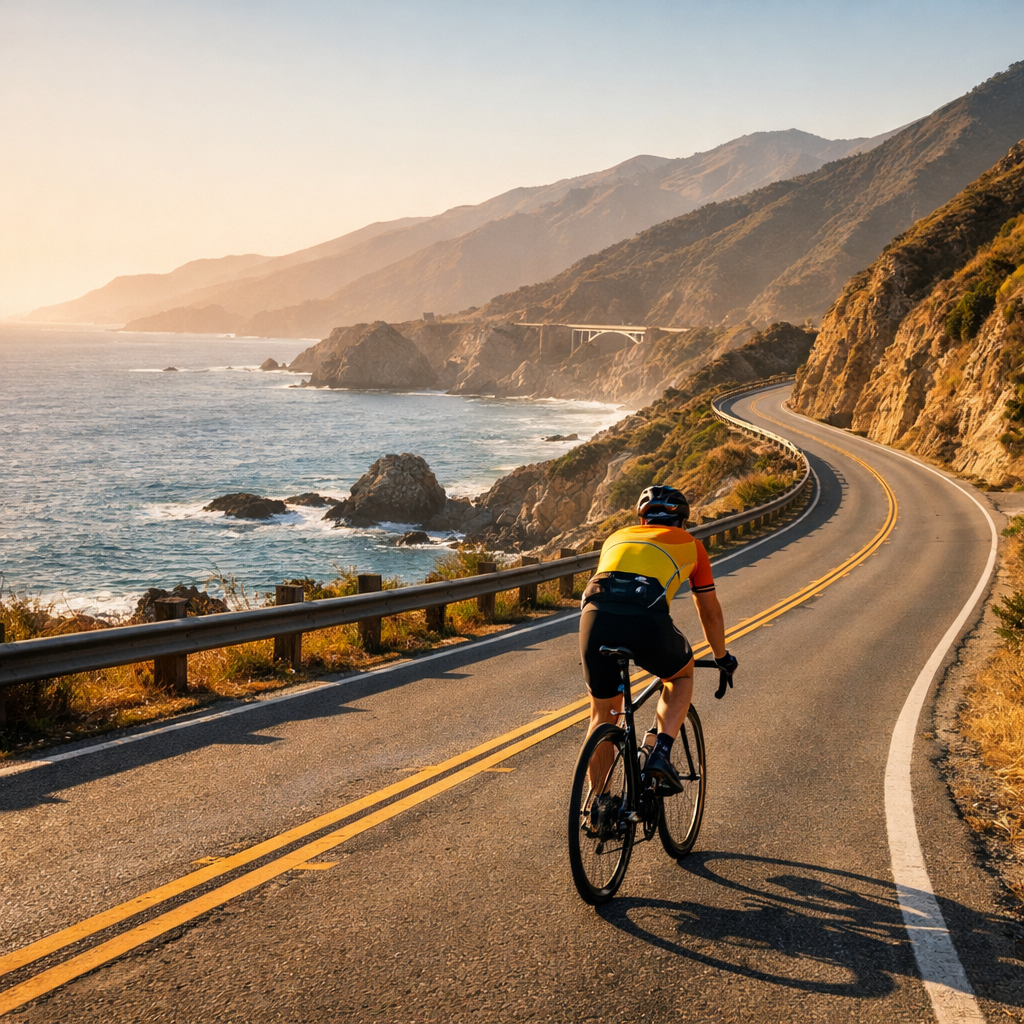
Best Cycling Trips in the US: Scenic Routes for Every Rider
Best Cycling Trips in the US: Scenic Routes for Every Rider
Looking for the best cycling trips in the US for all levels? This guide curates standout routes—from car-free rail-trails and coastal classics to bucket-list climbs—plus clear criteria to choose guided cycling tours or self-guided bike tours, and focused packing advice. You’ll find e-bike friendly routes, family cycling trips, and bikepacking routes US riders love. Along the way, we define support options so you can match your ability, budget, and style with confidence.
Hiking Manual
Hiking Manual’s approach is pragmatic and traveler-friendly: budget-smart choices, light packing, and comfort you’ll feel on mile 40 as much as mile four. If your rides overlap with hiking or travel, lean on quick-setup shelters for overnighters and breathable layers that handle sweat and sudden weather shifts. Our cycling-adjacent picks help you bridge ride and hike days without extra bulk. For crossover gear, see our hydration-ready daypacks for long ride days and town stops, and our tested budget rain jackets that pack small without soaking your wallet:
- Hydration daypacks with bottle holders: https://www.hikingmanual.com/best-hiking-daypacks-with-water-bottle-holder-for-outdoor-adventures/
- Budget rain jackets: https://www.hikingmanual.com/best-budget-hiking-rain-jackets-top-affordable-picks-for-outdoor-adventures/
How to pick your perfect cycling trip
- “Supported trip” is a cycling itinerary with vehicle support (sag wagon), on-route mechanic help, water/snack stops, and luggage transfer to reduce rider logistics—expect structured pacing and safety oversight, especially on bigger days or remote routes (see this third-party tour company comparison guide for standard inclusions: https://wellness.alibaba.com/outdoor/best-cycling-tour-companies-2026-guide).
- “Self-guided tour” provides booked lodging and route notes but no daily van support; you manage pacing, minor repairs, and navigation independently.
For weight and comfort, the Hiking Manual picks above keep kit simple without sacrificing essentials.
Use this quick framework:
- Confirm your current activity level and daily mileage goals.
- Check support level (van/mechanic/luggage transfer).
- Ask about bike options (fit, gearing, e-bike availability).
- Review group size and pacing; some tours run dual-pace rides.
- Compare inclusions versus price tier to see total value.
Effort scale: Level 1–2 suits casual riders on gentle terrain; Level 3 is steady fitness riding; Level 4–5 is serious endurance with sustained climbs and longer hours.
Typical price bands (per person, varies by destination and season):
| Tier | Typical Range | What you often get |
|---|---|---|
| Budget | $1,500–$2,500 | Basic lodging, some meals, route notes; limited support |
| Mid | $2,500–$4,500 | Van support, luggage transfer, most meals, standard bikes optional |
| Premium | $4,500–$8,000+ | Smaller groups, high-end lodging/meals, e-bike and pro bike options for an extra fee |
Operator realities to expect: smaller groups (8–12) mean more attention, some itineraries run separate paces, and premium operators increasingly offer high-end bikes and e-bikes for a fee (see the Backroads biking overview for what comprehensive support looks like: https://www.backroads.com/why/activity/biking). For a sense of market options, TourRadar lists 250+ bicycle tours with thousands of reviews and a high Trustpilot rating (https://www.tourradar.com/f/bicycle). Hiking Manual focuses on practical planning and gear advice you can apply with any operator or on DIY rides.
White Rim Trail, Utah
A remote, 100-mile desert loop skirting the canyons of Canyonlands, the White Rim mixes dirt, sand, ledges, and exposure—stunning and serious. Heat, scarce water, and camping permit logistics make support invaluable. A guided or supported 3‑day format reduces risk, manages water drops, and lets you focus on the scenery and effort (see this third-party bucket-list cycling tours round-up for context: https://www.twowheeledwanderer.com/posts/bucket-list-cycling-tours/).
- Best for: intermediate–advanced riders; supported bikepacking; big-sky photography at overlooks; prime in spring and fall.
Moab and Canyon Country, Utah
Moab is an icon for desert riding—slickrock playgrounds, classic singletrack, and scenic road spurs. It’s busy in peak seasons, so consider guided day tours for skills coaching and smart route selection; premium tours often run support vans and on-route mechanics (outlined in the Backroads biking overview: https://www.backroads.com/why/activity/biking). Pack breathable sun layers, high-capacity hydration (2–3 liters), a brimmed cap or helmet visor, and broad-spectrum sunscreen.
Vermont Green Mountains
Quiet backroads, covered bridges, and rail-trail cycling make Vermont an approachable, low-traffic choice. Rolling terrain suits recreational riders, with beginner-paced tours ideal during fall foliage. Rail-trails keep navigation simple and stress low; family distances of 15–35 miles per day work well, and e-bikes help smooth the hills.
Blue Ridge Parkway, North Carolina and Virginia
A dream for road cyclists: rolling climbs, sweeping vistas, and legendary color. Plan your ride in segments, pace the elevation, and carry layers—the ridge can swing from warm valleys to cool, gusty overlooks. Intermediate–advanced riders thrive here. Aim for spring or fall and ride midweek to ease traffic.
Black Hills and Mickelson Trail, South Dakota
The George S. Mickelson Trail is a converted rail corridor threading forests, meadows, and tunnels with gentle grades—perfect for mixed-ability groups and educational stops. Family-friendly tours and interpretive sites dot the route; point-to-point plans with a shuttle or luggage transfer are simple to arrange, and many segments welcome e-bikes where permitted (see the Road Scholar bicycling collection for examples: https://www.roadscholar.org/collections/bicycling/).
San Francisco to Mendocino, California
Northern California’s coast delivers bluff-top views, punchy climbs, and steady winds. Expect rolling terrain and brisk ocean gusts—bring a windproof layer and suitable gearing. Weekend riders can target San Francisco to Point Reyes; stretch to Mendocino across several days with stays in coastal towns. Summer brings fog and traffic; start early for calm miles and clear views (the Two Wheeled Wanderer round-up highlights this region’s appeal: https://www.twowheeledwanderer.com/posts/bucket-list-cycling-tours/).
Idaho Panhandle rail trails
Forested corridors and low-traffic, paved paths create relaxed multi-day loops in the Panhandle. Rail-trails with consistent grades are ideal for families or newer riders; luggage shuttles make self-guided traverses friendly. Ride shoulder seasons for cooler temps and fewer crowds (browse itineraries via the Road Scholar bicycling collection: https://www.roadscholar.org/collections/bicycling/).
St. Simons and Jekyll Islands, Georgia
Coastal-island paths offer flat terrain, relaxed pacing, and year-round riding—great for beginners and families. Expect wildlife viewing and historic sites. For budget framing, Road Scholar lists St. Simons & Jekyll Islands from around $1,899 on select dates (https://www.roadscholar.org/collections/bicycling/). Plan for humidity, afternoon storms in summer, and pleasant shoulder seasons.
Great Allegheny Passage, Pennsylvania to Maryland
This celebrated rail-trail runs 150 miles from Pittsburgh to Cumberland, with gentle grades, crushed stone, and town services—plus the option to connect to the C&O Canal for a longer adventure. Most riders plan 3–5 days to traverse; self-guided cyclists can book shuttles and luggage transfers and ride light gravel tires (35–45 mm). Newer tourers can sample family segments of 10–25 miles per day.
Natchez Trace Parkway, Tennessee to Mississippi
A scenic, controlled-access road with few intersections, steady grades, and long sightlines—made for endurance base miles and history-rich stops. Book lodging in gateway towns and plan spaced resupplies. Shoulder seasons shine for weather. Use lights and reflective layers for visibility on shaded stretches.
Oregon Coast Bike Route
Cliffside views, state park campgrounds, and reliable north-to-south winds define Oregon’s coast. Most riders go southbound to ride with the prevailing breeze and easier sightlines. Expect variable shoulder widths—use bright layers, day-time lights, and a wind shell. Section-ride 3–7 days with transit and shuttle options connecting towns and parks.
Acadia National Park carriage roads, Maine
Acadia’s historic carriage roads form wide, well-graded crushed-stone loops—car-free and scenic, ideal for all abilities. Time sunrise or sunset loops for quieter paths and coastal light. Fit 32–45 mm tires for comfort on gravel and enjoy family-friendly gradients.
Going-to-the-Sun Road, Montana
A bucket-list alpine climb with huge views. Seasonal vehicle restrictions create magical, low-traffic windows for cyclists before the full road opens. Elevation, narrow sections, and swift weather changes demand early starts, layered clothing, and altitude pacing. Consider park shuttles or out-and-back rides tailored to conditions.
Selection tips for beginners, families and e-bike riders
- Beginners: pick rail-trails or island routes with gentle grades and simple navigation; verify support level (sag wagon, luggage transfer) when booking (definitions and inclusions summarized here: https://wellness.alibaba.com/outdoor/best-cycling-tour-companies-2026-guide).
- Families: favor small groups (8–12) for attention, dual-pace options, and hubs with off-bike activities (same reference above).
- E-bikes: confirm availability, fit, and any extra fees; premium operators increasingly offer e-assist options, sometimes with custom builds (see the Backroads biking overview: https://www.backroads.com/why/activity/biking).
- Guided versus self-guided: guided trips minimize logistics and add safety and cultural context; self-guided keeps costs and pacing under your control (overview of tradeoffs: https://wellness.alibaba.com/outdoor/best-cycling-tour-companies-2026-guide). Hiking Manual’s packing advice above helps you keep weight and complexity down either way.
What to pack for supported and self-guided trips
Pack light, focus on comfort, and adjust for support level and weather. Weatherproof your core with a compact wind shell and a budget rain jacket; bring breathable layers that dry fast. For navigation, some guided trips provide preloaded GPS units, but always carry offline maps for redundancy (see the Backroads biking overview: https://www.backroads.com/why/activity/biking).
| Item | Supported trip | Self-guided tour |
|---|---|---|
| Daily carry | Minimal day kit (snacks, sunscreen, phone, ID) with van resupply | Full day kit plus backup battery and cash for snacks/resupply |
| Tools/spares | Basic personal tools; rely on van/mechanic for major issues | Pump/CO2, multi-tool, tire levers, spare tubes or plug kit, chain link |
| Layers | On-bike layers only; extra clothing rides in the luggage van | On-bike layers plus compact insulation in case of delays |
| Hydration & weather | Two bottles or hydration bladder; van water stops; pack a lightweight rain/wind shell | 2–3 liters capacity and reliable rain/wind shell; stash warm hat/gloves in mountains |
| First-aid | Bandages, chafe balm, personal meds; larger kit with staff | Compact first-aid kit and personal meds |
| Navigation | Cue sheets or GPS provided; follow guide pacing | Offline maps on phone/head unit; paper backup |
| Overnighting | Luggage transfer; no shelter needed | Compact shelter for bike overnighters where applicable |
Reality check: premium operators maintain large, well-kept bike fleets—often numbering in the thousands—which helps ensure fit and reliability on tour (see the Backroads biking overview: https://www.backroads.com/why/activity/biking). Hiking Manual’s light, budget-smart kit suggestions above work whether you ride operator bikes or your own.
Frequently asked questions
How many miles per day should I plan for different ability levels?
Casual riders often plan 15–30 miles on rail-trails; intermediates target 30–50 miles with rolling terrain; advanced riders may do 50–80+ miles with climbs. Adjust for elevation, wind, support level, and what you’re carrying; Hiking Manual’s packing advice above helps you stay comfortable.
Are e-bikes allowed or available on these routes?
Many guided trips now offer e-bike rentals for accessibility, and several rail-trails in this guide permit Class 1 e-bikes; Hiking Manual flags e-bike notes in each section. Always check local regulations and confirm rental availability and extra fees in advance with your operator.
What is the best season for popular US cycling destinations?
Spring and fall are ideal for deserts and the Southeast; coastal routes ride well in late spring to early fall, watching for wind and fog; mountain routes shine midsummer when high passes melt out. Hiking Manual notes prime seasons in each destination above.
What support should I expect on guided trips versus self-guided?
Guided trips typically include support vans, luggage transfer, on-route mechanics, snacks, and preloaded GPS navigation. Self-guided tours provide routes and lodging but you handle daily pacing, minor repairs, and navigation; use Hiking Manual’s packing list above to stay self-reliant.
How do I navigate and stay safe on unfamiliar routes?
Download offline maps, carry a backup battery, and follow posted signs on rail-trails or park roads. Start early to avoid traffic and heat, use high-visibility layers and lights, and share your itinerary with a contact; Hiking Manual’s packing picks cover visibility and backup power.