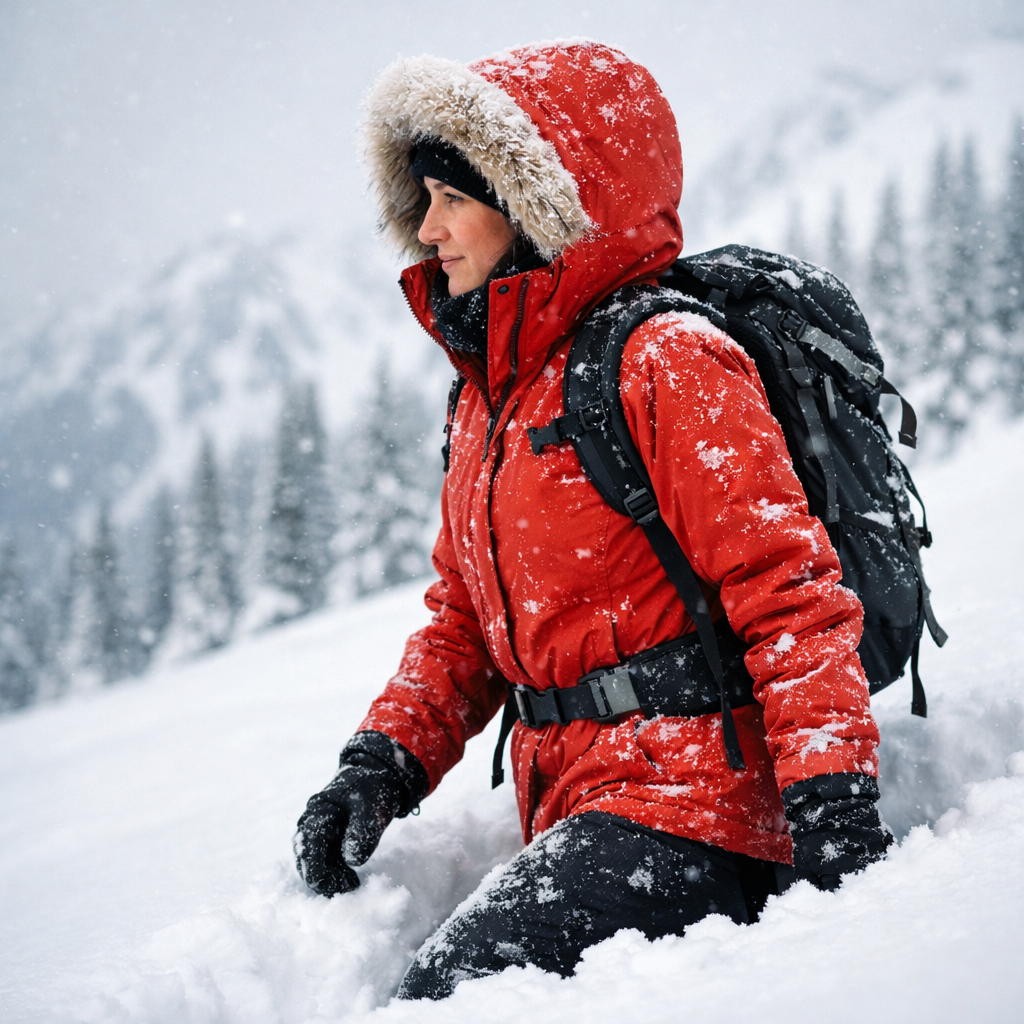
Best Budget Women’s Winter Jackets For Deep Snow, Field-Tested
Best Budget Women’s Winter Jackets For Deep Snow, Field-Tested
Deep snow commuting, shoveling, and slow-paced trail days demand coverage and sealing more than flashy tech. Under $300 you can get reliable warmth, thigh-length protection, and smart features; fully stormproof membranes and ultralight builds usually cost more. In deep snow, a longer cut with a protective hood does more than most add-ons to keep cold out and heat in. “Deep snow conditions” = recurring snow above boot tops with wind-driven drift; gear must block flurries, shed moisture, and seal at hems/cuffs/hood to prevent snow ingress while maintaining warmth during low-exertion tasks like shoveling, commuting, or slow-paced hikes with extended standing or stop-and-go movement.
Hiking Manual
Our testing lens is practical and safety-forward across sports: we assess durability, weather sealing, warmth-to-price, sustainability (look for bluesign-certified fabrics), and repairability, then weigh real-world usability for beginners through intermediate users. We use cross-sport insights—like hood depth over a beanie, seam sealing, and side-zip mobility—to prioritize what actually keeps you warm and dry. Find more value-first essentials, including our entry-level trekking poles guide, on the Hiking Manual homepage: https://www.hikingmanual.com/. Expect clear who/why/when guidance for every pick below, plus candid tradeoffs and simple setup tips to get storm-ready fast.
REI Co-op Campwell Down Parka
Best for: affordable thigh-length warmth for dry, powdery snow and cold commutes.
What stands out: For $229, the Campwell brings real value—thigh-length coverage, a 650-fill hybrid down/synthetic blend, an insulated hood, high collar, and hem cinch. Our test size M weighed about 2 lb 2.2 oz, and the fill is listed as 80% recycled down/20% feather. The two-way side zips improve stride when hustling up stairs or stepping over snowbanks, but opening them can flare the back and create a potential snow entry point in drifts. Weatherproofing is DWR-based, so it sheds light snow well; in prolonged, wet storms, pair it with a waterproof shell. Ideal use: deep, drier cold, snow days around town, and bus-stop waits when you want heat retention without overspending.
REI Co-op Stormhenge 850 Down Hybrid Parka
Best for: frequent storm days when you want near-stormproof protection without premium pricing.
Performance and price: In major roundup testing, the Stormhenge was rated 4.9/5 and listed at $299 as a Best Winter Coat thanks to high loft and sealed construction that punches above its price class (see CleverHiker’s Best Winter Coats for Women of 2024). The jacket uses REI’s HydroWall 2-layer waterproof shell to deliver reliable waterproofing at a lower cost than top-shelf membranes, a savvy tradeoff for value-focused buyers (OutdoorGearLab explains this 2-layer approach and cost efficiency). A waterproof membrane is an ultra-thin film laminated to fabric that blocks liquid water while allowing some vapor to escape. When paired with taped seams and storm flaps, it keeps snow and rain from penetrating, maintaining warmth in prolonged wet conditions. Who it fits: the budget-minded storm chaser who values sealed seams, high-loft warmth, and all-day protection over ultralight feel.
Columbia Women’s Heavenly Long Hooded Jacket
Best for: mild-to-moderate cold, slushy urban commutes, and packable, inexpensive warmth.
Price and packability: Often retailing around $160, the Heavenly Long remains a popular, affordable synthetic parka that’s easy to compress into a tote or pack during changeable weather (The Inertia notes its budget-friendly appeal). Warmth limits: similar Columbia synthetics kept testers comfortable near 32°F but struggled for still-standing warmth much below freezing, so we frame the Heavenly as a moderate-cold, wet-cold specialist rather than a deep-freeze parka (Business Insider’s buying guide aligns with these temp expectations). The DWR finish and insulated hood help shed snow; for colder or wetter storms, add a warmer midlayer or wear a waterproof shell over top.
Quince Responsible Down Puffer
Best for: budget down warmth and everyday cold commutes with simple adjustability.
Why it’s a standout: Frequently named a best budget pick, the Quince uses 700-fill-power down inside a wind-resistant, water-repellent shell. Reviewers consistently praise its comfort, fleece-lined hand pockets, and an adjustable hem that traps heat efficiently (Travel + Leisure highlights these strengths). Use case: below-freezing, drier snow, and slow-paced errands or commutes; size up if you plan to layer aggressively. Limitation: water resistance varies by batch and wear; for prolonged, wet snow, add a waterproof shell.
Orolay Thickened Down Jacket
Best for: maximum warmth-per-dollar in dry, frigid conditions.
Why it wins on value: Orolay is routinely spotlighted as a rare sub-$200 down jacket that actually feels toasty, making it a go-to for tight budgets in places with cold, powdery snow. Set expectations: warmth is impressive for the price, but weatherproofing is basic (DWR only). For deep snow, lean on the insulated hood, use the hem cinch to block drafts, and consider a lightweight waterproof shell on storm days.
Outdoor Research Coze Down Parka
Best for: learning what premium storm features buy you—and when stepping up makes sense.
Benchmark context: The Coze is often praised for its standout hood design and wind protection; the higher price reflects refined storm features and construction you feel in blizzards and on exposed corners. Many top-tier benchmark parkas pair taped seams with GORE-TEX-level shells for true stormproofing, setting the bar for sealing and longevity (GearJunkie’s winter jacket guide outlines these premium builds). Step up when: you face frequent blizzards, windy ridgelines, or all-day snow exposure where leaks and wind creep become safety and comfort issues.
How we tested
We at Hiking Manual ran slow-paced hikes in knee-deep snow, shoveled driveways, commuted and waited at bus stops, and checked lap coverage when sitting on snowy benches. We graded hood depth over a beanie and parka length for snow intrusion, tracked heat retention at low exertion, and stress-tested mobility with side zips and two-way front zippers. Temperatures ranged from 32°F down to single digits with wind exposure. We performed snow-packing and wet-out checks, watched for seam/zip leakage, verified hood adjustability, and noted glove compatibility. For durability and time-in-use context, large outlets have tested well over 100 jackets and extended testing for months, underscoring the value of long-term checks.
Key criteria for deep snow performance
- Insulation spec: 650–850 fill-power down or a midweight synthetic for wet-prone climates.
- Weatherproofing: at minimum DWR; add a waterproof membrane or shell overlay for persistent wet snow.
- Hood depth and high collar: insulated, adjustable hood that fits over a beanie; collar to lip level.
- Length and hem: thigh-length cut with a reliable hem cinch or drop tail.
- Sealed openings: internal knit cuffs, adjustable outer cuffs, storm flaps, and sealed/taped zips where possible.
- Snow management: powder-skirt alternatives (drop hem), two-way main zip for stride and venting.
Takeaway: thigh-length coverage + an insulated, adjustable hood + sealed openings deliver the biggest gains per dollar in deep snow.
Warmth and insulation
Down offers the best warmth-to-weight but can lose loft when it wets out; hybrids and water-resistant down balance cost and wet performance by mixing synthetic in leak-prone zones and treating down to resist moisture. Fill power measures down’s loft and insulating efficiency. Higher numbers (600–900) trap more air per ounce, increasing warmth with less weight. Real warmth also depends on total down amount, baffle design, and how well the jacket blocks wind and moisture. Fit and fabric liners matter, too. Under $300, expect solid 600–850FP down or midweight synthetics; true stormproof parkas typically cost more.
Example comparisons (approximate comfort at low exertion with a base layer):
| Jacket | Insulation | Notes | Ideal temps (approx.) |
|---|---|---|---|
| Quince Responsible Down Puffer | 700FP down | Great value; hem cinch; add shell in wet snow | 20–35°F |
| REI Co-op Campwell Down Parka | 650FP hybrid (down/synthetic) | Thigh-length; DWR only | 15–32°F (dry) |
| REI Stormhenge 850 Down Hybrid | 850FP hybrid + waterproof shell | Sealed seams; near-stormproof | 10–30°F (wet or dry) |
| Columbia Heavenly Long Hooded | Synthetic insulation | Affordable; best for milder, wet-cold | 25–40°F |
Weather resistance
Durable Water Repellent is a fabric treatment that causes water to bead and roll off. It resists light snow and drizzle but can wear off and is not a substitute for a waterproof membrane in prolonged, wet conditions. Reproofing restores performance temporarily. Budget-focused shells that add waterproofing—like many 2-layer constructions—boost storm protection without going full premium, while synthetics tend to resist wind and light precipitation but aren’t as warm as down for their weight (Listful’s budget winter coat guide summarizes these tradeoffs). Decision flow:
- Light or intermittent snow: DWR parka is fine.
- Persistent wet snow or slush: choose a waterproof membrane with taped seams, or wear a waterproof shell over your warm midlayer.
Hood and collar protection
In drifting snow, an insulated hood that fits cleanly over a beanie is non-negotiable; top parkas use deep hoods with multi-point adjustment to dial seal and vision. Faux-fur ruffs can add face protection in spindrift but do not replace real waterproofing. Prioritize a high, softly-lined collar that closes past the lips without gaps. Quick checklist:
- Beanie clearance without crushing.
- Two-way cord adjustments (front and rear).
- Stiffened brim for drip control.
- Chin guard and collar that seals to lip level.
Length and snow sealing
Thigh-length parkas trap more heat and shield hips from drifting snow; side zips help mobility but can become snow entry points if left open in deep powder. Look for a drop hem or powder-skirt alternative, a secure hem cinch, and a two-way main zip to stride uphill or sit without bunching.
- Hip-length: agile but colder and more prone to snow ingress in drifts.
- Thigh-length: warmer with better sealing for deep snow and bus-stop benches.
Cuffs, zips, and pockets
Small features make big differences in storm comfort. Internal knit cuffs stop cold creep, adjustable outer cuffs seal around gloves, and storm flaps protect zips from wet-out. Fleece-lined hand pockets preserve dexterity by keeping fingers warm. Quick inspection list:
- Zip garage at chin and glove-friendly pulls.
- Pocket placement above hipbelts.
- Secure internal stash for phone/battery to keep electronics warm.
How to choose on a budget
Step 1: Match climate. Dry-cold favors down or hybrids; wet-cold leans synthetic or down paired with a waterproof shell overlay.
Step 2: Prioritize coverage. Thigh-length cut, insulated hood, and DWR at minimum; add a waterproof membrane if storms are frequent.
Step 3: Validate fit and features. Ensure a high collar, sealable cuffs, two-way main zipper, hem cinch, and pocket layout that works with gloves.
Price reality: many shoppers eye $30–$80 synthetics, but deep-snow-ready warmth and coverage typically land around $150–$300 for reliable performance (Shelftrend’s 2025 market insights echo these ranges). Sustainability tip: prioritize bluesign-certified fabrics when available to reduce environmental impact and avoid unnecessary harmful chemicals.
Layering for deep, wet snow
Core recommendation: in persistent, wet snowfall, run a waterproof shell over a warm midlayer rather than relying on an inexpensive puffer alone. Suggested stack: moisture-wicking base, high-loft midlayer (700FP down or synthetic), and a waterproof/breathable shell with taped seams. Taped seams use adhesive seam-sealing tape over stitched lines to block water entry points. This transforms otherwise leak-prone seams into barriers, enabling jackets with waterproof fabrics to remain watertight in sustained precipitation and wind-driven, wet snow. Heat application bonds the tape, and proper overlap prevents pinholes at intersections. Fit note: size your shell to accommodate insulation without crushing loft; confirm hood compatibility across layers.
Frequently asked questions
What insulation level is warm enough for deep snow below freezing?
Aim for 650–850FP down or a midweight synthetic equivalent with wind-blocking fabric. Hybrids or treated down add security on wet days; see Hiking Manual’s picks above for examples.
Do I need a waterproof membrane or is DWR enough?
In our testing, DWR is fine for light-to-moderate snow. For persistent, wet snowfall or slush, choose a waterproof membrane with taped seams or add a waterproof shell over your warm midlayer.
Parka length vs hip length for deep snow
Thigh-length parkas retain more heat and block drifting snow better than hip-length cuts; use side zips or a two-way main zipper for mobility without sacrificing coverage.
How should a winter parka fit for maximum warmth?
Allow a base and midlayer without compressing insulation, with a high collar that closes comfortably, a deep hood over a beanie, and sealable cuffs and hem.
What is the best budget layering setup for storm days?
Wear a wicking base, a high-loft down or synthetic midlayer, and a waterproof/breathable shell with taped seams; this is the simple system we rely on at Hiking Manual in heavy, wet snow.