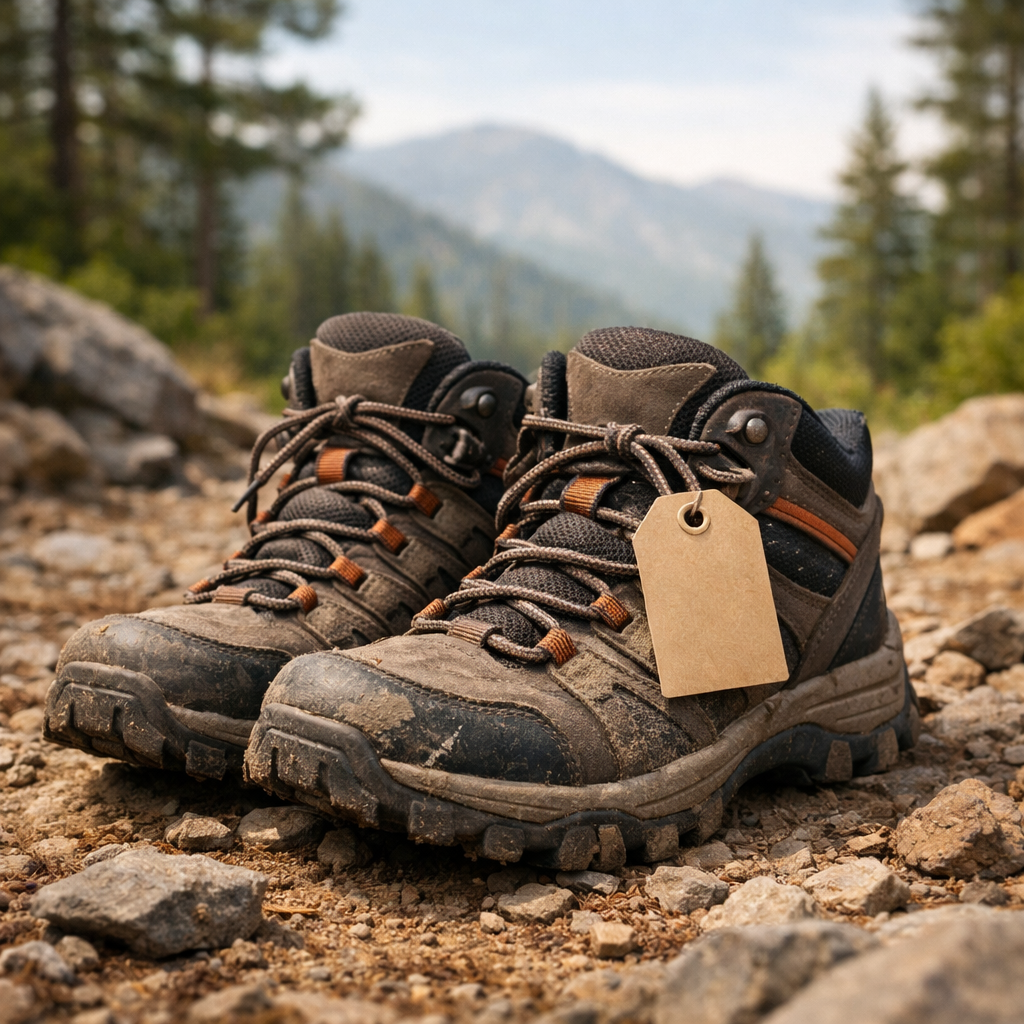
Best Budget Hiking Boots: Trail-Tested Picks That Protect Wallets
Best Budget Hiking Boots: Trail-Tested Picks That Protect Wallets
Looking for the best budget hiking boots for day hiking and light backpacking? At Hiking Manual, we start with fit and traction, then match waterproofing and support to your terrain. For most hikers on maintained trails, a cushioned, mid-height boot with a reliable outsole and wide-size availability strikes the right balance of comfort, protection, and value. Below you’ll find our field-tested picks by price and use case, plus quick-fit guidance and safety tips—for confident miles without overspending.
Quick answer
In Hiking Manual testing, Merrell Moab 3 Mid is the best budget hiking boot for most hikers thanks to out-of-the-box comfort, dependable traction, and consistent wide sizing that works on maintained trails. That comfort/value combo echoes accolades from Field & Stream’s best-boot roundup, which spotlights the Moab line for budget-friendly day hikes, and from Wirecutter’s hiking boots guide, which frequently highlights it as a go-to value pick. Reviewers at Hikingfeet also praise its plush feel and roomy fit for a wide range of feet.
Two quick alternates:
- Under $100: Columbia Newton Ridge Plus, with a cushy Techlite midsole and grippy Omni-Grip outsole; it often sells near the $80–$110 range.
- For wide feet/wet UK trails: Keen Circadia offers a roomy toe box; in the UK, the Berghaus Expeditor is a common value favorite with weather-ready uppers.
How we test budget boots
At Hiking Manual, we hike multiple day routes and short overnights across dirt, slab, roots, and wet rock; weigh boots, assess traction patterns, measure breathability via sock-moisture checks, and log break-in time. We prioritize real-world miles over lab specs. Durability notes come after 50–100 trail miles and include outsole wear, upper abrasion, stitching, and midsole pack-out. Budget boots often emphasize day-hike comfort over heavy-load support, a trade-off mirrored in expert test panels like OutdoorGearLab’s hiking boots reviews.
Definition—Budget hiking boots: Typically priced under $150–$170, these models balance cost and performance for day hiking and light backpacking. Expect trade-offs versus premium boots in at least one area—long-term durability, breathability in waterproof versions, or stiff underfoot support—though value standouts still cover a lot of trail confidently.
Best overall budget pick
Merrell Moab 3 Mid (and the earlier Moab 2) remains Hiking Manual’s best-for-most choice for day hiking and mellow backpacking. The recipe: forgiving cushioning, quick break-in, and trustworthy traction—with Vibram outsoles on many variants—plus wide sizes for better toe-splay and heel lock. The Moab 2 pair weighs about 2.25 lb, light enough for casual miles yet substantial for rocky, maintained paths. Where it doesn’t shine: hauling heavier backpacking loads. Its softer midsole that feels great at 5–10 miles can feel less supportive when you’re carrying more weight or edging on steeps. Fit tip: test with your hiking socks and ensure a thumb’s width of space down the big toe on descents.
Best under 100
Columbia Newton Ridge Plus punches above its price, often found around $80–$110. The Techlite midsole brings plush cushioning, and Columbia’s Omni-Grip outsole sticks well on packed dirt and gravel. It’s a strong pick for casual day hikes and wetter trails where entry-level waterproofing helps. The trade-off is breathability—waterproof leather-and-synthetic builds run warmer than mesh-heavy designs. If it’s out of stock, look at leather-forward Timberland Mt. Maddsen or White Ledge models, which frequently hover near the $99 mark at sales.
Best under 150
The $120–$150 tier is the value sweet spot, where features step up without tipping into premium pricing. At Hiking Manual, this is the tier we recommend most to new hikers seeking reliable support without overspending.
- Merrell Moab 3: prioritizes all-day comfort, wide sizes, and quick break-in; best bias is day hiking and short overnights.
- Oboz Sawtooth Ascent: firmer midsole, supportive insole, and confident traction; a better match if you like a planted, stiffer feel on mixed, rockier sections.
Who benefits: hikers who split time between maintained trails and occasional rugged segments, and those carrying small packs who still want more support than entry-level boots.
Best for wide feet
Go straight to Merrell Moab 3 in wide for generous toe room and secure heel lock, or Keen Circadia for KEEN’s famously roomy forefoot and cushioned midsole. In the UK and Europe, the Berghaus Expeditor is a widely available value option with a comfort-first fit praised by regional testers at The Great Outdoors’ budget boots guide. Hiking Manual sizing tip: try boots with your hiking socks; you want a thumb’s width at the big toe when descending.
Best waterproof value
Waterproof membranes add all-weather range at lower prices on:
- Columbia Newton Ridge Plus: budget-friendly membrane with supportive cushioning.
- Timberland Mt. Maddsen (leather WP): tough upper, straightforward protection.
- Oboz Sawtooth Ascent WP: near $150 with stepped-up support and traction.
Definition—Waterproof membranes: Thin, microporous layers laminated inside the boot. They block liquid water while allowing some vapor to escape, helping keep feet drier in rain and mud. The trade-offs: reduced airflow, warmer feel, and a small weight penalty versus non-waterproof designs.
Climate guidance: choose waterproof for persistently wet, muddy, or shoulder-season climates; opt for non-waterproof mesh in hot, dry areas for cooler feet and faster dry times.
Best for durability
If you prioritize tougher uppers and abrasion resistance, look to leather-heavy models like Timberland Mt. Maddsen/White Ledge and Hi-Tec Ravine WP. The Ravine is a long-running value favorite in the UK, often around £140 with per-boot weights near 700 g as noted in Outdoors Magic’s best value boots feature. Set expectations: some budget boots show earlier midsole or outsole wear; if you log heavy mileage, consider rotating pairs to extend lifespan.
Hiking Manual care tips:
- Reproof leather and fabric periodically.
- Brush off mud and air-dry away from heat to protect adhesives and leather fibers.
Best for light backpacking
Carrying 10–25 lb? Choose firmer midsoles and tackier rubber.
- Oboz Sawtooth Ascent: firmer, more supportive underfoot feel, with confidence on mixed terrain.
- Salomon X Ultra 5 Mid GTX: nimble and technical-leaning, borderline-budget depending on sales.
Trade-offs: extra support can mean slightly more weight and less flex than pure day-hiking boots—but you gain stability without jumping to heavy-duty backpacking models. If your budget can stretch and stability is paramount, Salomon Quest 4 GTX is stout but heavier.
Fit first
Use this Hiking Manual quick checklist to prevent hot spots:
- Toe box: allow natural splay; 0.5–1 thumb’s width on downhill.
- Midfoot/heel: snug wrap with no pinching; zero heel lift on stairs.
- Timing: try boots after midday when feet swell; wear your hiking socks.
Many budget boots come in wide sizes (e.g., Moab 3). Some models run small—order two sizes or consult brand charts to speed up dialed-in fit.
Waterproof or breathable
| Factor | Waterproof boots | Non-waterproof boots |
|---|---|---|
| Breathability | Lower; warmer in summer | Higher; cooler on hot days |
| Weight | Slightly heavier due to membrane/liners | Lighter, fewer layers |
| Dry time | Slower if soaked through | Faster; air flows through mesh |
| Best climates | Wet, muddy, shoulder seasons, shallow snow | Hot, dry, desert, well-draining summer trails |
Waterproof membranes block liquid water but limit airflow, which can raise sweat load in warm weather. Cheaper coatings can also struggle in prolonged, standing wet. In hot, dry climates, non-waterproof mesh uppers breathe better and dry faster post-stream crossing.
Traction and support
Look for lug patterns with multi-directional bite and channels that shed mud. In Hiking Manual testing, Vibram outsoles or equivalent sticky rubbers are confidence boosters on wet rock and mixed terrain—you’ll find them on many Moab 3 variants and the Oboz Sawtooth family.
Definition—Midsole stiffness: The boot’s resistance to bending under load, driven by foam type (EVA vs. PU), insert plates, and shanks. Stiffer midsoles improve edging and underfoot stability with heavier packs and uneven ground but feel less cushy. Softer midsoles boost comfort on day hikes yet can tire feet when carrying weight.
Most budget boots favor cushioning over stiffness; if you’ll carry a pack often, pick a firmer midsole and supportive insole.
Weight and comfort
As context, the Merrell Moab 2 pair lands around 2.25 lb, with some variants closer to ~2.1 lb—solidly day-hike friendly according to My Outdoor Basecamp’s budget boot comparison. Lighter boots reduce fatigue and typically break in faster. Our testers repeatedly note that padded ankles, plush insoles, and minimal break-in drive comfort—even on budget picks.
What budget boots can and cannot do
Do: excel on day hikes, maintained trails, and short overnights; deliver cushioning and value while protecting toes and soles. Don’t: expect premium durability, maximum airflow from waterproof versions, or the stiff chassis needed for heavy multi-day loads on rugged routes.
Hiking Manual takeaway: Budget boots trade one or two pillars—durability, breathability, weight, or support—to hit price; match your boot to terrain, climate, and pack weight for best results.
How to save on boots
- Shop last year’s colorways, holiday sales, and brand outlets; set price alerts for Moab 3, Newton Ridge, and Oboz Sawtooth lines.
- Consider men’s/women’s crossover fits if length and volume align; double-check return windows for easy size swaps.
- Buy once, cry once: if you hike rocky trails or carry a pack, stepping up to the $150 tier for firmer midsoles or Vibram outsoles can be the smarter long-term value.
Care and lifespan
- After hikes: brush off mud, remove insoles, and air-dry away from heat; stuff with paper to speed drying.
- Seasonal: reproof leather/fabric; store loosely laced in a cool, dry spot.
- Lifespan: with regular day hiking, expect roughly 1–3 seasons; rotate pairs if you hike weekly.
- Refresh comfort: swap insoles every ~150–200 miles; re-lace for improved heel lock; assess lug wear before wet-season trips.
Safety checklist for new boots
Pre-hike fit and function:
- Lace-lock test: no heel lift on stairs.
- Walk 2–3 neighborhood miles to find hot spots; apply blister tape proactively.
Trail-readiness add-ons:
- Pack the Ten Essentials.
- Use a layering system that matches the forecast (shell, mid-layers, insulation).
- Carry offline GPX maps with backups and a satellite/SOS device on remote routes.
Wet/bug prep:
- Reproof boots if needed; add gaiters for mud.
- Bring bug defense for swampy seasons (repellent and a head net in camp).
Frequently asked questions
What is the best budget hiking boot for most hikers
In Hiking Manual testing, Merrell’s Moab 3 Mid stands out for day hikes and light backpacking thanks to instant comfort, wide sizing, and reliable traction on maintained trails.
Do I need waterproof boots for my climate
At Hiking Manual, choose waterproof if you frequently hike in rain, mud, or snow; in hot, dry conditions, non-waterproof boots breathe better and dry faster, often improving comfort.
How should budget hiking boots fit to prevent blisters
Hiking Manual fit rule: snug heel and midfoot with a roomy toe box (about a thumb’s width) and no heel lift on stairs.
How long do budget boots last and how do I make them last longer
In Hiking Manual experience, expect roughly 1–3 seasons with regular day hiking. Clean after hikes, air-dry away from heat, re-waterproof as needed, and replace insoles and laces when worn.
Are hiking shoes or trail runners better than budget boots for day hikes
On dry, well-maintained trails, hiking shoes or trail runners can feel lighter and cooler; at Hiking Manual, we pick boots for more ankle coverage, toe protection, or consistently wet, rocky terrain.