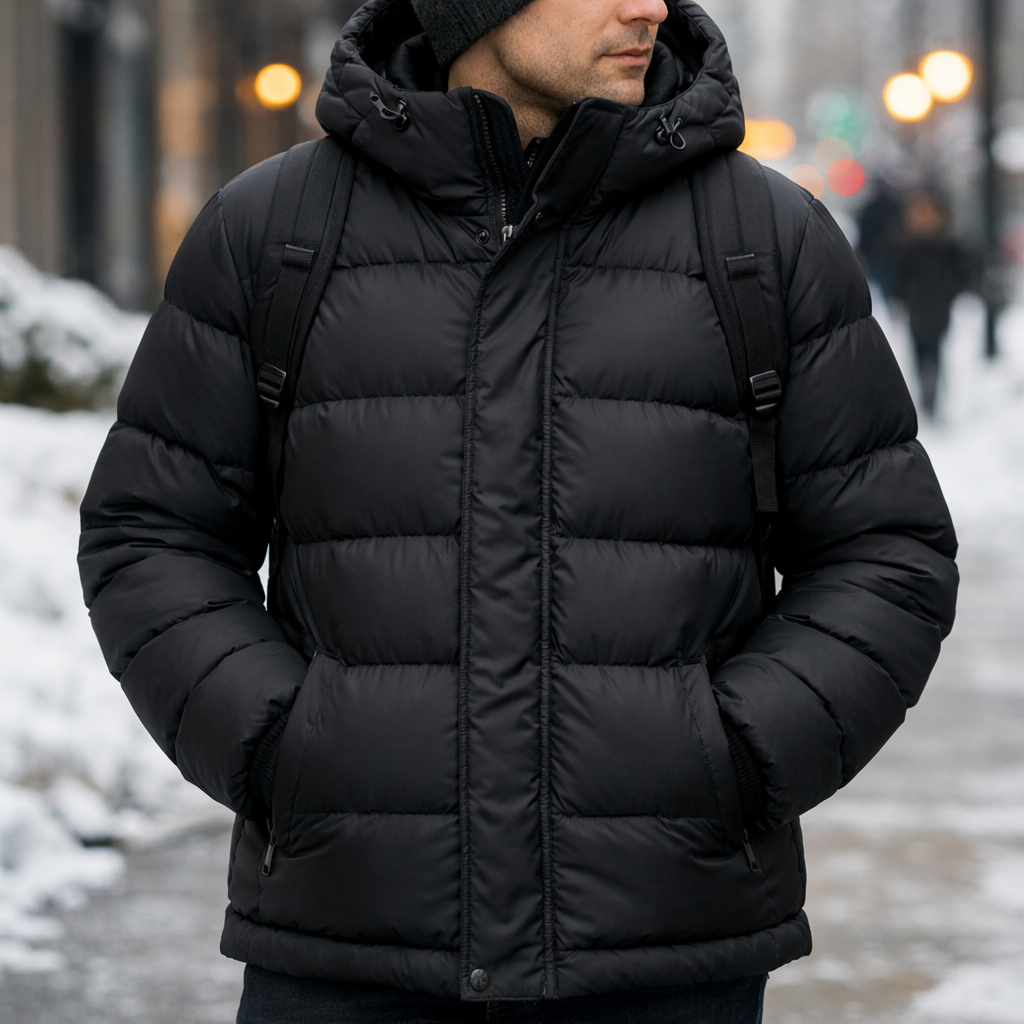
Best Black Puffer Jackets for Everyday Winter Wear in 2026
Best Black Puffer Jackets for Everyday Winter Wear in 2026
A great black puffer should disappear into your routine—warm on dark morning commutes, polished enough for the office, and compact for travel. For 2026, the best black puffer jackets for everyday winter wear balance warmth-to-weight, weather resistance, mobility, and value. Below, we’ve field-tested and ranked standouts from budget to premium, with clear trade-offs and fit notes for city commuting, travel, and light outdoor use. If you want a quick steer: choose 650–850 fill power for most urban winters, favor treated shells or hydrophobic down in wet climates, and size for easy layering. Our picks reflect Hiking Manual’s safety-first approach—prioritizing warmth, visibility, and reliability—and are backed by current category reporting like WIRED’s puffer overview that underscores how modern jackets juggle insulation, fabrics, and price to meet daily needs.
Hiking Manual
We approach everyday puffers with the same rigor we bring to alpine midlayers: practical warmth, dependable weatherproofing, and no-fuss mobility for bus stops, dog walks, grocery runs, and shoulder-season trail loops. In 2026, the category centers on trade-offs: lighter, higher–fill-power jackets cost more and can be more delicate, while budget options often trade features or fit for price, a pattern consistent across leading roundups. We also call out visibility and reliability details that matter in real-world commutes.
Fill power, simply put, measures down’s loft and insulating efficiency—higher numbers trap more air per ounce, delivering more warmth for less weight and better compressibility.
How to read puffer specs at a glance:
- Fill power: Loft/efficiency of the down (e.g., 650–1000). Higher = warmer per ounce.
- Fill weight: Total ounces of down in the jacket. More fill = more total warmth.
- Shell fabric: Denier (e.g., 15D) and weave indicate durability and hand feel; lighter denier is more delicate but packs smaller.
- DWR: Durable Water Repellent finish helps the shell shed light rain/snow; pair with hydrophobic down in wetter climates.
Decathlon Simond MT100
The MT100 is our best budget black puffer for daily wear and travel. It punches far above its price with 800 fill-power down, a 15D shell, and a feathery weight around 10.3–11.3 oz—making it a city-friendly, packable staple for mild-to-moderate cold. CleverHiker’s 2026 down jacket guide highlights its exceptional value for the warmth-to-weight you get.
Fit and trade-offs: it can run small, and the lighter 15D face fabric needs a bit more care on crowded transit. You won’t get premium zippers or the most robust DWR, but for dry-to-mixed urban days and quick trips, it’s hard to beat.
- Who it’s for: value seekers, travelers, students, minimalist packers.
- Who should skip: frequent wet-weather users who need stronger water resistance and a burlier shell.
REI Co-op Magma
Think of the Magma as a high-value midweight for cold-prone commuters who don’t want luxury markups. With 850 fill power and a weight around 11 oz, it delivers premium warmth-to-weight, recycled materials, and a thoughtful feature set at a fair price. The Inertia’s 2026 guide positions it as a standout for performance per dollar.
Build-quality complaints pop up occasionally, but REI’s robust returns mitigate risk. Compared with the REI 650 Down (cheaper, heavier, bulkier), the Magma is the better everyday pick if you want a warm puffer that still packs small.
Mountain Hardwear Ghost Whisperer
The Ghost Whisperer remains the ultralight icon for layering under shells, travel, and active commutes. It packs into its own pocket, disappears in a backpack, and offers excellent warmth-to-weight for brisk city walks. Recent 2026 guides continue to include the Ghost Whisperer, signaling its staying power among ultralights.
Trade-offs: the ultralight face fabric requires care, and it’s best for dry to moderately damp conditions—carry an umbrella or light rain shell on soggy days to protect loft.
Mountain Hardwear Stretchdown
Stretchdown is the mobility-first everyday puffer. Its stretch-woven baffles and 700 fill down make it a favorite for biking to work, shoveling, or city walks that demand reach and twist. The comfort is real: less crinkle, easier movement, and a more forgiving fit. Expect more weight and less packability than ultralights.
Mini-fit guide:
- True to size for a trim urban silhouette.
- Size up if you routinely wear a fleece or sweater beneath.
Arc’teryx Cerium
Cerium is a technical everyday black puffer with a refined, athletic fit and premium face fabrics plus robust DWR—excellent in wet-cold spells and polished enough for dressy-leaning commutes. It shines as a travel piece and midlayer under a rain shell for sustained drizzle, with strategic synthetic insulation in moisture-prone zones helping preserve warmth if things get damp.
Quick comparison: Cerium vs. Magma—Cerium feels more tailored and premium; Magma maximizes warmth-to-price and keeps packability front and center.
Quince Responsible Down
If you want an affordable, polished look with hip-length coverage, Quince’s Responsible Down puffer offers a water-repellent finish and an aggressive warmth claim to -48°F at roughly a $170 price point—figures echoed in a 2026 roundup on Medium. Travel + Leisure’s down jacket picks also spotlight Quince for everyday value and approachable styling.
Reality check: brand temperature claims are often optimistic. Plan around realistic activity and wind: layer a fleece on sub-freezing days, add a scarf and windproof accessories in gusts, and treat its DWR as slush-and-flurry protection, not a full rain solution.
Rab Neutrino Pro
For very cold, damp-prone cities, the Neutrino Pro is technical warmth you can count on. With 800 fill power and roughly 7.5 oz of down in the heavy-insulation category, plus a weather-resistant shell, it excels on frigid, windy platforms or sub-freezing dog walks. The longer cut and stout fabrics keep drafts out but can feel like overkill in mild winters.
For sub-20°F days, pair it with traction footwear and windproof accessories (hat, gaiter) to turn bitter mornings into manageable commutes.
Rab Microlight
The Microlight is the versatile, commuter-friendly sibling to the Neutrino Pro. It delivers reliable warmth with a tidy silhouette and weather-resistant face fabrics, and it layers smoothly under a shell. InStyle’s 2026 puffer roundup calls out its everyday usability, reinforcing its role as a do-most urban winter coat.
Pros: packable, dependable warmth for cool-to-cold days. Cons: not as toasty as the Neutrino Pro during long, static waits.
Quick chooser: pick Microlight for most city winters; reach for Neutrino Pro during deep cold snaps or when you’ll be standing still in wind.
Canada Goose Marlow Parka
When your winter is long, windy, and unforgiving, the Marlow Parka delivers heavy-duty insulation and weather protection with a long cut and recycled-nylon shell. Within the brand’s own warmth scale, pieces in this class are framed for extreme cold (around -30°F), a context echoed in The Cut’s expert-reviewed picks.
Trade-offs: notable weight, very high cost, and serious overkill in temperate metros. For mobility, use the two-way zipper to vent and ease movement when seated or driving.
How to choose a versatile black puffer
Start with climate and commute rhythm:
- Mostly 25–45°F with light wind: choose 650–800 fill power, moderate fill weight, and a good DWR; prioritize fit and pocketing.
- Frequent wind or long waits: step up to 800–850+ fill power and add a hood with secure adjustments and a draft collar.
- Wet winters: pick a water-repellent puffer with hydrophobic down and/or pair with a lightweight waterproof shell.
- Travel and packability first: favor lighter deniers and higher fill power; accept that durability needs more care.
- Budget stretch: prioritize insulation quality over extras; look for solid returns policies.
At-a-glance everyday spec guide:
| Fill power | Typical daily temps | Best use case | Common shell types | Packability notes |
|---|---|---|---|---|
| 650–700 | 30–45°F city walks | Budget daily warmth | Standard nylon w/ basic DWR | Packs to a backpack; slightly bulkier |
| 700–800 | 20–40°F commutes | Versatile “one-jacket” quiver | Pertex/nylon w/ better DWR | Jacket-to-cantaloupe size; easy in totes |
| 850–900 | 10–30°F or long waits | Premium warmth-to-weight | Pertex Quantum/Pro, advanced DWR | Very compressible; delicate shells likely |
| 1000 | Active use in very cold; UL layering | Specialized ultralight | High-end nylons, minimal features | Pocket-stow; handle with care |
Recommendations:
- Size up for layering if you wear a fleece or blazer underneath.
- Prefer treated shells and/or hydrophobic down in wet climates.
- Match fill power to temps: 650–800 for most days; 850+ for very cold spells.
Insulation and fill power
Fill power measures down’s loft and insulating efficiency; higher numbers (e.g., 800–1000) trap more air per ounce, so you get more warmth for less weight and better compressibility. Everyday warm pieces commonly use 650–850+ fill power, while ultralight specialists hit 1000 with very low fill weights at premium prices—think REI’s Magma at 850 as a high-efficiency daily pick, and ultralights like the Black Diamond Deploy 0.5 Hoody at 1000 FP around 5.6 oz noted by CleverHiker’s 2026 guide. Down offers the best warmth-to-weight in cold, dry conditions; synthetic insulation keeps working when wet and can be tougher for rough daily use, as summarized in broad winter jacket roundups. For daily reliability, Hiking Manual favors 650–850 FP with honest fill weights.
Weather resistance
A DWR-treated shell (e.g., Pertex) helps bead off slush and light rain, while hydrophobic down resists moisture uptake—key for urban drizzle. Full waterproof shells are more common on heavier parkas than mid-length puffers, and they add weight and reduce packability. For example, Patagonia pairs 700-fill down with a 2-layer waterproof H2No shell on certain winter models, a heavier but storm-ready approach highlighted in GearJunkie’s 2026 winter jacket guide. Dial in comfort with hood and neck draft control; wind flaps, draft collars, and cinch cords make a big difference—WIRED also notes smart hood features on technical pieces like Mammut’s alpine jackets. For more on water-repellent choices, see Hiking Manual’s water-repellent outerwear tips.
Fit, mobility, and layering
Do a two-jacket try-on: your normal size for trim daily use and one size up over a midweight fleece. Check reach, hem lift, and zipper comfort at the chin. Mobility tech like stretch-woven baffles (as on Stretchdown) improves range of motion for biking and errands. Quick checklist:
- Cuff seal (elastic or gasket)
- Hem drawcord that actually locks drafts
- Hood adjustability that keeps peripheral vision clear
- Collar height that seals without chafing
- Baffle design: sloped patterns can, in theory, shift down; WIRED notes the risk but testers often don’t observe cold spots in practice.
Weight and packability
Weight ranges are a helpful shorthand: cutting-edge ultralights start around 5.6 oz, everyday midlayers fall roughly 10–12.5 oz, and warmer parkas run 1–2 lb or more in exchange for protection and length. Confirm pocket-stow or stuff-sack compressibility for briefcases and backpacks—many budget puffers still pack surprisingly well. For wet forecasts, a commuter kit of puffer plus compact umbrella or a featherweight rain shell preserves loft and comfort.
Durability and value
Shell denier and weave matter: a 15D fabric (as on the MT100) feels airy and packs small but needs care around bus doors and rough packs. Price-to-performance splits cleanly: budget models offer solid warmth and packability with pared-back features; premium options add refined materials, better sealing, and often better hood/collar designs—sometimes at higher weight. Reliability notes: value staples like REI’s 650 Down have occasional build gripes, but retailers with strong returns policies reduce the risk over years of commuting. Hiking Manual favors proven fabrics that balance weight with abrasion resistance for transit and travel.
Safety-first winter considerations
Urban winter safety is about traction, heat retention, and simple contingency planning. Stay upright on slick sidewalks, guard your core with windproof accessories, and carry a few small emergency add-ons for delays or sudden temperature drops.
Quick safety checklist:
- Traction: winter soles or removable traction
- Visibility: reflective accents or clip-on light (especially with black outerwear)
- Layers: base + insulating midlayer + puffer (+ shell in sleet)
- Micro-kit: space blanket, small first aid, power bank, hand warmers
Traction and footwear pairing
Pair everyday puffers with winter-ready footwear featuring sticky rubber and stable platforms. Add removable traction for black-ice mornings or slushy curbs—staying upright preserves your insulation system and prevents avoidable emergencies.
Essential accessories and layers
Use a modular system: moisture-wicking base (merino or synthetic), insulating midlayer on very cold days, and your black puffer as the outer—or under a shell in sleet. Add a warm hat, neck gaiter, and insulated gloves. On bright winter days, UPF-rated balaclavas or sunglasses protect against low-angle glare; dark jackets absorb some solar gain but don’t replace sun safety.
Emergency preparedness basics
Carry a compact kit: space blanket/emergency bivy, small first aid kit, and a phone power bank. Reflective accents or a clip-on light boost dusk visibility with black outerwear; stash chemical hand warmers for long, static waits.
Frequently asked questions
How warm should a black puffer be for daily commuting?
For most cities, 650–800 fill power with moderate fill weight covers 20–40°F walks; in strong wind or long waits, step up to 800–850+ or add a midlayer and windproof accessories. Hiking Manual recommends a hood for wind-prone routes.
Is down or synthetic better for wet urban winters?
Down wins for warmth-to-weight in dry cold; synthetic keeps insulating when damp and is often tougher. Hiking Manual suggests treated shells or hydrophobic down plus a light rain shell for frequent drizzle.
What features matter most for everyday comfort and durability?
Look for a sealing hood and collar, durable face fabric, DWR water resistance, and smooth zippers; cuff gaskets and hem drawcords cut drafts, while inner stash pockets add commuter utility. Hiking Manual prioritizes simple, reliable adjusters that work with gloves.
How should I size a puffer for layering without bulk?
Try your normal size and one size up over a midweight fleece; reach and twist to confirm no hem lift or tight shoulders, and ensure cuffs and waist don’t gap. Hiking Manual favors a trim fit that still clears a midlayer.
How do I care for a black puffer to maintain loft and water repellency?
Wash with down-safe detergent, dry fully with clean tennis balls to restore loft, and refresh DWR with a spray-on treatment; store uncompressed to prevent clumping. Hiking Manual’s rule: clean and reproof before peak season, not after.