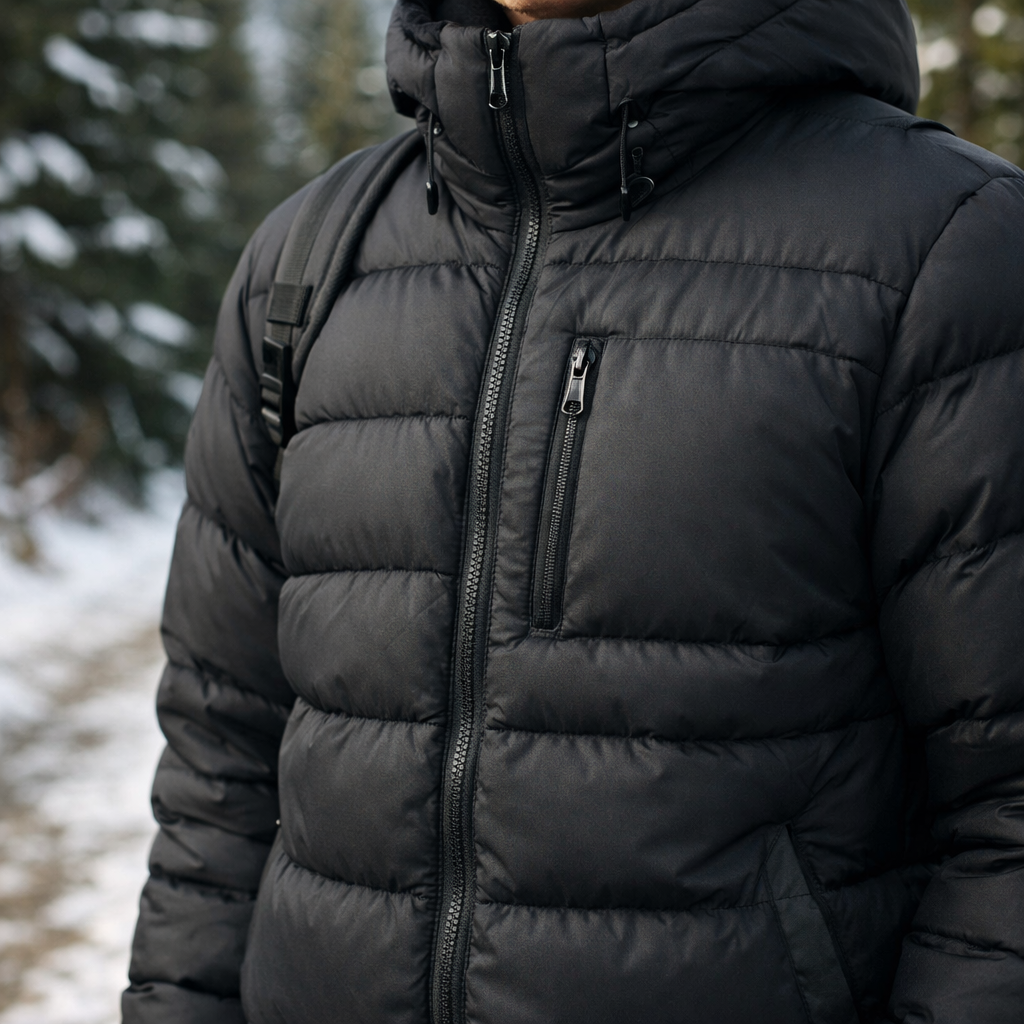
Best Black Puffer Jackets for Everyday Winter Use: 2026 Guide
Best Black Puffer Jackets for Everyday Winter Use: 2026 Guide
A great black puffer does three things exceptionally well: keeps you warm on cold platforms and windy pavements, shrugs off drizzle long enough to reach cover, and pairs with everything from office wear to bike kit. In this 2026 guide from Hiking Manual, we break down how to choose the best black puffer jacket for everyday winter use, then compare top picks side by side. For most commuters, a midweight, 700–850-fill-power down or synthetic-blend jacket with a durable 10–30D shell, adjustable hood, and reliable DWR hits the daily sweet spot. Ultralight puffers excel for packability and active movement but need gentler handling; style-first coats maximize loft and coverage for slower days. We prioritize clear specs and commuter-ready details.
How to choose a black puffer for everyday winter use
A black puffer jacket is a down- or synthetic-insulated jacket in a black colorway designed to maximize warmth-to-weight, everyday versatility, and easy styling across outfits. To land the right everyday puffer, work through this quick flow:
Temperature and activity: Are you mostly static on platforms or walking/cycling briskly? Static commutes call for more total insulation; active days benefit from lighter, more breathable builds.
Wet-weather exposure: Drizzle and gusts favor a water-resistant commute jacket; frequent downpours require pairing with a rain shell (waterproof vs water-resistant is the key distinction).
Budget and care preference: Balance premium loft and lighter shells versus low-maintenance durability. Consider whether you need a packable puffer, an ultralight puffer, or a budget puffer that prioritizes value.
Criteria that matter for daily wear
Use this Hiking Manual checklist to evaluate any black down jacket or everyday puffer on a product page or in-store:
- Warmth: fill power and fill weight
- Shell fabric and DWR
- Durability: denier and stitching
- Fit and hood
- Weight and packability
- Value: price, warranty, care
Why it matters — Warmth: Fill power indicates down quality; fill weight indicates total insulation. Together they predict real warmth in wind and on cold platforms.
Why it matters — Shell and DWR: A wind-resistant, water-resistant shell with a good DWR keeps you comfortable in drizzle and gusts until you reach shelter.
Why it matters — Durability: Denier (fabric thickness) and baffle stitching affect longevity against backpacks, bus seats, and bike locks.
Why it matters — Fit and hood: A trim but layer-friendly cut with an adjustable, insulated hood, draft collar, and hem drawcord seals in heat without bulk.
Why it matters — Weight and packability: Lighter jackets stow easily in a tote or pannier; ultralights carry everywhere but need gentler handling.
Why it matters — Value: Consider warmth-to-weight, full spec transparency (especially fill weight), aftercare, and repair options to reduce cost-per-wear.
Mini comparison note: For most commutes, midweight 700–850FP designs balance warmth, durability, and cost; 1000FP ultralights excel for packability but demand more careful use (as summarized in The Inertia’s puffer test: https://www.theinertia.com/gear/best-down-puffer-jackets/).
Warmth explained: fill power vs fill weight
Fill power (FP) measures down loft and efficiency; higher FP (e.g., 800–1000) traps more air per ounce, boosting warmth-to-weight. Fill weight is the total ounces of down used; more fill weight yields more absolute warmth. Consider both together to anticipate real-world thermal performance more accurately.
Real examples help decode specs. Patagonia’s classic down puffer uses 800-fill-power down with about 5.6 oz fill weight, illustrating how fill weight quantifies total insulation (see Wired’s puffer guide: https://www.wired.com/gallery/the-best-puffer-jackets/). Rab’s Neutrino Pro Hoodie packs roughly 7.5 oz of 800FP down, a warmer midweight profile highlighted in The Inertia’s puffer test.
Tip:
- Static commute: prioritize higher fill weight plus wind-sealing features.
- Active movement: prioritize higher FP with moderate fill weight to avoid overheating.
Weather resistance and shell fabric
Durable Water Repellent (DWR) is a factory-applied finish that makes fabric bead water and dry faster. It gradually wears off with abrasion and washing, so it needs periodic reproofing. DWR improves performance in light rain but does not make garments fully waterproof on its own.
Ultralight shells like Mountain Hardwear’s Ghost Whisperer use 5D/7D ripstop nylon—brilliant for weight, but more delicate for wet, abrasive city use (documented alongside Patagonia details in Wired’s puffer guide above). Wind-facing features also matter: models like Mammut’s Broad Peak add wind flaps, draft collars, and hood cinches to reduce heat loss in gusts.
Quick-scan shell comparison for top picks:
| Model | Shell denier (approx) | DWR | Hood design | Wind features |
|---|---|---|---|---|
| REI Co-op Magma 850 | Mid 15–20D ripstop | Yes | Adjustable, insulated | Draft collar, hem drawcord |
| Patagonia classic down puffer | ~20D recycled ripstop | Yes (PFC-free in latest runs) | Adjustable, insulated | Internal draft protection |
| Arc’teryx Cerium Hoody | Light ~10–15D | Yes | Low-profile, adjustable | Trim seal, hem drawcord |
| Mountain Hardwear Ghost Whisperer | UL 5–7D | Yes | Minimal, adjustable | Ultralight wind panels |
| Decathlon Simond MT100 | Mid 15–20D | Yes | Basic adjustable | Hem drawcord |
| Aritzia Super Puff | Heavier 20–30D class | Yes | Oversized, insulated | Storm-friendly collar |
| Black Diamond Deploy Down 0.5 | UL ≤10D | Yes | Minimal (pullover or hooded) | Weight-first, simple cinch |
Durability and everyday abrasion
For day-in, day-out abrasion from bags, turnstiles, and bike racks, choose midweight shells (10D–30D). Ultralights (5D–7D) save weight but show wear sooner in city use, a tradeoff echoed across expert roundups, including the Wired guide cited above. The very highest 1000FP pieces deliver elite warmth-to-weight but are less tolerant of long-term scuffing. If sustainability matters, note recycled ripstop advances like Patagonia’s recycled nylon derived from fishing nets, which aim to balance toughness with a lighter environmental footprint (also discussed in Wired’s coverage).
Fit, mobility, and hood design
Expect a trim, layerable cut that allows shoulder mobility and easy reach on handlebars. Some Patagonia puffers run a size large; try one size down or plan room for a mid layer, as noted in multiple reviews including Wired. Bike commuters benefit from drop-tail hems, articulated sleeves, and an adjustable, insulated hood plus a draft collar to block gusts. Hiking Manual fit checks emphasize shoulder mobility and coverage on the bike.
Fit checklist:
- Shoulder mobility without lift
- Cuff sealing (elastic or velcro)
- Hem drawcord to lock in heat
- Comfortable over a light fleece mid layer
Packability and weight
Carry-everywhere benchmarks are clear: the Ghost Whisperer UL comes in around 6.7 oz (men’s M) with 1000FP down—tiny to pack but delicate in daily abrasion (documented in the Wired guide cited earlier). At the extreme end, Black Diamond’s Deploy Down 0.5 hits about 5.2 oz and 1000FP, a specialist layer prized for minimal bulk (reported by GearJunkie: https://gearjunkie.com/apparel/best-down-jackets). If you like convertible storage, note jackets such as REI’s Magma 850 that stuff into a pocket for quick stashing, as highlighted in BetterTrail’s down jacket guide (https://bettertrail.com/outdoor-gear/best-down-jackets).
Value and total cost of ownership
Midweight value leaders like REI’s Magma 850 deliver 850FP warmth with an 11 oz weight and pocket-stuffability at a reasonable price, while budget standouts like Decathlon’s Simond MT100 ($119, 800FP, ~11.3 oz men’s) stretch pounds further without premium frills (price/value noted in CleverHiker’s 2026 roundup: https://www.cleverhiker.com/apparel/best-down-jackets/). Factor repairability, zipper durability, and DWR reproofing over 3–5 years. Always check whether the brand publishes fill weight—many don’t, yet it’s critical for absolute warmth. At Hiking Manual, we call out fill weight when published and flag when it’s missing to help you gauge real warmth.
Side-by-side comparison: top black puffers for everyday use
| Model | Fill Power | Fill Weight | Weight | Shell/Denier | Key Features | Best For | Notable Tradeoff |
|---|---|---|---|---|---|---|---|
| REI Co-op Magma 850 | 850FP | — | ~11 oz | Mid 15–20D ripstop | Stuff-pocket, adjustable hood, trim fit | Daily commute balance | Not as tough as heavy parkas; not UL light |
| Patagonia classic down puffer | 800FP | ~5.6 oz | ~13–15 oz (varies) | ~20D recycled ripstop | Recycled shell, reliable DWR, roomy fit | Durable, versatile city wear | Heavier than UL; may run large |
| Arc’teryx Cerium Hoody | 850FP | — | Light (~10–12 oz class) | ~10–15D | Streamlined cut, premium build | Active commutes, layering | Price; pair with shell in rain |
| Mountain Hardwear Ghost Whisperer UL | 1000FP | — | ~6.7 oz (M) | UL 5–7D | Featherweight, pack tiny | Carry-everywhere, active users | Delicate shell; less durable daily |
| Decathlon Simond MT100 | 800FP | — | ~11.3 oz (men’s) | Mid 15–20D | Value price, simple features | Budget warmth for commutes | Boxier fit; fewer refinements |
| Aritzia Super Puff | 700–800FP class | — | Heavy (varies) | 20–30D class | Big loft, fashion-forward | Style-first urban warmth | Bulky; not for high-output use |
| Black Diamond Deploy Down 0.5 | 1000FP | — | ~5.2 oz | UL ≤10D | Minimalist, ultralight | Emergency stash layer | Delicate; premium price; pullover usability |
REI Co-op Magma 850
Why it works daily: a balanced 850FP midweight around 11 oz with performance fit, pocket-stuffability, and commuter-friendly features. BetterTrail’s down jacket guide spotlights its warmth-to-weight and carry convenience. For most city days, it’s warm, packable, and good value. It’s not a burly parka or the lightest UL piece.
Patagonia classic down puffer
Proven warmth, sustainability, and durability with an 800FP fill and roughly 5.6 oz fill weight, plus recycled nylon ripstop from fishing nets. The city-friendly cut layers well; note some Patagonia pieces run a size large, so try with your intended mid layer. An easy black jacket to dress up or down.
Arc’teryx Cerium Hoody
A technical, trim option built for movement: high-FP down, weather-conscious details, and minimalist weight enhance mobility and packability. It shines on active commutes and brisk walks. In persistent rain, throw a light shell over it because down loses performance when soaked. Premium build, premium pricing.
Mountain Hardwear Ghost Whisperer
Ultralight benefits with daily-use caveats. The UL hoodie weighs about 6.7 oz in men’s M, packs 1000FP down, and uses a 5D/7D shell—exceptional warmth-to-weight for moving fast, but relatively delicate in abrasive city environments. Great as a carry-everywhere layer or for high-output mornings.
Decathlon Simond MT100
The go-to budget black puffer: approximately $119, 800FP, and ~11.3 oz in men’s, with solid packability. CleverHiker’s 2026 roundup calls it a top budget pick for straightforward warmth. Expect fewer premium features and a boxier fit, but excellent value for casual commutes.
Aritzia Super Puff
A style-first city puffer that still brings real warmth, made of nylon and filled with 100% responsibly sourced down, as noted by The Cut’s Super Puff review (https://www.thecut.com/article/best-puffer-jacket-women.html). It’s heavier and less technical, but ideal for low-output days when silhouette and loft matter most.
Black Diamond Deploy Down 0.5
Extreme packability meets 1000FP down at about 5.2 oz, according to GearJunkie’s testing (https://gearjunkie.com/apparel/best-down-jackets). Best as a stashable layer under shells or over a base layer. Choose pullover vs full-zip for how you run warm; expect delicacy and premium pricing.
Performance tradeoffs and who each jacket suits
- Midweights balance warmth/durability for everyday use.
- Ultralights prioritize packability and active comfort.
- Budget models trade features for value.
- Style-first coats favor loft, coverage, and aesthetics.
If you want a single jacket for cold platforms and windy walks, choose a midweight.
If you run hot or cycle briskly, choose an ultralight and manage layers.
If you’re value-driven, accept simpler features and focus on fit and cinches.
If you prioritize street style and cozy loft, pick a fashion-forward design.
Midweight commuters and mixed weather
Choose REI’s Magma 850 or Patagonia’s classic down puffer for dependable warmth, value, and tougher shells. Look for wind flaps, draft collars, and adjustable hoods to seal heat. In proper downpours, add a light rain shell to protect down.
Ultralight packability and active movement
Ghost Whisperer or Black Diamond Deploy are top picks for tiny pack size and best-in-class warmth-to-weight. Their 5D–7D shells are delicate; minimize abrasive contact. Vent early with the front zip and manage layers to avoid sweat saturating down.
Budget everyday warmth and simple features
Decathlon Simond MT100 (800FP, ~11 oz class) delivers commute-ready warmth at a low price. Expect fewer refinements and a roomier fit, but strong daily utility. Prioritize hem/hood adjustments to lock in warmth efficiently.
Style-first urban use and loft
The Aritzia Super Puff provides big loft and responsibly sourced down for fashionable, toasty city wear. It’s heavier and less technical; best for low-output days. Check length (short vs long) for coverage and pair with water-resistant footwear.
Price, warranty, and care considerations
Sticker price, support, and upkeep all shape cost-per-wear. Price bands correlate with fill power, shell denier, features, and aftercare.
Typical price bands and what you get
- Budget (~$100–$150): Decathlon MT100 offers 800FP and ~11.3 oz; great warmth-to-price with fewer features.
- Mid (~$200–$350): REI Magma 850 (850FP, ~11 oz) improves warmth-to-weight and adds commuter-friendly details.
- Premium ($400+): Ultralights like BD Deploy 0.5 reach 1000FP and sub-6 oz weights, trading long-term toughness for packability.
Warranty terms and repairability
Longevity hinges on shell denier and city abrasion; aftercare matters. Favor brands with repair programs and clear zipper policies, plus guidance on DWR reproofing. Field-fix small tears with Tenacious Tape; avoid stitching ultralight shells to prevent runs.
Washing, drying, and DWR maintenance
- Wash gently with a down-specific cleaner; rinse thoroughly.
- Tumble dry low with clean balls until fully lofted; break up clumps by hand between cycles.
- Reproof DWR when water stops beading using wash-in or spray-on products.
- Store loosely and completely dry; avoid long-term compression.
For more on wet-weather alternatives, see our overview of synthetic insulation: https://www.hikingmanual.com/tags/synthetic-insulation/
UK winter context and layering tips
Damp cold, drizzle, wind, and dark commutes define UK winters. Breathable layering and visibility matter as much as warmth. Our recommendations reflect these realities.
Navigating drizzle, wind, and wet cold
Choose midweight puffers with draft collars and wind flaps, and carry a packable shell for showers. Ultralight 5D–7D shells are less abrasion-ready for buses and trains; frequent city riders may prefer tougher fabrics. Check local alerts and keep an umbrella for long waits.
Base and mid layers for buses, trains, and bike commutes
Run a moisture-wicking base, add a light fleece or active mid, then your puffer. Vent early to avoid sweat soaking the down. For cycling, prefer trim profiles with drop hems and adjustable hoods that don’t block peripheral vision; stash a rain shell in your bag. Gloves and a neck gaiter bridge gaps short puffers leave.
Safety details for dark commutes
Pick black puffers with reflective accents or add clip-on lights. Use zipped pockets and secure hem drawcords. Wear brighter mids or reflective bands to offset the black outer. Helmet-compatible hoods or beanie-friendly designs help riders stay warm and aware.
Hiking Manual recommendation and fit guidance
We tested and compared with commute realism in mind—windy pavements, damp platforms, and quick dashes for cover.
Best overall for daily commute
Pick: REI Co-op Magma 850 for 850FP warmth, ~11 oz weight, packability, and commuter-ready features at strong value. It balances warmth, durability, and features better than ultralights or heavy parkas for most UK city days.
Best ultralight for active days
Pick: Mountain Hardwear Ghost Whisperer UL for 1000FP warmth-to-weight and ~6.7 oz carry-anywhere convenience. Ideal for brisk walkers/cyclists; pair with a shell for rain and handle gently due to 5D/7D fabric.
Best budget pick
Pick: Decathlon Simond MT100 (800FP, ~$119, ~11.3 oz men’s) as the value leader for everyday warmth. Excellent warmth-to-price for casual commutes with simple features.
Sizing tips for different body types
Patagonia may run a size large—consider sizing down or using a thicker mid layer. Broad shoulders and cyclists benefit from articulated sleeves and hem drawcords; taller users should look for drop-tail hems to cover the lower back while riding.
Frequently asked questions
How warm should a black puffer be for everyday winter use?
Hiking Manual’s baseline: choose 700–850FP with enough fill weight for your climate—midweights suit static commutes, while higher FP with moderate fill weight works for active movement. Add a light shell in wet conditions.
Is higher fill power always warmer?
No—higher fill power improves warmth-to-weight, but absolute warmth depends on fill weight. Hiking Manual looks at both because more down typically means more total warmth.
Down vs synthetic for wet city conditions?
Hiking Manual’s rule of thumb: down is lighter and warmer for its weight but falters when soaked, while synthetic stays warmer when wet and dries faster—better for frequent rain without a shell.
Short vs long puffer for commuting and cycling?
For commuting, long puffers add coverage and warmth for static waits. Hiking Manual favors shorter, trimmer styles for walking or cycling; use drop hems and windproof features to bridge coverage.
How do I care for a black puffer to maintain loft and water resistance?
Hiking Manual care basics: wash with a down-specific cleaner, tumble dry low with clean balls until fully lofted, and reproof DWR when water stops beading. Store loosely and completely dry to preserve loft.