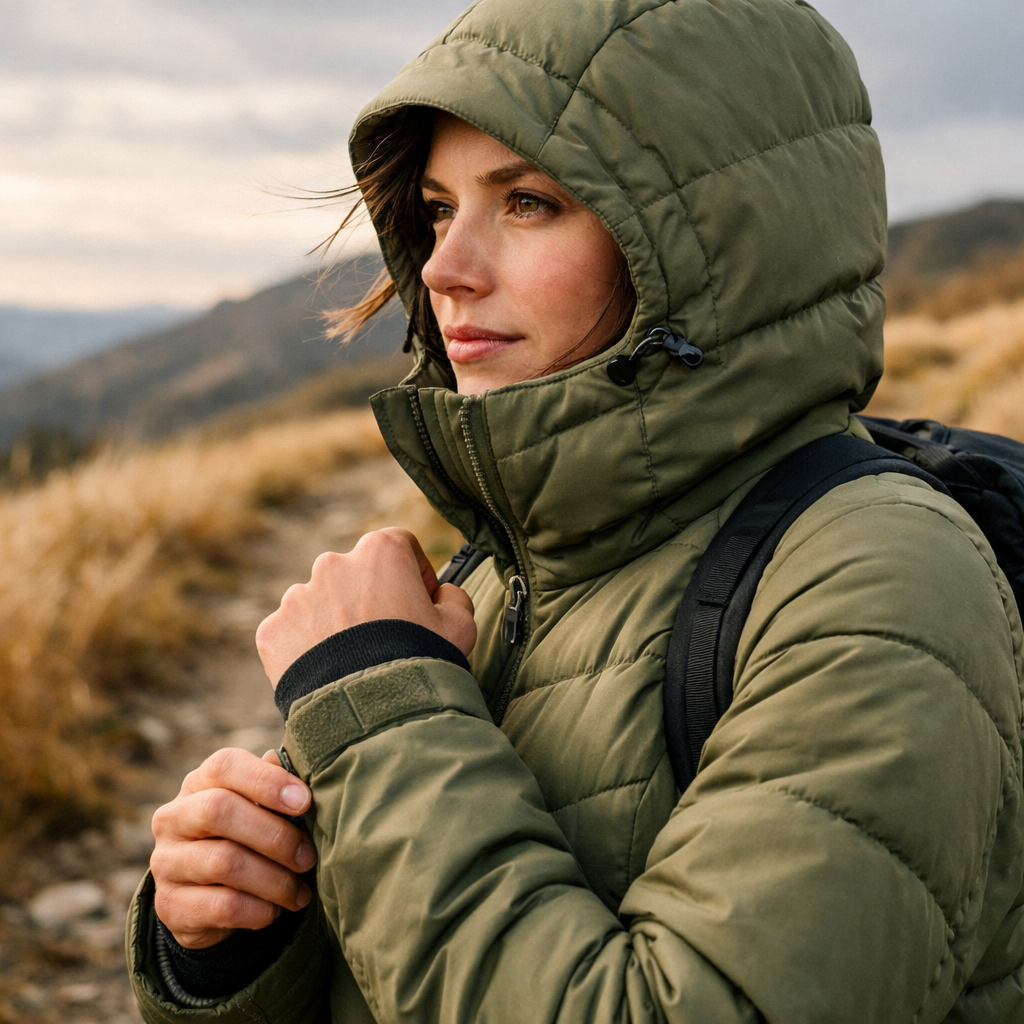
Before Winter Hits: Best Affordable Women’s Windproof Insulated Jackets
Before Winter Hits: Best Affordable Women’s Windproof Insulated Jackets
Yes—you can get an affordable women’s jacket that’s both windproof and insulated. For this guide, “affordable” typically means under $175–$300 when on sale, prioritizing value features like credible wind-blocking shells, synthetic or 600–700-fill down insulation, and truly useful cold-weather details (insulated hood, draft baffles, fleece-lined pockets). That combination delivers warmth-to-cost that works for winter hiking and daily wear.
Quick primer: windproof shells block nearly all airflow, sharply reducing heat loss on gusty days; wind-resistant fabrics slow wind but permit some air through. Hikers who face steady wind or long, cold waits should lean windproof; those who run hot or move fast can choose wind-resistant for better breathability. Below, we break down the best affordable windproof women’s jacket options and how to pick the right one for your climate, activity, and budget.
Hiking Manual
Hiking Manual curates practical, beginner-ready advice with clear fit tips, inclusive sizing notes, and eco-minded picks that won’t wreck your budget. Expect scannable lists, quick definitions, and straightforward recommendations to help you decide fast. If you want to go deeper, see our budget-focused 2025 guide to affordable windproof winter jackets for hikers (internal) and our best hiking jackets for cold weather roundup (internal).
- What we prioritize: accessible pricing, reliable wind protection, honest warmth, and durability.
- Sustainability matters: recycled synthetics, PFAS/PFC-free DWR when available, and responsibly sourced (RDS) down.
Columbia Women’s Heavenly Hoody
OutdoorGearLab calls the Heavenly Hoody “Best Warmth and Value,” with standout scores—Warmth 9.0, Comfort 9.0, Weather Resistance 8.5, Portability 3.0—highlighting its cold-weather prowess for the price see OutdoorGearLab’s women’s insulated jacket review. The synthetic insulation and tight-weave face fabric blunt wind effectively, and the typical street price hovers around $160. It thrives for everyday winter commuting and light hikes where weight and packability matter less than cozy warmth.
Pros
- Very warm for the price
- Reliable wind-blocking face fabric
- Cozy, heat-trapping hand pockets
Cons
- Bulky and less compressible
- Runs warmer, so less breathable during high-output climbs
The North Face Women’s Arctic Parka
With 600-fill down and a 35.25-inch center-back length, the Arctic Parka offers serious coverage and dependable wind and weather protection—especially good value when discounted (often $240–$350 at full price) as profiled by GearJunkie. Reviewers consistently frame it as a winter-warmth champion for blustery commutes and cold trail edges, trading packability for a longer, heat-sealing silhouette echoed by The Inertia. Expect near-windproof shell performance with a cozy interior and urban-to-trail versatility.
Patagonia DAS Light Hoody
When wind and wet roll in, weather protection can trump ultralight breathability. The DAS Light earns “Best for Weather Protection” status with Warmth 8.0, Weather Resistance 9.0, and Breathability 6.0 in comparative testing (per OutdoorGearLab). Patagonia equips its DAS line with PrimaLoft Gold Eco—synthetic insulation that stays warm even when damp and uses recycled content explained in Switchback Travel’s synthetic jacket guide. It costs more upfront, but outstanding wind resistance, efficient warmth, and storm-ready details make it a smart pick for coastal, alpine, and other high-wind use.
Arc’teryx Atom Hoody
A versatile, breathable layer built for movement. The Atom is lauded as “Best Overall insulated jacket for women,” scoring Warmth 7.0, Comfort 9.0, Weather Resistance 7.5, Breathability 8.5; it also stuffs into its chest pocket (OutdoorGearLab). It shines when you’re hiking uphill in cold wind, on shoulder-season outings, or mixing starts-and-stops where you need mobility and moderate wind defense. While not the cheapest, its durability and multi-activity utility make it cost-effective across many seasons.
Outdoor Research Coze Down Parka
For deep winter and biting wind, length and loft matter more than packability. CleverHiker names the Coze Down Parka “Best Parka for Frigid, Windy Conditions,” with an insulation blend of 95% 700+ fill-power down and 5% synthetic, a weight around 2 lb 3 oz, and a length near 43 inches see CleverHiker’s women’s winter coats guide. The long hem and wind-blocking shell lock in heat at the cost of bulk—ideal for static warmth, subfreezing nights, and windy platforms. Sizing tip: ensure enough hip/seat room for layering; check plus-size availability.
Finisterre Lapwing Parka
Looking for a mid-price parka that balances warmth, wind resistance, and durability? The Lapwing’s REI listings often range roughly $171.93–$230, putting it squarely in the affordable mid-tier see REI’s top-rated women’s insulated jackets. Expect a wind-resistant shell, synthetic insulation that holds warmth in damp conditions, and practical hood and cuff designs that seal out drafts. It’s a straightforward choice for hikers and commuters who want credible daily warmth and wind protection without premium pricing.
How to choose an affordable windproof insulated jacket
- Climate: Wet vs. dry. Wet climates favor synthetic insulation and more weather-resistant shells; dry, cold zones can maximize down’s warmth-to-weight.
- Activity level: Static vs. active. Standing around in wind calls for windproof shells and higher loft; moving fast favors breathable, wind-resistant options.
- Coverage: Hip vs. parka length. Longer hems block wind at the cost of weight and mobility; hip-length is lighter and packs smaller.
- Budget and sales timing: Watch seasonal sales to pull mid-tier pieces into an affordable range; aim for the best warmth-to-cost, not just the lowest price.
| Archetype | Warmth | Windproofing | Weight/Packability | Best for | Typical price |
|---|---|---|---|---|---|
| Budget synthetic parka | High, stable when damp | Good (tight-weave + DWR) | Heavy, not very packable | Commutes, casual hikes, windy bus stops | $120–$220 |
| Mid-price weather-protected jacket | Medium-high | Very good (robust shell/DWR) | Moderate, stuffs small | Coastal wind, shoulder-season hiking | $180–$300 |
| High-end technical piece | Medium (efficient) | Very good to excellent | Light, highly packable | Fast hiking, mixed weather, travel | $250–$400+ |
Insulation and climate
Fill power measures down loft; higher numbers (e.g., 700+) trap more air per ounce, improving warmth-to-weight, but overall warmth also depends on fill amount and construction. Synthetic insulation typically performs better when wet and often costs less, while down offers superior warmth-to-weight but usually needs a weather-resistant shell and commands a higher price (a trade-off highlighted by CleverHiker and other technical apparel reviews). For examples, Columbia’s Heavenly Hoody stands out as synthetic value in cold, breezy conditions, while Outdoor Research’s Coze Parka leverages 700+ fill-power down for deep-winter warmth.
Windproofing and shell fabrics
Windproof means the shell blocks nearly all airflow through the fabric, sharply reducing convective heat loss; wind-resistant fabric slows wind for better breathability and lighter weight but won’t seal out gusts as completely. Waterproof/windproof membranes (e.g., GORE-TEX with taped seams) deliver excellent wind blocking in snow and storms but add cost and can reduce airflow (a trade many winter parka buyers accept). For a performance benchmark, OutdoorGearLab rated the Patagonia DAS Light Hoody’s weather resistance a 9.0—solid guidance for wind-focused buyers.
Fit, sizing, and mobility
Try-on checklist:
- Reach overhead—hem shouldn’t yank above your waistband.
- Zip to the chin with the hood up—no pressure points; can you turn your head?
- Walk a few steps—does the hem cover your lower back and seat?
For plus-size and curvy bodies, confirm hip/seat circumference on parkas and use waist/hem drawcords to prevent riding up. Size for a midlayer fleece without compressing insulation so loft—and warmth—is preserved.
Features that add real warmth
Prioritize:
- Insulated, adjustable hood with a small brim
- Draft flap and zipper garage to stop wind leakage
- Adjustable cuffs or inner wrist gaiters
- Fleece-lined hand pockets you’ll use
Length trade-offs matter: longer parkas block wind better but weigh more and restrict stride; The North Face Arctic’s 35.25-inch center-back length is a good example of coverage geared for harsh wind. For quick picks:
- Commute: windproof shell, long hem, warm hand pockets
- Casual hikes: wind-resistant, breathable shell, lighter weight
- Subzero waits: parka length, high-loft insulation, snug cuffs and hem
Value, sales, and sustainability
Time your buy around seasonal sales to pull mid-tier jackets into the affordable range; REI’s mid-price listings (like the Finisterre Lapwing Parka) are a useful benchmark. Look for PFAS/PFC-free DWR and RDS-certified down where possible; some premium parkas pair durable membranes (e.g., GORE-TEX) with responsibly sourced down for long service lives. A quick sustainability checklist:
- Recycled synthetic insulation and face fabrics
- Repair-friendly designs (replaceable zippers, robust snaps)
- Durable seam construction to extend lifespan
Frequently asked questions
Are affordable windproof insulated jackets warm enough for real winter?
Yes—several budget-friendly options provide credible wind blocking and insulation; prioritize longer hems, a snug hood, and either high-loft synthetic or 600–700-fill down. See Hiking Manual’s picks above to match shell type and insulation to your conditions.
What is the difference between wind resistant and windproof?
Wind-resistant fabrics slow wind and breathe better; windproof shells block nearly all airflow and cut heat loss in gusts. Hiking Manual recommends windproof for frequent, strong winds or long static periods.
Should I choose down or synthetic insulation for wet winter climates?
Go synthetic for damp, wet conditions—it stays warmer when wet and is often cheaper. Choose down for dry, cold climates where maximum warmth-to-weight matters.
How do I get the right fit for layering without restricting movement?
Do a reach test, confirm the hood seals over a beanie, and ensure space for a midlayer without crushing loft; adjustable cuffs and a hem drawcord help fine-tune the seal.
How can I maintain windproof performance over time?
Keep the shell clean, reapply DWR when water stops beading, and tumble-dry per the label to reactivate coatings; avoid fabric softeners that can hinder repellency.