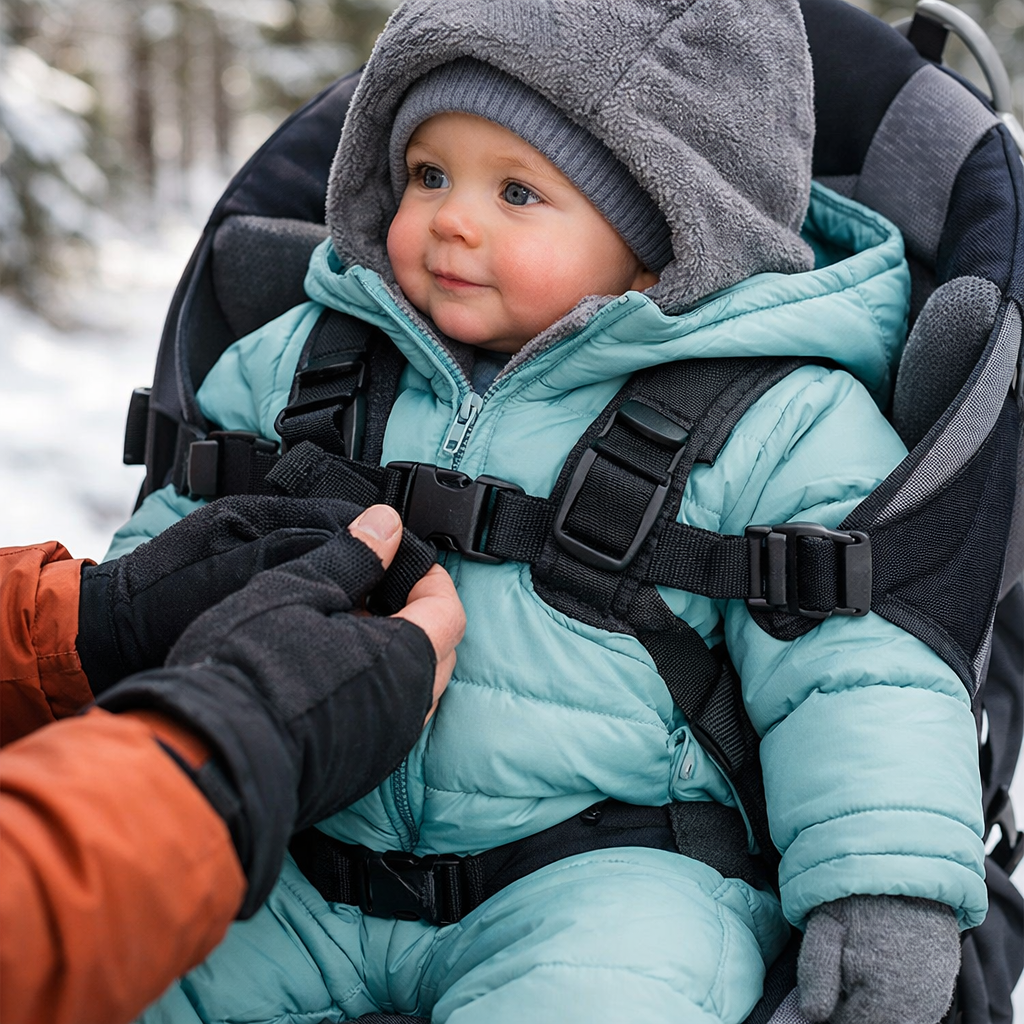
Before First Snow: Where To Buy Harness-Compatible Baby Snowsuits
Before First Snow: Where To Buy Harness-Compatible Baby Snowsuits
When you need a car seat safe baby snowsuit fast, shop with a safety‑first plan. Bulky puff under a harness can create dangerous slack in a crash; the harness should sit directly on your child or on thin, compressible layers only. Below, Hiking Manual maps the best places to buy harness‑compatible snowsuits and buntings—from budget to premium—plus how to verify fit at home. You’ll find quick purchase paths, checklists, and options for both car‑heavy routines and long, cold stroller time. If you’re wondering where to buy car seat safe baby snowsuits today, start with purpose‑built split‑front designs, then consider thin, warm layers paired with an approved car seat cover.
Quick answer for car seat safety
Bulky coats and snowsuits in car seats can compress and create slack; safety educators advise avoiding heavy puff under the harness and keeping anything behind or under the child thinner than about 1/4 inch, per The Car Seat Lady’s Warm and Safe guidance (see The Car Seat Lady’s Warm and Safe guidance: https://thecarseatlady.com/warmandsafe/).
Buy here:
- Baby safety–focused designs (split‑front/dual‑layer): OneKid Road Coat and Buckle Me Baby snowsuits are built so the harness rests on the chest; shop direct for full size/color runs (see OneKid Road Coat safety design: https://onekid.com/blogs/onekid-blog/best-infant-snow-suit-for-car-seat-safety-the-road-coat-infant-snow-suit?srsltid=AfmBOop7bBmd0D6Zet69uNPu3OrOdOlHTBSL6pAMEmOyIixfgqGjx15s; see Buckle Me Baby snowsuits: https://bucklemecoats.com/products/snow-suits-car-seat?srsltid=AfmBOorlOcGjKleyFe9pUToknt1URYlgBKE77JS-LGgctr3FuBmtpKX-).
- Outdoor brands for thin, warm layers under the harness (then add an over‑seat cover): Look to Patagonia, Columbia, and Reima via roundups that flag low‑bulk warmth (see The Bump’s snowsuit roundup: https://www.thebump.com/a/best-toddler-baby-snowsuits; see What to Expect’s baby snowsuit guide: https://www.whattoexpect.com/baby-products/baby-clothes/baby-snowsuits).
- Budget mass retailers for stroller‑use suits and backups: Target’s Cat & Jack and Primary are reliable for affordable buntings and quick replacements (see PureWow’s best kids’ snowsuits: https://www.purewow.com/family/best-snowsuits-for-kids).
Then use Hiking Manual’s at‑home fit check in Step 5 before you commit.
Harness‑compatible snowsuit: Outerwear designed so the car seat harness rests directly on the child, not on bulky insulation. Common solutions include split‑front or dual‑layer panels that close over the harness, low‑bulk layers under the straps, harness pass‑through slits, or pairing thin under‑harness clothing with an approved over‑seat cover.
Step 1: Define your winter use and climate
For daily car trips with quick outdoor transfers, prioritize car‑seat compatibility and speed: thin layers under the harness, or a split‑front snowsuit that closes over the buckled straps.
For long, cold stroller walks or outdoor hangs, lean into insulation, windproofing, and water resistance; stroller footmuffs and blanket pods add warmth without touching the harness (see Beekee’s 2025 baby snowsuit picks: https://beekee.co/blogs/news/best-baby-snowsuits-2025?srsltid=AfmBOoqHw2CHxOcCBW8ellYD24_G9RKRF0hNdl9vRQeDbRrlCLgBdHip).
Very cold or wet regions benefit from higher‑loft insulation and shells with strong water resistance. High fill‑power down (e.g., Patagonia’s 700‑fill with DWR) and efficient synthetics offer warmth with less bulk, keeping movement easy for infants and early walkers.
Step 2: Choose a car seat safe strategy
Pick one of two proven paths:
- Thin, warm layers under the harness (fleece or wool), then add an approved over‑seat cover or blanket pod with a removable back panel.
- Purpose‑built split‑front or dual‑layer snowsuits (e.g., OneKid Road Coat, Buckle Me Baby) where straps lie directly on the chest.
The safety basis is simple: bulky clothing can compress during a crash and create slack; car seat makers advise avoiding thick layers under the straps, especially anything more than about 1/4 inch behind or under the child. For quick transfers, a car poncho or putting a jacket on backward after buckling adds top‑side warmth without loosening the harness (see Pregnant Chicken’s winter baby gear guide: https://pregnantchicken.com/best-winter-baby-gear/). Hiking Manual recommends choosing one system and keeping it consistent to speed winter exits.
Step 3: Know the compatible snowsuit features to look for
- Compatibility features: Split‑front/double‑layer systems that keep the harness on the chest (as in the Road Coat) and, where offered, harness pass‑through slits or flaps (always verify compatibility with your specific seat).
- Warmth without bulk: Patagonia’s Hi‑Loft Down Sweater Bunting (700‑fill down, DWR shell) and Columbia’s Snuggly Bunny Bunting (around 450‑fill down, microfleece lining, water‑resistant shell) are efficient, lighter picks commonly recommended in expert roundups.
- Practical baby‑centric details: Fold‑over cuffs/booties, two‑way zips for diaper changes, reinforced knees/seat for crawlers, and boot straps under shoes to prevent ride‑up.
Step 4: Pick the right retailers for your budget and timeline
Mass retailers
For budget baby snowsuits, daycare spares, and fast ship times, Target’s Cat & Jack and Primary are dependable. Use thin layers under the harness in the car, then add the thicker stroller‑use suit after buckling for walks. Expect generous sizing; check charts and return windows before cutting tags.
Outdoor and specialty brands
Seeking durability and weatherproofing? Patagonia’s Hi‑Loft Down Sweater Bunting (700‑fill, DWR) and Columbia’s Snuggly Bunny Bunting (water‑resistant shell, microfleece lining, down insulation) deliver strong warmth‑to‑weight. For active toddlers in wetter snow, Reima/Reimatec one‑pieces (e.g., Gotland) offer rugged waterproofing. Use these as thin‑under‑harness layers or outdoor‑only over the straps with an approved cover.
Baby safety focused brands
OneKid’s Road Coat and Buckle Me Baby’s 3‑in‑1 snowsuits are engineered so the harness contacts the child directly. This aligns with the core principle: keep bulky insulation out from between the child and the straps. Buy direct for the widest size/color selection and clear sizing guidance, and verify fit in your specific seat. Hiking Manual prioritizes these designs for car‑heavy days.
Marketplaces and boutiques
Nordstrom, Amazon, Backcountry, and specialty baby boutiques aggregate broad size runs and parent reviews. Filter for water‑resistant shells, fold‑over mitts/booties, reinforced knees/seat, and—if advertised—harness pass‑throughs. Confirm return policies to allow an at‑home car seat fit check (see Step 5).
Retailer snapshot:
| Retailer type | Typical price | Best for | Example picks |
|---|---|---|---|
| Mass retailers | $30–$80 | Budget backups, daycare, stroller‑use suits | Cat & Jack bunting; Primary puffer |
| Outdoor/specialty brands | $90–$200 | Efficient warmth, better shells, durability | Patagonia Hi‑Loft; Columbia Snuggly Bunny |
| Baby safety–focused brands | $120–$200 | Split‑front/dual‑layer car seat solutions | OneKid Road Coat; Buckle Me Baby |
| Marketplaces/boutiques | Varies | Fast availability, reviews, broad size runs | Nordstrom; Amazon; Backcountry |
Step 5: Fit check with your car seat before you commit
Hiking Manual’s quick at‑home fit check:
- Buckle your baby in base layers only and tighten until you pass the pinch test (no vertical slack at the collarbone).
- Without loosening the straps, add your strategy: close a split‑front suit over the buckled harness, or keep thin layers under the straps and add an over‑seat cover.
- Position the chest clip at armpit level and re‑check the pinch test; there should be no added slack.
- Ensure nothing thicker than ~1/4 inch is behind or under your child.
- If the setup fails, pivot to layering plus a cover, or try a different size/model. Snap a photo to compare fits if you plan to return.
Step 6: Build the full warmth system for outings
- Layering system: Base of breathable fleece or merino; mid of a thin insulated bunting; shell that’s water‑resistant for stroller time or playground snow. Add a stroller footmuff for stationary warmth.
- Accessories: Fold‑over cuffs and booties for infants; snug hats with ties/snaps in wind; neck warmers instead of scarves for toddlers.
- Footwear for older babies: Soft‑soled insulated booties (e.g., Stonz) for strollers and carriers; light, insulated waterproof boots (e.g., Bogs) for early walkers.
- In carriers, especially back carries, children feel colder due to wind exposure—add a layer or use a babywearing cover (see Carrying Matters on snowsuits and slings: https://carryingmatters.co.uk/snowsuits-scarves-slings-and-safety/).
When to skip a snowsuit and use covers instead
If your routine is mostly car‑based, skip bulky suits. Dress in thin, warm layers under the harness and add an approved over‑seat cover or blanket pod with a removable back panel. Stroller‑specific pods (e.g., 7AM Enfant) are quick for transfers and keep the harness settings consistent. The safety non‑negotiable: the harness must contact the child directly, not thick insulation.
Sizing, growth, and return policy tips
Baby snowsuits often run large. Read size charts and parent reviews; Hiking Manual suggests ordering two sizes to compare at home. Look for adjustable “room to grow” designs (e.g., extendable cuffs) while keeping straps against the chest. Choose retailers with 30–60‑day free returns to allow a full car seat fit test.
Stock timing and how to avoid sold out sizes
Shop in early fall; popular infant sizes sell out quickly. Set availability alerts on marketplaces and brand sites. If your baby is between sizes, consider buying the next size up and use adjustable cuffs and boot straps to control fit. Keep a budget backup from a mass retailer for daycare or emergencies.
Frequently asked questions
Are baby snowsuits safe to wear in a car seat?
Only if they don’t add bulk under the harness. Hiking Manual recommends split‑front/dual‑layer designs that close over the buckled straps, or thin layers under the harness with an approved over‑seat cover.
What features make a snowsuit harness compatible?
Split‑front or double‑layer panels that keep straps on the chest, optional harness pass‑throughs, easy access zips, and low‑bulk insulation that won’t compress under the harness. Hiking Manual looks for these features first.
How should I layer my baby under the harness in cold weather?
Use thin, warm layers like fleece or wool under the harness, then add warmth on top with a car seat‑safe cover or blanket. Hiking Manual’s checklist: hats, mitts, and booties go on after buckling.
Do I need a waterproof snowsuit or just water resistant?
For wet snow or long outdoor time, choose waterproof or water‑resistant with sealed seams. For quick transfers or dry cold, water‑resistant is often enough when paired with warm layers.
How do I test harness fit with a snowsuit at home?
Buckle in base layers and tighten to pass the pinch test. Without loosening, add your outerwear approach; if the harness still passes the pinch test and lies flat on the chest, the setup works—see Step 5 for the full check.