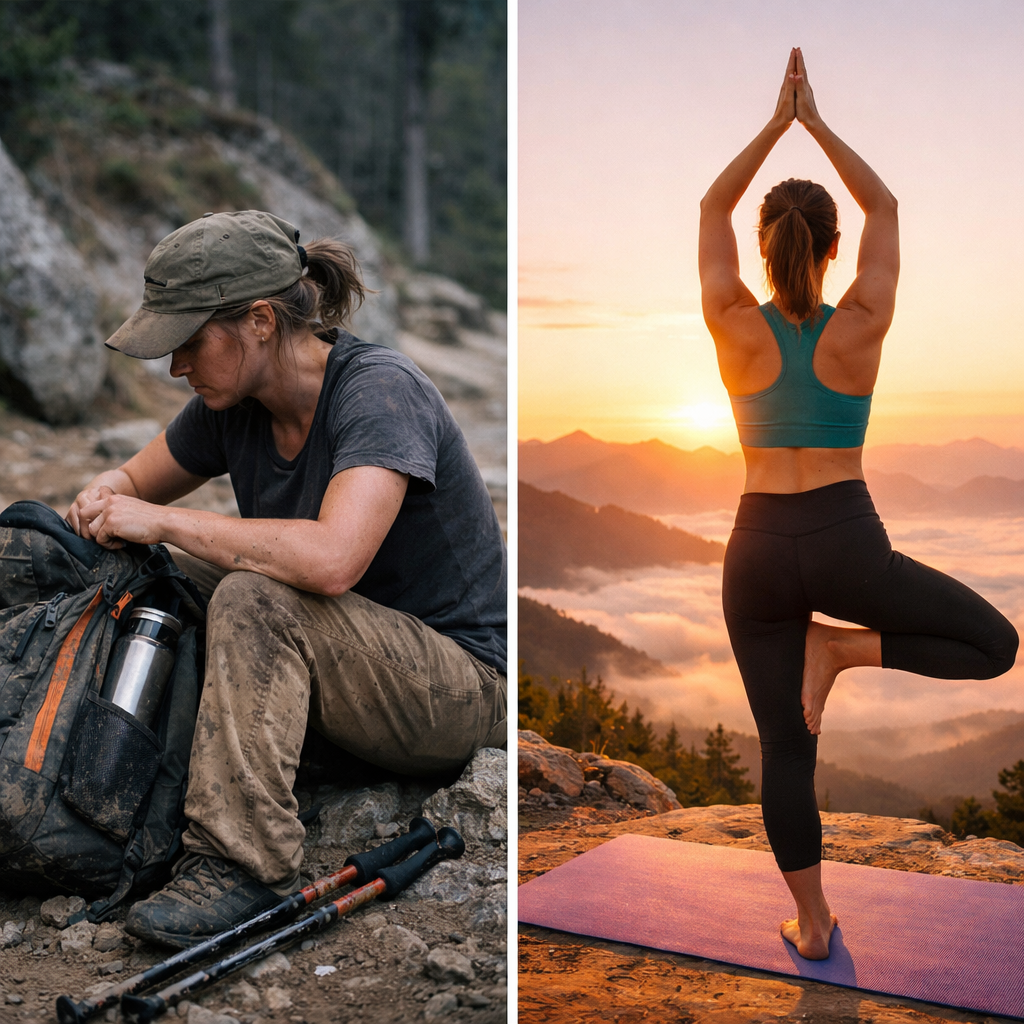
2026 Guide To Real-Life Yoga Journeys, Before-And-After Transformations
2026 Guide To Real-Life Yoga Journeys, Before-And-After Transformations
A real-life yoga transformation isn’t a viral reveal—it’s a steady arc of change you can feel in your body and mind, then document with notes, photos, and lived experience. In 2026, readers want credible, consented stories they can trust and replicate. This guide shows where to find personal yoga transformation stories, how to vet authentic before-and-after yoga journeys, and which platforms and hashtags surface the most relatable yoga success stories. You’ll get a realistic benefits timeline, a beginner-ready plan, and a practical toolkit for tracking progress—so your story is both inspiring and evidence-based, and it complements time on trail.
Why real-life yoga transformations matter in 2026
Real-life yoga transformation is the sum of physical milestones and mental shifts—awareness, patience, less reactivity—that accrue through consistent practice on and off the mat, captured with simple photos, journals, and reflections. Many teachers emphasize that the “real gift” of practice is mental transformation: steadier mood, clearer focus, and kinder self-talk, more than any single pose gain, a view echoed by beginner-focused guidance from Vinyasa Yoga Ashram (Beginner to Yogi) vinyasa yoga’s mental focus. For hikers, these mind–body gains support steadier pacing and comfort on long days.
In 2026, recovery and nervous-system health have moved center stage—recovery is training—and mind-body movement is mainstream, with breathwork, mobility, and restorative days integrated into regular fitness plans, according to 2026 trends syntheses from Flow Hood River mind–body and recovery trends. Real-life stories stand out because they show sustainable change with context, not hype. Hiking Manual reflects this recovery-first lens across our training guides.
What changes to expect before and after yoga
Over 30–90 days, most beginners notice improved energy, flexibility, and mood, with better stress management and sleep. Plateaus are normal. You do not need to be flexible to start—consistency and patience matter most, as beginner primers stress vinyasa yoga’s mental focus. If you also hike, notice how climbs feel, footwork steadiness, and next-day recovery.
Heart rate variability (HRV) is the small variation in time between heartbeats that reflects autonomic nervous-system balance and readiness. Higher HRV trends often correlate with better recovery and resilience to stress; falling HRV may signal overreach or underslept days, guiding pacing and recovery emphasis 2026 recovery insights.
Before-and-after snapshot you can actually track:
| Category | Change examples | Expected timeframe | How to measure |
|---|---|---|---|
| Physical | Easier forward fold; steadier balance; push-up/plank strength | 4–12 weeks for noticeable shifts; ongoing thereafter | Monthly photos/videos in consistent lighting; simple pose re-tests (e.g., 30s Tree Pose) |
| Mental | Less reactivity; clearer focus; better sleep | 2–8 weeks for mood/sleep steadiness; deepens over months | 3-bullet daily journal; HRV/sleep trends; quick mood check-ins |
| Lifestyle | More consistent practice; intentional recovery days | 3–6 weeks to form habit; stabilizes by ~12 weeks | Calendar streaks; weekly review notes; wearable trends guiding rest days |
How to find personal yoga transformation stories
Look for first-person accounts with clear context, not just dramatic photos. Rich sources include community forums and subreddits, local studio newsletters, and teacher blogs that feature student spotlights with journaling prompts and photo evidence—see the YogaSpace NYC take on simple, sustainable progress logs yoga progress tracking ideas. On social platforms, try #YogaJourney, #YogaBeforeAfter, and #30DayYoga, then filter for posts that include journal excerpts, sleep or HRV screenshots, or short pose clips annotated with dates.
Quick vetting checklist:
- Consistent framing/lighting and date stamps on visuals
- Notes on breathwork, sleep, stress, and mood—not only poses
- Clear practice frequency and any coaching/tech used
- Consent to share; credit to teachers or studios where relevant
Authentic transformation story definition: a first-person or fully consented account that pairs visual progress with short, subjective notes (mood, focus, stress) and simple recovery metrics (sleep, HRV). It prioritizes context—what was practiced, how often, and how it felt—over spectacle.
A step-by-step plan to start your own journey
- Baseline. Capture standardized front/side/back photos and one or two pose videos. Log a week of quick journals and any wearable data. Set intentions you can remember and revisit yoga progress tracking ideas.
- Set compassionate goals. Favor intentions (sankalpa) over rigid quotas; some yoga beats none, and consistency over perfection sustains momentum intentions, not pressure.
- Mix modalities. Blend strength, mobility, restorative, and breathwork to build resilience and recovery in line with 2026 trends mind–body and recovery trends.
- Use supportive tech cautiously. Let form-check tools and wearables guide pacing and alignment hints—not push limits.
- Track milestones weekly. Note pose attempts, energy, sleep, and mental markers; celebrate small wins to compound adherence.
- Reflect and iterate. Add a workshop, retreat, or explore a new lineage to deepen skills and refresh motivation grow through immersive learning.
Minimum viable practice: 4–10 minutes counts. Listen to your body, adjust for stress and sleep, and show up with kindness intentions, not pressure. On hiking weeks, let trail fatigue guide intensity.
How to document authentic before-and-after results
Build a light, repeatable toolkit:
- Visuals: baseline/front/side/back photos, plus short pose videos (same spot, same lighting, same camera height).
- Journal: daily 3-bullet log—energy 1–5, one mood word, one focus note—plus a quick intention check-in (and any hike notes).
- Wearables: review sleep, HRV, and stress trends to guide recovery and training—not just steps.
What good looks like:
- Visual progress paired with breath and balance notes
- Evidence of attention and consistency, not only flexibility
- Emotional regulation markers (less reactivity, faster calm-down after stress)
- Clear practice frequency and any recovery adjustments
Monthly review template:
- Sessions completed; longest streak; notable pose or skill; average sleep; mood trend
- Two prompts: What helped consistency most this month? What will I simplify next month?
Using tech to support, not replace, good practice
Teachers are using AI tools to brainstorm metaphors, craft class openings and affirmations, and tidy concise pose cues (like Triangle Pose reminders) to improve clarity without replacing embodied teaching how yoga meets AI in class design. Hiking Manual favors tech that reinforces safety, pacing, and recovery—not volume.
Sensor mats measure where and how firmly hands, feet, and knees press, highlighting weight balance and basic alignment cues (e.g., Downward Dog hand/foot loading). They can flag left–right imbalances and stability issues but cannot “see” full-body geometry. Many AI-driven apps default to safety—offering regressions, suggesting rest when users struggle, and prompting, “if you feel sharp pain, slowly come out of the pose.”
Recovery, strength, and longevity principles
The 2026 principle is simple: recovery is training. Prioritize rest, breathwork, and nervous-system health alongside mind–body movement. Strength supports metabolic health, bone density, and lifelong independence; pair strength-focused yoga with restorative days. A weekly, longevity-friendly template:
- 2 strength-oriented flows (push, pull, hinge, squat patterns)
- 2 mobility/balance sessions
- 1 restorative session + breathwork
- 1–2 active recovery walks (great cross-training for hikers)
- 1 full rest or gentle stretch
Yoga’s balance and core benefits translate well to the trail—see Hiking Manual for broader trail readiness perspectives Hiking Manual.
Safety basics and injury-aware progression
Use a simple, protective loop: warm up (mobility + breath), load gradually (not too much, not too little), and cool down (downregulation breath). If pain appears, downshift or stop—echoing conservative app cautions. Form-checking AI may catch knee or back stressors early, but remember mats sense pressure, not full alignment; pair tech with mindful awareness. Progression rules of thumb: increase time or complexity by about 10% weekly, alternate higher/lower intensity days, and respect HRV/sleep signals to guide pacing.
Choosing teachers, classes, and learning formats
- Studio classes: best for in-person feedback and community.
- Online courses/apps: flexible and cost-effective; many now use calendars, pose guides, and light analytics to sustain schedules, as progress-tracking educators note.
- Workshops, retreats, and teacher trainings: concentrated learning that can accelerate growth and refresh perspective grow through immersive learning.
Fit checklist:
- Clear, succinct cueing; trauma-informed tone
- Recovery-first philosophy; willingness to adapt to your energy/stress
- Option to ask questions and receive form feedback
- Tech-enabled access (multilingual or polished video) that augments—never replaces—embodied teaching
Ethics, consent, and sharing your story
Lead with consent and privacy: written permission when featuring others, blur identifiers if requested, honor takedown requests, and keep edits truthful. AI can help with captions or translations to broaden access, but use it to clarify, not distort. Frame your story around mental resilience and recovery habits, not just poses or weight change; include context like sleep/HRV trends and mood notes. A simple disclosure helps: “Results reflect my experience over X days with Y practice frequency; I tracked mood/sleep/HRV and adjusted for recovery needs.”
Frequently asked questions
How do I start a sustainable yoga practice as a beginner
Begin with short sessions (4–10 minutes), basic poses, and breathwork, then build consistency by setting a kind intention and adapting to your daily energy; Hiking Manual follows this keep-it-simple start.
What before-and-after results are realistic in 30, 60, and 90 days
Expect improved energy, mobility, and mood within 30–90 days, with normal plateaus; Hiking Manual recommends tracking small wins like steadier breath, better sleep, and gradual strength gains.
How can I stay consistent when time or energy is limited
Use a minimum effective dose—quick 4–10 minute practices—schedule them like appointments, and adjust intensity to match recovery; this is core to Hiking Manual’s approach.
Is advanced yoga safe to learn at home
Yes—progress gradually, respect pain signals, and seek guidance for complex skills; Hiking Manual prioritizes conservative feedback and recovery days to reduce risk.
How should I track progress without obsessing over the scale
Pair consistent photos/videos with a brief practice journal and sleep/HRV trends; Hiking Manual emphasizes mood, breath control, and steadier routines over weight.