2026 Expert Picks: Where to Buy Top-Rated Storm-Ready Insulated Parkas
2026 Expert Picks: Where to Buy Top-Rated Storm-Ready Insulated Parkas
If you’re deciding where to buy storm-ready insulated parkas, start with three clear lanes: fully waterproof Gore‑Tex parkas for wet, windy coasts; expedition‑grade down for deep cold and static exposure; and budget winter parkas or hybrids that balance price and protection for daily commutes. Expect premium Gore‑Tex to run $595–$900+ with pro features, while credible value picks land around $200–$350, per major roundups like the GearJunkie 2026 winter jackets guide and The Inertia winter jackets guide.
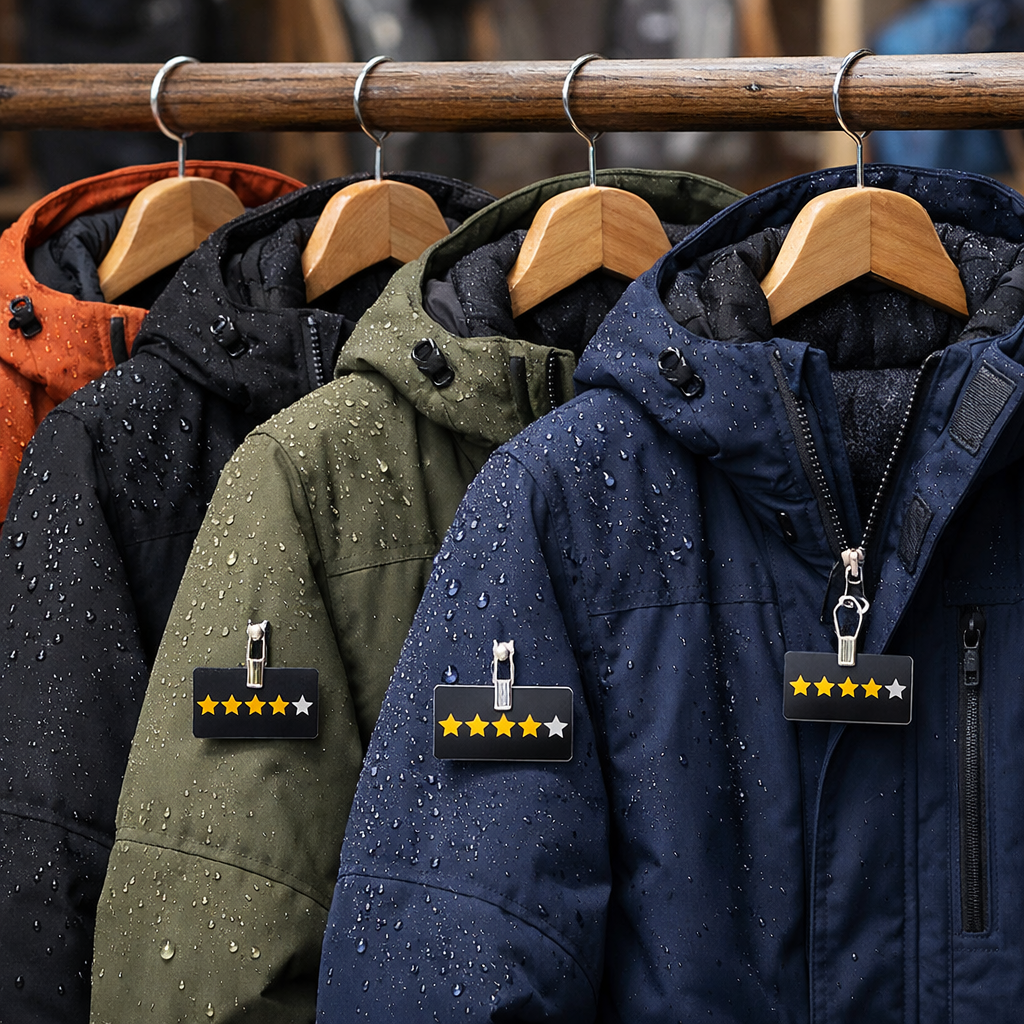
Storm‑ready parka — A winter coat combining windproof, waterproof or highly water‑resistant face fabrics with substantial insulation, sealed seams or storm flaps, and an adjustable hood to protect in sleet, wet snow, and gusts. Designs range from Gore‑Tex waterproof builds to expedition‑weight down for prolonged cold exposure.
In short: for wet climates, shop Gore‑Tex insulated builds; for frigid, dry cold, choose an expedition parka; for commuters, a budget winter parka or down/synthetic hybrid offers reliable storm protection without overspending. This guide shows exactly where to buy by need, with prices, specs, and use cases cited inline.
Hiking Manual
Our safety‑first, field‑tested picks prioritize security in real storms: durable shells, sealed openings, dependable hood/cuff/hem adjustments, usable pockets with gloves, and fits that layer cleanly without restricting movement. We serve wet‑coast commuters, static‑exposure workers, budget buyers, and cold‑weather hikers. For deeper layering guidance, see our take on cold‑weather shells at Hiking Manual’s best hiking jackets for cold weather.
Quick comparison table (key specs and best use)
| Model | Price (USD) | Insulation | Shell | Weight | Length | Best for |
|---|---|---|---|---|---|---|
| Arc’teryx Ralle Parka | ~900 | 750‑fill down | 2‑layer GORE‑TEX ePE | 30.4 oz | Thigh | Coastal wet/wind commutes |
| Patagonia Stormshadow Parka | ~899 | 700‑fill recycled down | 2‑layer GORE‑TEX recycled poly | 2 lb 9.7 oz | Mid‑thigh | Mixed precip with sustained wind |
| Outdoor Research Stormcraft Down Parka | 595 | 700+‑fill down | 150D 2‑layer GORE‑TEX canvas | 2 lb 14.6 oz | 35" CB | Snowstorms, gear‑heavy days |
| REI Co‑op Campwell Parka | ~229 | 650‑fill down + synthetic zones | DWR‑coated recycled poly | Not listed | Mid‑thigh | Value commuting/travel |
| Fjällräven Expedition Long Down Parka | ~544–680 | Expedition‑weight down | Hardwearing shell w/ DWR | Not listed | Long | Static frigid exposure |
| Mountain Hardwear Nevadan Down Long Parka | Varies | High‑loft down | Weather‑resistant shell | Not listed | Long | Stationary warmth, wind blocking |
| Columbia Landroamer II Parka | ~220 | 200 gsm synthetic | Water‑resistant shell + Omni‑Heat | 49 oz | Thigh | Budget wet/windy city use |
| Patagonia Jackson Glacier Parka | Varies | Recycled down | Weatherproof shell | Not listed | Mid‑thigh | Streamlined, variable winters |
| Carhartt Rain Defender Insulated Jacket | Budget‑friendly | 100g polyester | 100% nylon CORDURA + DWR | Not listed | Hip/Mid | Rugged workwear, broad sizing |
Where to buy appears under each pick below.
Arc’teryx Ralle Parka
Arc’teryx’s Ralle is a benchmark waterproof winter coat for wet, windy cities: a 2‑layer GORE‑TEX ePE shell paired with 750‑fill down, sleek thigh‑length coverage, and a listed weight of 30.4 oz. It’s exceptionally stormproof and polished, with the obvious con of a premium ~$900 price point (The Inertia winter jackets guide).
Best for: coastal commutes, mixed precipitation, and anyone who prioritizes staying dry over shaving ounces.
Where to buy:
- Arc’teryx online and flagship stores (fastest access to new/seasonal colors).
- Major outdoor retailers with robust Gore‑Tex inventory and easy returns.
- Expect limited seasonal color drops and tighter availability in peak winter.
Patagonia Stormshadow Parka
The Stormshadow balances wet‑weather protection and warmth with recycled materials: ~700‑fill recycled down and a 2‑layer GORE‑TEX recycled polyester shell at about $899. Third‑party roundups report strong user ratings roughly ~4.8/5, with measured heft around 2 lb 9.7 oz and ~9.1 oz of down fill, pointing to serious warmth (BetterTrail winter jackets roundup).
Best for: rainy snow, gusty bridge walks, and sustainability‑minded buyers who still want full storm protection (The Inertia winter jackets guide).
Where to buy:
- Patagonia direct for full size runs and repair/guarantee support.
- Large outdoor retailers that stock Gore‑Tex insulated parkas.
- Sustainability note: recycled shell and down can be a deciding factor for many.
Outdoor Research Stormcraft Down Parka
A value standout in the Gore‑Tex tier, the Stormcraft packs 700+‑fill down, a bomber 150D 2‑layer GORE‑TEX polyester canvas shell, a 35" center‑back length, eight pockets, dual zips with storm flaps, three hood adjustments, and cozy fleece‑lined chin/hand pockets. MSRP is $595 with a measured weight near 2 lb 14.6 oz (GearJunkie 2026 winter jackets guide; The Inertia winter jackets guide).
Best for: wet, windy commutes; recurring snowstorms; gear‑heavy days requiring organized storage.
Where to buy:
- Outdoor Research’s site for full features and sizing notes.
- Specialty retailers with Gore‑Tex expertise; try on due to the longer cut.
REI Co-op Campwell Parka
Campwell delivers standout warmth per dollar for commuters and travel. It blends ~650‑fill‑power down with recycled polyester and places synthetic insulation in wetter zones (lower body/hood) under a DWR‑coated shell to preserve loft in drizzle and slush—all at roughly $229 (Switchback Travel best winter jackets). REI’s hybrid approach shows up in the REI Co‑op Stormhenge Down Hybrid Parka too, which uses high‑fill down with a wet‑resistant shell and targeted synthetics for resilience (OutdoorGearLab best winter jackets; GearJunkie 2026 winter jackets guide).
Best for: value seekers wanting credible storm resistance without full Gore‑Tex pricing.
Where to buy:
- REI Co‑op (widest sizing, easy in‑store try‑ons).
- Expect frequent sub‑$300–$350 pricing across REI hybrids during seasonal promos.
Fjällräven Expedition Long Down Parka
For Arctic‑like cold and long periods of standing still, the Expedition Long Down Parka earns “best for frigid temps” praise, with cocooning warmth in a long, protective cut. Prices often run in the ~$544–$680 range depending on listing and season (Outside winter coats guide).
Best for: static exposure in deep cold, where extra weight is a fair trade for stable, all‑day warmth.
Where to buy:
- Fjällräven brand stores and specialty retailers.
- Check hem drawcords and length in‑store to balance mobility and coverage.
Mountain Hardwear Nevadan Down Long Parka
The Nevadan is a long, very warm parka with abundant storage that favors stationary warmth and wind blocking over agility. Reviewers highlight its “extremely warm” feel and pocket‑rich design, ideal for spectating or standing work in cold snaps (Travel + Leisure down jackets guide).
Best for: static work, spectating, and frigid commutes where mobility is secondary to warmth.
Where to buy:
- Mountain Hardwear direct and large outdoor retailers.
- Try sleeve length in person for clean glove overlap.
Columbia Landroamer II Parka
A budget‑friendly winter parka with real storm chops: approximately $220, about 49 oz overall weight, 200 gsm synthetic insulation, and Columbia’s reflective Omni‑Heat lining. It’s warm and storm‑resistant, with bulk as the primary tradeoff (The Inertia winter jackets guide).
Best for: value buyers, wet/windy city use, and those seeking broad size/color availability.
Where to buy:
- Columbia’s site and big‑box outdoor retailers.
- Watch for frequent sales and deep size runs.
Patagonia Jackson Glacier Parka
The Jackson Glacier is a streamlined, weatherproof, mid‑thigh parka that pairs clean lines with real storm utility. Compared with Stormshadow, it leans lifestyle in silhouette while staying ready for variable winters and travel days with mix‑and‑match layering (Switchback Travel best winter jackets).
Best for: wet commutes and shoulder‑season cold snaps when you want protection without a technical look.
Where to buy:
- Patagonia online and key retailers with steady, year‑round availability.
- Consistent restocks make sizing easier across seasons.
Carhartt Rain Defender Insulated Jacket
A utilitarian, affordable synthetic option built for abuse: 100% nylon CORDURA shell treated with DWR (Rain Defender), 100 g polyester insulation, many pockets, and sizes S–3XL for broad fit coverage (Treeline Review synthetic insulated jackets). It thrives in wet, windy shoulder seasons and resists abrasion on jobsites.
Best for: rugged daily use, larger builds, and unpredictable shoulder‑season weather.
Where to buy:
- Carhartt direct, workwear retailers, and farm/ranch suppliers.
- Look for frequent promotions and bundle deals.
How to choose a storm-ready insulated parka
A simple 4‑step flow:
- Climate: wet/coastal vs frigid/continental.
- Activity: static (bus stop, spectating) vs active (urban walking, short hikes).
- Insulation: down (max warmth/oz), synthetic (better when damp), or hybrid (down core, synthetic in wet zones).
- Coverage/fit: mid‑thigh+ for wind/spray, room for a midlayer, sealed openings.
Decision table (quick reference)
| Shell type | Insulation | Length | Weight | Best climate | Typical price |
|---|---|---|---|---|---|
| 2L/3L Gore‑Tex (seam‑taped) | Down or hybrid | Mid‑thigh+ | Mid‑heavy | Wet/windy coasts | $500–$900+ |
| DWR‑treated, non‑laminated | Down‑dominant | Mid‑thigh | Light‑mid | Dry/variable cold | $200–$500 |
| Rugged workwear DWR | Synthetic (100–200 gsm) | Hip–mid‑thigh | Heavy | Wet shoulder seasons | $120–$250 |
| Expedition‑grade (DWR/laminate) | High‑loft down | Long | Heavy | Frigid, static exposure | $500–$800+ |
Waterproofing and wet-weather protection
GORE‑TEX ePE (definition): A fluorocarbon‑free expanded polyethylene waterproof/breathable membrane used in some modern shells. It blocks rain and wind while allowing vapor to escape, improving comfort in mixed precipitation. Often paired with seam taping and storm flaps for reliable wet‑weather protection.
Reality check: Ralle uses a 2‑layer GORE‑TEX ePE build for full waterproofing; Stormshadow employs a 2‑layer GORE‑TEX recycled polyester shell; Stormcraft upgrades to a burly 150D 2‑layer GORE‑TEX canvas with dual storm flaps for driving snow (The Inertia winter jackets guide; GearJunkie 2026 winter jackets guide).
Guidance: Choose fully laminated Gore‑Tex for coastal/wet climates and multihour storms. Opt for DWR‑only hybrids for shorter squalls to save cost and weight.
Warmth and insulation type
Down excels at warmth per ounce when kept dry—e.g., Ralle’s 750‑fill and Stormshadow’s ~700‑fill recycled down target cold, windy days—while synthetic retains loft better when damp (Carhartt’s 100 g; Columbia’s 200 gsm) (The Inertia winter jackets guide; Treeline Review synthetic insulated jackets).
Hybrids, like REI’s Campwell and Stormhenge, put high‑fill down at the core while placing synthetic in moisture‑prone areas to protect performance if the hem or hood gets damp (OutdoorGearLab best winter jackets; Switchback Travel best winter jackets; GearJunkie 2026 winter jackets guide).
Quick picker:
- Static in sub‑teens (°F): expedition down, long cut.
- Wet 25–40°F commutes: Gore‑Tex insulated parka.
- Variable, drier cold: down‑dominant DWR hybrid.
Length and coverage for wind and spray
Longer hems block gusts and road spray. Ralle’s thigh‑length cut, Stormcraft’s 35" center‑back length, and Fjällräven’s Expedition Long all prioritize coverage that matters at bus stops and on coastal walks (The Inertia winter jackets guide; GearJunkie 2026 winter jackets guide; Outside winter coats guide).
- Recommendation: choose mid‑thigh or longer for exposed commutes; pick hip‑length only when mobility for hikes is the priority and you’ll add a shell as needed.
Hem length tradeoffs
| Hem | Pros | Cons |
|---|---|---|
| Hip | Mobility, lighter | Less wind/spray protection |
| Mid‑thigh | Balanced warmth + coverage | Slightly heavier, warmer |
| Long | Maximum warmth/wind block | Heaviest, restricts stride if too tight |
Fit, adjustability, and mobility
Look for three‑point hood adjustments, storm flaps, two‑way zippers for sitting/cycling, and fleece chin guards for comfort in sleet (Stormcraft checks all those boxes) (GearJunkie 2026 winter jackets guide). Always try on for sleeve/torso length: some models run longer or bulkier.
3‑step fit check:
- Midlayer space without compressing insulation.
- Cuff‑to‑glove overlap with arms extended.
- Full stride/sit test—hem shouldn’t ride excessively.
Value, durability, and care
Price anchors: Stormcraft $595, Ralle ~$900, Stormshadow ~$899, Campwell ~$229, Landroamer II ~$220 (GearJunkie 2026 winter jackets guide; The Inertia winter jackets guide; Switchback Travel best winter jackets).
Durability cues: higher denier shells (e.g., Stormcraft’s 150D) and CORDURA face fabrics (Carhartt) resist abrasion over seasons (GearJunkie 2026 winter jackets guide; Treeline Review synthetic insulated jackets).
Care basics: re‑apply DWR periodically; use down‑specific wash; store down uncompressed; spot‑clean zippers/storm flaps to prevent wear and leaks.
Where to buy and when to shop
Start with the Hiking Manual shortlist above to narrow options; then use the buckets below to compare stock, fit, and price.
Retailer buckets:
- Wet‑climate Gore‑Tex specialists: brand sites (Arc’teryx, Patagonia, Outdoor Research) and major outdoor retailers with strong Gore‑Tex filters and return policies.
- Expedition‑grade warmers: Fjällräven and Mountain Hardwear direct, plus specialty mountaineering shops for long cuts and fit help.
- Budget/value sources: REI Co‑op, Columbia, Carhartt, and outlet sections for sub‑$300 hybrids and durable synthetics.
Timing tips:
- Best discounts: late‑winter clearance and early spring; watch mid‑season promos around major holidays.
- In‑store try‑ons are worth it to verify sleeve/hem length and bulk; models vary notably.
Best retailers for wet-climate Gore-Tex parkas
- Start with Hiking Manual’s shortlist above, then shop Arc’teryx (Ralle), Patagonia (Stormshadow), and Outdoor Research (Stormcraft) directly, plus major outdoor retailers with robust “GORE‑TEX insulated,” seam‑taped, and mid‑thigh filters (The Inertia winter jackets guide; GearJunkie 2026 winter jackets guide).
- Before checkout: confirm hood adjustments, two‑way zipper, exterior storm flap, and cuff seals.
- Verify return windows—premium parkas merit a home try‑on with full winter layers.
Best sources for expedition-grade warmth
- Use Hiking Manual’s expedition‑leaning picks above to shortlist, then look to Fjällräven Expedition Long and Mountain Hardwear Nevadan for frigid, low‑activity conditions (Outside winter coats guide; Travel + Leisure down jackets guide).
- Prioritize: long hems, insulated draft tubes, baffle quality; accept extra weight for stable warmth.
- Confirm return policies to test walking range, stairs, and sitting with long hems.
Budget-friendly options and sizing availability
- Hiking Manual’s budget picks—Columbia Landroamer II (
$220) and REI Campwell ($229)—deliver warm, storm‑resistant performance for commuters at friendly prices (The Inertia winter jackets guide; Switchback Travel best winter jackets). - Add Carhartt Rain Defender (CORDURA, S–3XL) for rugged daily use and broad sizing (Treeline Review synthetic insulated jackets).
- Watch seasonal sales/outlets; prioritize sleeve length and bulk during try‑ons.
How we test and what matters for safety
Our field protocol mirrors real storms and commutes:
- Waterproofing integrity in sustained wet.
- Wind sealing at hood/cuffs/hem; storm‑flap reliability and zipper snag resistance.
- Warmth retention against windchill and spray.
- Mobility with a midlayer; sit/stride/step tests.
- Pocket utility with gloves; weight vs coverage balance.
- Abrasion durability after pack straps and doorframe brushes.
We always quote practical specs—price, weight, length, insulation, shell—and pair them with field context so you can buy once, safely. When safety is on the line, we favor the more protective option over small savings.
Frequently asked questions
What makes a parka storm-ready?
It combines a waterproof or highly water‑resistant shell, sealed seams or storm flaps, windproof construction, substantial insulation, and an adjustable hood. Hiking Manual checks for those details in every pick.
How warm should my parka be for my climate?
For wet 25–40°F coastal winters, choose a Gore‑Tex insulated parka; for very cold, drier climates or long static exposure, pick high‑fill down in a longer cut. Use Hiking Manual’s quick picker above to match insulation to your climate.
Is down or synthetic better for wet winter storms?
Synthetic retains warmth better when damp; down is warmer per ounce if kept dry. Hiking Manual often recommends hybrids for mixed conditions.
How do I get the right fit for layering and movement?
Allow room for a midlayer without compressing insulation, confirm sleeve‑to‑glove overlap, and test walking, sitting, and stairs. Follow Hiking Manual’s 3‑step fit check above.
When is the best time to buy for the lowest price?
Late‑winter and early‑spring clearance sales usually offer the steepest discounts, with holiday promos mid‑season. Use our checklists to prioritize storm‑critical features over small savings.