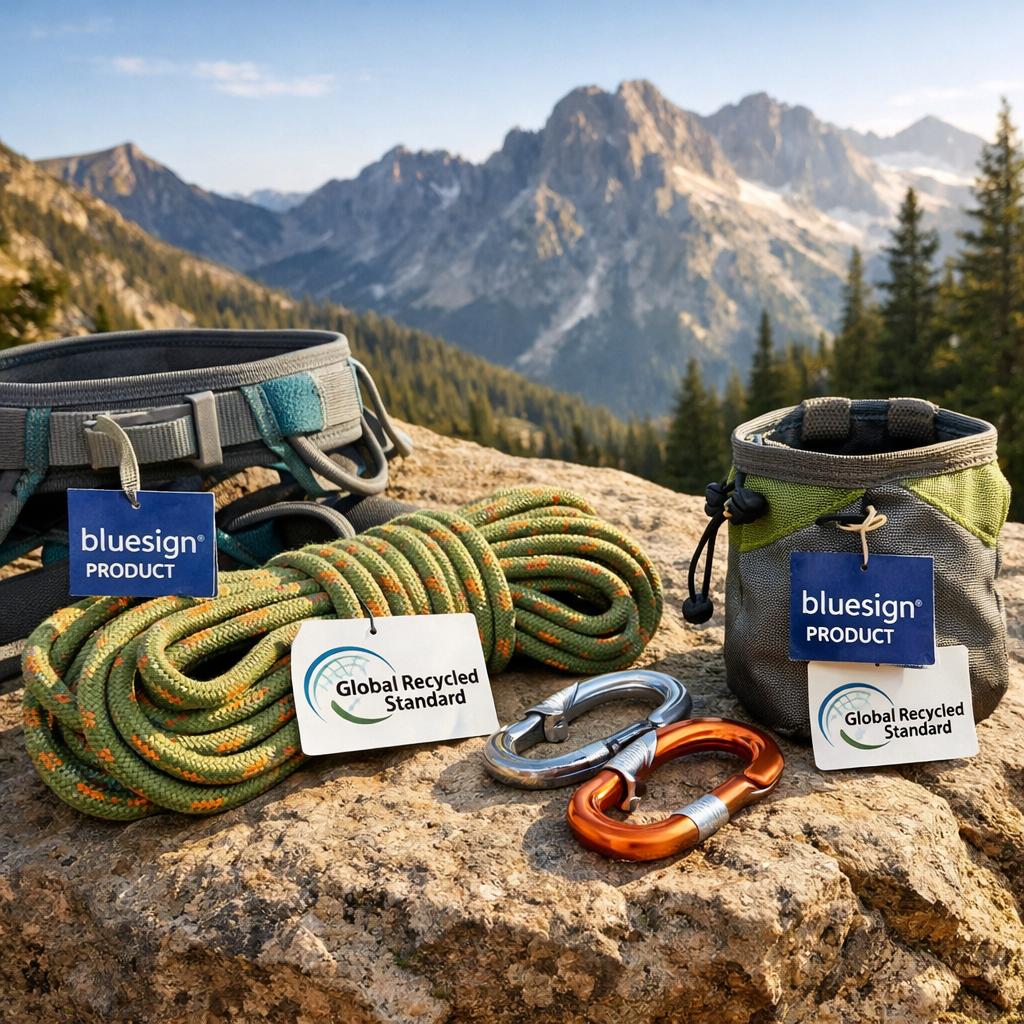
12 Expert-Approved Eco-Friendly Climbing Gear Picks With Trusted Certifications
12 Expert-Approved Eco-Friendly Climbing Gear Picks With Trusted Certifications
We vetted 12 climbing essentials that advance sustainability without compromising safety by prioritizing third-party certifications, documented recycled or bio-based content, durability and repair pathways, and credible take-back efforts. Examples include a belay parka made with 100% recycled down and fabrics, helmets molded from recycled rope waste, and harnesses built with bluesign-approved textiles, as independently reported by Cool of the Wild, the Toronto Climbing Club, and Climbing Magazine. To keep the footprint honest, each pick favors proven performance and real-world availability over green hype.
How to use this list: adopt one certified upgrade at a time—and consider quality used options to stretch your budget and reduce impact, a strategy highlighted in Climbing Magazine’s gear-sustainability analysis.
Hiking Manual
We make responsible climbing simpler for beginners: step-by-step route planning, GPS-ready loop routes, offline maps, and gear picks that balance value, safety, and environmental progress. This short list prioritizes durability, verified recycled content, and third-party certifications over buzzwords. Looking to build skills while cutting emissions? Explore our planning tutorials on permits and timed entries, and use traffic-free cycling as cross-training for long approaches. Every recommendation here follows that standard.
Mountain Equipment Earthrise Jacket
This insulated belay layer blends trustworthy warmth with a clear materials story: the Earthrise uses 100% recycled down and 100% recycled face and lining fabrics, with roughly 107 g of reclaimed 650-fill down providing dependable loft for chilly belays and dawn approaches, per Cool of the Wild’s sustainable gear roundup.
Recycled down is reclaimed feather insulation recovered from post-consumer or post-industrial sources, then sanitized, sorted, and reprocessed. When properly graded and treated, it delivers warmth and compressibility on par with virgin down while reducing waste and demand for new raw materials.
Mini spec box:
- Warmth-to-weight: 650-fill recycled down packs small but insulates well for static duties
- Recycled content: 100% recycled fabrics and down
- Care tips: wash sparingly with down-specific soap; dry low with clean tennis balls; store uncompressed
Edelrid Tommy Caldwell Pro DuoTec 9.6 mm Rope
A modern lead line that exemplifies the “safety first, lower impact second” balance. The 70 m version features Thermo Shield treatment for consistent handling and absorbs less than 2% water under test conditions—reducing freeze risk and maintaining dynamic performance in wet or icy environments, as noted in third-party gear briefs.
Water absorption rating indicates how much water a rope takes on in standardized testing; lower percentages help preserve impact force characteristics, prevent sheath stiffening, and improve cold-weather handling. Edelrid’s broader Built to Last approach, covered in Climbing Magazine’s deep-dive, emphasizes long lifespans—including using steel in certain hardware to extend service life—so you replace less, less often.
Edelrid Eco Boa and Eco Ropes
If you want an accessible “first eco rope,” Edelrid’s Eco lines use part-recycled yarns and reduce reliance on legacy fluorinated treatments where possible—credible steps for daily cragging and gym mileage. You still get consistent handling, abrasion resistance, and diameters familiar to newer climbers.
PFC/PFAS-free means a product avoids per- and polyfluorinated chemicals often used for water repellency. These persistent “forever chemicals” resist environmental breakdown and can bioaccumulate. Newer chemistries aim to deliver water resistance with fewer health and ecological concerns than legacy fluorinated treatments, making them preferable when performance needs allow.
Quick comparison list (example profiles):
- Eco Boa 9.8: moderate diameter; partial recycled sheath content; basic non-fluorinated finish; best for gym and single-pitch
- Eco 9.6: lighter lead line; partial recycled sheath; upgraded dry-on-sheath alternatives; best for sport redpoints
- Eco 10.0: durability-first; partial recycled sheath; minimal chemical add-ons; best for top-roping and groups
La Sportiva Cobra Eco Shoes
Cobra Eco integrates recycled components and low-impact dyes while retaining the snug, slipper-style fit boulderers and gym climbers love—proving you don’t have to trade precision for progress, as outlined in beginner-oriented gear guides.
Care and repair to extend life:
- Resole when the front rubber thins to a credit-card edge; don’t wait for a hole
- Keep rubber clean with a damp cloth; avoid solvents
- Store cool and dry; never bake shoes in a hot car
Pros:
- Sensitive fit and solid grip for volumes and smearing
- Recycled content story without major performance tradeoffs
Cons:
- Slipper closure not ideal for wide feet
- Thin midsoles demand precise footwork
ORGANIC Climbing Chalk Bag
Handmade in the USA from upcycled fabric scraps, these chalk bags pair long-wearing 1000D Cordura with a soft fleece liner. The brand has operated with near-zero-waste intent since 2004 by turning sewing offcuts into new products, and even uses soy-based polymers in open-cell foams for pads to reduce petroleum reliance—tangible, long-horizon choices that add up season after season.
Upcycling turns surplus or discarded materials into new products of equal or greater value without being reprocessed into raw feedstock. It diverts waste, preserves the energy invested in making those materials, and often yields durable, unique items by elevating high-quality offcuts that would otherwise be landfilled.
Petzl Neox Belay Device
Small, high-touch items matter too. The Neox incorporates recycled plastic in its design without changing the reliable catch-and-feed behavior climbers expect from assisted devices.
Safety sidebar:
- Match device to rope diameters in the instructions
- Practice lowering and catches at ground level before live belays
- Keep carabiner orientation consistent and avoid cross-loading
Recycled plastic refers to polymers reprocessed from post-consumer or post-industrial waste into new components, reducing reliance on virgin resin and closing materials loops.
Edelrid Zodiac 3R Helmet
A milestone in circular design for helmets: the Zodiac 3R’s hard shell is molded from 100% recycled climbing rope production waste, and its EPS inner foam is also fully recycled—demonstrating that impact-protective structures can incorporate reclaimed streams while meeting standards, according to the Toronto Climbing Club’s sustainability brief.
EPS (expanded polystyrene) is a lightweight crushable foam engineered to dissipate impact forces in a single event. Recycled EPS reuses material streams while maintaining the density and energy-absorption properties required for certified helmet performance.
Usage guidance:
- Retire after any significant impact, visible cracks, or foam deformation
- Inspect buckle, straps, and shell before every trip
- Store cool and dry; avoid UV and chemicals
Edelrid Sendero and Autana Harnesses
These versatile all-around harnesses use bluesign-approved textiles, signaling cleaner chemistry and resource controls in manufacturing—one of the most credible sustainability markers available for textile-heavy climbing gear, and regularly called out in Earth Month gear coverage.
Bluesign is a third-party system that evaluates chemicals, materials, and processes to reduce pollutants and resource consumption in textile supply chains. Products using bluesign-approved fabrics indicate lower environmental impact from dyeing and finishing through assembly while maintaining end-use performance and safety.
Fit checklist:
- Waistbelt: 3–5 inches of overlap after double-back
- Leg loops: enough adjustability for layers
- Racking: gear loops sized for your cams, draws, and a tag line loop if needed
Petzl Luna Harness
A mainstream workhorse updated with substance: the latest Luna uses 100% recycled polyester in the waistbelt and leg loops while retaining the comfort and certifications multipitch climbers trust. Expect a supportive waist, adjustable rise for sit comfort, and ample racking for big days.
Fit and use notes:
- Distribute padding evenly; check rise adjustment for hanging belays
- Match racking to your route’s protection style; add a small caritool for ice or aid
One-line callout: while textiles can be recycled or downcycled, metal hardware often cannot be recycled through curbside streams—separate parts at end-of-life and follow brand guidance.
Kush Climbing Crash Pads
Built for impact protection and impact reduction: Kush pairs durable hemp with Regen nylon made from recycled fishing nets. For every roughly 2,200 pounds of Regen nylon produced, reported CO emissions drop by about 4,600 pounds compared with conventional nylon—an emissions win backed by industry analyses of recycled feedstocks.
Hemp is a fast-growing fiber requiring less water than cotton, with natural durability, antibacterial tendencies, and odor resistance—useful traits for rugged outdoor softgoods that see dirt, sun, and sweat.
Longevity tips:
- Store out of direct sun to slow UV degradation
- Rotate and flip foam periodically to even out compression
- Patch small shell tears early with a repair tape or sewn patch
ZIGZAG Impact and Biodegradable Chalk
Chalk choices can trim plastic and visual impact. ZIGZAG positions its Impact Chalk as “chalk that helps remove plastic from the ocean,” pairing magnesium carbonate with waste-reduction goals surfaced in Earth Month gear coverage. Look for biodegradable liquid chalks in refillable bottles for gym days to minimize dust and packaging.
Chalk comparison mini table:
| Product/type | Packaging | Refill options | Environmental claim | Best setting |
|---|---|---|---|---|
| ZIGZAG Impact (loose) | Recyclable bag/tub | Bulk refills where available | Supports ocean plastic removal initiatives | Outdoor boulders/sport |
| Biodegradable liquid chalk (generic) | Refillable bottle | Bulk jugs | Biodegradable carrier, reduced dust | Indoor gyms, windy crags |
Etiquette:
- Brush holds after attempts, especially outdoors
- Use less chalk than you think; pack out empties and tape
Rab Mythic Ultra Sleeping Bag
Crag-campers wanting ultralight warmth can still choose better materials: the Mythic Ultra 200 uses all recycled fabrics in a design prized by gram-counters, as highlighted in Earth Month roundups. Pair with a liner to keep oils off the baffles, and store uncompressed between trips.
Quick fit/use box:
- Temperature context: EN/ISO lower limit is for curled, layered sleepers; comfort is warmer
- Shoulder girth: ensure room to rotate without compressing insulation
- Zipper side: match your tentmate and belay-arm preference
- Pack size: verify it fits your climbing pack with rope and hardware
How to choose sustainable climbing gear
A four-step selection flow:
- Verify certifications or credible claims (bluesign-approved textiles, PFAS-free DWR, documented recycled content with percentages).
- Check materials for recycled or bio-based inputs that make sense for the item.
- Confirm durability, repair, and take-back support (resoling, spare parts, rope recycling).
- Ensure performance parity and safety for your routes and conditions. Hiking Manual applies this four-step filter to the gear we feature.
Decision table (what to check by category):
| Category | Key certifications/signals | Recycled content targets | Lifespan considerations |
|---|---|---|---|
| Ropes | UIAA/CE safety; PFAS-free finishes when feasible | Recycled sheath yarns where offered | Retire by falls/age; store clean/dry; consider recycling |
| Harnesses | Bluesign-approved textiles; CE/EN labels | Recycled polyester/nylon webbing | Inspect belay loop/webbing; replace on visible wear |
| Helmets | CE/EN; material transparency (recycled shell/EPS) | Recycled shell/EPS where certified | Retire after impact; avoid UV/chemicals |
| Apparel/insulation | Bluesign; PFAS-free DWR; RDS/GRS where relevant | Recycled nylon/polyester; recycled down | Wash/reproof to extend life; repair small tears |
| Pads/softgoods | Recycled or bio-based shells/foams | Recycled nylon; hemp blends | Rotate foam; patch early; store out of sun |
| Chalk | Biodegradable carriers; reduced plastic | Refill-ready packaging | Use sparingly; brush holds; pack out waste |
Certifications and labels to trust
Bluesign remains the clearest textile signal; major climbing brands like Black Diamond, Petzl, MEC, and Mammut incorporate bluesign-approved fabrics in select products, as collated by the Toronto Climbing Club. Also look for precise recycled-content percentages, PFAS-free labeling on DWR, and published repair/recycling programs. Tip: verify claims on product pages and brand sustainability hubs—specific numbers and third-party audits beat vague “eco” language. Where available, Hiking Manual calls out these specifics in our picks.
Materials with lower impact
Lower-impact picks include recycled nylon and polyester for shells and webbings, recycled down for insulation, and hemp blends for durable softgoods with odor resistance. The materials revolution in climbing continues to mature, with recycled rope shells and even helmet components entering the market, alongside hemp in pads and apparel, as profiled by innovation trackers at Monkeytail Climbing.
Pros and cons at a glance:
- Recycled synthetics: strong, abrasion resistant; may have slightly lower dye uniformity
- Bio-based fibers (hemp): durable, breathable; heavier than ultralight synthetics
- PFAS-free DWR: avoids persistent chemicals; may require more frequent reproofing than legacy DWR in severe, prolonged rain
Durability, repair, and take-back programs
The most sustainable product is the one you don’t need to replace. Climbing Magazine’s analysis emphasizes durability-first design and repairability—echoed by Edelrid’s Built to Last stance. When retirement does come, Sterling and others offer programs to upcycle or recycle old dynamic ropes. Choose gear with resolable shoes, replaceable webbing, spare parts, and brand take-back options.
Performance parity and safety checks
Eco gains should never erode safety. Many models now match conventional performance, though prices can run higher—so replace one critical item at a time. Safety checklist:
- Ropes: impact force, fall rating, diameter/handling, water absorption
- Helmets: certified standards, snug fit, no hot spots
- Harnesses: certification labels, proper fit and overlap, intact belay loop Always read spec sheets and, if upgrading, compare to your current gear’s ratings.
Beginner buying tips and budget planning
A realistic roadmap:
- Start with one certified upgrade that touches safety or sees constant use.
- Target high-wear items next to maximize impact per dollar.
- Lean on used markets and repairs for non-life-safety gear.
Mini budget table (illustrative):
| Item | Eco premium estimate | Expected lifespan gain | Resale/repair options |
|---|---|---|---|
| Rope with partial recycled sheath | +10–20% | Similar lifespan; better handling when dry-treated | Recycle at end-of-life |
| Bluesign harness with recycled webbing | +10–15% | Equal; replace only on wear | Replace gear loops/webbing if brand-supported |
| Recycled-shell helmet | +0–10% | Equal; depends on impacts | Retire after impact; no resale |
| Resolable shoes | +0–10% | 1–2 resoles can double life | Resole; sell lightly used pairs |
| Upcycled chalk bag | +0–5% | Multi-year durability | Patch seams; easy resale |
Start with one certified upgrade
Begin with a rope, harness, or helmet that carries bluesign-approved fabrics or documented recycled content with full safety certifications. Incremental transitions avoid waste and smooth out costs; consider used options for non-life-safety items like pads, packs, and apparel.
Prioritize high-wear items
Focus first on shoes (resoling potential), ropes (abrasion), chalk bags (daily cycles), and crash pads (foam compression). Maintenance that matters:
- Brush shoe rubber clean; resole early
- Keep ropes off grit; coil loosely; avoid edge drag
- Patch pad shells promptly; rotate foam cores
Buy used, repair, and resole
Normalize circular habits: buy used for apparel, pads, and packs; resole shoes to double service life; use patch kits to extend softgoods; and tap rope take-back programs when it’s finally time to retire a cord.
Field care to extend gear life
Simple routines can dramatically cut your footprint by delaying replacement cycles. Build habits for cleaning, reproofing, chalk control, and safe storage—and hold to clear retirement criteria for safety gear.
Simple wash and reproof routines
Wash technical shells and insulation with sport detergents; rinse thoroughly. For down, tumble dry low with clean tennis balls to restore loft. Restore DWR by cleaning first, then applying PFAS-free spray- or wash-in treatments as needed; low heat helps set finishes.
Chalk management and crag etiquette
Use refillable chalk containers, apply lightly, and brush holds after attempts. Outdoors, minimize visible chalk, respect closures, and pack out all trash, tape, and empty packaging.
Storage, inspection, and retirement
Monthly check:
- Ropes: feel for soft spots, inspect for sheath glazing or cuts
- Helmets: look for cracks, dents, or compressed foam
- Harnesses: examine webbing abrasion, tie-in points, belay loop Store clean and dry, away from UV and chemicals. Retire any item after a major impact or per manufacturer timelines.
Planning greener climbing days
Gear is only part of the picture. You can further reduce impact by choosing quieter trailheads, planning efficient loop routes, using offline navigation, carpooling, and cycling for adjacent training days.
Choose low-traffic trailheads and loop routes
Research alternate access points and stitch together loop routes to disperse use and avoid backtracking. Validate with Hiking Manual or surface-aware apps like Komoot, OsmAnd, or Strava. Loop planning checklist:
- Confirm distance/elevation for your party
- Mark bailout options and water sources
- Note shade/sun exposure and cliff aspect
Set up offline maps and GPS-ready routes
Five-step workflow:
- Download basemaps for your area
- Save GPX tracks and key POIs
- Set waypoints for cruxes, rappels, water
- Enable offline routing and test in airplane mode
- Save battery with lower screen brightness, reduced GPS sampling, and a small power bank Hiking Manual includes downloadable GPX-ready loop routes and offline maps to streamline this setup.
Carpooling and adjacent low-impact training
Use partner boards and group chats to carpool. On non-climbing days, build aerobic base on traffic-free paths—sprinkle in hill repeats to mimic approach climbs without driving.
Frequently asked questions
What does bluesign approval mean for ropes and harnesses?
Bluesign approval indicates materials and processes were screened to reduce harmful chemicals, resource use, and pollution while maintaining performance. Hiking Manual flags bluesign-approved fabrics in our picks.
Are PFC or PFAS-free treatments worth it for climbing apparel?
Yes. Modern PFAS-free DWRs work for most use; for sustained rain, rely on layering and regular cleaning/reproofing. Hiking Manual notes PFAS-free finishes on products we recommend when brands publish them.
How do I verify recycled content claims on product pages?
Look for specific percentages, material names, and independent audits on the product page or brand sustainability hub. Hiking Manual cites these figures when sources are available.
Is eco-friendly climbing gear as durable and safe as standard options?
Many models now match conventional performance and safety ratings—confirm by checking specs and certifications for your use case. Our lists prioritize certified options with proven performance.
What should I do with retired ropes, shoes, and hardware?
Send dynamic ropes to brand recycling programs, resole structurally sound shoes, and retire any damaged or impact-stressed hardware; repurpose non-safety items for utility tasks. See Hiking Manual’s care and retirement checklists above.