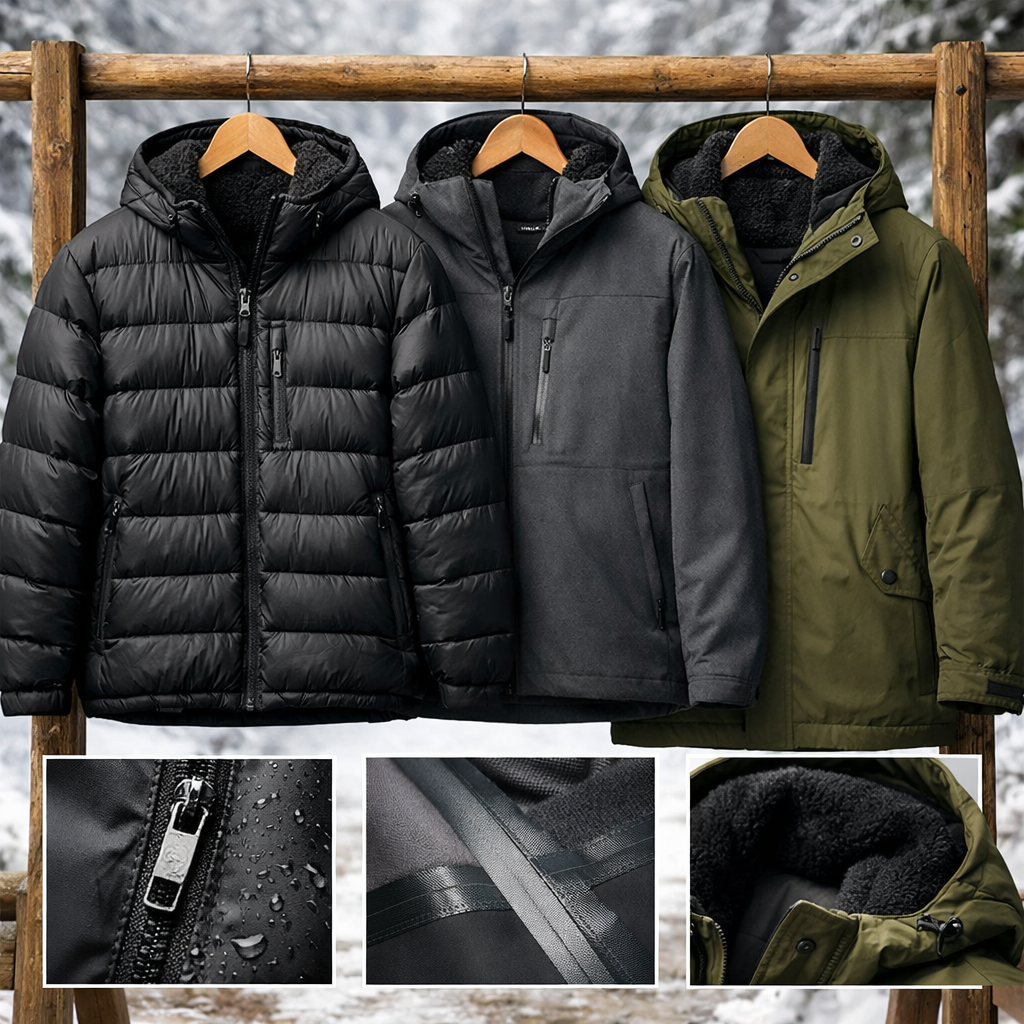
10 Best Sites to Buy Stylish, Functional Men's Winter Jackets Online
10 Best Sites to Buy Stylish, Functional Men’s Winter Jackets Online
Buying from the right retailer makes it easier to find men’s winter coats that look sharp and perform on cold, wet days—plus you get better stock, clear specs, and return policies that let you test at home. Below are the best sites to buy stylish men’s winter jackets online, from warm men’s parkas to waterproof parkas and alpine-ready pieces, with Hiking Manual’s hiker’s-eye take on quality and performance.
| Retailer | Selection Focus | Price Range | Key Strengths |
|---|---|---|---|
| REI | Technical to casual, broad brand mix | $–$$$ | Tested models; generous returns; smart filters |
| Backcountry | Performance-first brands and pro picks | $$–$$$$ | Deep inventory; gearhead advice; strong sale section |
| Patagonia | Durable, sustainability-forward pieces | $$$ | Weather protection; repairs/warranty; timeless styles |
| Arc’teryx | Alpine performance and precise fits | $$$$ | Premium materials; dialed hood/fit geometry |
| The North Face | Style-forward with functional options | $$–$$$ | Triclimate modularity; city-to-trail versatility |
| Canada Goose | Luxury, maximum warmth parkas | $$$$ | Extreme warmth; craftsmanship; cold-commute focus |
| L.L.Bean | Value-rich, size-inclusive classics | $–$$$ | Approachable pricing; wide sizing; dependable warmth |
| Cotopaxi | Colorful, sustainability-led designs | $$–$$$ | City-ready aesthetics; weather-ready essentials |
| Fjällräven | Heavy-duty protection, outstanding pockets | $$$ | Wind-blocking coverage; organization; durability |
| Amazon | Massive marketplace, fast delivery | $–$$$ | Broad sizing; quick price checks; try-at-home ease |
Hiking Manual
We prioritize functional performance first—warmth-to-weight, weather resistance, fit and coverage, and daily usability (pockets, zips, adjusters). We evaluate retailers by their tech-forward selection, tested models, transparent specs (fill power, insulation weight, waterproofing), reliable returns, and in-stock sizes. We pair trail use with straightforward spec checks so you can make apples-to-apples comparisons.
Warmth-to-weight is the ratio of thermal insulation you get relative to the jacket’s mass. Higher warmth-to-weight means more heat for fewer ounces, so you stay mobile without sacrificing comfort. Premium down leads here, but shell fabrics, baffles, and fit also influence real-world performance.
Evidence-based trends are clear: premium down leads for warmth-to-weight but loses loft faster when wet; synthetics and hybrids hold heat better in damp weather; casual parkas add coverage and storage with more bulk, which can suit low-activity days, as shown in OutdoorGearLab’s 2024 jacket tests and in multi-outlet testing like Travel + Leisure’s men’s winter coats review.
REI
REI is a prime first stop for stylish, functional winter jackets thanks to broad brand coverage and excellent return policies. The REI Co-op Stormhenge Down Hybrid regularly earns Best Value/Best Overall nods, combining 850-fill-power down with strategic synthetic insulation for damp-weather performance, as highlighted in CleverHiker’s 2024 men’s winter coats guide. Shop smart by filtering for fill power, waterproofing (membrane vs. DWR-only), and length (hip vs. mid-thigh). Compare REI Co-op value picks to premium labels like Arc’teryx and Rab, then use member reviews and the generous return window to validate warmth, weather resistance, and construction at home.
Backcountry
Backcountry’s deep inventory and expert curation make it easy to find alpine-ready down and hybrid parkas. Start with editor-curated pages, then compare weight specs and any hydrophobic down claims against known benchmarks (for instance, high-performance pieces often carry around 7.5 oz of 800-fill down). BetterTrail’s winter jacket roundup is useful for cross-checking specs and silhouettes. Put similar styles side-by-side—urban parkas vs. belay-style puffies—and check center-back length for coverage. Don’t skip the sale sections for last season’s colors on premium jackets.
Patagonia
Patagonia builds durable, sustainability-forward winter jackets that excel in weather protection. The Jackson Glacier has earned standout Weather Resistance and high construction scores in independent testing (noted by OutdoorGearLab), while the Tres 3-in-1 shines for versatility: wear the shell, the liner, or both depending on conditions. When shopping, weigh casual parkas (Jackson Glacier, Tres 3-in-1) versus technical pieces, and size with room for a thermal base layer and a midweight fleece without creating cold air gaps.
Arc’teryx
Buy direct from Arc’teryx if you prioritize premium materials, precise fits, and mountain-ready features. Models like the Nuclei SV deliver warm synthetic insulation that thrives in wet climates, while the Thorium uses mapped Coreloft in exposure zones to bolster moisture resilience—both highlighted in GearJunkie’s best winter jackets. Choose down vs. synthetic by expected wetness and your weight target (many performance-focused pieces land around 1–1.5 lb). Cross-check center-back length and helmet-compatible hoods if you’ll hit the mountains.
The North Face
The North Face blends street-ready style with solid function. Parkas like the McMurdo offer approachable pricing, warm insulation, and serious coverage; for slush-heavy cities, prioritize models with waterproof-breathable shells. If you want one do-it-all setup for commuting and light hiking, TNF’s Triclimate systems are modular and convenient. Compare insulation specs (e.g., 650–700 fill down) and hem length for cold-weather commuting, as summarized in Business Insider’s men’s winter coats guide.
Canada Goose
Canada Goose is the splurge choice for maximum warmth and craftsmanship. The Langford Parka frequently earns Best Splurge recognition for build quality and a protective hood (as reported by OutdoorGearLab). Balance climate and activity: these parkas are excellent for deep cold and low exertion but are often 3+ lb and bulkier than performance-first down options. Review care instructions and warranty terms before committing.
L.L.Bean
L.L.Bean delivers value-rich, size-inclusive classics. Travel + Leisure named the Baxter State Parka Best Overall around $350, noting its 650-fill-power down and cozy touches like fleece-lined collar and pockets. Use Bean’s wide size ranges and multiple colorways to dial fit and style, and compare coverage lengths (hip vs. mid-thigh) for wind protection. This is an easy recommendation for dependable warmth and everyday utility at approachable prices.
Cotopaxi
Cotopaxi’s niche is colorful, sustainability-forward designs with credible weather performance. The Calidez Down Parka has been recognized as Best Waterproof near the $400 mark by Travel + Leisure’s testing. Decide between fully waterproof parkas for slushy city days and lighter down shells for cold, dry climates. The brand’s design-forward look plays well in town but remains capable on short hikes.
Fjällräven
If you want heavy-duty protection and exceptional storage, Fjällräven is hard to beat. The Nuuk Parka has been rated Best Overall by OutdoorGearLab with standout Warmth and Construction scores, using substantial synthetic insulation (around 250 g) and offering a long center-back length plus a remarkable pocket layout for organization. Expect bulk (3–4+ lb), but also outstanding wind protection and everyday utility for frigid, low-activity days.
Amazon
Amazon shines for fast availability, broad sizing, and quick price comparisons. Filter by verified reviews and key specs—fill power, waterproof rating, and center-back length—and cross-reference with test-proven models mentioned across independent outlets. Use free returns to try jackets at home with your intended layers. Compare weights and materials: many performance pieces land near 1–1.5 lb, while casual parkas often exceed 3 lb.
How to choose a winter jacket that balances style and performance
Start with a simple flow:
- Climate wetness: dry cold vs. slushy/wet.
- Activity level: high-output hiking vs. low-output commuting.
- Coverage needs: hip-length mobility vs. mid-thigh wind protection.
Fill power is a measure of down loft and efficiency: higher numbers (800–900) deliver more warmth per ounce and better packability.
Use these quick trade-offs, with weight benchmarks and lab-style metrics (warmth, weather resistance, construction) in mind, as summarized in Switchback Travel’s 2024 winter jacket buyer’s guide.
| Insulation Type | Pros | Cons | Packability | Best Use |
|---|---|---|---|---|
| Down | Highest warmth-to-weight; very compressible | Loses loft when wet unless well protected | Excellent | Cold, dry climates; ultralight needs |
| Synthetic | Retains warmth when damp; typically cheaper | Heavier for the same warmth | Fair | Wet, slushy climates; mixed conditions |
| Hybrid | Down warmth with synthetic in moisture zones | Slightly heavier than pure down | Good | Variable weather; shoulder seasons |
Performance pieces often weigh ~1–1.5 lb and favor mobility; urban parkas run 3–4+ lb and add coverage and pockets that suit low-exertion days.
Insulation types and fill power
Fill power measures down’s loft and insulating efficiency; higher numbers (e.g., 800–900) deliver more warmth per ounce, increasing packability and warmth-to-weight. Synthetic insulation retains more warmth when wet and typically costs less, but it’s heavier for the same warmth. Example: the Rab Neutrino Pro uses about 7.5 oz of 800-fill hydrophobic down for high warmth and packability (a benchmark noted by Switchback Travel). Hybrids like the REI Stormhenge blend 850-fill down with synthetics to maintain performance in damp conditions (documented by CleverHiker).
- Premium down: light, compressible, excels in dry cold
- Synthetic: better wet performance, budget-friendlier
- Hybrid: balanced for variable weather and shoulder seasons
Shell materials and waterproofing
Waterproof-breathable shells (like Gore-Tex) block liquid water while allowing water vapor to escape, keeping you dry from rain and sweat; they’re ideal for slushy cities and resort days, though they add cost and can feel stiffer. For mountain-grade waterproofing, see examples like the Burton Cyclic 2L Gore‑Tex and Arc’teryx Rush GTX Pro 2.0 in Snow Magazine’s ski jacket roundup. Many insulated down parkas are highly water-resistant and shed light moisture but aren’t fully waterproof, so plan layering accordingly.
Length, hood, and coverage
Coverage matters in wind and deep cold. Extended lengths and big, adjustable hoods boost perceived warmth—Fjällräven’s Nuuk is a classic example with an oversized hood and long back length that blocks gusts. Guidelines: choose mid-thigh parkas for wind-prone commutes; hip-length jackets for active hiking; deep hoods with brims and multi-point adjusters for storm days. Always check center-back length in the specs for apples-to-apples comparisons.
Pockets, zips, and daily usability
Daily comfort comes from details: internal chest pockets keep phones warm, glove-friendly zipper pulls help in the cold, and storm flaps add weather protection. Two-way zippers improve seated comfort and venting. Layouts with abundant storage—like the Nuuk’s multi-pocket design—make urban carry easy without needing a backpack. Quick checklist: pocket count and placement, zipper type, cuff/hem adjustability.
Fit for layering and mobility
Size for a base layer plus a midweight fleece while avoiding dead-air gaps. Confirm freedom at shoulders and elbows so you can plant poles, shoulder a bag, and reach a phone. Weight influences feel: 1–1.5 lb performance jackets move more naturally on trails; 3–4+ lb parkas favor warmth-at-rest. Use return-friendly retailers to test fit with your actual layers at home.
Trail-ready layering essentials to pair with your jacket
A proven system is base layer (wicking) → midlayer (insulation) → shell or insulated parka (protection). Keep breathability and warmth-to-weight in balance so you don’t sweat and chill when activity changes. For deeper dives, see our cold-weather jacket picks and waterproof shell roundups.
Thermal base layers for heat retention and wicking
Thermal base layers use merino or technical synthetics to pull sweat off skin, reducing evaporative heat loss and stabilizing your microclimate. Choose lighter weights for active hikes and midweights for stop‑and‑go city use; high‑fill down works best over a dry base. See our base layer guide: https://hikingmanual.com/best-thermal-hiking-base-layers-stay-warm-with-top-picks-for-comfort/
Quality fleece jackets for warmth without bulk
Fleece traps warm air in a breathable knit, delivering warmth with low weight and quick dry times; grid and high‑pile versions tune airflow and loft. We like a midweight grid fleece for hiking mobility and a high‑pile for casual warmth; ensure sleeves slide smoothly under shells. Explore layering pieces: https://hikingmanual.com/best-hiking-vests-for-layering-top-picks-for-outdoor-adventures/
Breathable hiking rain ponchos for wet forecasts
Hiking rain ponchos are lightweight shells with generous coverage that vent heat while shedding rain; they pack small and can cover a daypack—ideal for aerobic movement in wet, above‑freezing weather. Carry a poncho over an insulated midlayer for slushy hikes. Our ponchos picks: https://hikingmanual.com/best-breathable-hiking-rain-ponchos-top-picks-for-outdoor-adventures/ For sustained precipitation, fully waterproof shells from ski brands also excel; see our waterproof shell roundup: https://hikingmanual.com/best-waterproof-hiking-jackets-for-men-stay-dry-and-comfortable/
Breathable, UPF-rated shirts for sunny winter hikes
UPF-rated shirts block UV while using breathable, wicking fabrics to manage sweat—valuable on bluebird days with snow glare. Choose long sleeves, high UPF, and quick‑dry fabrics under a windproof layer for high output. Our UPF picks: https://hikingmanual.com/best-hiking-shirts-for-hot-weather-stay-cool-with-upf-protection/
Beginner-friendly navigation apps with offline maps and GPS
Offline GPS apps store maps on your phone and use satellite signals to locate you without service, enabling reliable navigation in remote or snowy areas. Download maps ahead of time, carry a power bank, and favor simple interfaces with dependable offline tracking. In Hiking Manual’s app roundups, we favor clear interfaces and reliable offline performance.
Return policies, reviews, and timing your purchase
Time your buy around shoulder-season sales and end‑of‑winter clearances, and hunt for last‑season colors in premium lines. Validate warmth, weather resistance, and build with test-based reviews—OutdoorGearLab’s warmth and construction scores, and Travel + Leisure’s hands-on process (they tested and reviewed dozens of coats) give helpful context across styles. Prioritize retailers with liberal returns and try jackets at home with your base + fleece, checking mobility, hood coverage, and hem length while sitting and walking.
Frequently asked questions
How warm should my winter jacket be for city use versus hiking?
For city commuting, pick a mid-thigh parka with wind protection and room for layers; for hiking, choose a lighter, more breathable jacket or down midlayer (~1–1.5 lb) that balances warmth and mobility. See Hiking Manual’s winter jacket guides for examples by use case.
Is down or synthetic better for wet, slushy conditions?
Synthetic or hybrid insulation performs more reliably when wet. Down offers superior warmth-to-weight and packability, and Hiking Manual’s guides outline when to pair it with a waterproof shell.
What jacket length offers the best everyday coverage?
Mid-thigh parkas provide excellent wind protection and core warmth for commuting, while hip-length jackets improve mobility for hiking. Hiking Manual’s guides use center-back length for fair comparisons.
How do I size a winter jacket for layering without bulk?
Fit for a base layer plus a midweight fleece with full shoulder mobility. Hiking Manual’s fit checklists help dial this in at home.
Which features matter most for daily commuting and weekend hikes?
Look for a two-way zipper, insulated hand pockets, an adjustable hood, and at least one internal chest pocket. Hiking Manual’s picks balance these features with weight and weather protection.