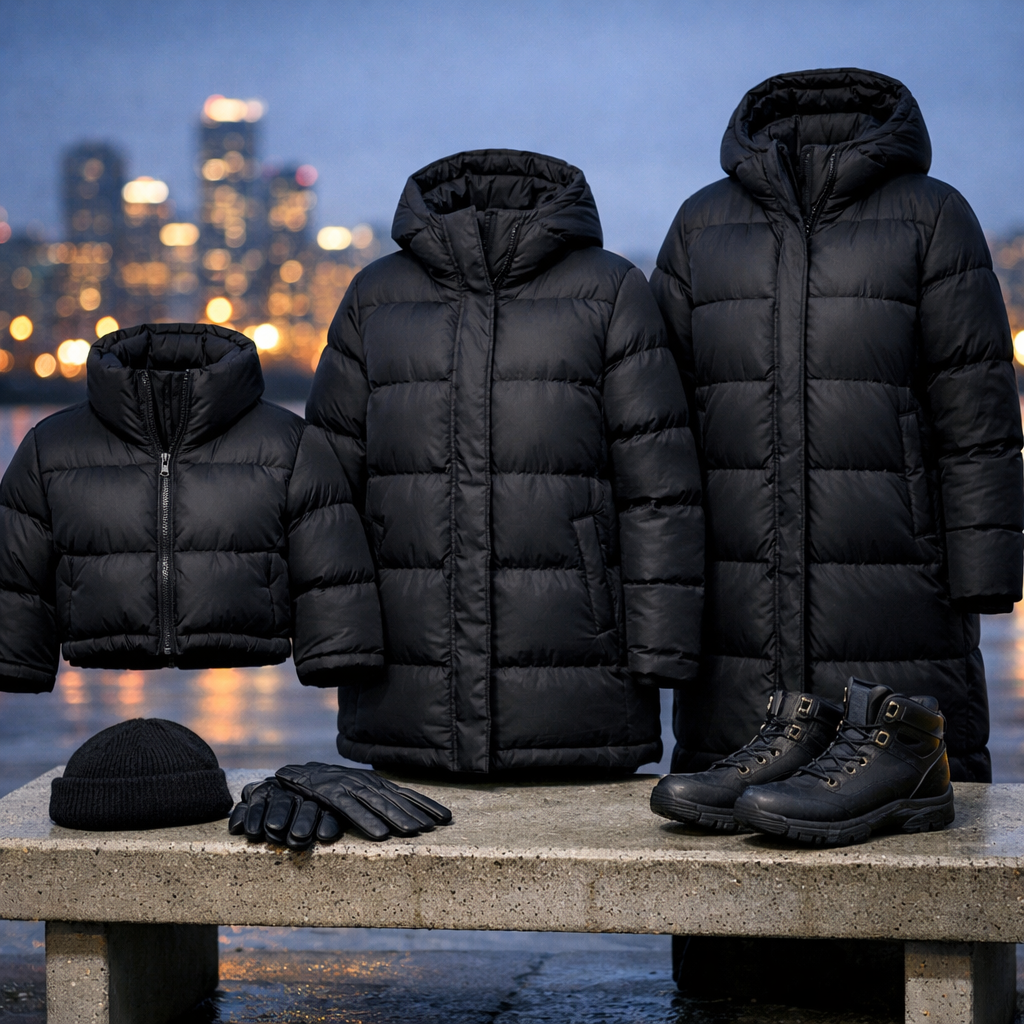
10 Best Black Puffer Jackets for City Winters, Expert Picks
10 Best Black Puffer Jackets for City Winters, Expert Picks
City winters are a cocktail of cold platforms, slushy sidewalks, and quick transitions from street to office. We picked 10 black puffer jackets that balance warmth-to-weight, weather resistance, and everyday utility for commuting. Short answer: the best black puffer jackets for city winters include Patagonia Nano Puff (wet-weather standby), REI Co-op Magma 850 Hoodie (light, warm down), and Rab Microlight Alpine (durable all-rounder), with smart options for every budget and bulk level below.
Hiking Manual
At Hiking Manual, our testing lens is commuter-first: durable daily wear, reliable DWR for sleet, midweight warmth that layers over work clothes, secure storage, and clean, unfussy aesthetics. We favor practical, accessible picks over hype, and flag clear trade-offs so you can choose confidently.
Methodology: At Hiking Manual, we run hands-on trials in urban cold, synthesize expert reviews and lab tests, and verify against published specs. See How we picked for sources and criteria. Below, we include a quick-scan table and concise “best for” callouts to speed your decision.
| Model | Insulation Type | Fill Power | Weight | Hood | Notable Features | Price Bracket |
|---|---|---|---|---|---|---|
| Patagonia Nano Puff | Synthetic (PrimaLoft) | n/a | ~12–13 oz | Yes | Fast-drying, packable, easy care | $$ |
| REI Co-op Magma 850 Hoodie | Down | 850 | ~12.5 oz | Yes | High warmth-to-weight, compressible | $$ |
| MontBell Plasma 1000 | Down | 1000 | ~5.9 oz | Often No | Pertex Quantum, ultralight specialist | $$$ |
| Arc’teryx Cerium Hoody | Down + mapped synthetic | ~850 (down) | ~11–12 oz | Yes | Trim technical fit, sharp look | $$$ |
| TNF Summit Breithorn Hoodie | Down | ~800 | ~13–14 oz | Yes | High warmth, alpine features | $$$ |
| Decathlon Simond MT100 | Down | 800 | ~11.3 oz | Yes | Budget standout, light | $ |
| Rab Microlight Alpine | Down | 700 (recycled) | ~15 oz | Yes | Tough face fabric, weather-resistant | $$ |
| Mountain Hardwear Ghost Whisperer | Down | 800 | ~8–9 oz | Yes | Super-packable, ultralight | $$$ |
| Black Diamond Deploy | Down | 1000 | ~5.6 oz (M) | Yes | Ultralight town-to-trail | $$$ |
| Feathered Friends Eos | Down | 900+ | ~10–11 oz | Yes | Premium build, long-term durability | $$$ |
Note: Key specs compiled from manufacturer listings and expert roundups; details cross-checked with sources cited throughout this guide.
Patagonia Nano Puff
Best for: wet, variable commutes and packable backups.
The Nano Puff’s synthetic insulation shines in slush and drizzle—synthetic insulation dries much faster than down and keeps you warmer when damp, and the Nano Puff is widely praised as lightweight, synthetic, and highly packable (see this field-tested overview on synthetic puffers). That fast-drying edge and easy care make it ideal for unpredictable city weeks where you may cram it into a tote between rides (synthetic insulation dries much faster than down).
Fit note: it runs trim; size up if you regularly wear a sweater or blazer underneath. As a water-resistant puffer with a clean silhouette, it’s a dependable synthetic puffer jacket that plays well with shells on storm days.
Pros
- Stays warm(er) when damp; dries quickly
- Packs small; low-maintenance care
- Streamlined, office-friendly look
Cons
- Less warmth-to-weight than premium down
- Trimmer fit can require sizing up for layers
REI Co-op Magma 850 Hoodie
Best for: lightweight down warmth on very cold commutes.
With 850-fill down at about 12.5 oz and a typical list price around $259, the Magma 850 hits a sweet spot for warmth-to-weight without premium-tax pricing. High-fill down traps more heat for fewer ounces, so it feels warm without bulk and disappears into a bag when you step indoors. It’s a standout lightweight down jacket for commuters who want powerful insulation that still compresses into a pocketable package (specs referenced by CleverHiker’s down jacket roundup).
Pros
- Excellent warmth-to-weight for the price
- Compressible and easy to stow
- Clean fit that layers under a shell
Cons
- Down requires a shell in serious sleet
- Not as abrasion-tough as heavier models
MontBell Plasma 1000
Best for: ultralight minimalists who run warm and want zero bulk.
The Plasma 1000 is a specialist piece: around 5.9 oz, roughly 2.5 oz fill weight of 1000-fill down, Pertex Quantum fabric, and about $289. It delivers exceptional warmth per ounce with almost no pack penalty, but static warmth below freezing is limited and many versions skip the hood. Think quick commutes, carry-everywhere insurance, and fast layering under a shell when needed (specs per Adventure Alan’s ultralight jacket guide).
Pros
- Class-leading warmth-to-weight
- Vanishingly light and packable
- Premium materials
Cons
- Less cozy at long, sub-freezing standstills
- Ultralight face fabric needs care; hood may be absent
Arc’teryx Cerium Hoody
Best for: sharp, technical layering from office to cold snap.
The Cerium’s trim, dialed patterning slides under a shell and sits clean over office layers. It mixes high-quality down with mapped synthetic in moisture-prone zones, yielding reliable warmth for sub-freezing days while keeping weight low. For sleet or heavy wind, pair it with a shell; the Cerium moves athletically and remains comfortable under backpack straps—attributes praised by expert testers at OutdoorGearLab’s best down jackets review.
Pros
- Polished, technical fit for city wear
- Efficient insulation and mobility
- Layers neatly under shells
Cons
- Pricey
- Needs a shell in prolonged wet
The North Face Summit Breithorn Hoodie
Best for: deep-cold commutes and long platform waits without huge bulk.
Informed by mountaineering design, the Breithorn packs high-warmth down and a robust feature set suited to riders and cyclists facing biting wind. The athletic fit is trim; consider sizing guidance if you plan a midlayer sweater underneath. It transitions well from stormy mornings to clean city lines.
Pros
- Warm, protective build for true winter days
- Functional features without excess heft
- Streamlined alpine look
Cons
- Trim cut may feel tight over thicker layers
- Heavier than ultralight options
Decathlon Simond MT100
Best for: budget down that still punches above its weight.
Around $119, ~11.3 oz, and 800 fill-power down make the MT100 a remarkable value for daily city use. It’s been rated 4.6/5.0 and lauded for warmth-to-weight at its price point by recognized reviewers like CleverHiker and OutdoorGearLab. For a commuter puffer jacket under $150, it’s tough to beat on specs alone.
Pros
- Excellent value-to-warmth ratio
- Light, compressible, and hooded
- Simple, functional design
Cons
- Materials feel less premium
- DWR may need earlier refresh with heavy use
Rab Microlight Alpine
Best for: durable, weather-resistant daily wear.
This is a do-it-all, weather-resistant down jacket with balanced warmth, comfort, and longevity. The tougher face fabric stands up to messenger bags and bike commuting, and Rab’s DWR is easy to maintain—plan to refresh it seasonally to keep water beading. It’s a hard-wearing choice for multi-season city use that won’t require babying.
Pros
- Tougher fabric for daily abrasion
- Well-balanced warmth and weather resistance
- Timeless, city-ready silhouette
Cons
- Heavier than ultralight peers
- Not the warmest-per-ounce
Mountain Hardwear Ghost Whisperer
Best for: super-packable warmth that stows anywhere.
The Ghost Whisperer is an ultralight icon: exceptional packability and a trim fit that disappears in your bag. The trade-off is durability—thinner fabrics need extra care around turnstiles, rough bags, and crowded trains. If you want a packable commuter jacket that’s there when you need it, this is it, with caveats echoed by thru-hiker testing at The Trek’s jacket roundup.
Pros
- Feathery weight and tiny packed size
- Warm for its mass
- Great travel companion
Cons
- Delicate face fabric
- Narrow temperature window without layers
Black Diamond Access or Deploy Down Hoody
Best for: town-to-trail versatility with choice of robustness or ultralight.
The Deploy goes ultralight with 1000-fill power at roughly 5.6 oz (men’s) and about 1.7 oz fill weight—a minimalist’s dream for quick warmth. The Access trends midweight (around 12.7 oz, ~800-fill direction) for added robustness and comfort under packs, making it a versatile pick if you want one jacket to do city and shoulder-season trail; spec ranges noted in BetterTrail’s buyer’s guide.
Pros
- Deploy: maximum packability, premium loft
- Access: sturdier build for daily abrasion
- Clean styling for urban use
Cons
- Deploy demands careful handling
- Access is heavier for the warmth
Feathered Friends Eos
Best for: long-term, premium warmth with heirloom build quality.
Made in the USA with top-tier materials and 900+ fill down, the Eos is an investment-grade down jacket with standout warmth-to-weight and meticulous construction. It costs more upfront, but durability and serviceability make it a long-term staple for winter commuting and travel.
Pros
- Exceptional materials and build
- Warmth-to-weight competitor to the best
- Serviceable, long-lifespan piece
Cons
- Premium price
- Limited availability at times
How we picked
At Hiking Manual, we combined hands-on city use, spec verification, and comparative testing from trusted reviewers: CleverHiker’s down jacket reviews, in-depth lab-style testing at OutdoorGearLab, wet-weather insights from Wirecutter’s insulated jacket guide, and long-mileage durability notes from The Trek’s thru-hiker tests (CleverHiker, OutdoorGearLab, Wirecutter, The Trek).
City-first filters shaped the list: DWR-treated shells, secure zip pockets, hooded options preferred, clean fits over office layers, and realistic warmth-to-weight for curb-to-train-to-desk days.
Key buying criteria for city winters
City Winter Fit checklist:
- DWR-treated shell for sleet
- 700+ fill down or modern synthetic insulation
- Adjustable hood
- Secure zip hand and internal pockets
- Durable face fabric for straps and turnstiles
Insulation type and warmth-to-weight
Warmth-to-weight describes how much insulation a jacket provides relative to its weight. Higher warmth-to-weight means more heat for fewer ounces, which matters for commuters who carry their jacket or pack it away during temperature swings.
Down offers superior warmth and compressibility in dry cold, while synthetic dries much faster and retains warmth when damp—principles affirmed by field testers and echoed by Wirecutter’s wet-weather guidance (Wirecutter on down vs synthetic). For deeper dives on fill types, see Hiking Manual’s primer on synthetic insulation.
Fill power and fill weight
Fill power measures down’s loft and quality; higher numbers (e.g., 700–1000) trap more air for the same weight, boosting warmth-to-weight. It doesn’t equal total warmth alone—fill weight and construction also matter.
Premium pieces like the REI Magma 850 and MontBell Plasma 1000 harness 850–1000FP down for standout efficiency. Always check both FP and fill weight on the tag; a heavier fill weight at moderate FP can be warmer than a light fill weight at very high FP.
Weather resistance and DWR
Durable Water Repellent is a factory-applied finish that makes fabric bead and shed light moisture. It improves comfort in drizzle and sleet but isn’t waterproof; periodic reapplication keeps performance consistent over time.
In slushy cities, synthetic insulation maintains warmth when damp, while down excels in dry cold but loses performance when wet. Pair down puffers with a rain shell on messy days and consider mid-length hems to keep hips dry.
Fit, layering, and mobility
Choose a trim-regular cut that layers over a sweater without compressing the baffles; compressing loft reduces warmth. Articulated sleeves and hems that don’t ride up when cycling or reaching help prevent cold spots. The Nano Puff runs trim—size up if you plan to add layers.
Pockets, hood, and commute-ready details
Hoods add warmth, shield ears and neck, and block wind—a major comfort upgrade for commuters, as our testers and many urban walkers note (see this concise breakdown of insulated jacket features from I Heart Pacific Northwest). Look for secure zip hand pockets, an internal zip stash for cards, a soft chin guard, and stuff-pocket packability for travel days.
Durability and face fabric
Daily commuting is abrasive: bag straps, subway walls, bike locks. Favor tougher face fabrics or reinforced shoulders/yokes if you carry a messenger bag. Ultralight models trade durability for packability; add a light shell or strap guards to protect thin fabrics in dense urban use.
Sizing and fit guidance
Quick checks:
- Reach overhead—the hem shouldn’t expose your midlayer.
- Add a cross-body strap—no tightness at chest or shoulders.
- Wear your intended sweater—baffles shouldn’t flatten.
Model note: size up for Patagonia Nano Puff if adding layers. For the best outcome, compare each brand’s garment measurements (chest, hem, sleeve) in addition to your usual S/M/L.
Budget, mid-range, and premium value
- Budget: Decathlon Simond MT100 (~$119, ~11.3 oz, 800FP) delivers standout warmth-to-weight for the money, with praise from multiple expert roundups.
- Mid-range: REI Magma 850 (~$259) pairs high-fill down with low weight for cold-city reliability without premium markup.
- Premium/Ultralight: MontBell Plasma 1000 (~$289) and Black Diamond Deploy (1000FP, ~5.6 oz) maximize packability and efficiency, with durability trade-offs typical of ultralight builds.
Care and maintenance basics
- Spot pre-treat stains.
- Wash on gentle with a down/synthetic-specific cleaner.
- Run extra rinses to clear detergent.
- Tumble dry low with clean tennis balls or dryer balls until fully lofted.
- Reapply DWR when water stops beading.
Synthetic fills are more forgiving when damp and dry faster. Down must be fully dried to prevent clumping; take your time in the dryer and break up clumps by hand between cycles.
Frequently asked questions
Is down or synthetic better for wet, slushy city commutes?
Synthetic is better because it retains warmth when damp and dries faster; down excels in dry cold but loses insulation when wet. See Hiking Manual’s insulation primer for a quick comparison.
How warm should a city puffer be for below-freezing waits?
Look for 700+ fill-power down with enough fill weight or a thick synthetic equivalent. For 20°F-and-below platform waits, add a hood and a wind-blocking shell.
What features matter most for everyday commuting comfort?
A DWR-treated shell, an adjustable hood, secure zip pockets, and a trim-regular fit you can layer over office clothes; see Hiking Manual’s city-winter fit checklist above.
Do I need a hood or will a high collar be enough?
A hood boosts warmth, shields ears and neck, and cuts wind, so it’s worth it for most commuters. A high collar can work if you always wear a beanie and scarf.
How do I wash and dry a puffer without ruining the insulation?
Use a down/synthetic-specific cleaner on gentle, rinse well, and tumble dry low with dryer balls until fully lofted. Hiking Manual recommends reapplying DWR if water stops beading on the surface.